
24 Hour Service
Call 409-444-0066
Top 5 Signs You Need Sewer Stoppage Repair
in Beaumont TX
Identify critical warning signs of sewer issues in Beaumont, TX, and learn when to call for repair services.
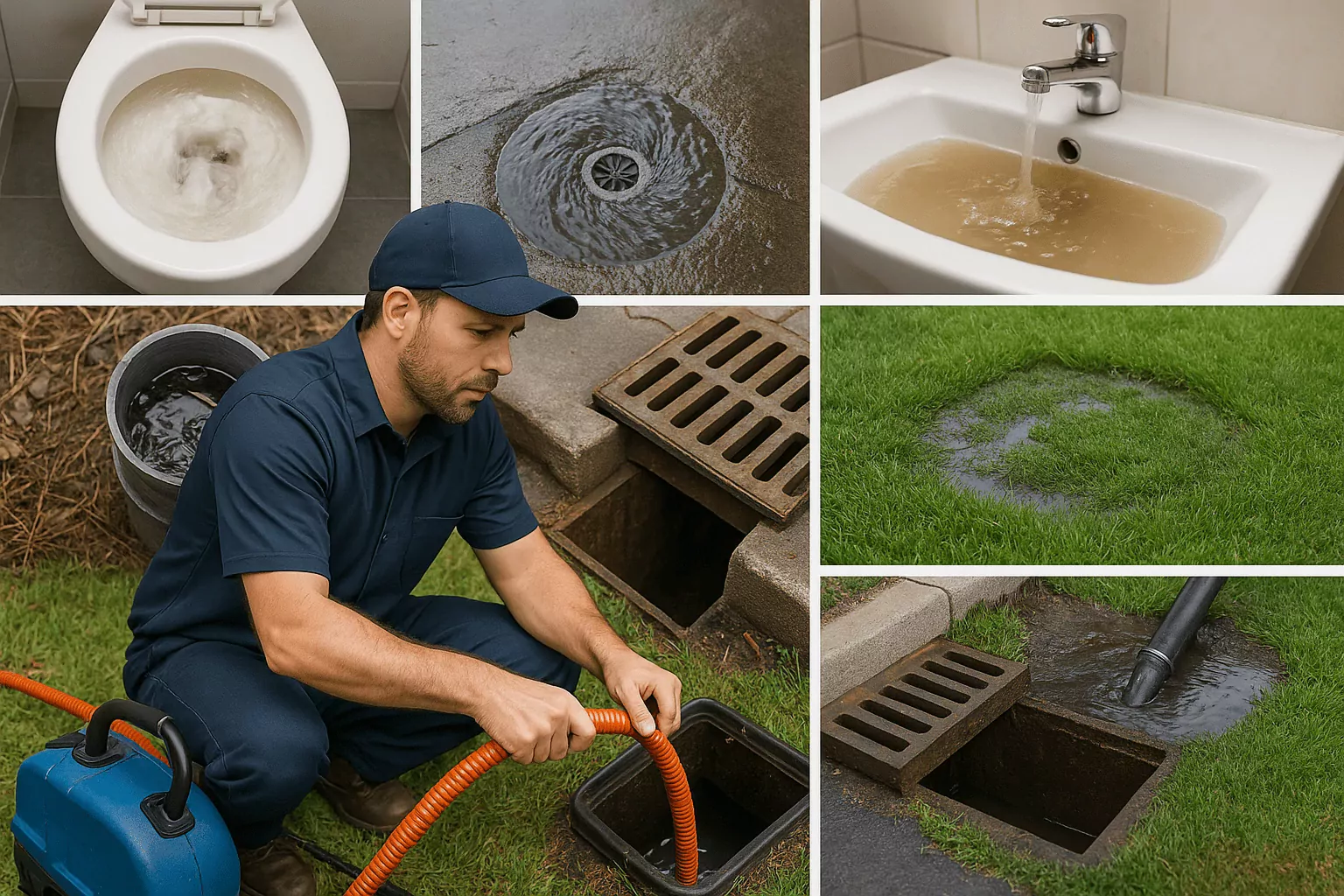
When wastewater starts flowing the wrong way, every minute counts for homeowners in Southeast Texas. If you live in Beaumont, Orange, or Bridge City, recognizing early warning signs can help you avoid costly damage and health risks. This guide explains the top indicators that point to a main line clog or failure so you know when to call for professional help. You will also learn what causes sewer blockages, how pros diagnose them, and smart steps to take before a technician arrives. For quick, local help, bookmark this resource and keep our number handy. To get started or schedule sewer stoppage repair Beaumont TX, read on for the five clear signs your system needs attention.
1. Frequent Drain Backups - sewer stoppage repair Beaumont TX
The clearest sign you need sewer stoppage repair is repeated backups in tubs, showers, or toilets, especially on the lowest level of your home. If plunging or snaking a single fixture gives only temporary relief, the blockage may be in the main sewer line rather than the branch line. Homeowners in Beaumont often notice backups after heavy rain when infiltration stresses older clay or cast-iron pipes. Grease buildup, wipes, and foreign objects can also narrow the pipe over time until wastewater has nowhere to go. If you see gray water pooling in a shower after flushing a toilet, you likely have a main line issue.
We recently assisted a Beaumont homeowner near Calder Avenue who experienced weekend backups every few weeks. A sewer camera inspection revealed a combination of hardened grease and a partial offset joint that snagged debris. After hydro jetting cleared the buildup, a spot repair restored the alignment and eliminated the recurring stoppages. In contrast, a Bridge City case involved a major grease plug from a kitchen line that repeatedly overflowed into a utility room; reconfiguring a sagging section of pipe prevented future backups. Consistent backups rarely fix themselves, so getting a professional diagnosis early can save flooring, walls, and your budget.
2. Slow Drains and Gurgling Fixtures - sewer stoppage repair Beaumont TX
Slow drains across multiple fixtures often mean the main line is restricted, even if nothing has fully backed up yet. Air trapped behind a forming clog can produce gurgling sounds in sinks or toilets as water displaces pockets of air. You may also see bubbles in a toilet after running a nearby sink or hear a glug-glug from a tub when the washing machine drains. These noises signal venting or flow problems that frequently trace back to the main sewer line. Waiting can turn subtle symptoms into a full wastewater spill.
In Orange, we documented a case where a family heard gurgling in an upstairs bath every time the dishwasher ran. A camera inspection located invading tree roots at a joint 48 feet from the cleanout, which acted like a net for paper and debris. Precision root cutting and hydro jetting removed the immediate blockage. If you notice system-wide slowdowns or cross-communication between fixtures, schedule a professional evaluation before a minor nuisance becomes an emergency. Consistent performance across all drains is the baseline; anything less deserves attention.
3. Persistent Sewer Odors Indoors or Outside - sewer stoppage repair Beaumont TX
Raw sewage odors are more than unpleasant; they are a health and safety red flag. If your home smells like rotten eggs or sulfur near floor drains, bathrooms, or the kitchen sink, wastewater may be stagnating due to a stoppage. Outside, strong odors around your yard, driveway, or near the cleanout can indicate leakage, a belly in the pipe, or an active overflow. Because sewer gas contains harmful compounds, prompt action is essential for your family's well-being. The Environmental Protection Agency notes that sanitary sewer issues can expose residents to pathogens and contaminants.
We recommend a step-by-step check while you wait for help: verify that fixture traps contain water, ensure cleanout caps are snug, and reduce water usage to limit accumulation. If odors persist, a licensed plumber can perform smoke testing and camera inspection to identify broken joints, collapsed sections, or saturated bellies. Trust your nose: if the smell lingers even after basic checks, the main line may be compromised and needs professional diagnosis. You can review public guidance on sanitary sewer overflows from the EPA for added context via this resource.
4. Wet Spots, Lush Grass, or Sinkholes in the Yard - sewer stoppage repair Beaumont TX
Unexplained soggy patches, unusually green stripes, or small sinkholes can signal a leaking or blocked sewer line that is seeping into the soil. When wastewater escapes, it can fertilize vegetation, resulting in patchy areas of rapid growth even during dry spells. You might also notice standing water that reappears after disappearing, especially near the path of your buried lateral. In Southeast Texas, high groundwater and shifting soils can stress older pipes, causing cracks or offsets that release wastewater. These outdoor clues often accompany slow drains or odors, pointing squarely to a main line problem.
Our team handled a case in Bridge City where a homeowner noticed a permanent damp area along the fence line. A camera inspection showed a long belly holding water and debris; hydro jetting cleared the immediate obstruction, and pipe bursting replaced the failed section with a durable line. In another Orange property, tree roots exploited a small separation near the city tap, creating a recurring leak and lush grass patch; a coordinated repair with the utility resolved it. If you see yard anomalies, avoid digging without utility locates, and call a professional to map and test the sewer path.
5. Aging Pipes, Tree Root Intrusion, and Recurring Clogs - sewer stoppage repair Beaumont TX
Homes with original clay, cast iron, or Orangeburg piping are more susceptible to stoppages due to corrosion, scale, and shifting joints. Large trees common in older Beaumont neighborhoods can drive roots through tiny gaps, trapping paper and debris until the main line clogs. If you experience a clog every few months, the issue is typically structural rather than behavioral. A professional sewer camera inspection can confirm the material, condition, and exact location of defects so repairs are precise and lasting. Proactive planning beats repeated emergencies and cleanup costs.
Consider a preventative strategy once a line shows chronic issues. Options include hydro jetting to remove scale and grease, or root cutting with a follow-up root-inhibiting treatment. Many homeowners combine periodic maintenance with selective spot repairs to extend the life of their system. For routine maintenance, see our drain cleaning services and broader plumbing services that keep lines flowing. If you are facing recurring clogs, it is time to contact our team for a camera inspection and plan that ends the cycle.
Early detection is the key to avoiding water damage, odors, and health hazards from a failing sewer line. If you notice frequent backups, gurgling drains, persistent odors, soggy lawn patches, or recurring clogs tied to aging pipes and roots, it is time to schedule professional service. Our team uses sewer cameras, hydro jetting, and trenchless options to deliver fast, lasting results for Beaumont, Orange, and Bridge City homeowners. Do not wait for an emergency that disrupts your routine and strains your budget. For friendly, expert help, contact 409 Plumbing at 409-444-0066 or visit us at 515 Camellia Avenue, Orange, Texas 77630.
Ready to restore reliable flow and peace of mind? Call 409 Plumbing today or contact our team online to book an inspection for sewer stoppage repair. Meta Title: sewer stoppage repair Beaumont TX. Meta Description: Fast, local sewer stoppage repair in Beaumont, TX. Stop backups, odors, and slow drains with expert diagnostics and lasting fixes from 409 Plumbing.
Frequently Asked Questions
What causes sewer stoppages in Beaumont and nearby areas?
The most common causes include grease buildup, non-flushable items like wipes, tree root intrusion at joints, and aging pipe materials that scale or collapse. Heavy rains and infiltration can push debris into already narrowed sections, triggering a sudden blockage. In older neighborhoods, clay and cast-iron laterals are especially vulnerable to offsets and root growth. Construction debris, foreign objects, and sags in the line also contribute to recurring clogs. A professional inspection pinpoints the exact cause so the repair strategy is effective and durable.
How can I tell if the problem is the main sewer line or just one fixture?
Clues of a main line stoppage include simultaneous issues across multiple fixtures, especially on the lowest level, and cross-communication like a tub filling when a toilet flushes. Slow drains in several rooms and gurgling noises from distant fixtures also suggest a system-wide restriction. A single slow sink may point to a localized branch line problem, which is typically easier to fix. Checking the outdoor cleanout, if present, can help; standing water at the cleanout often indicates a main line issue. When in doubt, a camera inspection quickly confirms the problem's location and scope.
What should I do while waiting for sewer stoppage repair in Beaumont TX?
Stop running water and refrain from using dishwashers, washing machines, and showers to prevent overflow. If safe, remove valuables from areas at risk, such as basements or utility rooms, and place towels or barriers to contain potential spills. Do not use chemical drain cleaners because they can damage pipes and are hazardous during professional service. Then call a licensed local plumber to assess, clear, and verify the line with a camera.
How much does sewer stoppage repair cost in Beaumont TX?
Pricing varies based on the cause, location, and extent of the blockage or damage. Simple augering or jetting can be relatively affordable, while repairs for collapsed sections, major root intrusion, or trenchless rehabilitation cost more. Access to cleanouts, yard depth, and utility locations also impact labor. A reputable contractor will provide a clear estimate after inspection and outline options from immediate relief to long-term fixes. For transparent pricing and a prompt assessment, call 409 Plumbing at 409-444-0066 for a local, no-pressure consultation.

Registered Master Plumber Texas State Board of Plumbing Examiners
RMP #44702
Licensed and Bonded
Cities Serviced
409 Plumbing
Follow Us On
© 2026 409 Plumbing. All Rights Reserved.
Website Design and Hosting Provided by LocalBizBuzz,co