
24 Hour Service
Call 409-444-0066
Top 5 Signs You Need Licensed Water Heater Repair in Bridge City
Identify critical warning signs that indicate when homeowners in Bridge City should seek licensed water heater repair services.
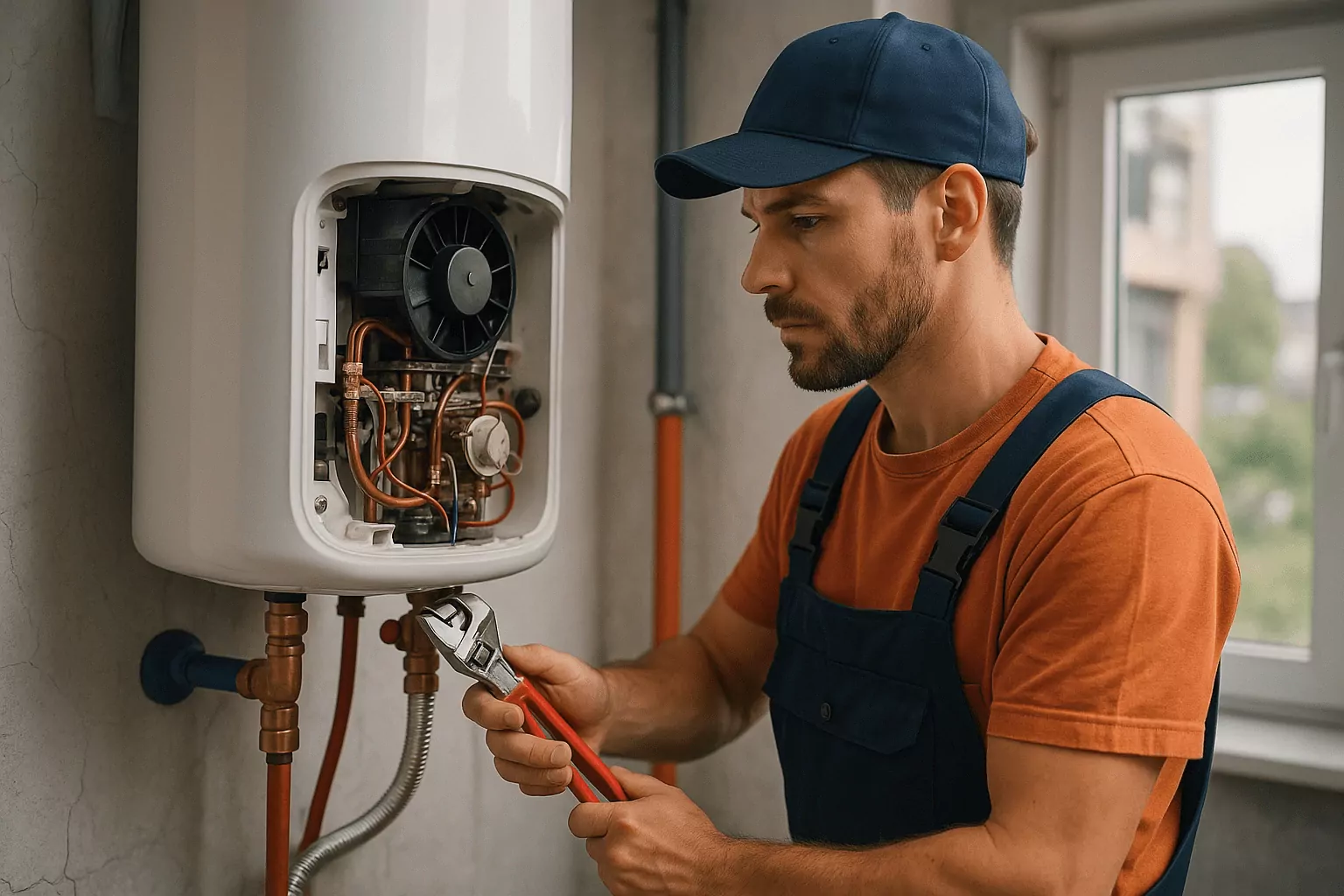
If your showers are turning cold too quickly or you notice puddles near the tank, it may be time to consider licensed water heater repair Bridge City. Acting early saves money, prevents water damage, and keeps your family comfortable year-round. From strange noises to rising energy bills, your system often gives clear warning signs before a full breakdown. In this guide, we explain the top indicators that point to professional service and why choosing a licensed pro matters in Bridge City, Orange, and Beaumont. For homeowners who want a quick answer, licensed water heater repair Bridge City from a trusted local team delivers safety, code compliance, and reliable hot water. Read on for real examples, practical tips, and when to schedule a same-day visit.
1. Inconsistent or Insufficient Hot Water: licensed water heater repair Bridge City
The most common red flag is running out of hot water too soon or experiencing temperature swings from scalding to cold. This can happen when heating elements wear out, dip tubes crack, or thermostats drift out of calibration. In gas models, a weak burner flame, sediment-coated heat exchanger, or flue obstruction can sharply reduce output. We recently helped a Bridge City homeowner whose 12-year-old tank could not keep up with two showers; testing showed a failed lower element and heavy sediment. After a licensed technician replaced the element, flushed the tank, and recalibrated the thermostat, the home returned to steady, efficient hot water within an hour.
If you are constantly adjusting the mix to find a stable temperature, call a pro before the problem worsens. Licensed plumbers follow Texas codes, test electrical and gas components safely, and verify combustion air and venting where applicable. They also check sizing, because a tank that is too small for your household will feel like a repair problem when it is really a capacity issue. Evidence of mineral scale from hard water in Orange County can further limit recovery time and demands a proper flush or anode inspection. When inconsistency persists, professional diagnostics can determine whether repairs or a right-sized replacement will serve you best.
2. Leaks, Drips, or Pooling Around the Tank: licensed water heater repair Bridge City
Any sign of water on or near the heater calls for immediate attention to prevent mold, drywall damage, and high utility costs. Common leak sources include corroded tank walls, failed T&P (temperature and pressure) valves, deteriorated flex lines, or loose drain spigots. In one Bridge City case, a slow drip from the T&P discharge pipe indicated overpressure due to a failing expansion tank; the licensed tech corrected the pressure, replaced the expansion tank, and stopped the leak without a full heater replacement. Left unaddressed, even a minor seep can become a burst that floods rooms and damages flooring. Because T&P valves are crucial safety devices, tampering or plugging them is dangerous and should never be attempted.
A licensed plumber will isolate the leak, test system pressure, and confirm whether the tank shell is compromised. If the tank itself is leaking, replacement is the only safe path; if connections or valves are the culprit, targeted repairs can restore reliability. Professionals also evaluate code compliance, such as drain pan and discharge piping, to protect your home. For gas units, they inspect seismic strapping and venting to ensure safe operation after any repair. Fast, licensed service minimizes downtime and protects both your investment and your property.
3. Rumbling, Popping, or High-Pitched Whistling: licensed water heater repair Bridge City
Unusual sounds are a classic symptom of sediment buildup, overheating, or pressure issues. Rumbling and popping often occur when mineral scale traps steam bubbles at the bottom of the tank, forcing mini-explosions that waste energy and stress components. A high-pitched whistle can indicate a partially closed valve or excessive pressure at the relief valve. We serviced a Beaumont homeowner who heard loud popping every morning; after a licensed flush and anode inspection, the noise disappeared and the heater's efficiency improved. Ignoring noises can lead to premature tank failure or element burnout, turning an affordable maintenance visit into a replacement.
Licensed technicians use proper isolation and flushing techniques to prevent damage during sediment removal. They also evaluate the anode rod, which protects the tank from corrosion, and replace it when it is near depletion. For gas models, a pro cleans the burner assembly and checks for proper combustion to reduce soot and noise. If a pressure problem exists, a licensed plumber corrects the regulator, expansion tank, or valve settings to restore safe operation. Swift attention to sounds maintains both performance and safety for your family.
4. Discolored, Rusty, or Foul-Smelling Hot Water: licensed water heater repair Bridge City
Brown, rusty, or cloudy hot water points to internal corrosion or sediment that affects taste, odor, and appliance longevity. If discoloration appears only on the hot side, the water heater or its anode is the likely cause; if both hot and cold are affected, your municipal supply or home piping may be at fault. In Orange, we evaluated a home with intermittent rusty water after long periods of non-use; testing confirmed a deteriorated anode rod and heavy scale. By replacing the anode and conducting a full flush, we restored clear water and reduced metal taste. For rotten-egg odors, licensed pros can diagnose whether naturally occurring sulfur bacteria or a reacting magnesium anode is to blame and offer solutions.
Addressing these issues quickly prevents stained fixtures, clogged aerators, and reduced flow in dishwashers and laundry machines. Licensed plumbers can recommend sacrificial anode upgrades or powered anodes when water chemistry accelerates corrosion. They also verify that the temperature is set high enough to discourage bacteria, consistent with safety guidance. When concerns extend beyond the heater, sampling and inspection of supply lines may be needed. Proper, code-compliant repair ensures both water quality and system durability.
5. Rising Energy Bills or Short-Cycling: licensed water heater repair Bridge City
A sudden spike in utility costs or frequent cycling on and off can indicate failing components or incorrect settings. Electric heaters with weakened elements must run longer, while gas units with dirty burners waste fuel and underperform. Heat loss from a worn-out dip tube or poor insulation increases runtime and your monthly bill. In a recent Bridge City service call, we found a miswired thermostat causing constant reheating; fixing the wiring and calibrating the control cut energy use and stabilized temperature. Tracking your bills over a few months can reveal trends that signal a need for licensed diagnostics.
Technicians run multimeter checks, combustion tests, and temperature rise measurements to pinpoint inefficiencies. They also verify thermostat accuracy, inspect eco-mode programming, and recommend insulation upgrades where appropriate. For older tanks nearing end of life, a licensed plumber can compare repair vs. replacement payback, including options like high-efficiency or hybrid units. Following Department of Energy best practices, a pro will confirm safe temperature settings that balance scald prevention and bacterial control. The result is restored efficiency, longer equipment life, and predictable monthly costs.
If you notice inconsistent temperatures, leaks, noises, discolored water, or rising bills, do not wait for a cold shower or costly damage to confirm the problem. These five signs are your cue to call for licensed water heater repair Bridge City and restore safe, efficient operation. 409 Plumbing proudly serves Bridge City, Orange, and Beaumont with same-day solutions, code-compliant workmanship, and honest recommendations. For fast local help, call 409 Plumbing at 409-444-0066. Explore our services at our services page, schedule a visit via our contact form, or learn more in our blog. We are ready to inspect, repair, or replace your water heater so your home stays comfortable and protected year-round.
Frequently Asked Questions About Licensed Water Heater Repair
How do I know if I need repair or full replacement?
Age, condition, and the cost of the fix guide this decision. If your tank is over 10 years old and showing multiple symptoms like leaks, noises, and rusty water, replacement is often the safer, more cost-effective route. For newer units with isolated issues such as a failed element or thermostat, licensed repair can extend service life for years. A professional will estimate repair costs and compare them with the efficiency gains of modern models. When in doubt, request a written assessment that outlines options, timelines, and warranties so you can decide with confidence.
Why is hiring a licensed plumber so important for water heater work in Texas?
Licensing ensures the technician is trained, insured, and accountable to state safety standards. In Texas, you can verify plumbing licensure through the Texas State Board of Plumbing Examiners at tsbpe.texas.gov. Licensed pros pull permits when required, follow local codes, and protect warranties that may be voided by DIY or unlicensed work. They also perform gas and electrical safety checks that prevent fires, carbon monoxide leaks, or shocks. Choosing a licensed contractor protects your home, your family, and your long-term investment.
What maintenance prevents most water heater problems?
Annual flushing to remove sediment is the single best step for extending tank life and quieting noises. A licensed plumber will also inspect and replace the anode rod as needed, check the T&P valve, and verify thermostat settings. For gas units, professional burner cleaning and vent testing improve efficiency and safety. The U.S. Department of Energy provides helpful homeowner guidance at energy.gov/energysaver/water-heating. Scheduling routine maintenance helps you catch minor issues early and avoid emergencies.

Registered Master Plumber Texas State Board of Plumbing Examiners
RMP #44702
Licensed and Bonded
Cities Serviced
409 Plumbing
Follow Us On
© 2026 409 Plumbing. All Rights Reserved.
Website Design and Hosting Provided by LocalBizBuzz,co