
24 Hour Service
Call 409-444-0066
Top 5 Reasons to Consider Gas Line Rerouting
in Orange
Boost safety and efficiency for your home or business in Orange with these essential benefits of gas line rerouting.
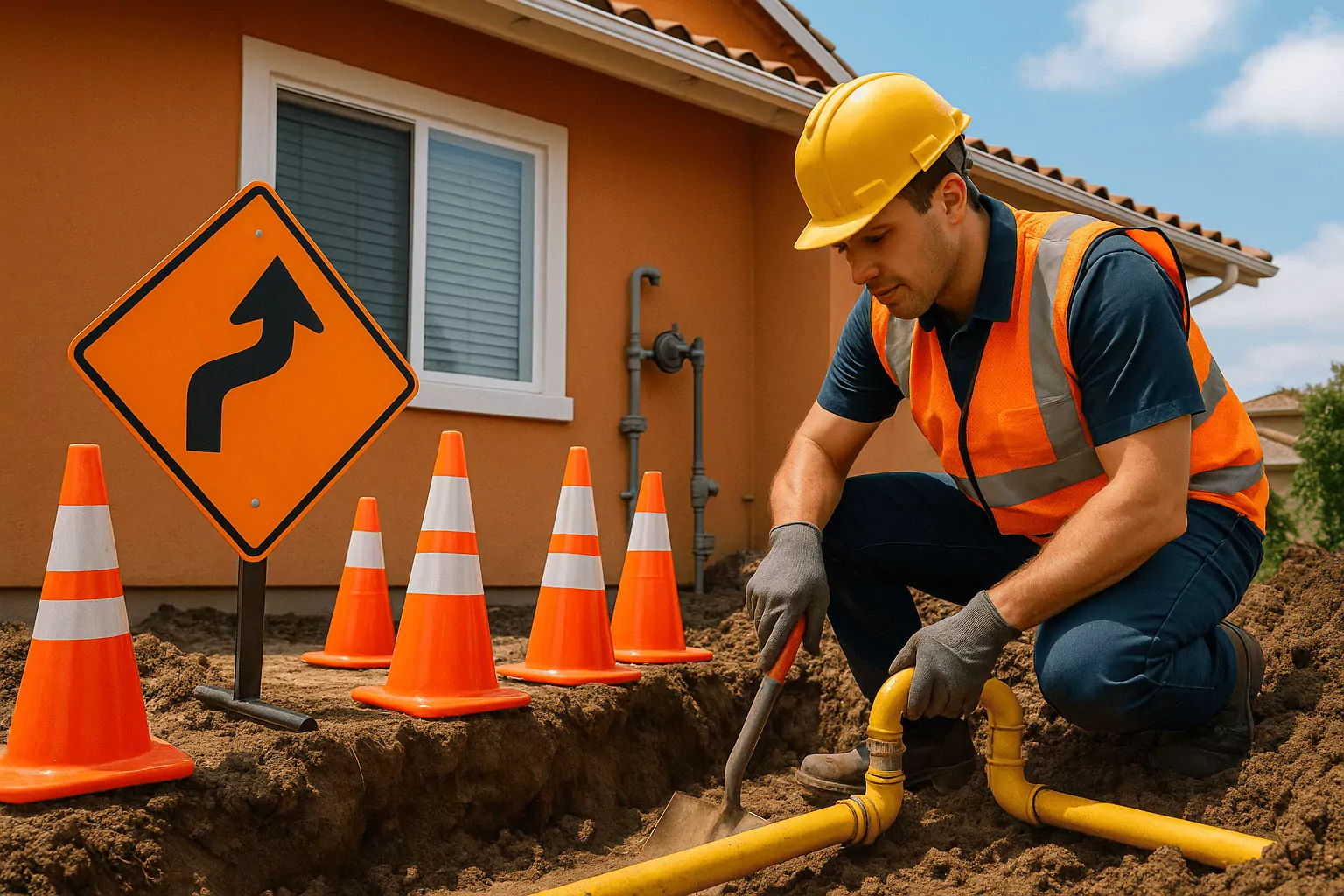
If you are planning a renovation or noticed aging fuel lines, gas line rerouting Orange may be the smart next step. In many Orange and Beaumont area homes, older routes are not ideal for today's appliances or safety codes. Strategic rerouting improves safety, supports new layouts, and protects your investment against corrosion and soil movement. It also helps reduce future maintenance costs by placing lines in more accessible, code-compliant paths. Homeowners and contractors benefit from a clearer plan, faster inspections, and better long-term performance. Learn how gas line rerouting Orange can align with your project timeline and budget while enhancing safety.
1. Strengthen Safety and Meet Codes with gas line rerouting Orange
Safety is the first reason homeowners and builders evaluate gas line rerouting Orange. Over time, shifting soils and aging fittings can create small leaks that go unnoticed until they become hazards. Rerouting places piping in safer, shorter runs with fewer joints, which reduces potential leak points. It also helps ensure proper clearances from electrical lines, foundations, and HVAC ducts per modern standards. Updated routes make it easier for inspectors to verify compliance and for technicians to access shutoff valves quickly.
Following recognized codes and best practices is essential in Texas communities. Reputable plumbers align designs with NFPA 54, the National Fuel Gas Code, and local regulations to pass inspections the first time. This process includes correct sizing, approved materials, and protection methods where needed. For more on national standards, see the NFPA 54 overview at NFPA. In Texas, oversight and guidance for pipeline safety are available from the Texas Railroad Commission, which underscores why professional planning matters.
2. Support Remodels and Layout Changes with gas line rerouting Orange
Kitchen, bath, and outdoor living upgrades often require moving appliances or adding new ones. Gas line rerouting Orange allows you to place a range, dryer, furnace, or tankless heater exactly where your design requires. For example, a homeowner in Orange, TX moved a cooktop to a new island, and rerouting kept the run short and concealed while meeting clearance rules. The same principle applies to outdoor kitchens, pool heaters, and standby generators. Well-planned reroutes prevent awkward bends, reduce fittings, and simplify future service.
Contractors value rerouting because it streamlines complex projects and inspections. During a whole-home remodel in Bridge City, combining line resizing with rerouting met the demand of a new tankless system and a gas fireplace. The team coordinated trenching, pressure testing, and permitting to keep the schedule on track. Homeowners benefit from faster hookups and fewer callbacks once appliances are placed. For additional project guidance, visit our plumbing and gas services page or reach out through our contact form.
3. Reduce Risks from Soil Movement, Corrosion, and Weather via gas line rerouting Orange
Gulf Coast soils around Orange and Beaumont can shift with seasonal moisture, stressing buried piping. Gas line rerouting Orange can move vulnerable sections into more stable, protected pathways. Technicians may relocate lines to shallower or better-drained corridors while maintaining code-required cover depth. They can also add supports, sleeves, or corrosion-resistant materials in critical spots. These steps help reduce strain on joints and prolong the life of your gas infrastructure.
Corrosion control is another key benefit when rerouting legacy lines. Older steel piping may be replaced or re-routed using approved materials that better resist local conditions. Protection strategies can include proper backfill, isolation fittings, and, when needed, corrosion mitigation measures. After storms or flooding, routing that avoids low-lying, saturated areas can lower future repair risk. For safety guidance on household gas systems, visit the U.S. DOT PHMSA resource on pipelines for communities at PHMSA.
4. Improve Appliance Performance and Future-Proof Your Property with gas line rerouting Orange
Undersized or overly long gas runs can starve appliances of needed fuel pressure. Gas line rerouting Orange allows correct sizing and more direct routes, improving efficiency and reliability. If you plan to add a tankless water heater, a generator, or multiple outdoor features, rerouting can plan for today and tomorrow. The design can include capacity for anticipated appliances, saving you from a second disruption later. Balanced, well-sized piping supports better combustion, stable flames, and fewer nuisance shutdowns.
Future-proofing also means smart placement of valves, manifolds, and accessible pathways. A new manifold location can simplify isolating individual appliances during maintenance. Shorter branches can reduce pressure drop and speed troubleshooting. Some projects benefit from modern, code-approved materials that allow flexible routing while respecting bonding and grounding rules. Proactive design helps you maximize the lifespan of appliances and minimize service visits over time.
5. Minimize Downtime and Control Costs Through Planning and gas line rerouting Orange
Thoughtful planning during gas line rerouting Orange can shorten project timelines and reduce surprises. A professional will trace the existing line, confirm loads, and create a clear routing map. With permits secured, the crew schedules excavation, installation, and testing to minimize appliance downtime. Where practical, trenchless methods or selective access reduce disruption to yards, driveways, or slab areas. Careful sequencing also helps coordinate with electricians, HVAC teams, and remodel crews.
Cost control comes from accurate sizing, fewer fittings, and direct routes that reduce labor. Transparent quotes detail materials, valve placements, and inspection fees so you can budget confidently. In one Beaumont case, combining rerouting with a scheduled kitchen remodel reduced repeat visits and saved several days of work. Property owners can also reduce overall costs by grouping upgrades within the same permit window. Explore more planning tips in our resource center and book a consultation via our contact form.
Whether you are remodeling or addressing aging infrastructure, gas line rerouting Orange can improve safety, performance, and long-term value. Strategic design supports modern appliances, satisfies inspection requirements, and helps avoid future disruptions. With experienced planning, you can streamline permits, minimize downtime, and protect your property from soil and weather risks. Local expertise also ensures your installation aligns with codes and regional conditions. When you are ready to plan, 409 Plumbing is here to help with proven solutions.
Frequently Asked Questions About Gas Line Rerouting
How do I know I need gas line rerouting in Orange, TX?
Common signs include appliance relocation plans, recurring pilot issues, or noticeable pressure drops. If you are adding a tankless heater, generator, or outdoor kitchen, rerouting likely helps. Repeated gas odor reports, aging steel lines, or frequent repairs are also strong signals. Projects that expose or cross existing lines, like foundation work, are another trigger. A licensed plumber can pressure test the system and evaluate routing, sizing, and access to confirm the best approach.
Is gas line rerouting safe, and how long does it take?
When performed by licensed professionals, rerouting is safe and follows strict codes. The team isolates and tests lines, uses approved materials, and verifies ventilation and clearances. Small, single-appliance reroutes may finish in a day after permits are active. Larger projects involving multiple appliances or slab work can take several days. Timelines also depend on inspection windows in Orange and nearby jurisdictions, which your contractor will schedule.
Do I need permits and inspections for gas line rerouting in Orange?
Yes, permits and inspections are typically required for gas line alterations. The professional handling your project will prepare drawings, load calculations, and pressure test reports. Inspectors verify code compliance, proper materials, and correct valve placements and supports. Following the process protects safety and insurance coverage, and it speeds final approvals. Your contractor should coordinate with local offices and reference standards like NFPA 54 during design.
How much does gas line rerouting cost in the Orange and Beaumont area?
Costs vary based on pipe length, accessibility, permits, and the number of appliances. Projects that require slab access, long exterior runs, or upsizing will generally cost more. Grouping multiple changes under one permit can reduce total expenses. A clear site plan and appliance list help finalize an accurate and fair estimate. To discuss your specific needs, contact 409 Plumbing at 409-444-0066 or use our contact page.

Registered Master Plumber Texas State Board of Plumbing Examiners
RMP #44702
Licensed and Bonded
Cities Serviced
409 Plumbing
Follow Us On
© 2026 409 Plumbing. All Rights Reserved.
Website Design and Hosting Provided by LocalBizBuzz,co