
24 Hour Service
Call 409-444-0066
Top 5 Common Plumbing Emergencies in Orange TX and How to Handle Them
Identify the most frequent plumbing crises in Orange, TX, and get practical tips for quick and effective solutions.
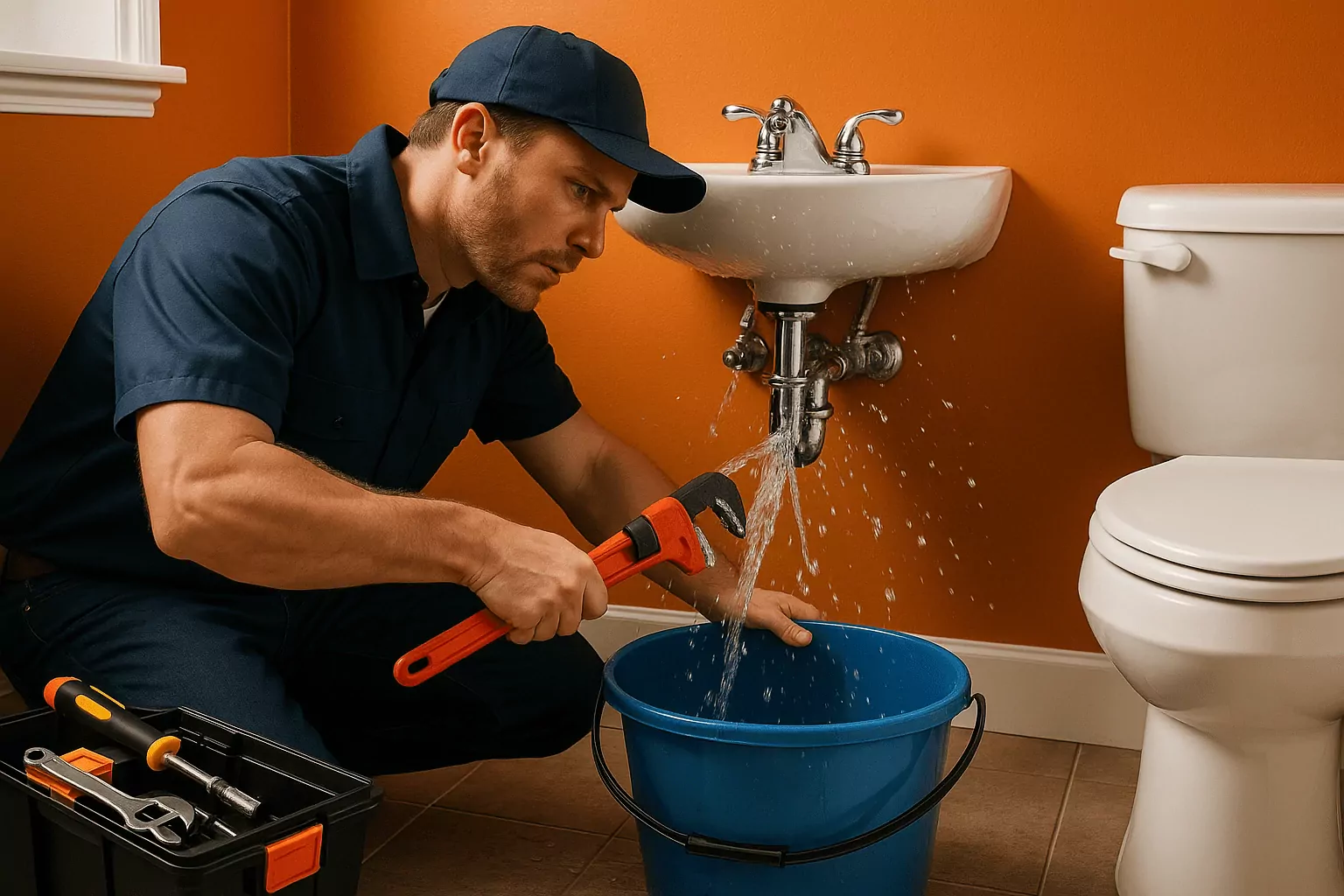
When water is where it should not be, seconds matter, and so does who you call. If you need emergency plumbing Orange TX help right now, you are not alone. Homes in Orange, Beaumont, and Bridge City see urgent issues from burst pipes, sewer backups, and failing water heaters each year. Gulf Coast weather, aging lines, and heavy clay soils can turn small leaks into major headaches fast. This guide explains the top five crises we handle daily, the first steps you should take, and how to prevent repeat problems. For fast local help and clear guidance, bookmark this page and tap our 24/7 line at 409-444-0066. Learn more or request service here: emergency plumbing Orange TX.
1. Burst or leaking pipes - emergency plumbing Orange TX essentials
Burst or leaking pipes are the most frequent overnight emergency we see in Orange, TX. Winter cold snaps and pressure spikes can split copper or PVC along weak joints. You might notice a sudden drop in water pressure, ceiling stains, or the sound of running water behind walls. Left alone, a split line can release hundreds of gallons in hours and damage flooring, drywall, and wiring. We recently helped a family off MacArthur Drive after a freeze split a line above their kitchen, limiting damage by shutting water within minutes.
Act fast with these steps to control the situation before help arrives. First, find and close the home's main shut-off valve to stop the flow. Next, open cold taps to drain remaining pressure and reduce further leaking. Move furniture and electronics away from affected areas and place buckets or towels under drips. If water nears outlets or the breaker panel, cut power to that area and stay safe. Call 409 Plumbing for emergency response, then take photos for insurance and start light cleanup.
Prevention tips save money and stress. Insulate exposed pipes, especially in garages and exterior walls. Keep indoor heat consistent during cold snaps and drip faucets overnight when temperatures plunge. Check your pressure regulator; most homes do best at 50-60 psi. Learn your valve locations now so you can act in seconds, not minutes. The EPA notes even small leaks waste significant water and money each year; see their guidance here: EPA WaterSense Fix a Leak.
2. Sewer backups and main line clogs - emergency plumbing Orange TX response
Sewer backups are messy, hazardous, and often strike without warning after heavy rains. Tree roots, grease buildup, and sagging pipes can block the main line and push wastewater back into tubs and floor drains. A foul odor, gurgling toilets, or multiple slow fixtures signal a developing blockage. In Bridge City and parts of Beaumont, older clay lines and root intrusion are common culprits we locate with camera inspections. Left untreated, backups spread bacteria and can ruin flooring and furniture.
Keep your family safe and limit use of water right away. Stop flushing toilets, running laundry, and using sinks until a tech inspects the line. Do not enter areas with standing wastewater without protection, and keep kids and pets away. Avoid drain chemicals because they rarely work on main line roots and can corrode pipes. Call a licensed pro so we can perform a camera inspection and choose the right fix, from augering to hydro jetting.
Prevention hinges on smart use and proactive service. Never flush wipes, even when labeled flushable, and keep fats, oils, and grease out of kitchen drains. Schedule periodic root cutting or jetting if your property has large trees over the lateral line. Consider adding a backwater valve to reduce risk during storm surges. Our team offers routine drain maintenance and inspections; explore options here: 409 Plumbing services.
3. Water heater breakdowns and leaks - emergency plumbing Orange TX fixes
A failing water heater can leak, produce rusty water, or stop heating entirely. In Orange and Beaumont, mineral-rich water speeds up sediment buildup that damages tanks and elements. You might hear rumbling as sediment superheats, or see a puddle forming at the base. Unchecked leaks can rust out the tank seam and cause a sudden burst. Scalding is also a risk if the thermostat fails high or the relief valve sticks.
Start by cutting power or gas to the unit for safety, then shut the cold supply valve to the heater. If the tank is leaking badly, avoid draining without guidance because stuck valves and hot water can be hazardous. Place a pan or towels to direct drips, and clear the area of valuables. Call our team to assess whether repair or replacement is the smart move. For efficiency and safety, most homes should keep hot water set near 120 F; see guidance from the U.S. Department of Energy: DOE Water Heating Tips.
4. Overflowing toilet and severe drain clogs - emergency plumbing Orange TX help
Few problems spike stress faster than an overflowing toilet. Common triggers include too much paper, foreign objects, or a deeper line blockage. If the bowl level rises, remove the tank lid and push the flapper down to stop flow. You can also close the toilet's angle stop valve at the wall. Once the overflow stops, avoid chemicals that can burn skin and damage pipes.
Use a quality plunger with a flange to get a proper seal and make slow, steady strokes. For stubborn clogs, a closet auger can reach deeper than a plunger. If multiple fixtures are slow, you likely have a main line issue and should pause all water use. Our licensed techs provide same-day drain clearing and camera checks to prevent repeats. See how we handle clogs and drain cleaning here: drain and sewer services.
5. Slab leaks and main water line failures - emergency plumbing Orange TX diagnostics
Slab leaks occur when pressurized lines under the foundation crack or pinhole. Warning signs include warm floor spots, unexplained high water bills, or constant meter movement. In Orange County soils, shifting ground and corrosion can stress buried lines. Unseen leaks undermine the slab and invite mold if left unchecked. We use acoustic listening, thermal imaging, and line tracing to pinpoint the break with minimal disruption.
If you suspect a slab leak, shut water at the main and call for detection. Avoid running appliances or hot water until testing is done. Take note of warm areas, damp carpet edges, or baseboard swelling to report to your tech. In some cases, a reroute is better than a spot repair to avoid future breaks. Learn more about everyday leak waste and why quick action matters: EPA leak facts.
Plumbing emergencies move fast, but a calm plan and the right help protect your home. From burst pipes and sewer backups to failing heaters and slab leaks, quick shut-offs and smart steps matter. Use the checklists above, avoid risky DIY chemicals, and call a licensed pro early. Regular maintenance like jetting, flushing heaters, and pressure checks prevents many repeat events. If you live in Orange, Beaumont, or Bridge City, our local team is ready day or night.
For trusted, local, 24/7 help, contact 409 Plumbing at 409-444-0066 or request service online at our contact form. Explore our full range of solutions, from leak detection to water heater repair, here: 409 Plumbing services. Visit about us to learn more about our licensed and insured team. Your home deserves fast, dependable care from neighbors you can trust.
Frequently Asked Questions About Plumbing Emergencies
What should I do first in a plumbing emergency in Orange, TX?
Start by shutting off the closest valve to the problem, then the main if needed. Cut power if water has reached outlets or appliances, and keep people clear of hazards. Take quick photos to document the situation for your insurer. Avoid DIY chemicals or aggressive fixes that can worsen damage. Call 409 Plumbing at 409-444-0066 and describe what you see so we can dispatch the right tech and equipment. You can also request help online any time at our contact page.
How fast can an emergency plumber reach me in Orange, Beaumont, or Bridge City?
Our on-call team serves Orange, Beaumont, and Bridge City 24/7. Typical arrival times range from 60 to 90 minutes in normal conditions. During region-wide events like freezes or tropical systems, high demand can affect timing. We prioritize active leaks, sewer backups, and no-water situations first. When you call, we offer ETA updates and practical steps to limit damage while you wait. See current availability and coverage here: service areas.
Will my homeowners insurance cover a plumbing emergency?
Policies often cover sudden, accidental water damage but not long-term leaks or neglect. Burst pipes from a freeze are commonly covered when you took reasonable precautions. Sewer backups may need a rider or specific endorsement to qualify. Document everything with photos and keep receipts for mitigation work. We can provide detailed invoices and notes to support your claim. Always confirm coverage details with your agent before authorizing large repairs.
How do I find my main water shut-off valve quickly?
Most shut-offs are where the water line enters the home, often along a front wall or in a box at the street. In slab homes, check the garage, water heater area, or perimeter walls. Older homes in Orange and Beaumont may have buried valves under simple covers. If you cannot locate it, ask us to tag it during your next service call. The American Red Cross also recommends learning utility shut-offs in advance; their guidance can help you plan: Red Cross utility safety tips. Knowing your valve location can save thousands during a burst.

Registered Master Plumber Texas State Board of Plumbing Examiners
RMP #44702
Licensed and Bonded
Cities Serviced
409 Plumbing
Follow Us On
© 2026 409 Plumbing. All Rights Reserved.
Website Design and Hosting Provided by LocalBizBuzz,co