
24 Hour Service
Call 409-444-0066
Top 5 Benefits of Professional Generator Gas Line Installation in Port Arthur
Maximize safety and efficiency with expert generator gas line installation in Port Arthur for homes and businesses.
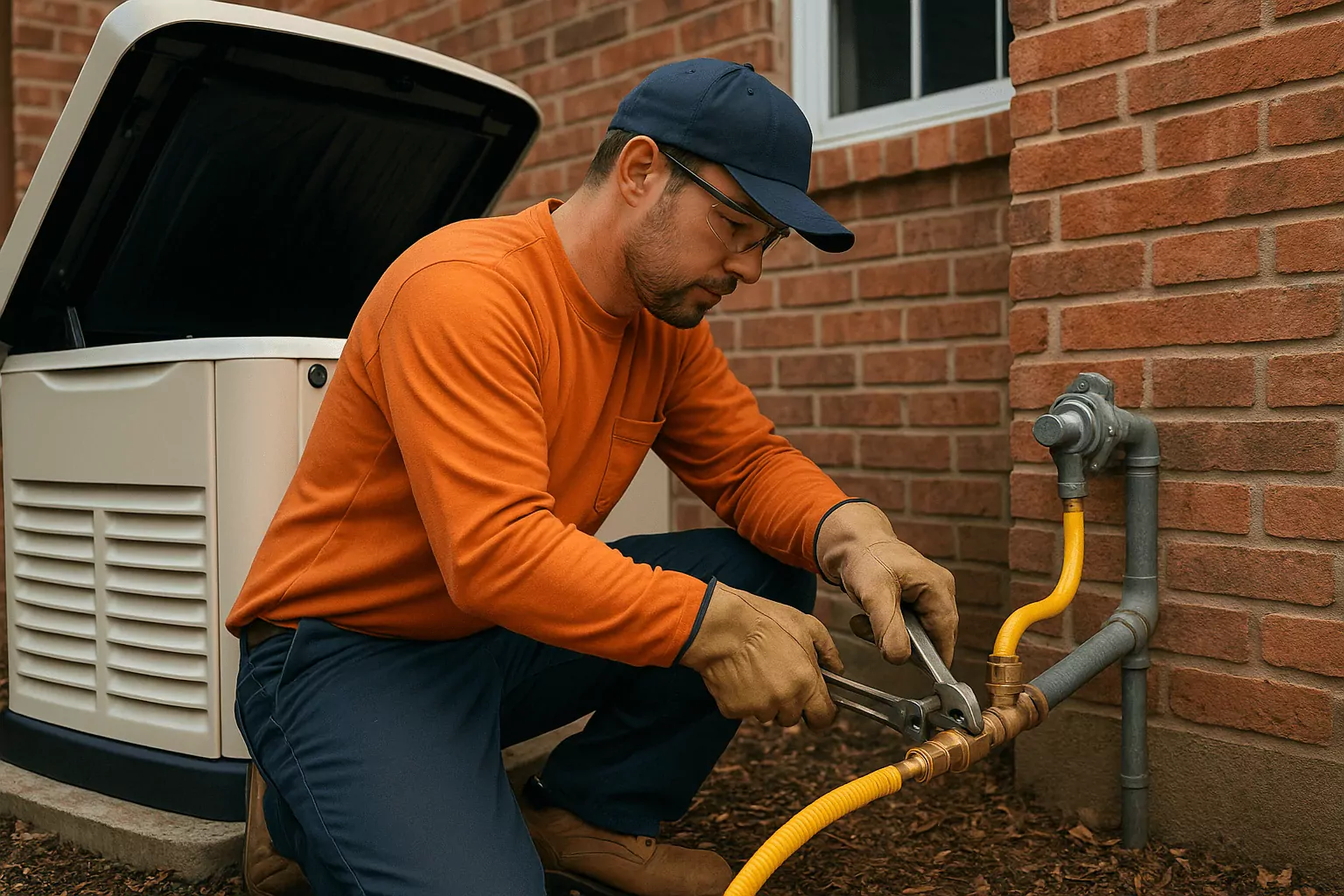
When outages strike, a standby generator is only as reliable as the fuel line feeding it. That is why homeowners and businesses researching generator gas line installation Port Arthur should understand the clear advantages of hiring a licensed professional. From safety and code compliance to long-term savings, expert installation removes uncertainty and delivers dependable performance when you need it most. Local conditions, soil types, and permitting requirements in Port Arthur add complexity that experienced installers manage every day. With the right design, materials, and pressure balancing, your generator starts faster, runs cleaner, and lasts longer. Explore how a professional approach safeguards your investment and protects your property during Gulf Coast storm season.
1. Safety and Code Compliance: generator gas line installation Port Arthur
Professional installers follow national and local codes that directly impact safety, including NFPA 54 (National Fuel Gas Code) and municipal permitting rules. During a typical project, a licensed technician will size the line, install approved shutoff valves, and pressure test the entire assembly to verify it is leak-free. This diligence helps prevent dangerous gas leaks and reduces the risk of carbon monoxide hazards around your home and family. In Port Arthur, inspectors verify workmanship and materials, so compliance is not optional; it is essential for a passing inspection and long-term peace of mind. By working with pros, you also get documentation and test results that support future service calls and potential warranty claims.
Safety-focused teams also consider appliance load, regulator placement, and ventilation around the generator pad. They plan for emergency access and include features like labeled shutoffs and drip legs to protect equipment. Installers select compatible thread sealants and corrosion protection methods that withstand coastal humidity and salt-laden air. They also route gas lines away from ignition sources and window openings while respecting required clearances from electrical equipment. The result is a system built for both everyday reliability and extreme weather scenarios, not a quick fix that could compromise your property and safety.
2. Consistent Performance and Correct Sizing for generator gas line installation Port Arthur
Generators are sensitive to fuel pressure and volume, so correct gas line sizing is critical to performance. A pro calculates total BTU demand, line length, and allowable pressure drop to determine the right pipe diameter and regulator configuration. Undersized lines cause slow starts, surging, or shutdowns under heavy load, particularly when multiple gas appliances run at once. By balancing the entire system, installers keep pressure stable during peak demand, so your generator can power HVAC, refrigeration, and essential circuits without hiccups. In one Port Arthur case, upsizing a long underground run eliminated nuisance shutdowns during summer heat waves and improved recovery time after automatic transfer.
Correct sizing also extends equipment life, since engines operate more efficiently when fuel pressure is consistent. Technicians verify meter capacity with the utility and arrange upgrades if the combined load warrants it. For properties without natural gas, pros design propane systems with the right tank size, regulator stages, and cold-weather vaporization capacity. These details ensure the generator delivers its rated output even when temperatures drop or multiple household appliances are in use. Precise calculations up front prevent costly callbacks, unnecessary component swaps, and long troubleshooting sessions later.
3. Durable Materials, Weather Resilience, and Proper Installation Methods
Port Arthur's coastal climate demands corrosion-resistant components and careful installation practices. Licensed installers choose approved materials such as coated steel for above-ground sections and polyethylene (PE) with tracer wire for underground runs. They respect burial depth, bedding, and backfill standards that protect the pipe from damage and shifting soils. Where vehicles or lawn equipment could strike the line, pros add bollards or sleeves to guard exposed sections. These measures help keep your generator's fuel supply secure through years of humidity, heavy rain, and seasonal storms.
Proper trenching, support, and expansion compensation also reduce stress points that cause leaks over time. Installers set isolation unions and dielectric fittings to prevent galvanic corrosion where dissimilar metals meet. They also ensure accessible, code-compliant transitions at risers and entries, simplifying future maintenance and inspections. For propane systems, stable pad placement, anchoring, and regulator shielding prevent wind-driven issues and water intrusion. A thoughtfully engineered system stands up to Gulf Coast conditions and protects your investment for the long haul.
4. Faster Permitting, Inspections, and Utility Coordination in Port Arthur
Experienced installers streamline the paperwork and scheduling that can hold up a project. They know Port Arthur's permit process, submittal requirements, and inspection checkpoints, which helps avoid delays. Coordinating with the utility for meter capacity checks or upgrades is routine for a pro, and that familiarity speeds approvals. Pros also manage Texas 811 locates and inspection timing so trenching, rough-in, and final connections proceed smoothly. Eliminating red tape and rework means your generator is ready before the next storm threatens the grid.
When questions arise, a licensed contractor can answer inspectors with code references and tested procedures. They provide as-built drawings, pressure test reports, and equipment documentation that make sign-off efficient. If your property presents unique challenges, such as tight setbacks or shared easements, their local experience pays off. Seamless coordination keeps the project on schedule while maintaining safety and quality outcomes. That combination is difficult to match with a DIY approach or an out-of-area provider unfamiliar with local rules.
5. Long-Term Savings, Warranties, and Peace of Mind
Professional installation can reduce lifetime costs by preventing fuel waste, leaks, and premature equipment wear. Correctly sized and routed lines help the generator run at its designed efficiency, lowering fuel consumption during extended outages. Solid workmanship also means fewer callbacks and emergency service visits after storm events. Many manufacturers expect or require professional installation to honor equipment warranties, which protects you if a covered issue arises. In short, the added value accumulates year after year, not just on day one.
Clear documentation, labeled components, and accessible shutoffs simplify future maintenance and any needed repairs. Pros can also bundle ongoing inspections, leak checks, and tune-ups that keep your system inspection-ready. If you plan to sell your home, having permits, test records, and a professional installation can boost buyer confidence. For businesses, reduced downtime and compliance records can support insurance and operational requirements. The result is confidence that your generator will start, run, and protect what matters when the lights go out.
From code-level safety to dependable performance, professional generator gas line installation in Port Arthur delivers measurable advantages. Proper sizing, durable materials, and thoughtful routing ensure your generator starts reliably and carries essential loads during outages. Local permitting expertise keeps projects moving, while quality workmanship reduces lifetime costs and supports warranty coverage. If you are researching options, start by choosing a licensed team familiar with Port Arthur and the Golden Triangle. For trusted help nearby, contact 409 Plumbing at 409-444-0066.
We proudly serve Orange, Beaumont, and Bridge City, and we regularly help neighbors in the greater Golden Triangle. To learn more about our gas line and generator services, explore our gas line services, schedule a visit via our contact form, or read our generator maintenance checklist. For a quick overview of your options, start with generator gas line installation Port Arthur and get personalized recommendations today.
Resources About Generator Gas Line Installation
- Review NFPA 54 guidelines at the National Fire Protection Association
- Llearn about permits via the City of Port Arthur Building Inspections
Frequently Asked Questions About Generator Gas Line Installation
Do I need a permit for generator gas line installation in Port Arthur?
Yes, most generator gas line projects in Port Arthur require a permit and inspection. A licensed installer prepares plans, submits the application, and coordinates required inspections with the city. This process verifies code compliance with standards like NFPA 54 and local amendments. Permits also provide a paper trail that supports future maintenance, resale disclosures, and insurance needs. Skipping permits can result in fines, delays, or rework, so professional handling is the fastest, safest route.
How long does professional installation typically take?
Most residential projects take one to three days of on-site work once permits are approved and materials are ready. The timeline depends on trench length, soil conditions, meter upgrades, and weather. A pro will often handle Texas 811 locates and plan inspections to minimize downtime. Utility coordination or complex routing can add time, but experienced teams compress schedules by sequencing tasks efficiently. With good planning, many homeowners are ready well before peak storm season.
Can I tap an existing gas line, or do I need a new dedicated run?
It depends on your existing system's capacity, length, and allowable pressure drop. A professional performs a load calculation to see whether your current meter and piping can support the generator plus other appliances. If not, they may recommend a dedicated line, upsized sections, or a meter upgrade for stable pressure. Improper taps can starve appliances, cause generator surging, or lead to shutdowns under load. The safest and most reliable approach is to let a licensed pro design the correct solution.
Registered Master Plumber Texas State Board of Plumbing Examiners
RMP #44702
Licensed and Bonded
Cities Serviced
409 Plumbing
Follow Us On
© 2026 409 Plumbing. All Rights Reserved.
Website Design and Hosting Provided by LocalBizBuzz,co