
24 Hour Service
Call 409-444-0066
The Ultimate Guide to Unclog Toilet Port Arthur TX: Common Causes and Solutions
Identify common toilet clogs in Port Arthur, TX, and discover practical solutions to get your bathroom back in working order.
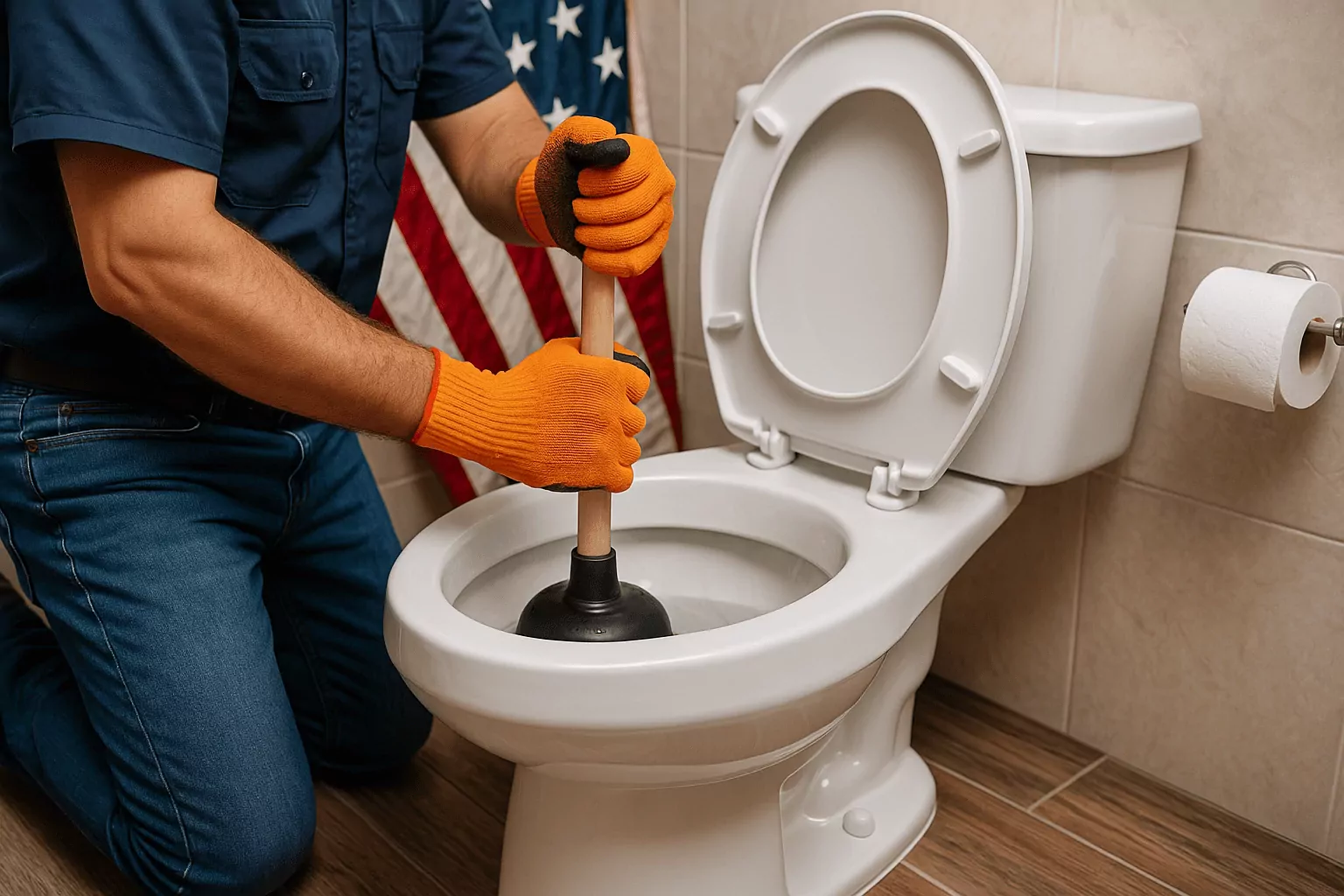
When you need to unclog toilet Port Arthur TX, quick, safe, and effective action matters. Clogs can happen suddenly, but the underlying causes are usually predictable and preventable if you know what to look for. In this guide, you will learn the most common reasons toilets clog in Southeast Texas homes, DIY fixes that actually work, and when to call a professional. We will also share local insights from nearby communities like Orange, Beaumont, and Bridge City, so your approach matches our region's plumbing realities. For easy navigation and support, you can always tap this resource on how to unclog toilet Port Arthur TX and connect with our team for help. By the end, you will have a practical plan to clear blockages, protect your plumbing, and keep your household running smoothly. If you need immediate assistance, 409 Plumbing is just a call away at 409-444-0066.
Common causes that lead you to unclog toilet Port Arthur TX
Most toilet clogs in Port Arthur and surrounding areas start with materials that do not break down quickly in water. The biggest offenders are wipes labeled as flushable, feminine hygiene products, paper towels, cotton swabs, and excessive toilet paper. In older homes, partial obstructions in cast-iron or clay lines can also catch debris and make minor clogs recur more often. Hard water mineral buildup and scale can narrow trapways in fixtures, reducing flush performance over time. Add in the occasional toy or foreign object, and even a healthy toilet can back up. Recognizing these patterns helps you act before a small restriction becomes a full blockage.
Local conditions can also play a role in why homeowners need to unclog toilet Port Arthur TX more frequently. Tree roots are aggressive in Southeast Texas soils and can squeeze into tiny cracks in sewer laterals, creating a snag point for paper and organic matter. Heavy rains may stress municipal systems or saturate ground around septic tanks, causing sluggish drains and intermittent toilet backups. We saw this with a Port Arthur family near Griffing Park where a slow, recurring clog turned out to be a small root intrusion combined with heavy paper usage. After clearing the line and coaching the family on better flushing habits, the problem disappeared. A mix of awareness and basic maintenance can dramatically cut clog frequency.
Step-by-step DIY methods to unclog toilet Port Arthur TX safely
Start with safety and the right tools before you attempt any DIY unclogging. Wear gloves and eye protection to avoid exposure to wastewater and germs, and keep the bathroom well ventilated. A quality flange plunger that forms a seal in the toilet trap is the first-line tool for most home clogs. Add a small amount of water to submerge the plunger bell and use controlled push-pull motions to dislodge the blockage. If the water level rises toward the rim, stop, wait for it to settle, and try again with a better seal. For health guidance during cleanup, review these recommendations from the CDC on sewage exposure: CDC - Wastewater and sewer safety.
Next, try a gentle soap-and-hot-water method to break friction in the trapway. Shut off the water at the valve behind the toilet if the bowl is near full, then remove some water with a small container. Squirt a generous amount of dish soap into the bowl and wait 10 minutes to lubricate the passage. Carefully add 1 to 2 gallons of hot (not boiling) water from waist height to create downward pressure. Then use the plunger again and check for drainage improvement. If you prefer a quick checklist, follow these steps:
If plunging fails, a toilet auger is the next safe option for many homeowners. Feed the auger gently and rotate to capture or break apart soft clogs, taking care not to scratch the porcelain. Enzyme-based drain treatments can help maintain lines after you restore flow, but they work best as a preventative, not a quick fix. Avoid chemical drain cleaners in toilets because they can damage glazing, harm rubber seals, create dangerous fumes, and are not septic-friendly. If these steps do not resolve the clog or you see water backing up in other fixtures, it is time to call a professional for a deeper diagnosis. Persistent or multi-fixture backups usually indicate a mainline or vent issue beyond DIY scope.
When to call 409 Plumbing for professional help to unclog toilet Port Arthur TX
There are clear red flags that mean you should stop DIY and bring in a licensed plumber. If your toilet backs up repeatedly within days, or if tub and sink drains gurgle while flushing, the issue is likely in the mainline or vent stack. Sewage odors, wet spots in the yard, or water rising in the shower during toilet use are also signs of a deeper blockage. Homes with older cast-iron laterals or large trees near the sewer path are especially prone to root intrusion and line offsets. In Port Arthur and neighboring Orange, Beaumont, and Bridge City, soil movement after heavy rains can shift lines and create trouble spots. Professional inspection prevents damage, reduces guesswork, and saves time.
409 Plumbing uses proven diagnostic tools such as camera inspections to pinpoint the clog source before recommending a fix. Depending on the cause, we may recommend augering, hydro-jetting, spot repairs, or root treatment to restore reliable flow. Many simple residential toilet clogs can be cleared quickly, while mainline blockages may require more time and specialized equipment. Transparent communication about scope and cost helps you make confident decisions for your home and budget. We recently assisted a Beaumont homeowner with repeated toilet backups that turned out to be a collapsed clay pipe segment; a targeted repair solved the problem permanently. By addressing the root cause, you avoid the frustration of short-lived solutions.
When you are ready for expert help, contact our local team for fast, courteous service. Explore our services to see how we handle diagnostics, drain cleaning, and sewer repairs, and request an appointment through our contact form. If you are dealing with an urgent backup, check our emergency plumbing information and call 409-444-0066 for rapid dispatch. We service homes across Port Arthur, Orange, Beaumont, and Bridge City, and we treat your home with the care we would give our own. For more helpful tips and homeowner guides, visit our blog anytime. The sooner you act, the easier and more affordable the fix usually becomes.
To successfully unclog toilet Port Arthur TX, start with proper tools, safe techniques, and a clear understanding of what causes blockages in our region. A good flange plunger, a careful soap-and-hot-water approach, and, if necessary, a toilet auger resolve most simple clogs. When clogs recur, affect multiple fixtures, or follow heavy rains, professional diagnostics can save time and protect your home from damage. 409 Plumbing provides prompt, expert service backed by local knowledge of Southeast Texas plumbing systems and soils. Call 409 Plumbing at 409-444-0066 or visit our contact form to schedule service today. We proudly serve Port Arthur, Orange, Beaumont, and Bridge City.
Frequently Asked Questions About Unclogging a Toilet
What is the best type of plunger to unclog a toilet, and how do I use it correctly?
A flange plunger, sometimes called a toilet plunger, is best because its extended rubber sleeve fits into the toilet trap for a tight seal. Start by ensuring the plunger bell is fully submerged to prevent air burping that reduces force. Place the plunger straight over the drain opening, press down gently to expel air, then use firm push-pull strokes without breaking the seal. Do 10 to 15 cycles, pause, and observe whether the water level drops or the clog releases. Add dish soap and hot water if needed to reduce friction and try again. Clean and disinfect the plunger after use, and store it in a ventilated area.
Is it safe to use chemical drain cleaners in a toilet?
It is not recommended to use chemical drain cleaners in toilets because they can damage porcelain glazing, degrade rubber gaskets, and create hazardous fumes. These products also do little against solid obstructions like wipes or foreign objects and can linger in the bowl, posing risk during future maintenance. If you have a septic system, harsh chemicals can disrupt beneficial bacteria and reduce system performance. Instead, use a flange plunger, a toilet auger, and enzyme-based maintenance products after restoring flow. If repeated issues persist or chemicals have already been used without success, it is safer to call a professional. For broader safety guidance around wastewater, review the CDC's recommendations here: CDC - Wastewater and sewer safety.
Why do toilets clog or back up more often during heavy rains in Southeast Texas?
During intense rain, groundwater can infiltrate older sewer lines through cracks or joints, increasing flow and reducing system performance. In some neighborhoods, saturated soil around septic systems can slow absorption, causing toilets and drains to run sluggishly or back up. If municipal mains are stressed, you might notice gurgling, slow drains, or wastewater returning to low fixtures like tubs or showers. These symptoms often point to issues beyond the toilet itself, so plunging may only provide temporary relief. Limit water use during the event, avoid flushing large amounts of paper, and watch for wastewater in other fixtures. If problems persist after the rain, schedule a camera inspection to check for line damage or root intrusion.
What should never be flushed if I want to avoid future clogs?
Aim to flush only human waste and toilet paper, preferably in modest amounts. Never flush wipes, even if labeled flushable, because they do not break down quickly and can snag in pipes and pumps. Keep feminine products, paper towels, diapers, cotton swabs, floss, hair, and cat litter out of the toilet. Store bathroom trash within easy reach and consider a child safety latch if you have curious toddlers or pets. Choosing septic-safe, 1- or 2-ply paper and teaching household members good flushing habits go a long way. For additional water-smart fixture guidance, see EPA WaterSense resources here: EPA WaterSense.
Registered Master Plumber Texas State Board of Plumbing Examiners
RMP #44702
Licensed and Bonded
Cities Serviced
409 Plumbing
Follow Us On
© 2026 409 Plumbing. All Rights Reserved.
Website Design and Hosting Provided by LocalBizBuzz,co