
24 Hour Service
Call 409-444-0066
The Ultimate Guide to Professional Toilet Installation
in Port Arthur TX
Step-by-step tips for homeowners and contractors to achieve seamless toilet installations in Port Arthur, TX.
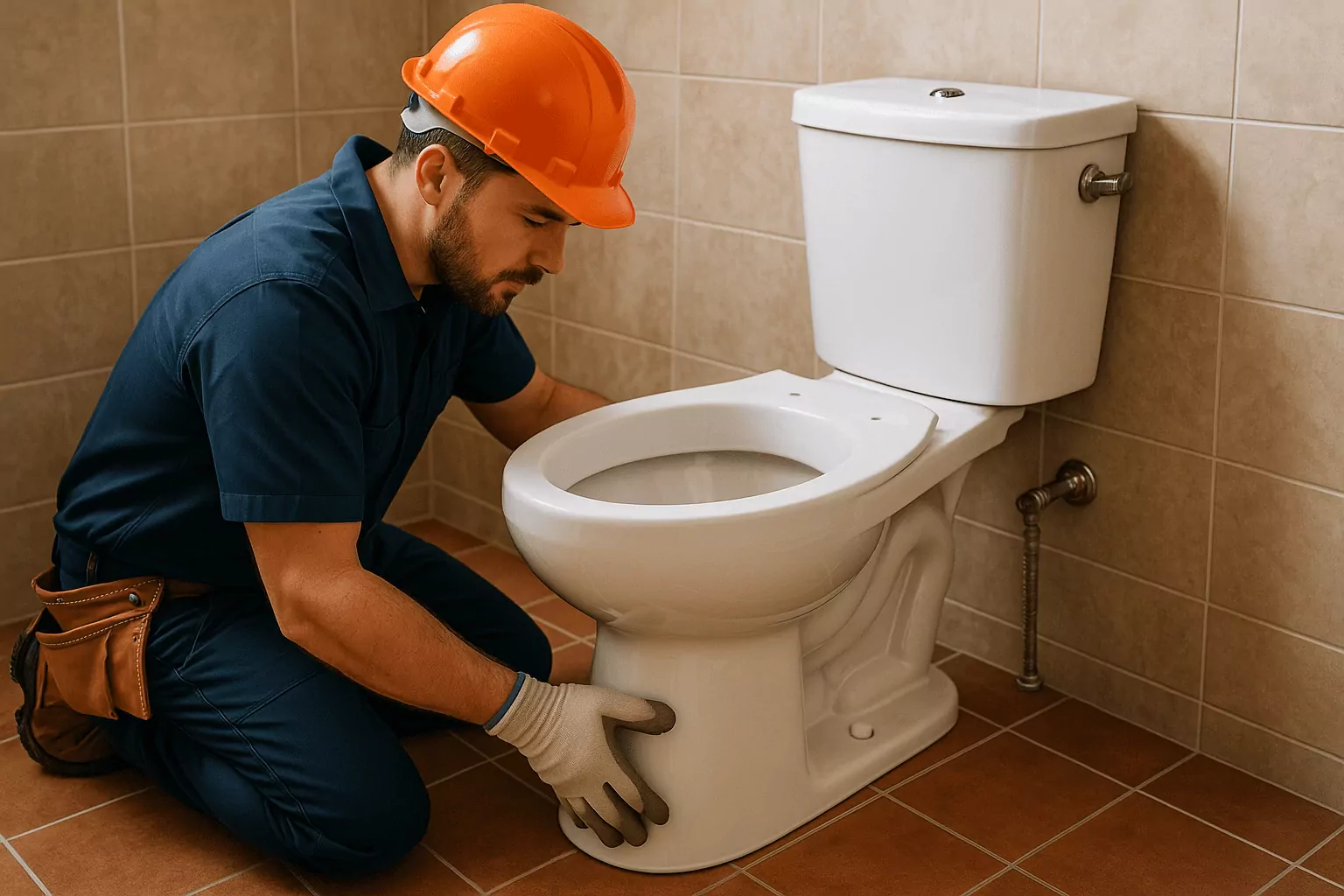
Scheduling professional toilet installation in Port Arthur TX is one of those home upgrades that pays off immediately in comfort, water savings, and peace of mind. Between the Gulf Coast humidity, slab foundations, and older plumbing in many neighborhoods, a careful installation can prevent leaks that lead to mold or costly subfloor damage. With a licensed plumber, you get code compliance, correct flange height, and a rock solid seal that keeps sewer gas out and water where it belongs. This guide explains how pros handle the work, how to choose the right toilet, and what it really costs in Southeast Texas. You will learn practical steps to prepare your bathroom, pitfalls to avoid, and how to vet a reputable installer. Whether you are replacing a dated unit or upgrading to a WaterSense high efficiency model, the insights below will help you plan a smooth, stress free project.
What professional toilet installation Port Arthur TX really involves
A licensed plumber begins by confirming the rough in measurement, checking shutoff valves, and protecting floors for debris removal. The technician drains and removes the old toilet, inspects the closet flange for corrosion or cracks, and verifies that the waste line has proper integrity. In many Port Arthur slab homes, flange height is critical because a low flange can cause rocking and premature wax ring failure. Pros will repair or raise the flange as needed and choose the right seal type for your floor and drain condition. They then set the bowl true and level, torque closet bolts correctly, and connect a new supply line that does not drip under pressure.
After setting the tank and verifying manufacturer torque specs, the plumber performs multiple leak checks under static and dynamic pressure. This includes dye testing the bowl for slow leaks, inspecting around the base for moisture, and confirming the shutoff valve closes cleanly. The pro also looks for hidden issues such as hairline cracks in porcelain or micro seepage at the tank to bowl gasket. In homes with older galvanized lines, they may recommend a valve upgrade to avoid future failures. Finally, they caulk strategically to keep cleaning water out while leaving a rear gap for leak detection as many building departments recommend.
Here is a quick example from a recent project on a humid coastal property where a homeowner had recurring base moisture. The prior install used a stacked wax ring to make up for a low flange, which compressed unevenly and leaked during high usage. The professional corrected the flange height with a repair ring, used a compatible seal for the new elevation, and leveled the bowl to prevent rocking. After replacing the aging supply valve and line, the system passed pressure tests and the moisture issue disappeared. That is the difference a detailed professional toilet installation Port Arthur TX makes when local conditions demand precision.
How to prepare your home and select the right toilet for Port Arthur conditions
Preparation reduces surprises on installation day and shortens the time your bathroom is offline. Start by measuring the rough in from the finished wall to the closet bolt centerline, which is typically 12 inches but can be 10 or 14 inches in older homes. Clear a path from the entryway to the bathroom and remove rugs or decor that could be damaged. If you have only one bathroom, discuss a timeline with your plumber so you can plan around water shutoff windows. It also helps to locate the main shutoff in case the supply valve fails when opened or closed during the swap.
Selecting the right toilet is about more than style or price, especially with Southeast Texas water quality and humidity. Look for EPA WaterSense labeled models for efficient 1.28 gpf or dual flush options that save water without sacrificing performance. Elongated bowls improve comfort and ADA height options can help with mobility for multi generational households. Consider a glazed trapway and proven flush technology to handle local usage patterns without frequent clogs. For reliability, review independent testing and manufacturer warranties, and verify parts availability through local distributors.
One more tip for Port Arthur and surrounding areas is to address ventilation and condensation proactively. High humidity combined with cold water refills can cause tank sweating, which drips onto floors and mimics a leak. Solutions include insulated tanks, mixing valves that temper refill water, or simply improving bathroom ventilation. Your plumber can advise on the most practical option based on your home and budget. If you want help picking a model and planning the install, explore our plumbing services or read buyer tips on our blog to compare features before you buy.
Costs, timelines, and choosing a licensed installer for professional toilet installation Port Arthur TX
Most straightforward replacements take 1 to 2 hours once on site, while repairs like flange resets or valve upgrades can extend the visit. Pricing depends on the toilet selected, scope of any needed repairs, and accessibility in tight baths or multi story homes. Expect a transparent estimate that separates fixture cost, labor, disposal, and any repair parts required. Ask your plumber whether old toilet haul away, wax or seal, supply line, and caulk are included. For budgeting, remember that a quality installation prevents water damage that can cost far more than the initial service fee.
Always confirm you are working with a Texas licensed plumber who carries current insurance and stands behind their work. You can verify licensing through the Texas State Board of Plumbing Examiners at tsbpe.texas.gov and ask for proof of general liability coverage. Read local reviews for evidence of punctuality, cleanliness, and post install support, and request references if your project involves repairs beyond a simple swap. A written warranty on workmanship and clear communication about arrival windows are strong trust signals. If you are comparing bids, be wary of unusually low prices that may skip necessary flange or valve fixes.
Homeowners often ask whether they need permits for a like for like toilet replacement. Requirements can vary, but many Texas jurisdictions do not require a homeowner permit for simple fixture replacements performed by a licensed plumber. If a drain, vent, or water line is being altered, permitting rules can change, so always confirm with your local authority. Your installer should know current codes and best practices to keep your project compliant and safe. When you are ready to schedule, call 409 Plumbing or use our contact form to book a convenient service window.
When you want a leak free, code compliant result that lasts, investing in professional toilet installation in Port Arthur TX is the smartest move. From confirming the rough in to choosing the right seal and testing under pressure, a pro safeguards your home and wallet. Use this guide to prepare your space, select a high performing WaterSense model, and hire a licensed installer you can trust. If you are in Orange, Beaumont, Bridge City, or nearby Southeast Texas, 409 Plumbing is ready to help with prompt, careful service. Call 409 Plumbing at 409-444-0066 or visit our contact form to schedule your installation today. We are proud to serve homeowners across the region with dependable craftsmanship and clear communication.
Frequently Asked Questions About Professional Toilet Installation
How long does professional toilet installation in Port Arthur TX take, and what can delay it?
A standard like for like toilet replacement typically takes 60 to 120 minutes after your plumber arrives and begins prep. Delays commonly arise from corroded shutoff valves that will not close, damaged closet flanges, or uneven floors that require leveling. If the previous toilet was set on stacked wax or the flange sits below finished floor height, your plumber may need a repair ring or spacer. These fixes add time but are essential to prevent rocking, leaks, and sewer gas odors. Communicate any known issues up front, like past leaks or weak flooring, so your pro can arrive with the right materials.
Do I need a permit to replace a toilet in Port Arthur TX?
For a direct replacement where no drain, vent, or supply piping is altered, many Texas cities allow licensed plumbers to perform the work without a homeowner permit. That said, local rules can change, and multi unit or commercial settings often have stricter requirements. When in doubt, check with your building department and ensure your installer follows current codes and manufacturer instructions. You can also verify that your contractor is licensed through the Texas State Board of Plumbing Examiners at tsbpe.texas.gov. If you are upgrading to a WaterSense model, learn more about efficiency standards at the EPA site here: epa.gov/watersense.
Should I choose a wax or waxless seal for my toilet in Southeast Texas?
Both wax and waxless seals can perform well when installed correctly on a sound, level flange at the right height. Wax has been used for decades and provides an excellent seal, but it is not reusable and can be messy if a toilet must be repositioned. Waxless options use foam or rubber that can be more forgiving during placement and are useful when floors are uneven or flanges are slightly low. In humid Gulf Coast conditions, the bigger factor is stabilizing the toilet to prevent rocking that breaks any seal. Your plumber will evaluate flange condition and floor level to recommend the best sealing method for your specific bathroom.

Registered Master Plumber Texas State Board of Plumbing Examiners
RMP #44702
Licensed and Bonded
Cities Serviced
409 Plumbing
Follow Us On
© 2026 409 Plumbing. All Rights Reserved.
Website Design and Hosting Provided by LocalBizBuzz,co