
24 Hour Service
Call 409-444-0066
The Importance of Using a Qualified Natural Gas Plumber in Vidor
Hiring a qualified natural gas plumber in Vidor ensures safety, compliance, and peace of mind for homeowners and businesses.
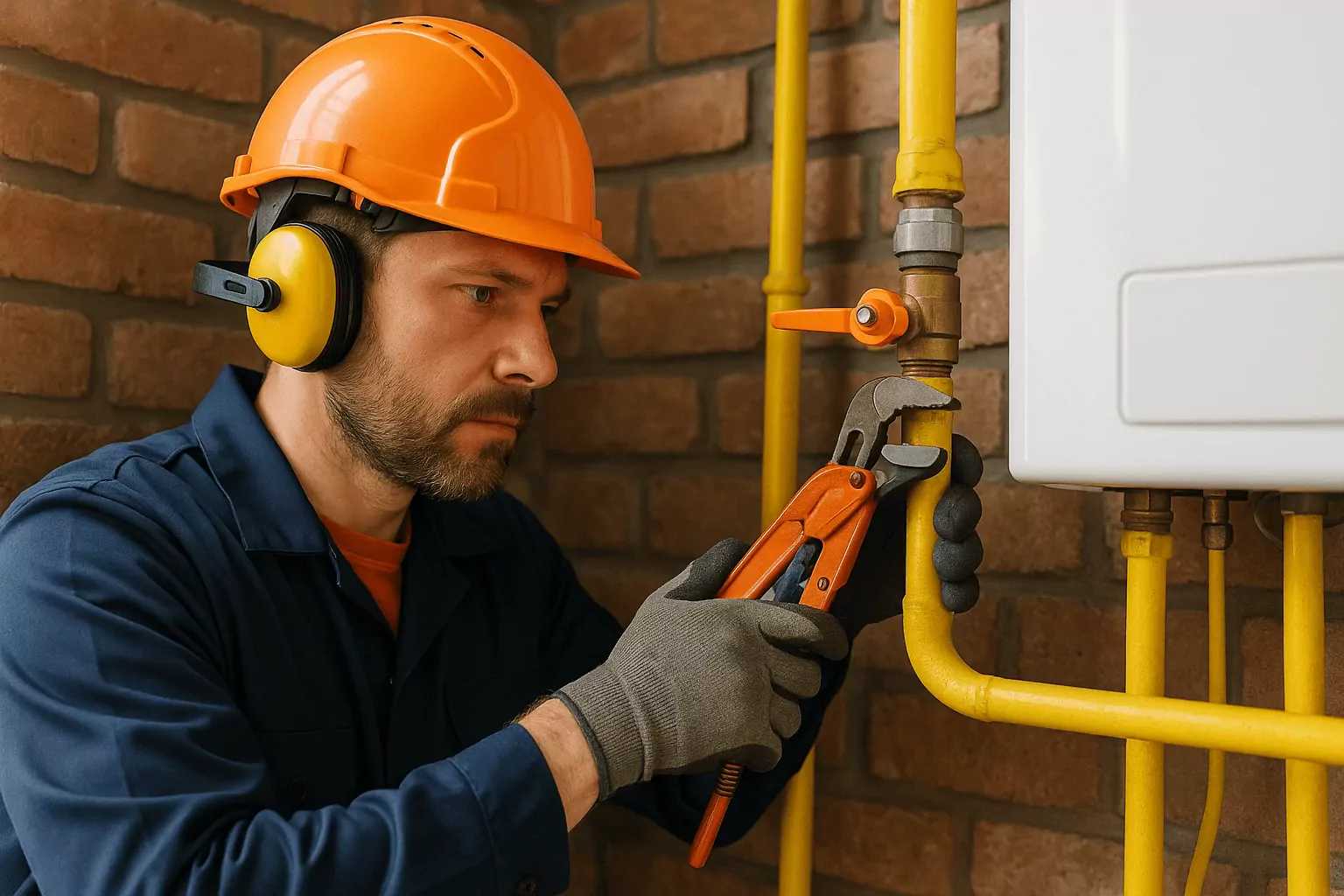
When it comes to gas lines, appliances, and leak repairs, choosing a qualified natural gas plumber in Vidor is not just a smart decision but a safety essential. From permits and pressure testing to code-compliant installations, the right professional protects your property and your family. If you are searching for a trusted natural gas plumber Vidor, understanding what to look for will help you avoid costly mistakes. In this guide, we explain how licensing, safety standards, and local expertise translate into secure, efficient service. We will also share real-world examples from Southeast Texas and outline steps you can take today to safeguard your home or business. By the end, you will know how to evaluate providers, what questions to ask, and when to schedule preventative maintenance.
Why hiring a licensed and insured natural gas plumber Vidor protects your home
Natural gas work requires specialized training because leaks, poor ventilation, or improper fittings can lead to fires, explosions, or carbon monoxide exposure. A licensed and insured natural gas plumber Vidor follows Texas codes, obtains permits when required, and documents pressure tests for peace of mind. In Texas, oversight from the Texas Railroad Commission helps ensure safety practices are followed, which is why verifying credentials is vital. Licensed professionals also keep up with standards such as NFPA 54, ensuring correct appliance connector sizing, shutoff valve placement, and CSST bonding. This diligence results in dependable performance and fewer callbacks once the system is in use.
Consider a recent case where a Vidor homeowner converted a propane water heater to natural gas without the correct orifice and regulator adjustments. The appliance sooted up within weeks, efficiency plummeted, and the risk of incomplete combustion increased. After calling a qualified natural gas plumber Vidor, the system was correctly converted, venting was verified, and a combustion analysis confirmed safe operation. The difference in utility bills became evident within the next billing cycle, and hot water delivery improved. This kind of outcome is typical when trained professionals handle conversions and upgrades.
Insurance is another crucial layer of protection you should not overlook. If an unlicensed contractor makes a mistake that causes damage, you may face denied claims or expensive repairs out of pocket. A reputable provider will gladly share license numbers and proof of insurance before starting work. They will also encourage inspections where appropriate and coordinate with city or county officials as needed. Asking for documentation up front is a simple step that prevents major headaches later.
Code compliance and safety standards every natural gas plumber Vidor should follow
Code compliance is not red tape; it is a roadmap for safe performance under everyday conditions and severe weather. A qualified natural gas plumber Vidor will size gas lines according to BTU load and length, select approved materials, and ensure proper burial depth where exterior piping is used. They will perform leak checks with a manometer and gas sniffer, then document static and operating pressures for your records. Venting clearances, combustion air, and appliance terminations are all verified against current standards. When each detail is addressed, you minimize risk and maximize system lifespan.
In one small restaurant near Vidor, repeated pilot light outages plagued the kitchen during rush hours. The issue turned out to be a mis-sized branch line starving multiple appliances whenever all burners were active. After a professional assessment, the gas main was upsized, regulators were recalibrated, and appliance connectors were replaced with code-listed components. The result was steady flame performance and consistent cooking temperatures, which boosted both food quality and staff confidence. Proper line sizing and regulator selection made all the difference in daily operations.
Quality control extends to specialty components like corrugated stainless steel tubing (CSST), which requires bonding to reduce lightning-related risks. A seasoned natural gas plumber Vidor ensures bonding clamps and conductors meet local electrical codes and that tracer wire is installed with underground plastic lines for easy locating. Shutoff valves must be accessible and labeled, and sediment traps placed to protect appliance gas valves. These seemingly small details prevent nuisance failures and increase system reliability. When your installer prioritizes these standards, ongoing maintenance becomes simpler and safer.
Preventing leaks and emergencies with a proactive natural gas plumber Vidor
Preventative maintenance is the easiest way to avoid emergency calls and protect your investment. A dependable natural gas plumber Vidor will develop a seasonal checklist so you can spot warning signs early, like unusual odors, hissing near fittings, or yellow-tipped flames. During inspections, pros verify fittings, test for leaks, check appliance connectors for kinks, and confirm regulators are venting correctly. They also review carbon monoxide detector placement and test operation to add another layer of safety. Preventative steps reduce downtime, protect against weather-related stress, and extend equipment life.
Homeowners often benefit from simple upgrades that tighten safety and improve efficiency. For example, replacing older connectors with modern, listed components and adding shutoff valves at each appliance can make servicing faster and safer. Installing seismic or excess flow valves may provide additional protection where appropriate, and labeling gas lines helps future technicians complete work quickly. If you are planning renovations, your natural gas plumber Vidor can advise on routing, sizing, and manifold design for new appliances. These consultative services prevent expensive rework once walls are closed.
When emergencies happen, speed and process matter. Reputable providers have clear protocols for leak response, including immediate shutoff, ventilation, and systematic testing before restoring service. They will coordinate with the utility if a meter shutoff or lockout is required and document all findings. After the immediate hazard is addressed, a root-cause analysis helps prevent recurrence, whether the issue was a damaged line, corrosion, or appliance malfunction. This disciplined approach turns a stressful situation into a controlled recovery.
Choosing the right natural gas plumber Vidor: Questions to Ask and Red Flags
Selecting a contractor is easier when you know what to look for. Start by asking for license information, proof of insurance, and recent references from Vidor or nearby cities like Orange, Beaumont, and Bridge City. Request a written scope of work with materials, testing procedures, and permit requirements clearly outlined. A trustworthy natural gas plumber Vidor will welcome questions and explain options for repairs or upgrades in plain language. If a bid seems vague or significantly under market, treat it as a warning sign.
Transparency extends to pricing and scheduling. Reputable companies provide itemized estimates that describe line sizing, regulator models, connector types, and testing methods. They also outline potential contingencies, such as soil conditions for exterior trenching or meter upgrades needed for added BTU load. When the process is mapped out, you can budget accurately and avoid surprises. This clarity is especially helpful when planning appliance additions like standby generators or outdoor kitchens.
Finally, look for local expertise and a track record of responsive service. A skilled natural gas plumber Vidor understands local soil, weather, and utility practices, which influences trench depth, corrosion protection, and meter set coordination. They maintain communication with inspectors and utility personnel to streamline approvals. Their crews arrive with the right tools, including leak detectors, manometers, and pipe-threading equipment, which reduces downtime. Local knowledge and preparedness translate into safer, faster, and more reliable outcomes.
Working with a qualified natural gas plumber in Vidor gives you confidence that every fitting, valve, and appliance is installed and tested to current standards. From permitting to pressure testing, expert process reduces risk while improving efficiency and long-term reliability. Whether you are addressing a suspected leak, planning an appliance upgrade, or building an outdoor kitchen, professional guidance saves time and money. For service you can trust in Vidor and nearby cities like Orange, Beaumont, and Bridge City, contact 409 Plumbing at 409-444-0066. Visit our services page to explore gas line installation, leak detection, and appliance hookups, or use our contact form to schedule an inspection. You can also read safety tips and home guides on our blog and consult authoritative resources like the Texas Railroad Commission, NFPA 54, and the CDC on carbon monoxide safety. 409 Plumbing is ready to help you protect your property and keep your gas systems running safely.
Frequently Asked Questions About Natural Gas Plumbers
Do I really need permits and inspections for gas work in Vidor?
Yes, permits and inspections are critical for safety, insurance, and code compliance. A qualified natural gas plumber Vidor will pull permits where required and schedule inspections to verify proper installation. This ensures gas line sizing, materials, and testing meet current standards, protecting you from hazards and future code issues. Documentation can also be valuable when selling a property or filing insurance claims. Skipping permits may seem faster, but it can lead to expensive corrections and potential liability.
How do I know if I have a gas leak, and what should I do?
Common signs include a sulfur or rotten egg smell, hissing near fittings, or dead vegetation along an exterior gas line. If you suspect a leak, leave the area immediately, avoid using electrical switches or phones inside, and call your utility or a professional. A certified natural gas plumber Vidor will use a gas sniffer and manometer to locate and confirm the leak source. They will then repair or replace affected sections and verify the system with pressure testing. Do not re-enter until a professional confirms it is safe.
Can a natural gas plumber help convert appliances or add new gas lines?
Absolutely, and it is best handled by a licensed professional for safety and efficiency. A natural gas plumber Vidor will size lines for new BTU loads, select proper regulators, and verify venting and combustion air for appliances like ranges, water heaters, furnaces, and generators. They will also perform conversions from propane to natural gas by changing orifices and adjusting regulators as specified by the manufacturer. After installation, they will pressure test and check for leaks before putting the system in service. This comprehensive approach ensures reliable performance and code compliance.

Registered Master Plumber Texas State Board of Plumbing Examiners
RMP #44702
Licensed and Bonded
Cities Serviced
409 Plumbing
Follow Us On
© 2026 409 Plumbing. All Rights Reserved.
Website Design and Hosting Provided by LocalBizBuzz,co