
24 Hour Service
Call 409-444-0066
The Importance of Regular Maintenance for Residential Gas Line Services in Orange
Regular maintenance of residential gas lines in Orange ensures safety, efficiency, and peace of mind for homeowners.
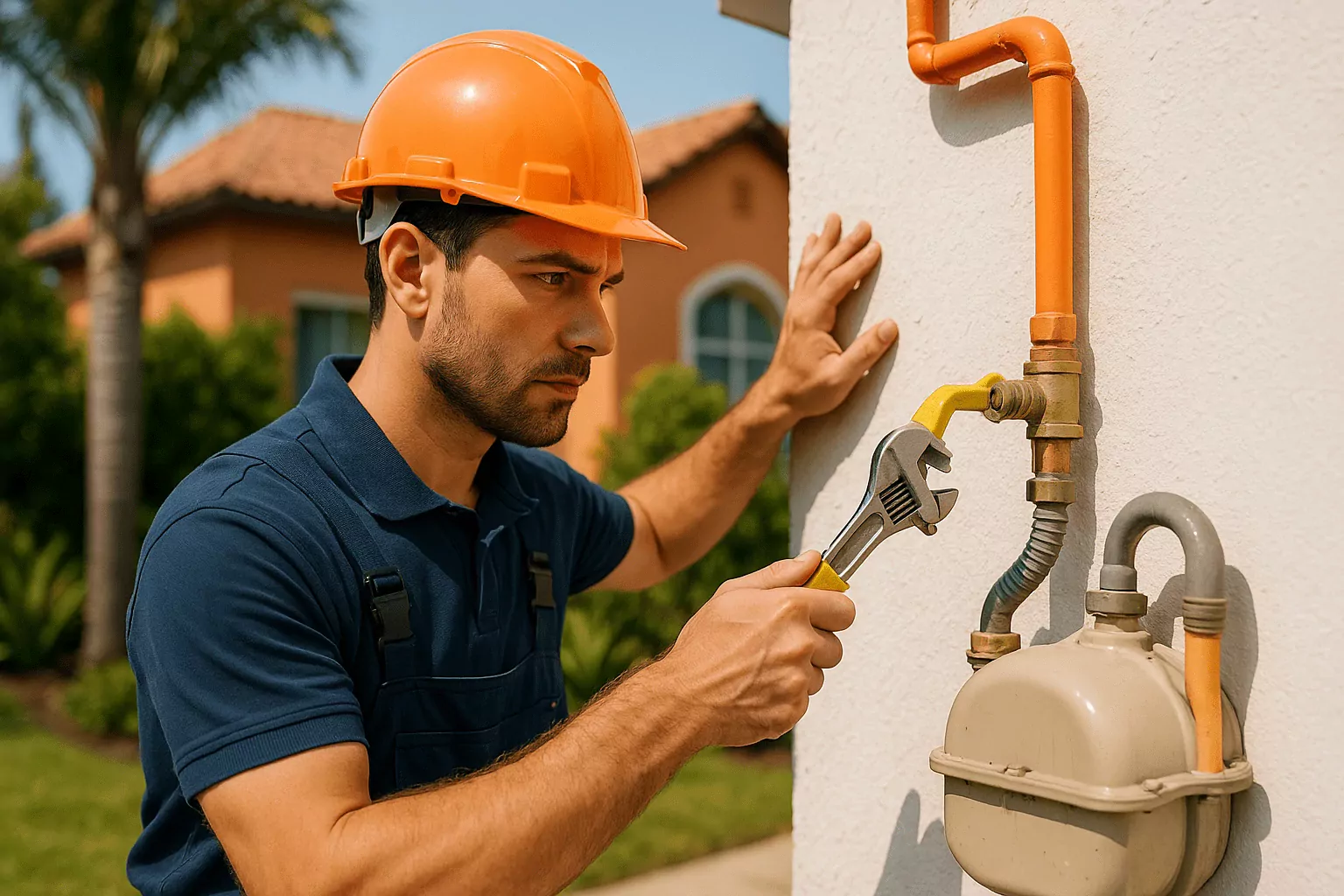
When it comes to home safety and efficiency, few systems are as critical as your gas supply, which is why regular maintenance for residential gas line services Orange matters. Proactive care helps prevent leaks, protects your appliances, and keeps utility costs under control throughout Orange, TX. With the Gulf Coast climate and shifting soils in Southeast Texas, small issues can escalate quickly without routine inspections. Homeowners who schedule periodic checks are less likely to face sudden outages, carbon monoxide risks, or code violations that delay home projects. Partnering with a licensed local team ensures your pipes, valves, and connectors are working as designed. To get started or learn what is included, explore our gas line repair and maintenance services and see how we tailor plans to your home.
Why preventive maintenance for residential gas line services Orange protects your home
Preventive maintenance reduces the likelihood of hazardous leaks and keeps your gas delivery stable. In Orange and surrounding areas, humidity and soil conditions can accelerate corrosion and put stress on buried lines or rigid connections. Routine pressure checks and visual inspections catch pinhole leaks, loose unions, or aging appliance connectors before they become emergencies. With an annual plan, homeowners get documentation for insurance and peace of mind that each component meets current codes and manufacturer guidelines.
A recent homeowner in Orange noticed a faint sulfur odor near a water heater after a stretch of rainy weather. Our technicians at 409 Plumbing performed a low-pressure decay test and pinpointed a small leak at a corroded union. We replaced the union, added a sediment trap, and verified appliance BTU demands against line sizing for better performance. The fix took less than a day and prevented a possible emergency call and extensive drywall repairs. This type of catch is common when maintenance is scheduled before peak heating or cooking seasons.
Key maintenance tasks and schedules for residential gas line services Orange
A strong maintenance plan starts with a thorough inspection of exposed piping, meter sets, and appliance connections. Technicians check flex connectors for kinks or corrosion, verify shutoff valve operation, and confirm sediment traps are installed and clean. A pressure or soap-bubble test is performed at strategic points to reveal even tiny leaks. If your home uses CSST, proper bonding and grounding are verified to comply with manufacturer and code requirements.
In Southeast Texas, we suggest at least one comprehensive check per year, ideally before heavy usage periods. Schedule an additional inspection after major storms, foundation work, or any remodeling that may affect gas routing. During each visit we document appliance BTU loads, regulator settings, and line sizing for future reference. You receive a clear report with findings, photos, and prioritized recommendations. To plan your visit, contact our team through our contact form and ask about seasonal specials for Orange, Beaumont, and Bridge City homeowners.
Early detection and common warning signs in residential gas line services Orange
Knowing the warning signs helps you act quickly and safely. The most recognizable indicator is a sulfur or rotten egg smell added to natural gas for detection. You may also hear hissing near a line, notice dead vegetation over buried routes, or experience recurring pilot light outages. An unexplained increase in your gas bill or sooty burner flames can also point to a problem. If you suspect a leak, leave the area, avoid switches and lighters, call your gas utility or 911, and then reach out to a licensed plumber for repairs.
In Bridge City, shifting clay soils with seasonal moisture changes can stress fittings and buried lines. We recently used a calibrated pressure decay test to identify a persistent micro-leak in a patio line feeding an outdoor grill station. Our team excavated carefully, replaced compromised fittings, installed tracer tape for future locates, and re-tested the system. Taking swift action averted potential ignition risks and restored confidence in the system.
Professional inspections, permitting, and cost-smart choices for residential gas line services Orange
Code-compliant work saves money and trouble over the long term. Licensed technicians follow the International Residential Code and local amendments when sizing lines, placing shutoff valves, and pressure-testing systems. For additions like outdoor kitchens, pool heaters, or whole-home generators, we pull or coordinate necessary permits and handle required inspections. Professional documentation demonstrates that your system was tested and verified at the right pressures and with approved materials. If you need guidance now, see this overview of gas leak detection best practices or schedule a consultation.
Planned maintenance is typically far less expensive than emergency service and property restoration. A small leak can escalate into drywall damage, appliance failure, or landscaping repairs if ignored. With a maintenance visit, you receive prioritized options that fit your budget and risk tolerance. Many homeowners in Orange, Beaumont, and Bridge City bundle inspections with appliance installs to save on repeat trips. For personalized recommendations, start with our residential gas line services Orange and request a tailored plan for your home.
Regular inspections and tune-ups keep your gas system safe, efficient, and ready for daily life in Southeast Texas. By planning maintenance for residential gas line services Orange, you lower your risk of leaks, improve appliance performance, and stay aligned with local codes. Homeowners who act early also save money by avoiding emergency calls and property damage. Whether you are in Orange, Beaumont, or Bridge City, our licensed team tailors service to your home, usage, and future plans. Trust 409 Plumbing to deliver detailed testing, clear reporting, and smart recommendations that protect your family and investment.
Ready to schedule or have questions about your specific setup? Call 409 Plumbing at 409-444-0066. Start a request now on our contact form and ask about seasonal inspection bundles for homeowners in Orange, Beaumont, and Bridge City. For more details on maintenance options, explore our gas line services and plan a visit that fits your calendar. We are here to keep your home safe, efficient, and fully compliant year-round.
Frequently Asked Questions About Residential Gas Line Services
How often should I schedule maintenance for my home gas lines in Orange, TX?
Most homes benefit from a comprehensive inspection once per year, plus a check after major storms or construction. Seasonal temperature swings and soil movement in Southeast Texas can loosen fittings or stress buried lines. An annual visit verifies shutoff valve function, checks connectors, confirms CSST bonding, and tests for leaks. If you add appliances or remodel, schedule an interim inspection to confirm proper sizing and routing. Staying proactive keeps your system efficient and reduces risk of surprise outages or code issues.
What are the most common issues you find during residential gas line services Orange?
We frequently see worn appliance connectors, seized shutoff valves, and minor leaks at unions or threaded joints. Corrosion on outdoor meter sets and lines exposed to irrigation or salt air is also common. In older homes, lines may be undersized for newer high-BTU appliances, which affects performance. We also correct missing sediment traps, improper CSST bonding, and questionable DIY fittings. Each of these issues is preventable or correctable through routine inspection and timely upgrades.
What should I do if I smell gas or suspect a leak?
Leave the area immediately and avoid using electrical switches, phones, or lighters inside the building. From a safe location, call your gas utility or 911 to report the suspected leak. Do not re-enter the property until it is deemed safe by professionals. After emergency responders or the utility secure the scene, contact a licensed plumber to locate and repair the leak. Our team can perform pressure tests, make code-compliant repairs, and provide documentation for your records.
Are permits or inspections required for new gas line installations or additions?
Yes, most municipalities require permits and final inspections for new gas lines or significant modifications. A licensed contractor handles sizing calculations, materials selection, and pressure testing to meet current codes. Proper permitting protects your safety, validates insurance coverage, and helps avoid delays when selling your home. We coordinate with local authorities in Orange, Beaumont, and Bridge City to streamline approvals. The result is a safe, efficient installation with complete documentation for your files.

Registered Master Plumber Texas State Board of Plumbing Examiners
RMP #44702
Licensed and Bonded
Cities Serviced
409 Plumbing
Follow Us On
© 2026 409 Plumbing. All Rights Reserved.
Website Design and Hosting Provided by LocalBizBuzz,co