
24 Hour Service
Call 409-444-0066
The Importance of Professional Gas Line Installation
in Beaumont
Ensure safety and efficiency with expert gas line installation in Beaumont for homeowners and businesses alike.
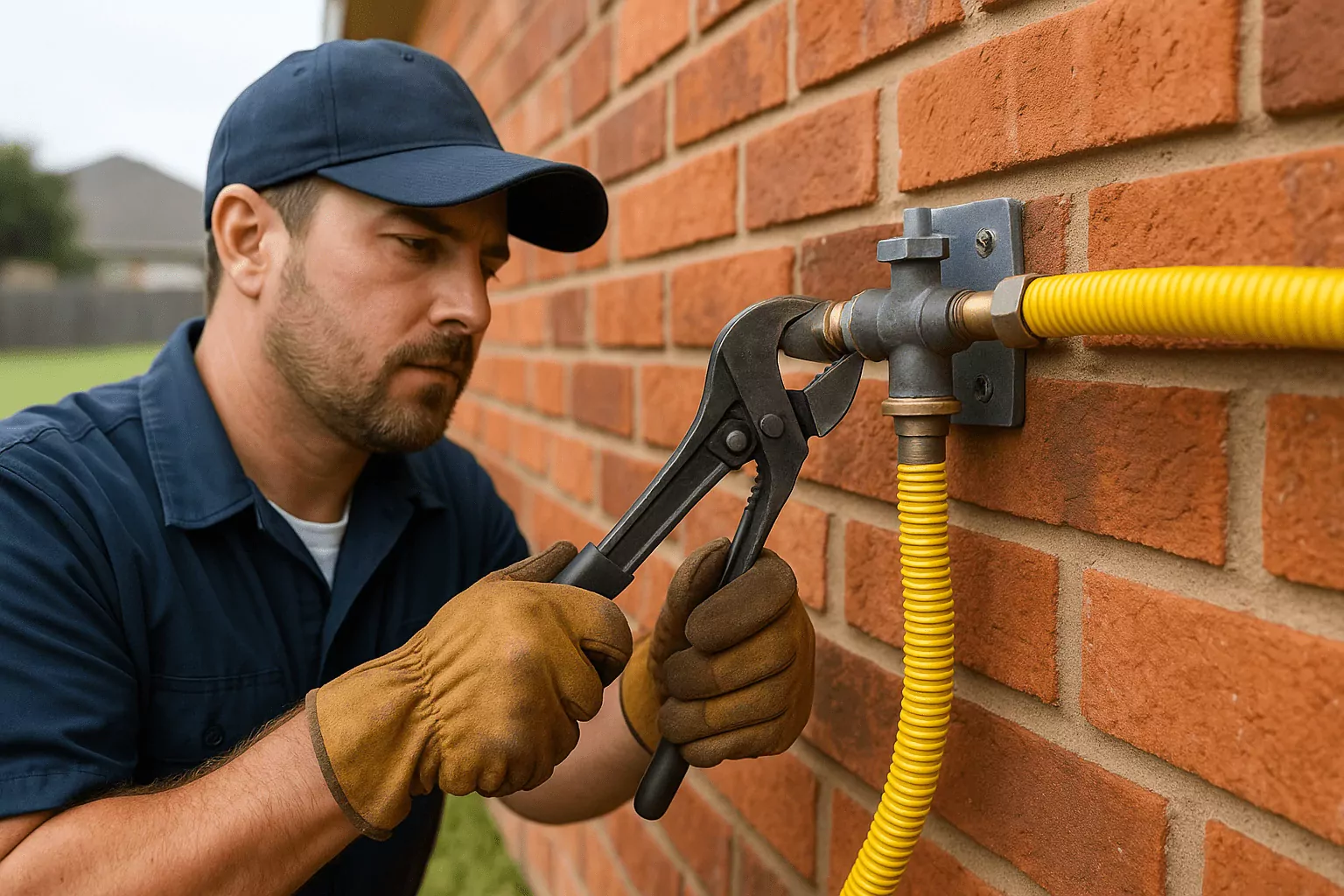
When it comes to gas line installation Beaumont property owners should never leave safety and compliance to chance. Properly installed gas piping safeguards your family, your business, and your investment while ensuring appliances run efficiently year-round. Whether you are adding a new outdoor grill, upgrading a commercial kitchen, or converting a home to natural gas, expertise matters from the first permit to the final pressure test. Professional installers understand local soil conditions, floodplain considerations, and code requirements that affect performance and longevity. If you are researching options for gas line installation Beaumont, learning what goes into a safe, code-compliant job will help you make a confident decision. This guide distills best practices, local regulations, and practical insights for homeowners and businesses across Beaumont, Orange, and Bridge City.
Safety, Codes, and Permitting for gas line installation Beaumont
Professional gas line installation Beaumont begins with a deep commitment to safety and adherence to code. In Southeast Texas, installers follow the National Fuel Gas Code (NFPA 54), local amendments, and utility requirements to minimize leak risks and ignition hazards. Licensed plumbers coordinate permits with the City of Beaumont and schedule inspections to verify materials, sizing, bonding, and testing methods. They also call 811 to mark buried utilities before trenching, preventing dangerous strikes to electrical or communication lines. These steps create a defensible paper trail and ensure your project passes inspection the first time while protecting people and property from avoidable risks.
Consider a recent Beaumont remodel where a homeowner added a whole-home generator and outdoor kitchen. A permitted plan ensured correct gas meter upgrades, pressure regulation, and isolation valves for each appliance zone. Inspectors verified protective sleeves under the driveway, proper burial depth for polyethylene (PE) gas piping, and bonding for corrugated stainless steel tubing (CSST) to reduce lightning-related surge risks. The result was a clean inspection, zero leaks on a 24-hour pressure test, and a system designed for storm resilience. Taking shortcuts would have put the project behind schedule and introduced costly, dangerous rework.
Design, Materials, and Sizing That Fit Beaumont Conditions
Correct design ensures your gas system delivers the right pressure and volume to every appliance, even during peak demand. Pros calculate total connected BTU load, account for longest-run distances, and select regulators and pipe diameters that prevent pressure drop. In residential projects, black iron or CSST may be used indoors, while PE pipe is common for buried exterior runs where allowed. Soil chemistry and moisture drive corrosion protection choices, such as wrapping, sleeves, or cathodic measures near coastal areas. For propane systems, pros design tank placements, regulators, and transitions to house piping that meet code and manufacturer specs.
A Bridge City restaurant upgrade offers a solid example of smart design. The owner added two high-BTU fryers and a charbroiler, which pushed the original line beyond its safe capacity. A licensed installer upsized the main trunk, added appliance-specific shutoffs, and installed a two-stage regulator system to stabilize pressure during rush hours. After a full system pressure test and appliance start-up verification, the kitchen reported faster heat recovery, consistent flame quality, and lower utility costs due to efficient combustion. The right design not only avoids nuisance outages but also supports performance that staff and customers notice.
Installation, Testing, Maintenance, and Hiring the Right Pro for gas line installation Beaumont
Execution is where great plans turn into safe, reliable systems. Technicians set hanger spacing, maintain pitch where required, and protect lines at transitions through walls, foundations, and slabs. For buried runs, they follow minimum depth requirements, mark routes for future locates, and backfill with care to prevent pipe damage. Before any appliance is connected, the entire system is pressure-tested with a calibrated gauge for the duration specified by code and the authority having jurisdiction. Only after a successful test and inspection do installers complete appliance hookups, light pilots, and verify combustion performance.
Reliable performance continues with maintenance and education. A professional will show you where shutoff valves are, how to recognize leak signs, and when to call for service. In Beaumont, Orange, and Bridge City, seasonal checks after severe weather are smart due to shifting soils and storm debris. Restaurants and multi-family properties benefit from annual inspections and documented pressure checks to meet insurance and safety policies. When choosing a contractor, prioritize local code knowledge, emergency response capability, and clear estimates that include permits, inspections, and warranties from start to finish.
Professional gas line installation Beaumont is about more than running pipe from point A to point B; it is a safety-critical process that demands permits, precise design, expert installation, and verified testing. From correct sizing and material selection to thorough pressure testing and inspections, each step reduces risk and boosts performance. Whether you need a new appliance hookup, a commercial kitchen upgrade, or a generator fuel line, partnering with a licensed local expert pays off in safety and long-term reliability. 409 Plumbing proudly serves Beaumont, Orange, and Bridge City with code-compliant gas services backed by local experience and responsive customer care. Call 409 Plumbing at 409-444-0066 to schedule a consultation today.
Resources About Gas Line Installation
Frequently Asked Questions About Gas Line Installation
Do I need a permit for gas line installation in Beaumont?
Yes, most gas line installation Beaumont projects require permits and inspections to ensure safety and code compliance. The permit process verifies approved materials, correct sizing, and proper testing methods before the system is placed into service. Your licensed installer should handle the paperwork, coordinate with the City of Beaumont, and schedule inspections at the right milestones. This protects you from fines and ensures your project passes on the first attempt. For guidance on local permitting, review the citys resources and building department requirements or consult your plumbing contractor early in the planning phase.
How long does residential gas line installation Beaumont typically take?
Timelines vary with scope, permitting, and site conditions, but many residential projects take one to three days once permits are issued. Simple appliance runs like outdoor grills or gas dryers may be completed in a single visit, assuming materials are in stock and inspections are quickly scheduled. Larger projects with trenching, meter upgrades, or multiple appliances can require phased work and coordinated inspection windows. Weather, utility locates, and inspection availability may add days, so build a small buffer into your schedule. A detailed plan and clear communication with your plumber help prevent surprises and keep the job on track.
What does professional gas line installation cost in Beaumont?
Costs depend on pipe length, material type, soil conditions, appliance load, and permitting requirements. Short interior extensions can be a few hundred dollars, while long exterior runs, multiple appliance zones, or commercial upgrades can reach into the thousands. A transparent estimate should itemize materials, permits, pressure testing, trenching or concrete penetrations, and appliance hookups. Be cautious of unusually low bids that exclude permits or testing, as these omissions can raise safety and liability risks. Request at least one detailed, written proposal so you can compare scope, materials, and warranties line by line.
Is CSST safe for homes in Southeast Texas, and do I need bonding?
CSST is widely used and safe when installed by licensed professionals following manufacturer instructions and local codes. In lightning-prone regions like Southeast Texas, proper bonding and grounding are critical to mitigate surge risks. Your installer should use listed bonding clamps and size conductors per code, connecting the system to the building grounding network. Inspectors will confirm bonding during the approval process along with pressure testing. When in doubt, ask your contractor to show the bonding plan and the manufacturers technical literature to ensure full compliance and peace of mind.
Registered Master Plumber Texas State Board of Plumbing Examiners
RMP #44702
Licensed and Bonded
Cities Serviced
409 Plumbing
Follow Us On
© 2026 409 Plumbing. All Rights Reserved.
Website Design and Hosting Provided by LocalBizBuzz,co