
24 Hour Service
Call 409-444-0066
The Cost of Collapsed Sewer Line Repair in Vidor:
What to Expect
Get detailed cost insights and practical tips for homeowners facing collapsed sewer line repairs in Vidor.
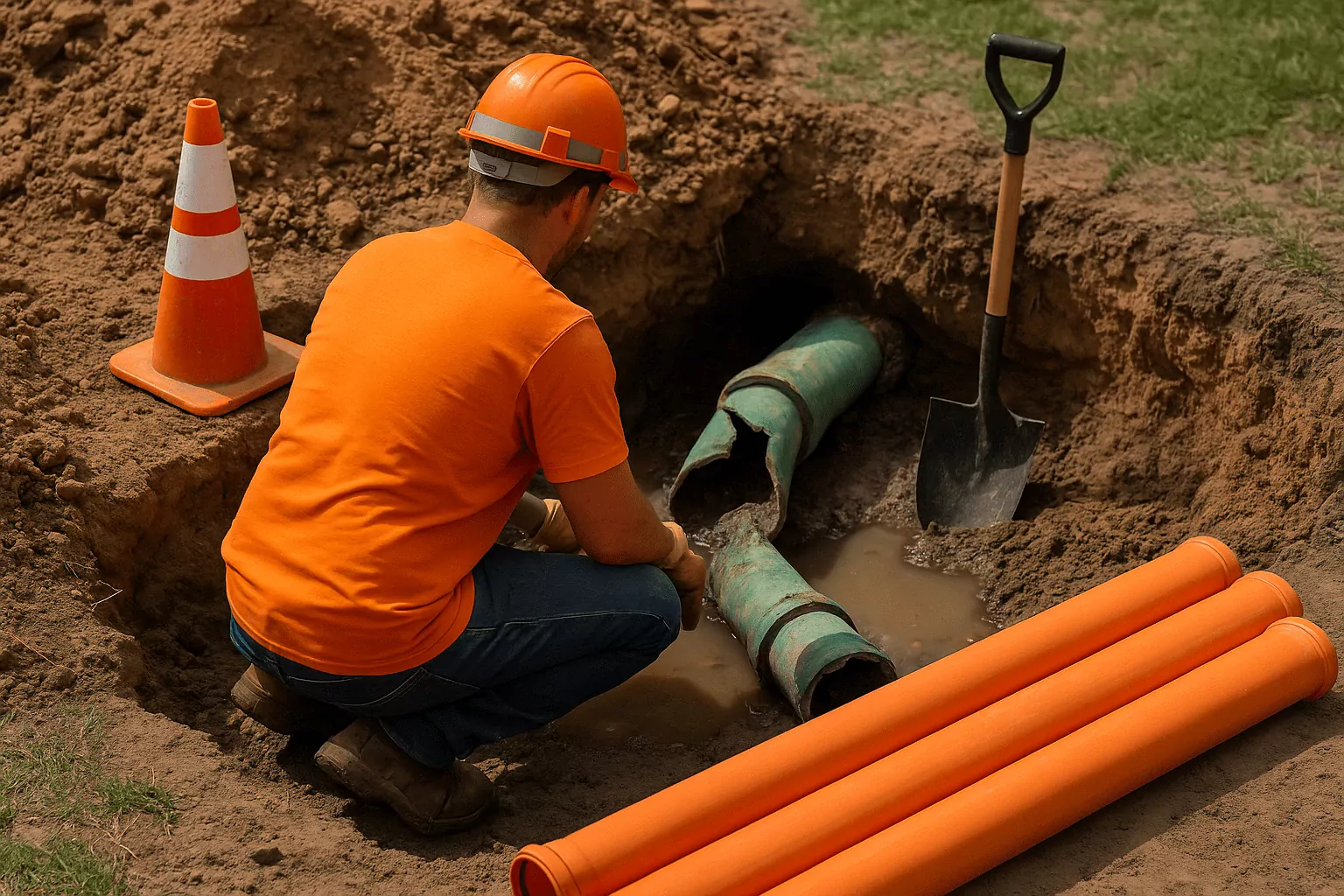
When a main drain backs up or a yard suddenly sinks, homeowners often discover the high-stakes reality of collapsed sewer line repair Vidor. Understanding costs, timelines, and repair methods early can save stress and money while protecting your home's value. This guide explains typical price ranges, factors that drive estimates, and how local soils, roots, and utilities affect outcomes in Vidor and the greater Orange County area. You will also learn how contractors build accurate bids. For quick reference, we include local examples from 409 Plumbing and links to credible sources for additional reading. If you are ready to act now, start with a professional camera inspection and get guidance for collapsed sewer line repair Vidor before small problems become emergencies.
Key cost drivers for collapsed sewer line repair Vidor
Several variables determine what you will pay to restore flow and prevent future damage. The first is diagnostics: a proper CCTV sewer camera inspection pinpoints the failure, reveals pipe material, and verifies if a spot repair or full replacement is warranted. Access is next, including how close equipment can get to the dig site, whether the line runs under a driveway or slab, and where utilities are located. Depth and length of pipe replacement significantly impact labor and disposal costs, especially in areas with high water tables common around Vidor. Finally, the chosen repair method will change the cost structure and the property restoration scope.
Local conditions matter in Southeast Texas, and Vidor is no exception. Expansive soils, heavy rain events, and mature tree roots put additional strain on aging clay or cast iron laterals. Permits and city or county requirements, including cleanout placement and inspection scheduling, influence timelines and fees. Material upgrades to PVC SDR-35 or schedule 40 can increase upfront cost but improve long-term reliability and resale confidence. Restoration after the repair, such as replacing concrete, landscaping, or fencing, can be a notable portion of the total bill. Clear communication with your contractor about these line items helps avoid surprises during the project.
Typical price ranges for collapsed sewer line repair Vidor
While every property is unique, most homeowners can plan around a few common ranges. Spot repairs for a localized collapse may run in the $3,000-$7,000 range when excavation is straightforward and restoration light. Full lateral replacements from the home to the city tap can range from $6,000-$15,000 or more depending on length, depth, and obstacles like driveways or large trees. For benchmarking, see independent cost research such as Angi's sewer line replacement guide and adjust for local conditions and materials in Vidor and Orange County.
To translate ranges into real scenarios, consider a few examples that resemble typical Southeast Texas properties. A 25-foot repair across a lawn with minimal roots and good machine access may stay near the low end because digging and backfill are efficient. A 60-foot replacement under a driveway with multiple utilities, a deep connection, and mandatory concrete restoration will skew higher. Always request a written estimate that separates diagnostics, labor, materials, permits, and restoration, so you can compare bids fairly and avoid scope creep.
Traditional excavation for collapsed sewer line repair Vidor
Open trench remains the right choice when utilities are densely packed, when the collapse sits beneath a shallow run with minimal restoration, or when cost is the priority and surface disruption is acceptable. Excavation also allows for easy grade correction, root barrier installation, and complete replacement of old materials prone to future failure. Your contractor should walk you through pros and cons based on camera footage and utility locates, including gas, electric, and communication lines. For background on private laterals and responsibilities, review the Environmental Protection Agency's overview on sewer laterals, which clarifies homeowner versus public responsibilities. Whatever method you choose, insist on post-repair camera verification and a documented warranty on labor and materials.
Real local examples and how 409 Plumbing estimates collapsed sewer line repair Vidor
At 409 Plumbing, we routinely diagnose failures caused by root intrusion, soil movement after heavy rains, and aging cast iron in homes built decades ago. One Vidor homeowner called after repeated backups and a soft spot in the yard; our camera found a collapsed segment at an old clay joint 18 feet from the foundation. Because access was clear and depth was moderate, we performed a targeted excavation and replacement, restored grade, and installed a cleanout to simplify future maintenance. This example highlights why a site visit, utility locates, and a clear scope are essential before anyone quotes a firm number.
Our estimating process is designed to be transparent and decision-friendly. We begin with a camera inspection and line locate to confirm failure points and document material and diameter. Then we evaluate access, depth, and restoration needs, followed by utility marking to mitigate risk. You receive a written estimate with line items for diagnostics, labor, materials, permits, and restoration, plus optional add-ons like root barriers or backwater valves when appropriate. For homeowners comparing bids, we suggest validating scope apples-to-apples and checking contractor licensing, insurance, and warranties before proceeding.
Explore our sewer line repair services to learn more about methods and materials, or contact our team for a fast on-site evaluation. For general plumbing insights and seasonal tips in Orange County, visit the 409 Plumbing blog.
Collapsed sewer line repair Vidor is a significant project, but a systematic approach to diagnostics, method selection, and transparent estimating keeps costs under control. Start with a camera inspection, compare itemized bids, and weigh repair options against restoration needs for your yard, drive, or slab. Local conditions in Vidor, Orange, Beaumont, and Bridge City influence access, permitting, and water table challenges, so a contractor with regional experience is invaluable. For trusted help, call 409 Plumbing at 409-444-0066 to schedule your inspection. We proudly serve Orange, TX, Beaumont, TX, Bridge City, TX, and nearby communities with prompt, professional service.
Frequently Asked Questions About Collapsed Sewer Line Repair
What are the most common signs of a collapsed sewer line in Vidor?
Warning signs include frequent main-line backups, gurgling drains, and slow drainage across multiple fixtures rather than just one sink. You may notice foul odors in the yard or near cleanouts, and in some cases a soggy or sunken patch of lawn that hints at leakage. Indoor clues include floor drain overflows or sewage backing up into tubs and showers when toilets are flushed. In older homes, repeated snaking that only offers short-term relief often indicates structural failure rather than a simple clog. The quickest way to confirm is a CCTV camera inspection that pinpoints the collapse, its depth, and its distance from the home.
How long does collapsed sewer line repair Vidor typically take?
Simple spot repairs with good access may be completed in one to two days, including excavation, replacement, and basic restoration. Full replacement typically takes two to four days, depending on length, depth, utilities, and inspection scheduling. Weather and groundwater conditions can add time if dewatering or soil stabilization is needed, which is common after heavy rains in Southeast Texas. Most projects begin with a same- or next-day diagnostic and estimate, followed by permit approvals when required. A reputable contractor will present a timeline that includes inspections, restoration, and final camera verification so you know exactly what to expect.
Will homeowners insurance cover a collapsed sewer line repair?
Coverage varies by policy, but many standard homeowners policies exclude damage to the sewer lateral itself unless you have a specific endorsement. Some carriers offer service line coverage that can help with repair costs, including excavation and restoration, up to a defined limit and subject to a deductible. However, damage inside the home caused by sewage backups may be treated differently than the cost to repair the pipe outdoors. It is best to contact your insurer, ask about service line endorsements, and provide the camera report and estimate for review. Your contractor can supply documentation and photos to support a claim if your policy includes applicable coverage.

Registered Master Plumber Texas State Board of Plumbing Examiners
RMP #44702
Licensed and Bonded
Cities Serviced
409 Plumbing
Follow Us On
© 2026 409 Plumbing. All Rights Reserved.
Website Design and Hosting Provided by LocalBizBuzz,co