
24 Hour Service
Call 409-444-0066
The Complete Guide to Water Heater Installation
in Orange TX
Step-by-step instructions and expert tips for homeowners in Orange, TX to successfully install their own water heaters.
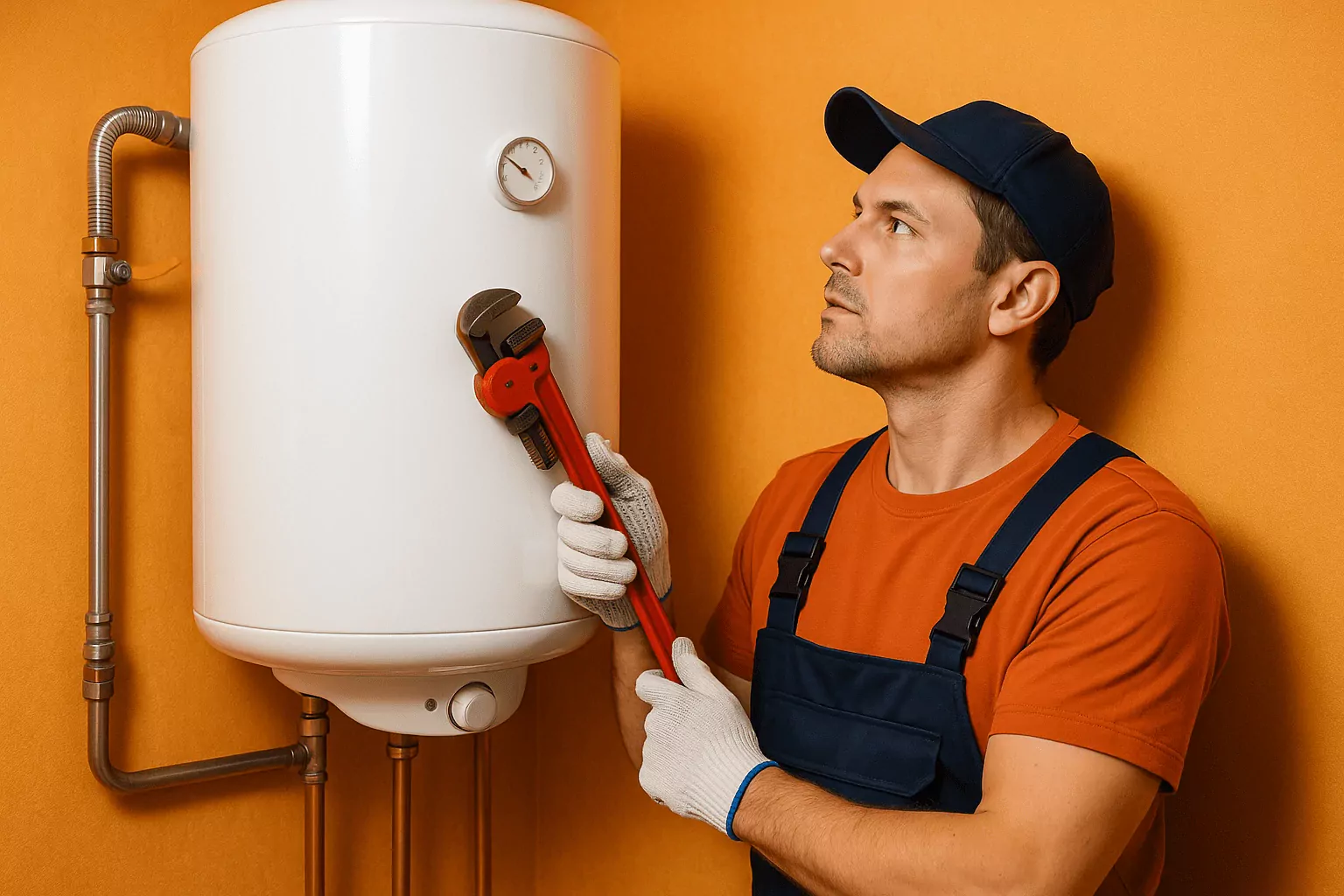
If you are planning water heater installation in Orange TX, you are making a smart investment in comfort, safety, and energy efficiency. A properly sized and code-compliant unit will deliver reliable hot water while keeping utility bills under control. Between local permitting, fuel type choices, and today's high-efficiency options, it helps to have a clear roadmap before you start. In this guide, you will learn how to choose the right system, what to expect during permitting and installation, and how to maintain performance for years. We will also share local insights from projects in Orange, Beaumont, and Bridge City so you can avoid common pitfalls. Whether you are upgrading a failing tank or moving to tankless, these tips will help you plan with confidence and keep your home safe and comfortable.
Choosing the right system for water heater installation Orange TX
Selecting the best water heater begins with understanding your household's hot water demand and long-term goals. Consider daily usage patterns, the number of occupants, and simultaneous fixtures such as showers, dishwashers, and laundry. Tank models list a first hour rating, while tankless models are sized by flow rate at a required temperature rise, and both should be matched to your peak demand. Compare energy sources available at your property, including natural gas, propane, and electricity, and weigh utility rates and venting needs. For homeowners focused on lowering bills, check the UEF rating and explore high-efficiency or heat pump options, which the U.S. Department of Energy notes can significantly reduce consumption compared to standard models. To validate efficiency claims and available models, review guidance from the DOE and ENERGY STAR at energy.gov and energystar.gov.
Local case studies show how small choices affect satisfaction. In Bridge City, a family of five upgraded from a 40-gallon electric to a 50-gallon heat pump unit to handle morning showers and gained substantial energy savings without changing their routine. By contrast, a Beaumont homeowner selected a condensing tankless water heater for continuous hot water and saved closet space, but needed gas line upsizing and a new vent path to meet specs. If you value limitless hot water and compact footprint, tankless is compelling, while larger families with moderate budgets may prefer a high-efficiency tank. For homeowners unsure which route to take, a load calculation and usage audit from a pro can clarify size and payback. The right choice balances comfort, installation cost, and long-term operating savings.
Permits, codes, and site preparation for water heater installation Orange TX
Safe and legal installation starts with permits and licensed workmanship. In Texas, plumbing work must be performed by properly licensed professionals, and compliance with current plumbing and fuel gas codes protects your home and insurance coverage. Requirements typically include a properly sized drain pan with an external drain, a code-compliant temperature and pressure relief valve discharge line, and adequate combustion air for gas models. Closed-loop systems often require an expansion tank to protect appliances and piping, and gas lines may need a sediment trap and accessible shutoff. If you are replacing an older unit, expect updates to bonding, venting, or drain routing to satisfy current standards, and verify licensing details with the Texas Department of Licensing and Regulation at tdlr.texas.gov.
Preparing the site in advance improves installation speed and safety. Clear storage around the existing heater so technicians can drain and remove the unit without obstructions. If relocating to a garage or utility room, discuss platform height, seismic bracing where required, and condensate handling for high-efficiency or heat pump models. In one Beaumont project, moving a water heater from a hallway closet to the garage freed interior space, simplified venting, and improved serviceability. Expect your installer to review shutoff locations, verify vent paths, and stage new materials so the swap is efficient. A short pre-install walkthrough eliminates surprises and helps your project pass inspection on the first visit.
Step-by-step process and timelines for water heater installation Orange TX
Knowing the sequence helps you plan for downtime and inspections. A pro will first assess sizing, venting, and code updates, then protect floors and isolate gas, water, and power. The old unit is drained, disconnected, and removed, followed by pan placement and any line modifications such as dielectric unions or valve upgrades. The new heater is set, leveled, and connected with attention to venting, T&P discharge, and expansion control where applicable. Next, the tank is filled and air is purged before power-up or gas ignition, and the installer checks for leaks, verifies combustion, and sets temperature to a safe 120 F. Finally, you receive a walkthrough on maintenance, warranty registration, and safety features, and an inspection is scheduled if a permit is required.
Timelines vary by scope and site conditions. A like-for-like tank replacement in good condition typically takes 2 to 4 hours, while a conversion to tankless or a relocation may require 6 to 10 hours or a second visit. Additional time is common when upsizing gas lines, adding a recirculation loop, or correcting legacy code issues discovered during removal. For example, a West Orange tankless upgrade required new venting and a 2-stage regulator to stabilize supply, adding half a day but ensuring consistent performance. Clear communication about these possibilities helps you plan your day, especially if water service must be off during parts of the work. Your installer should provide an estimated window and update you promptly if site discoveries extend the schedule.
Costs, warranties, and maintenance after water heater installation Orange TX
Total project cost depends on the unit type, capacity, efficiency tier, and any code or infrastructure upgrades. Tankless and heat pump models usually carry higher upfront prices but can reduce monthly energy costs and may qualify for rebates, which you can research via the ENERGY STAR Rebate Finder at energystar.gov/rebate-finder. Budget for permits, disposal, pan and valve replacements, expansion tank additions, and line modifications that improve safety and reliability. To maximize value, compare warranty coverage and consider extended labor protections that keep lifetime costs predictable. Document your installation date, model and serial number, and warranty terms, then register with the manufacturer promptly to avoid coverage gaps. A well-documented project helps with resale, home insurance, and warranty claims down the road.
Maintenance preserves performance, safety, and warranty coverage. Plan an annual flush to remove sediment, which is especially helpful in areas with hard water, and inspect the anode rod every 3 to 5 years on tank models. Tankless systems benefit from descaling with a pump kit, and all systems should have periodic checks of the T&P valve, expansion tank pressure, and shutoff valves. If your home has long runs, consider a well-tuned recirculation system to reduce wait times without wasting energy. For a deeper dive, see our checklist on seasonal care at water heater maintenance, and explore our water heater installation services for tailored recommendations. When you are ready to schedule water heater installation Orange TX, our team can handle sizing, permits, and inspection from start to finish.
With the right planning, water heater installation in Orange TX can be safe, efficient, and tailored to your lifestyle. Start by selecting the ideal fuel type and capacity, then confirm permitting, code updates, and site readiness to streamline installation day. Expect a clear process that includes removal, connection, startup, and homeowner training so you know how to operate and maintain your system. Keep warranties valid by registering promptly and scheduling routine maintenance such as flushing, anode checks, and descaling where needed. When you are ready, contact 409 Plumbing for expert guidance, transparent pricing, and licensed service. Call 409-444-0066 or request a quote to schedule service in Orange, Beaumont, or Bridge City for friendly local help.
Frequently Asked Questions About Water Heater Installation
How long does professional water heater installation in Orange TX usually take?
Most like-for-like tank replacements are completed within 2 to 4 hours when venting and connections are in good shape. Projects that involve moving the heater, upgrading to tankless, or upsizing gas lines can extend to 6 to 10 hours or require a return visit. Permitted jobs may also require coordination with the inspector, though the inspection itself is usually brief. Your installer will isolate utilities to keep the process safe, so expect a temporary pause in hot water access. Clear site access and advance selection of the replacement model can speed the timeline. A written scope of work helps avoid delays due to unforeseen code corrections or material changes.
Do I need a permit for water heater installation or replacement in Orange, TX?
Many jurisdictions require a permit and inspection for replacement or new installations to verify safety and code compliance. Permits protect homeowners by ensuring proper venting, relief valve routing, drain pan termination, and fuel or electrical connections. In Texas, plumbing work must be conducted by licensed professionals, and you can verify credentials through the Texas Department of Licensing and Regulation at tdlr.texas.gov. If a permit is required, your contractor should handle the paperwork, scheduling, and inspector walk-through. This process helps maintain insurance coverage and preserves home value by documenting compliant work. 409 Plumbing manages permitting and inspection coordination so your project proceeds smoothly and passes on the first attempt.
What size water heater do I need for my household?
Right-sizing depends on peak hot water demand, which is a function of fixtures, flow rates, and the number of occupants. Tank models are measured by capacity and first hour rating, while tankless models are selected by flow rate at your target temperature rise. A family with multiple back-to-back showers and laundry may require a larger tank or a higher-output tankless unit with proper gas line capacity. Consider usage patterns such as morning peaks, tubs versus showers, and simultaneous appliance loads. A professional can perform a load assessment and recommend options that meet your needs without overspending on capacity. Proper sizing avoids lukewarm surprises and optimizes energy consumption.
Is a tankless water heater worth it for homes in Orange TX?
Tankless water heaters provide continuous hot water, a compact footprint, and higher efficiency, which can reduce utility costs compared to standard tanks. They do, however, require correct gas line sizing, dedicated venting, and sometimes electrical upgrades to perform at their rated output. If your household has heavy peak demand or desires rapid back-to-back showers, tankless can offer clear convenience benefits. Homeowners with hard water should plan for periodic descaling and consider pre-filtration to protect the heat exchanger. The payback period varies by usage, energy prices, and available rebates, but many owners value the space savings and on-demand comfort. A site evaluation will clarify whether tankless or a high-efficiency tank offers the best return for your specific home.

Registered Master Plumber Texas State Board of Plumbing Examiners
RMP #44702
Licensed and Bonded
Cities Serviced
409 Plumbing
Follow Us On
© 2026 409 Plumbing. All Rights Reserved.
Website Design and Hosting Provided by LocalBizBuzz,co