
24 Hour Service
Call 409-444-0066
The Complete Guide to Water Heater Installation
in Orange for Homeowners
Step-by-step instructions and tips for homeowners in Orange to install their water heaters efficiently and safely.
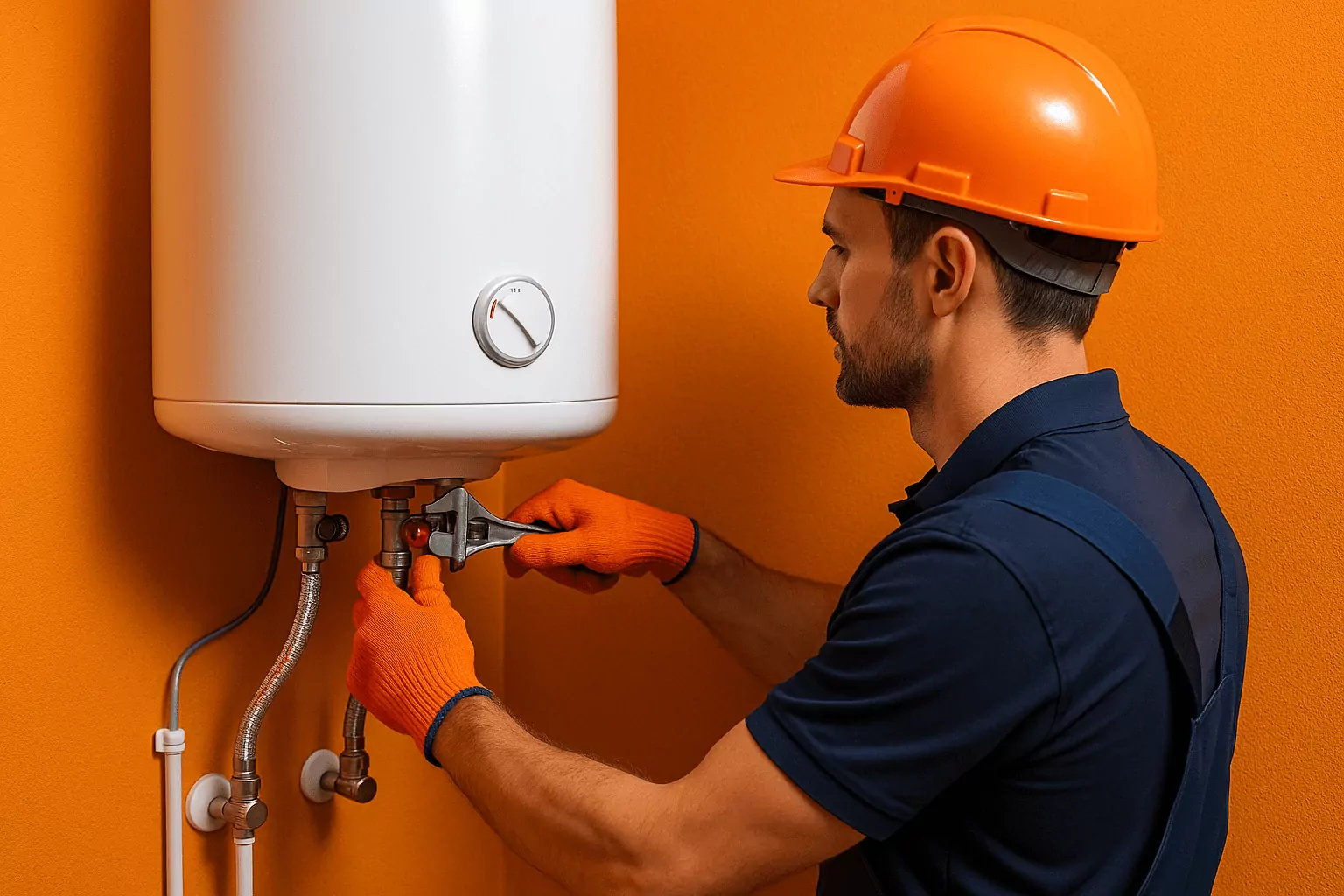
Planning a successful water heater installation Orange project starts with understanding your options, local regulations, and the steps that lead to safe, efficient hot water in your home. Whether you are replacing a failing tank or upgrading to a high-efficiency tankless unit, a clear plan will save time, money, and stress. Homeowners in Orange, Beaumont, and Bridge City face similar decisions around fuel type, capacity, and code compliance, but each property has unique requirements. In this guide, you will learn how to choose the right model, prepare your space, and navigate permits and inspections with confidence. We also share local insights from 409 Plumbing, so you can anticipate costs, timelines, and real results specific to Southeast Texas homes. For quick navigation and trusted pros, you can always start with water heater installation Orange and explore your best-fit options with expert support.
Choosing the right system for water heater installation Orange
Selecting the ideal water heater begins with matching your household's hot water demand to the correct capacity and recovery rate. For families that run showers, laundry, and a dishwasher around the same time, a 50-gallon high-recovery tank or a properly sized tankless unit can prevent cold-water surprises. Consider energy sources available in your neighborhood: natural gas generally heats faster and can reduce operating costs, while electric models are versatile and easier to place. In humid Gulf Coast conditions, look for corrosion-resistant components, durable anode rods, and strong manufacturer warranties to withstand local water quality. Evaluate long-term operating costs by comparing Uniform Energy Factor (UEF) ratings, and estimate payback periods for high-efficiency and condensing models to ensure smart budgeting.
Beyond fuel and size, think through features that improve comfort and efficiency in Orange-area homes. Recirculation pumps can reduce wait times at distant fixtures, especially in larger floorplans common around Beaumont and Bridge City. Leak detection sensors and smart shutoff valves are valuable in slab-foundation homes, where early alerts can prevent damage. For multi-story properties, installing a drain pan with a proper condensate or pan drain line provides an added safety net. Finally, discuss water softening or filtration with your plumber to mitigate scale buildup, especially if you opt for a tankless system that benefits from regular descaling.
Permits, safety, and code essentials for water heater installation Orange
Staying compliant ensures safe operation and protects your investment during resale or insurance claims. In most cases, replacing or relocating a water heater requires a permit and inspection from your local authority having jurisdiction. Within Orange city limits, check the City of Orange Development Services page for current permit requirements and inspection schedules to avoid delays. Key safety components include a properly installed temperature and pressure (T&P) relief valve and a discharge line that terminates in an approved location. If your home uses a closed plumbing system, an appropriately sized thermal expansion tank helps prevent pressure spikes that can damage fixtures and the water heater itself.
Venting and combustion air are critical for gas-fired models, and must follow manufacturer instructions and applicable fuel gas codes. Horizontal runs, elbows, and vent length should be within rated limits to ensure proper draft, and condensate management is required for condensing units. For electric models, confirm dedicated circuits, breaker sizing, and conductor gauge meet National Electrical Code standards and manufacturer requirements. Dielectric unions help prevent galvanic corrosion when connecting dissimilar metals, and a properly sized drain pan with a drain line is recommended where leakage could cause damage. For guidance, see the U.S. Department of Energy's water heating resources at energy.gov and consult recognized codes through organizations like IAPMO, and check local permitting at orangetexas.gov.
Step-by-step overview: preparing for and completing water heater installation Orange
Preparation begins by measuring your space and verifying clearances, venting paths, and access for service. Shut off utilities at the breaker or gas valve, and test for gas leaks with a manometer or approved leak detection solution after any reconnection. Drain the old tank via a hose to a safe discharge location, and use the opportunity to inspect the shutoff valves and supply lines for wear. Set your new unit on a level surface, add a drain pan if required, and align the cold and hot connections for minimal stress on piping. For gas units, install a drip leg (sediment trap), confirm proper orifice sizing, and ensure bonding and grounding meet local and national standards.
Complete water, gas, and power connections according to the manufacturer's installation manual, then fill the tank and purge air from lines before energizing. Verify T&P valve orientation and run the discharge line by code to an approved termination point to prevent scalding hazards. For tankless units, follow required clearances, condensate routing, and descaling valve installation to make future maintenance easy. Set the thermostat to 120 F for safety and efficiency, and check for proper burner or element operation once the system is fully primed. Schedule your inspection if required, and document model, serial number, permit number, and warranty details for your records.
Costs, timelines, and local case studies in Orange, Beaumont, and Bridge City
Costs vary based on capacity, fuel, efficiency rating, and any relocation or code upgrades needed. Standard like-for-like tank replacements often complete in half a day, while tankless conversions may require full-day or multi-day timelines for venting and gas sizing. Many homeowners in Orange find value in choosing mid- to high-efficiency models, which can reduce utility bills and improve long-term ROI. If your home needs upgrades such as a new dedicated circuit, gas line upsizing, or a new flue system, build those items into your project estimate early. Ask your installer for a detailed scope that separates equipment, labor, permits, and any optional accessories like recirculation or leak detection.
At 409 Plumbing, we recently replaced a 40-gallon atmospheric gas tank in Orange with a 50-gallon high-recovery model and recirculation loop. The family reported faster hot water at distant baths and a smoother morning routine, with only a modest increase in footprint. In Beaumont, a homeowner upgraded to a condensing tankless unit and saw utility savings alongside virtually endless hot water during back-to-back showers and laundry. A Bridge City project involved relocating a water heater from a hallway closet to the garage, improving safety, service access, and noise control. In each case, we provided a written estimate, obtained permits where required, and scheduled inspections to ensure full compliance and peace of mind.
A well-planned water heater installation Orange project combines the right equipment, meticulous safety practices, and clear documentation to deliver years of reliable hot water. By choosing a model that fits your home's demand, following manufacturer instructions and codes, and planning for maintenance, you maximize efficiency and comfort. When you are ready for professional help, 409 Plumbing provides permit-ready installations, code compliance, and local expertise across Orange, Beaumont, and Bridge City. Call 409 Plumbing at 409-444-0066 to schedule a consultation. Explore our services, get fast answers through our contact form, and rely on our local team to make your upgrade smooth, safe, and cost-effective.
Frequently Asked Questions About Water Heater Installation
Do I need a permit for water heater installation in Orange, TX?
In many cases, yes, you will need a permit for replacement or relocation to ensure the installation meets safety and building code standards. The permit process helps verify proper venting, electrical connections, T&P discharge routing, and expansion tank sizing when applicable. You should confirm current rules with the City of Orange Development Services or your local authority having jurisdiction before work begins. A professional installer will typically pull the permit, coordinate inspection, and provide documentation for your records. Permitting protects you in real estate transactions and insurance claims by showing the system was installed to code and inspected.
Should I choose a tank or tankless water heater for my home?
Both options can be excellent, and the right choice depends on your household size, usage patterns, budget, and space. Tank models offer lower upfront cost and reliable performance, making them a good fit for many Orange homeowners. Tankless models provide continuous hot water and high efficiency, but may require upgraded venting or gas lines during conversion. If you frequently run showers, laundry, and the dishwasher simultaneously, a properly sized tankless or a larger high-recovery tank can meet demand comfortably. Discuss your home's plumbing layout, fixture counts, and future plans with a pro to size your system accurately and avoid cold-water surprises.
How long does professional water heater installation take and what does it usually cost?
Many like-for-like tank replacements take 3 to 6 hours, depending on access, code updates, and any corroded fittings that need replacement. Tankless conversions may take a full day or longer to install new venting, gas lines, and condensate drains if required. Costs vary by model, fuel type, efficiency rating, and the scope of any code compliance upgrades or relocations. Your estimate should clearly itemize equipment, labor, permits, and optional accessories like recirculation or leak detection. To streamline your project and get a precise quote, visit our plumbing services page or contact 409 Plumbing for a tailored assessment.
What maintenance should I plan after installation to extend water heater life?
For tank models, flush sediment annually to maintain efficiency and protect the tank from overheating and premature failure. Inspect and replace the anode rod as needed, typically every 2 to 5 years depending on water quality and usage. For tankless units, schedule periodic descaling and clean inlet screens to keep heat exchangers performing at peak efficiency. Check the T&P valve function, inspect the expansion tank pre-charge, and look for any signs of moisture around fittings and the pan. For seasonal readiness, review your thermostat settings (120 F is recommended by many safety guidelines) and explore our water heater maintenance guide for step-by-step tips.

Registered Master Plumber Texas State Board of Plumbing Examiners
RMP #44702
Licensed and Bonded
Cities Serviced
409 Plumbing
Follow Us On
© 2026 409 Plumbing. All Rights Reserved.
Website Design and Hosting Provided by LocalBizBuzz,co