
24 Hour Service
Call 409-444-0066
The Complete Guide to Gas Appliance Hookup
in Beaumont
Step-by-step instructions for homeowners in Beaumont to safely and efficiently hook up gas appliances.
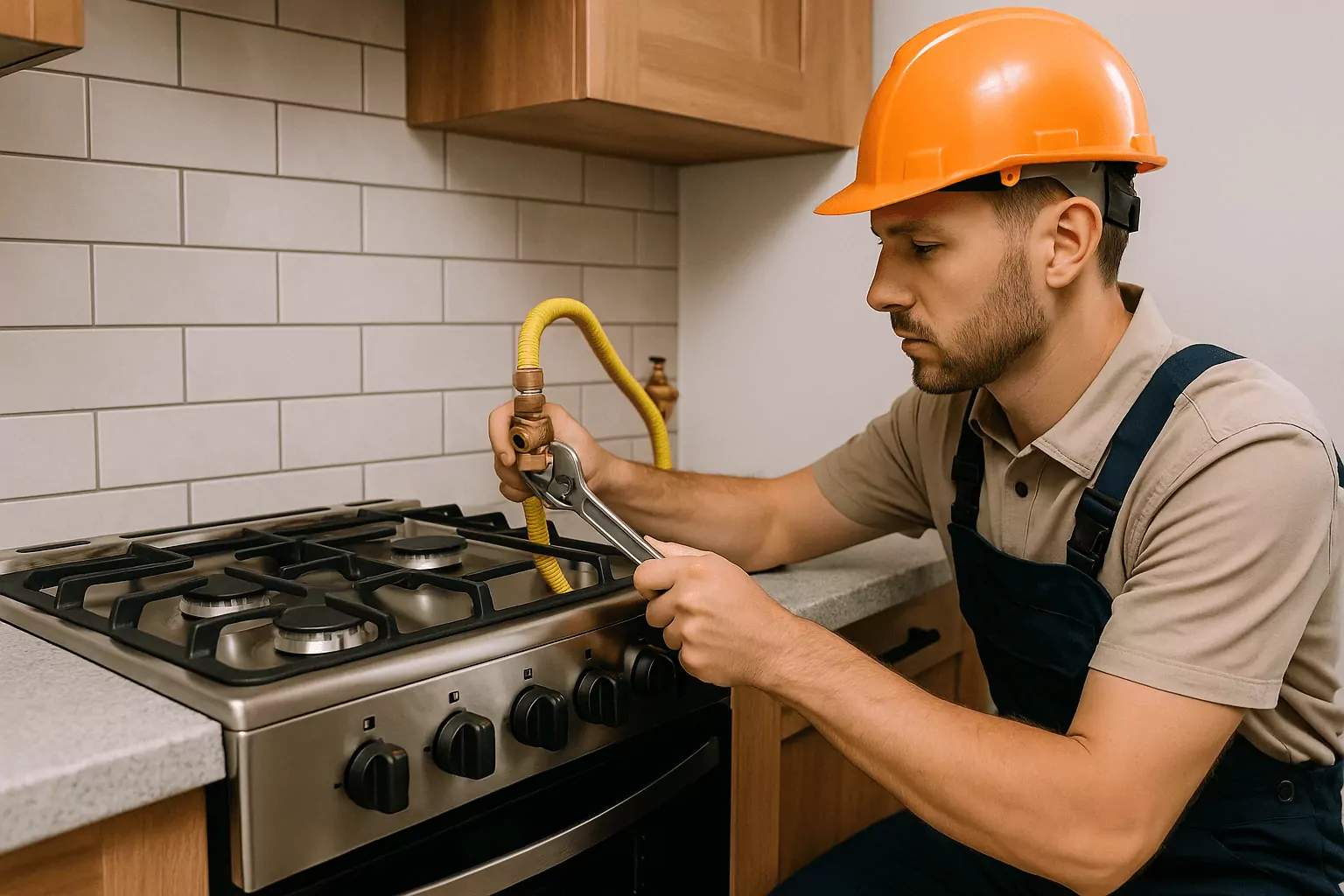
If you are planning a new range, dryer, water heater, or outdoor grill, getting your gas appliance hookup Beaumont ready the right way is crucial for safety and performance. This guide explains permits, code requirements, and step-by-step installation practices so you can make informed decisions. Whether you are in Beaumont, Orange, or Bridge City, the essentials remain the same, but local rules and inspection timelines can vary. We will share real-world examples from Jefferson and Orange Counties, plus expert tips from licensed plumbers who do this every day. Along the way, you will find links to authoritative resources and local contacts to streamline your project. For quick reference or to book service today, you can tap our gas appliance hookup Beaumont resource.
Gas appliance hookup Beaumont basics: codes, permits, and safety standards
Every safe gas hookup begins with the right code framework and permitting path, and Beaumont follows widely adopted standards. Most residential installations are guided by NFPA 54, also known as the National Fuel Gas Code, which outlines pipe sizing, shutoff valves, sediment traps, and testing. The City of Beaumont typically requires permits and inspections for new lines or significant alterations, ensuring everything passes a pressure test before service. Texas oversight through the Railroad Commission also informs safe utility practices and public safety education. These layers work together so homeowners can trust that a properly installed line will deliver fuel reliably without leak or combustion risks.
Proper documentation and inspections may feel like extra steps, but they protect your property and warranty coverage. For example, a Beaumont homeowner adding a gas range might need a quick permit and a same-day rough-in inspection if a new branch is required. A licensed plumber performs the hookup, adds a sediment trap, checks the appliance connector rating, and completes a pressure or leak-down test. The inspector then confirms code compliance and posts approval so gas can be turned on. By following this path, you limit liability, validate your insurance position, and ensure manufacturer requirements are met for safe operation.
Step-by-step process for a safe, code-compliant hookup
A professional gas appliance hookup Beaumont typically starts with a site evaluation and load calculation. The plumber notes your appliance BTU ratings, existing line materials, and distance from the meter or manifold to determine if the current system can support added demand. Next, they select approved materials such as black iron or CSST, verify bonding requirements, and plan the route with proper support spacing and clearances. Before any appliance is connected, the new or modified line is capped and pressure tested at the appropriate test pressure and duration for your jurisdiction. Only after passing does the plumber connect the appliance with a listed connector and install a shutoff valve in the same room.
The finishing sequence focuses on safety checks and performance verification. A sediment trap is installed to capture debris before it reaches the appliance gas valve, and the connector is tightened to manufacturer torque specifications. The plumber then uses a combustible gas detector and approved leak-detection solution to check every joint and valve, including the appliance manifold. If the appliance requires venting, they verify termination clearances and draft or fan operation, and they set combustion parameters per the manual. Finally, a homeowner walkthrough shows you where the shutoff valve is, how to spot a leak, and when to call for service, completing a safe and documented installation.
Appliance types, pipe sizing, venting, and material choices
Different appliances demand different hookup strategies, so it helps to know what matters most for each one. Gas ranges and cooktops usually need a properly sized connector and a nearby shutoff valve, plus a sediment trap to prevent valve damage. Dryers require a listed flexible connector and adequate make-up air, and you must keep gas and dryer venting systems separate and compliant. Tank and tankless water heaters add the complexity of venting types and combustion air, and tankless models often have high BTU demands that require upsized piping. Outdoor grills and pool heaters bring wind exposure and corrosion issues, with stainless or coated components and proper clearance from combustibles being crucial.
Pipe sizing and material selection directly affect performance and safety. Black iron pipe remains the gold standard for durability, while CSST can speed installation if properly bonded to reduce lightning-related risk. Sizing should follow code tables or manufacturer guidance, considering total BTU load, length of run, and allowable pressure drop, commonly at 0.5 psi service pressure. Undersized lines cause poor appliance performance, ignition failures, and nuisance shutdowns, especially on tankless water heaters and dual-fuel ranges. By sizing and selecting materials correctly the first time, you avoid callbacks, protect warranties, and maximize appliance efficiency.
Real Beaumont-area examples, cost factors, and choosing the right pro
Local examples show how details impact timelines and budgets. In Beaumonts West End, a homeowner upgraded to a dual-fuel range that required a short extension from a basement manifold and a new shutoff and sediment trap. Because the existing line had adequate capacity, the total project took less than half a day after the permit was issued, including testing and inspection. In Bridge City, a high-BTU tankless water heater replacement needed an upsized run and concentric venting through a sidewall with specific clearances. That project took longer and cost more, but the result was a stable flame signal, quieter operation, and fuel savings compared to the undersized system it replaced.
Several factors influence cost and scheduling for a gas appliance hookup Beaumont homeowners can trust. Simple appliance swaps where capacity and shutoff locations already exist may range from modest service fees, while new lines, long runs, or upsizing can raise investment significantly. Material choice, attic or crawlspace access, corrosion protection, and the need for venting changes also shape pricing. Always ask for an itemized scope that includes permitting, testing, and inspection coordination to avoid surprises. Checking licenses, insurance, local references, and warranty terms helps you select a pro who delivers reliable, code-compliant work the first time.
A safe and efficient gas appliance hookup in Beaumont starts with permits, code knowledge, and meticulous testing, and it ends with reliable performance you can trust. From ranges and dryers to tank and tankless water heaters, the right materials, pipe sizing, and venting choices make all the difference. When you choose a licensed pro who handles permitting and inspection, you reduce risk, protect warranties, and streamline your project from first call to final approval. If you are in Orange, Beaumont, or Bridge City, 409 Plumbing is ready to help with fast scheduling and clear, upfront pricing. Call 409 Plumbing at 409-444-0066 or visit our contact form to book your gas hookup or inspection today. We proudly serve the surrounding communities with safety-first expertise.
Resources About Gas Appliance Hookup
Frequently Asked Questions About Gas Appliance Hookup
Do I need a permit for a gas appliance hookup in Beaumont?
In most cases, yes, a permit is required for new gas lines or significant alterations, and the work must pass inspection. Permits protect you by ensuring a licensed professional follows NFPA 54 and local amendments, including proper pipe sizing and pressure testing. Minor like-for-like appliance changes may be handled differently, but it is wise to verify with the City of Beaumont permit office. A reputable contractor will pull the permit, coordinate the inspection, and provide documentation for your records. This way you know the hookup is safe, compliant, and recognized by your insurer and the manufacturer.
How can I tell if my existing gas line can handle a new appliance?
A plumber evaluates capacity by totaling the BTU demand of all connected appliances and comparing it to pipe size, length, and allowable pressure drop. If your system was marginally sized, adding a high-BTU appliance like a tankless water heater or outdoor heater may require upsizing part of the run. Signs of insufficient capacity include delayed ignition, flame dropout, or appliances that struggle when multiple fixtures run at once. A professional load calculation and on-site inspection give a definitive answer and prevent performance issues. It is faster and safer to size correctly before installation than to troubleshoot after problems appear.
What safety steps are essential during a gas appliance hookup Beaumont homeowners should expect?
Essential steps include installing a shutoff valve within the same room, adding a sediment trap, and using a listed flexible connector of the correct length and rating. The installer should pressure or leak-down test the new or altered piping and verify all joints with a detector and approved leak solution. If CSST is used, proper bonding is critical to mitigate lightning-related risks per manufacturer instructions. For vented appliances, the tech must check clearances, terminations, and draft or fan performance to avoid backdrafting. A final homeowner walkthrough should cover valve location, leak recognition, and emergency procedures to ensure confidence and safety.
Registered Master Plumber Texas State Board of Plumbing Examiners
RMP #44702
Licensed and Bonded
Cities Serviced
409 Plumbing
Follow Us On
© 2026 409 Plumbing. All Rights Reserved.
Website Design and Hosting Provided by LocalBizBuzz,co