
24 Hour Service
Call 409-444-0066
Signs Your Water Heater is Leaking in Orange and
What to Do
Identify key warning signs of a leaking water heater in Orange and learn effective solutions to prevent costly damage.
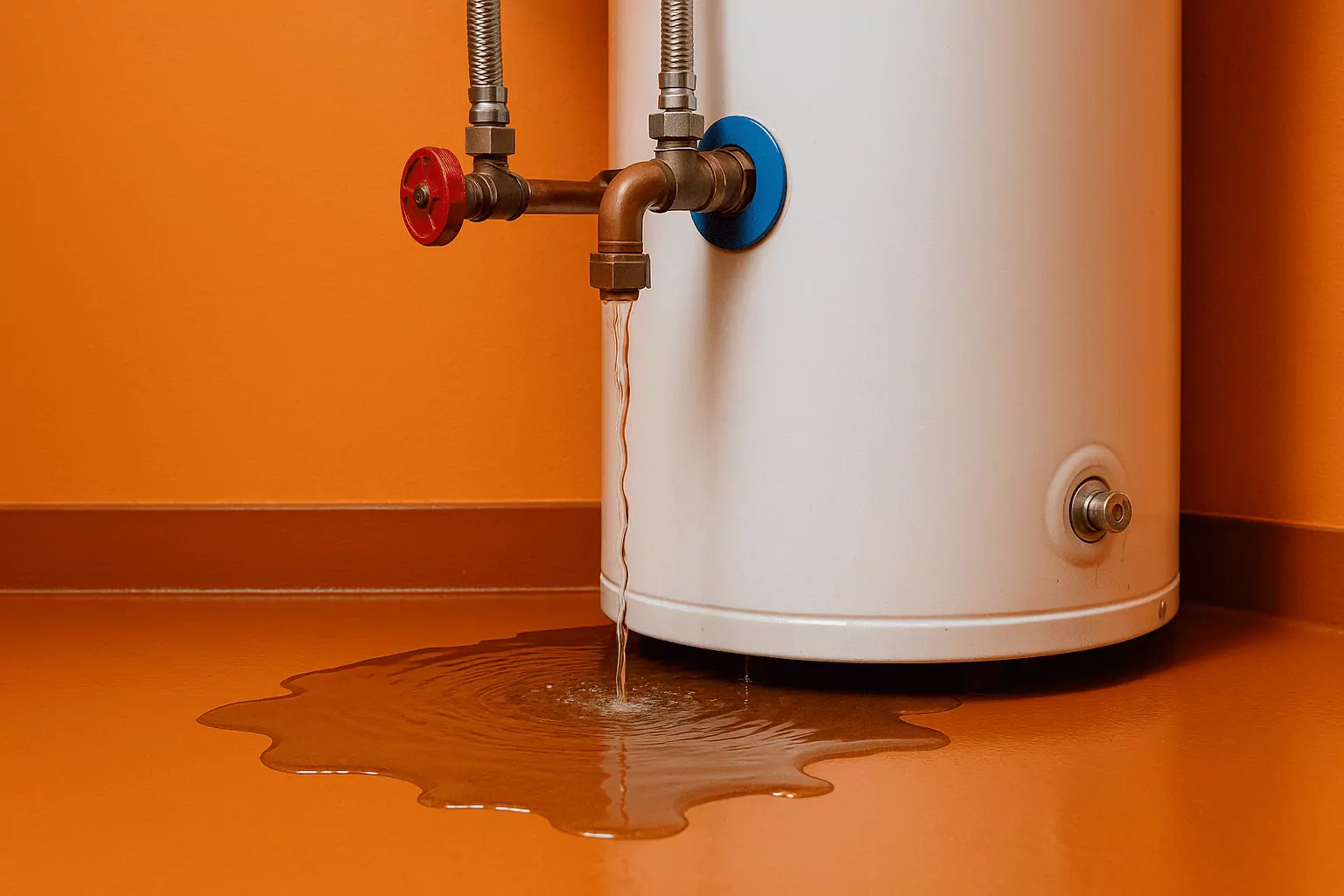
If you suspect a water heater leaking Orange, fast action can save you hundreds of dollars and hours of cleanup. Even a small drip can escalate into soaked drywall, spoiled flooring, and mold growth in our humid Southeast Texas climate. Homeowners across Orange, Beaumont, and Bridge City often miss early warning signs because leaks can appear subtle at first. This guide explains how to spot the problem, what usually causes it, and the exact steps to take before damage spreads. You will also learn when a DIY check is enough and when to call a licensed pro for safe, lasting repairs. By the end, you will know how to protect your home and budget while extending the life of your water heater. For quick reference, bookmark this page for any future issue related to a water heater leaking Orange.
How to Spot a Water Heater Leaking Orange: Early Signs at Home
Start with a clean sweep around the tank base and the nearby floor so you can see new moisture clearly. Look for fresh puddles, damp concrete, or darkened wood trim that reappears a few hours after drying the area. Check the drain pan for standing water or rust stains, which often indicate slow, ongoing drips. Inspect the temperature and pressure relief valve discharge tube for moisture, since a faulty or overworked T&P valve can release water intermittently. Finally, trace the cold supply and hot outlet connections for beads of water, which may point to a loose fitting or degraded gasket.
Not all moisture means a leak, so rule out harmless condensation first. In Orange's warm, humid summers, cold tank surfaces can sweat and drip, especially in garages and utility rooms with little airflow. Wipe the tank dry and monitor for new moisture after the burner or elements cycle; condensation usually lessens as the tank warms. If dampness persists on specific fittings or the drain valve, you are likely seeing a true leak rather than surface sweat. When in doubt, place a paper towel under suspected points and check for wet spots after a full heating cycle.
Think about recent changes in your home that could trigger a water heater leaking Orange. Has water pressure seemed higher than normal at taps, or have you installed new appliances that demand more hot water. A spike in pressure can force water past weakened seals or a compromised T&P valve. Sediment stirred up after municipal line work can also lodge in valves and create weeping leaks. If you notice multiple small symptoms together, treat them as a coordinated signal to investigate further.
Common Causes of a Water Heater Leaking Orange
Loose or worn connections are a top cause, and thankfully they are among the easiest to correct. Dielectric nipples and flex connectors can degrade, especially around corrosive, moist environments near the coast. A quarter turn with the correct wrench may stop a minor seep, but do not overtighten and damage threads or gaskets. The drain valve at the bottom of the tank can also weep if its washer ages or if sediment is lodged under the seat. If tightening fails, the valve may need replacement to restore a safe seal.
Another frequent culprit is the temperature and pressure relief valve, which exists to prevent dangerous pressure buildup. High incoming water pressure, a faulty expansion tank, or overheating can cause the T&P valve to discharge water. In one Orange case near Camellia Avenue, a malfunctioning expansion tank allowed pressure to swing widely, causing the T&P to drip during every heating cycle. Upgrading the expansion tank and installing a pressure-reducing valve resolved the issue in one visit. If your T&P discharge tube is warm and intermittently wet, address the cause rather than capping or blocking it, which is unsafe.
Internal tank corrosion is the most serious cause because it points to tank failure and the need for replacement. Over time, sediment accumulates at the bottom of the tank, trapping heat and accelerating deterioration from the inside out. Annual flushing and timely anode rod replacement can slow this process, extending tank life significantly. The U.S. Department of Energy outlines water heating basics and maintenance best practices that reduce failure risks; review their guidance to stay proactive at energy.gov. If you see rusty hot water or rust tracks on the tank body, plan for replacement rather than repair to avoid a sudden rupture.
What to Do Right Now for a Water Heater Leaking Orange
Prioritize safety first by shutting off power and water before closer inspection. For electric heaters, turn off the dedicated breaker; for gas models, set the gas control to pilot or off per the label. Close the cold-water shutoff valve above the tank to stop supply, then open a hot tap to relieve system pressure. Place towels or a shallow pan to contain water and photograph the affected areas for insurance documentation. If water has spread to baseboards or drywall, read EPA guidance on drying and mold prevention to protect indoor air quality at epa.gov/mold.
Next, decide whether the situation calls for repair or replacement based on age, condition, and leak location. Small weeps at fittings, a threaded drain valve, or a sweating flex connector often qualify for repair. Persistent T&P discharge, severe rusting, or a tank body leak typically point to replacement for safety and reliability. For fast help in Orange, Beaumont, and Bridge City, book trusted service with 409 Plumbing via our contact form or learn more about water heater repair. If you are planning ahead, explore our full plumbing services to bundle maintenance and save future trips.
Finally, consider a short list of preventive upgrades while a technician is onsite. A pressure-reducing valve can stabilize high city pressure, protecting valves and fixtures throughout your home. An expansion tank absorbs thermal expansion in closed systems, helping your T&P valve stay dry between cycles. Sediment flushing and anode rod checks reduce corrosion risk and maintain heating efficiency over time. These steps cost far less than repairing water damage and typically improve hot water consistency day to day.
Spotting and addressing a water heater leaking Orange early can make the difference between a quick repair and costly restoration work. By checking fittings, the drain valve, the T&P discharge, and signs of corrosion, you can pinpoint problems with confidence. When you act fast to shut off power and water, contain moisture, and call a licensed professional, you protect your home and budget. Preventive steps like pressure regulation, an expansion tank, and regular flushing help avoid future leaks and extend heater life. Keep this guide handy and reach out at the first sign of trouble to stay safe and dry year-round.
Need fast, local help today? Call 409 Plumbing at 409-444-0066 or schedule online via our contact page. Our team proudly serves Orange, TX, Beaumont, TX, and Bridge City, TX with same-day solutions for leaks, repairs, and replacements. Explore our water heater repair and full plumbing services to prevent emergencies before they start. For energy-saving tips that also reduce wear on your system, review official guidance at energy.gov and mold prevention resources at epa.gov/mold. We are ready to help you restore hot water and peace of mind right now.
Frequently Asked Questions About Water Tank Leaking
How can I tell if it is condensation or a true leak on my water heater?
Start by drying the tank and nearby fittings completely, then run a full heating cycle and recheck for moisture. Condensation tends to form evenly on cool tank surfaces and diminishes as the tank heats, especially with better ventilation. True leaks usually appear at a specific point like a connection, the drain valve, or the T&P discharge tube. Place a dry paper towel beneath each suspect area and check for new wet spots after 30 to 60 minutes. If moisture returns at the same location, you are likely dealing with a real leak rather than harmless sweat.
Is it safe to keep my water heater on if it is leaking?
It is best practice to turn off power and water supply until you know the cause, especially if water is near electrical components. Electric heaters pose a shock hazard when water contacts wiring, and gas units risk burner or control damage. Continued heating can also worsen leaks, leading to sudden tank failure or extensive water damage. Shut off the breaker or set the gas control to off or pilot, close the cold-water valve, and contain moisture. Then schedule a same-day evaluation with a licensed technician to safely restore operation and prevent further issues.
How much does it cost to fix a water heater leaking Orange, TX?
Costs vary with the source, parts, and labor, but minor fixes like tightening fittings or replacing a drain valve can be relatively affordable. A new T&P valve or expansion tank adds parts cost but often prevents repeat discharges and damage. If the tank body itself leaks, replacement is the safe, long-term solution and will cost more than a simple repair. Your final price depends on tank size, fuel type, installation complexity, and local code requirements. For an accurate estimate, request a written quote after diagnosis from a local pro serving Orange, Beaumont, and Bridge City.

Registered Master Plumber Texas State Board of Plumbing Examiners
RMP #44702
Licensed and Bonded
Cities Serviced
409 Plumbing
Follow Us On
© 2026 409 Plumbing. All Rights Reserved.
Website Design and Hosting Provided by LocalBizBuzz,co