
24 Hour Service
Call 409-444-0066
Signs Your Water Heater is Leaking:
A Guide for Bridge City Residents
Identify the telltale signs of a leaking water heater to protect your home and save money in Bridge City.
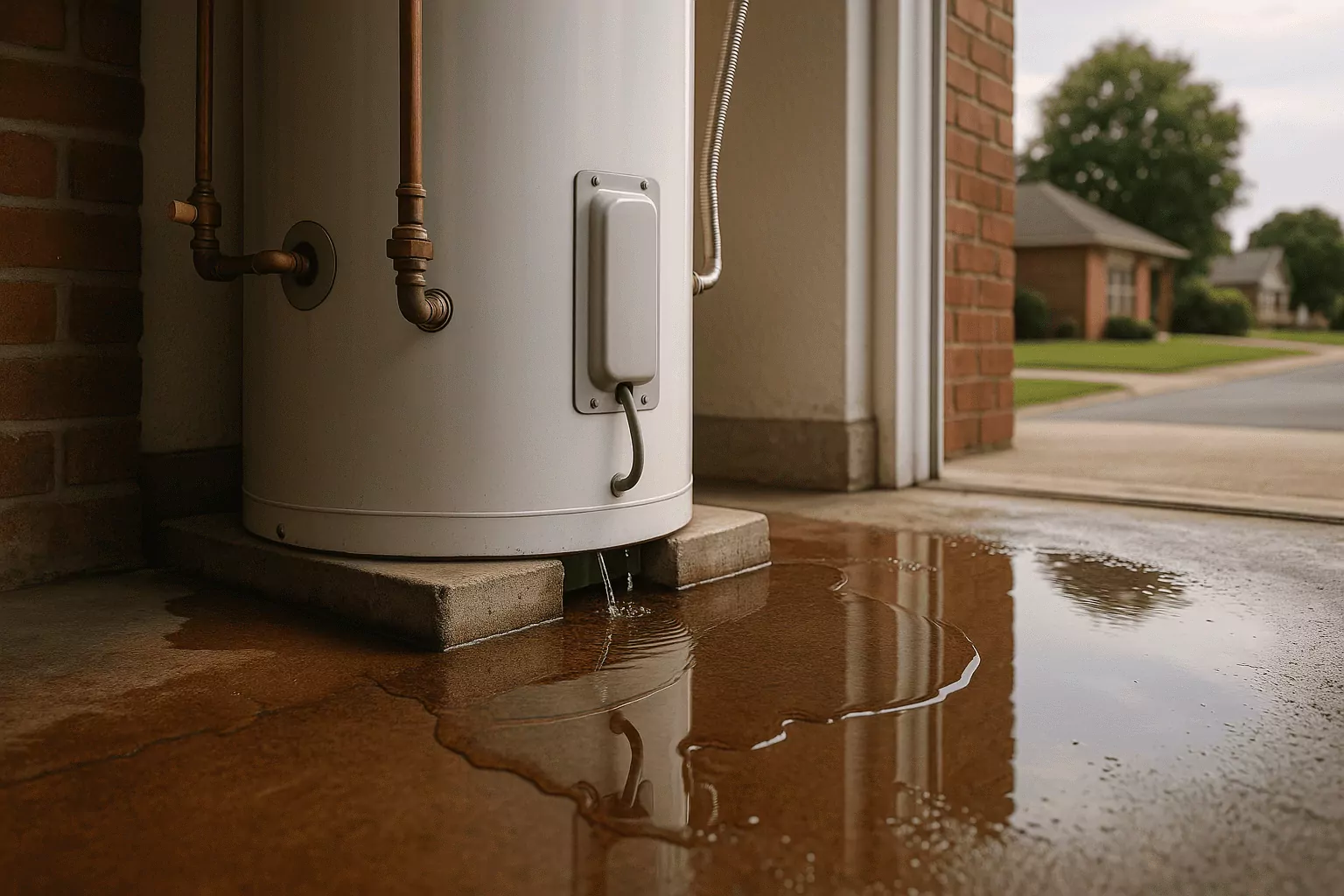
If you suspect a water heater leaking Bridge City home issues, acting quickly can save you from costly damage and extended downtime. Even a small drip from a tank, valve, or fitting can lead to warped flooring, mold growth, and higher utility bills over time. In Bridge City, where humidity can already be high, hidden moisture around your water heater accelerates corrosion and can shorten equipment lifespan. This guide explains how to spot the earliest warning signs, diagnose the source, and decide whether to repair or replace. We will also cover immediate steps to protect your property and when to call a licensed local pro for help. For fast help and more details, start here: water heater leaking Bridge City, and keep reading for practical, step-by-step insights.
Spotting the warning signs of a water heater leaking Bridge City home
Start with a careful visual inspection around the base of the tank, the top fittings, and the drain pan, if present. Look for fresh puddles, damp insulation, rust streaks, or mineral deposits that indicate slow, long-term seepage. In many Bridge City garages and utility rooms, minor pooling can evaporate quickly in warm conditions, so also watch for warped baseboards, musty odors, or peeling paint nearby. Check the temperature and pressure relief (T&P) valve discharge tube for drips, as a failing valve or excess pressure can mimic a tank failure. Finally, scan the hot and cold supply connections for intermittent leaks that only appear when the water heater fires or when hot water demand spikes.
Not all moisture signals a true leak; sometimes you are seeing condensation from temperature swings in Southeast Texas. If you notice widespread sweating on the tank exterior during hot, humid days, wipe the surface dry and recheck in an hour. Persistent wetness reappearing at a single joint or valve usually points to a leak rather than condensation. Brown or rust-colored water at a nearby floor drain, or on the pan, can indicate internal tank corrosion or a compromised anode rod. In older tanks, a faint sizzling sound may accompany drips landing on a warm burner plate, another subtle clue that requires attention.
Diagnosing the source: valves, fittings, and pressure problems in Bridge City
After confirming moisture, trace upward from the puddle to find the highest wet point, which is often the actual source. The drain valve near the bottom of the tank can leak due to a worn washer or sediment preventing full closure. The cold-water shutoff above the heater may weep at the stem packing, and flexible supply lines can develop pinholes where they bend. If the T&P valve is discharging intermittently, your home may have excessive water pressure or thermal expansion that requires an expansion tank. In coastal and regional supplies with varying hardness, sediment buildup can also overheat the tank bottom, stressing seams and accelerating leaks.
To rule out condensation, dry the tank completely and wrap paper towels around suspect joints, then check for dampness after a full heating cycle. If the leak only appears when someone showers or runs a dishwasher, focus on the hot-side outlet, nipples, and union fittings. For gas units, observe the burner area for water spots or rust flakes that indicate tank seepage above the combustion chamber. Electric units may trip a breaker if water reaches the thermostat or elements, another diagnostic clue. If you cannot isolate the source safely, schedule reliable water heater repair services so a licensed tech can pressure-test components and assess internal tank integrity.
Immediate steps to take when you discover water heater leaking Bridge City
Once you confirm leakage, your first priority is safety and loss prevention. Turn off power to the unit at the breaker for electric models, or set the gas control to pilot for gas units to reduce ignition risks. Close the cold-water shutoff valve on top of the heater to stop the supply and limit continued leaking. Place towels or a shallow container to catch drips, and, if available, ensure the drain pan is clear so water can exit via the drain line. Photograph the affected area for insurance records, and note any damage to walls, floors, or adjacent appliances.
If you are comfortable, you can drain a small amount of water from the tank via the drain valve to reduce pressure, but avoid fully draining without guidance if the tank is structurally compromised. For T&P valve discharge, do not cap or plug the line; this valve is a critical safety device. If a fitting appears loose, lightly snugging it may slow seepage, but avoid over-tightening, which can crack connections or damage threads. Bridge City homeowners often benefit from installing or checking a thermal expansion tank and a leak detector with a shutoff valve to prevent repeat incidents. When in doubt, call a pro immediately to avoid escalation and to keep your family safe.
Repair vs. replace: making the smart choice for Bridge City homes
Age is the biggest predictor: standard tank water heaters typically last 8-12 years, and persistent leaks in older units often signal end-of-life. If the tank itself is seeping, replacement is usually the safest and most economical path compared to patch repairs. Valve, drain, or connection leaks, by contrast, are often repairable, especially on younger units still under warranty. Consider your utility bills and recovery needs; replacing an aging, leak-prone unit with an efficient model can cut energy use and reduce future risk. In Bridge City, adding an expansion tank, drip pan with drain, and seismic or safety strapping can further protect floors and walls from future incidents.
Look at the full picture: cost of parts, labor, downtime, and potential property damage if the fix fails. As a rule of thumb, if a repair exceeds 50 percent of replacement cost on an out-of-warranty tank, replacement tends to be the better investment. Proactive upgrades such as dielectric nipples, new flex lines, and a smart leak detector offer inexpensive insurance against repeat problems. Review local code requirements and manufacturer instructions to ensure proper T&P valve discharge routing and pan installation. For a clear, line-item estimate and honest guidance, you can contact 409 Plumbing for same-day options tailored to your home and budget.
When you spot the first signs of trouble, treating a water heater leaking Bridge City home as an urgent task can save you time, money, and stress. Inspect obvious sources like the drain valve, supply connections, and T&P discharge, and do not confuse widespread condensation with a focused leak. Take immediate safety steps, shut off power and water, and document the area before calling a licensed pro. Evaluate repair versus replacement using age, warranty, and total risk to your home as decision points. Add safeguards such as a drip pan, expansion tank, and smart leak detector to reduce future incidents. For trusted local help, explore water heater services and upgrades.
Need fast, local service now in Bridge City, Orange, or Beaumont? Call 409 Plumbing at 409-444-0066. Our team provides same-day diagnostics, clear estimates, and code-compliant repairs or replacements tailored to your home. We proudly serve Orange, TX, Beaumont, TX, and Bridge City, TX with reliable, warrantied workmanship. If you are dealing with any sign of a leak, do not wait; contact 409 Plumbing today for rapid, professional help.
Frequently Asked Questions About Water Heater Leaks
How do I tell if it is condensation or a true water heater leak?
Dry the tank exterior completely and run a full heating cycle, then recheck after 30-60 minutes. If moisture reappears in beads across the entire surface during humid Bridge City weather, it is likely condensation. A true leak typically shows up at a single point like a fitting, drain valve, or the T&P discharge tube, often leaving mineral stains. Wrap paper towels around suspect joints to pinpoint the source more accurately. If condensation is frequent, consider insulating cold pipes, improving ventilation, or slightly raising the thermostat to reduce sweating while staying within safe limits per Energy.gov guidance.
Is a leaking water heater dangerous?
Yes, a leak can damage floors, walls, and belongings, and may create slip hazards or promote mold growth. For gas units, water intrusion can affect burner components and create unsafe combustion conditions if left unchecked. Electrical risks exist in electric tanks if water reaches thermostats or elements, which can trip breakers or damage wiring. The T&P valve is a critical safety device that prevents dangerous overpressure, so never cap it even if it is dripping. Address leaks promptly to lower risks and to avoid escalation that could result in significant property loss or health concerns; the EPA notes small leaks can add up quickly in wasted water and secondary damage (EPA WaterSense).
What should I do first when I find my water heater leaking Bridge City?
Shut off power to the unit and close the cold-water supply valve to stop ongoing flow. Contain water with towels or pans, and document the area for potential insurance claims. Avoid DIY fixes that compromise safety devices, especially the T&P valve discharge line. If the leak source is unclear, do not fully drain the tank, as a compromised tank could shift or worsen when emptied. Call a licensed plumber for a rapid assessment and a safe plan to repair or replace the unit in compliance with local codes.
Can high water pressure or thermal expansion cause my water heater to leak?
Yes, excessive household pressure or thermal expansion can force the T&P valve to discharge or stress fittings and tank seams. A simple pressure test can reveal if your static pressure exceeds recommended levels, often around 80 psi per code. Installing a pressure-reducing valve and a properly sized thermal expansion tank can stabilize your system. In Bridge City homes with frequent temperature swings or closed plumbing systems, these controls are especially important. A professional can size and install these components to protect your water heater and extend its service life.

Registered Master Plumber Texas State Board of Plumbing Examiners
RMP #44702
Licensed and Bonded
Cities Serviced
409 Plumbing
Follow Us On
© 2026 409 Plumbing. All Rights Reserved.
Website Design and Hosting Provided by LocalBizBuzz,co