
24 Hour Service
Call 409-444-0066
Signs You Need Tankless Water Heater Service in Beaumont TX
Identify key warning signs that indicate your tankless water heater needs service to ensure reliable hot water in Beaumont, TX.
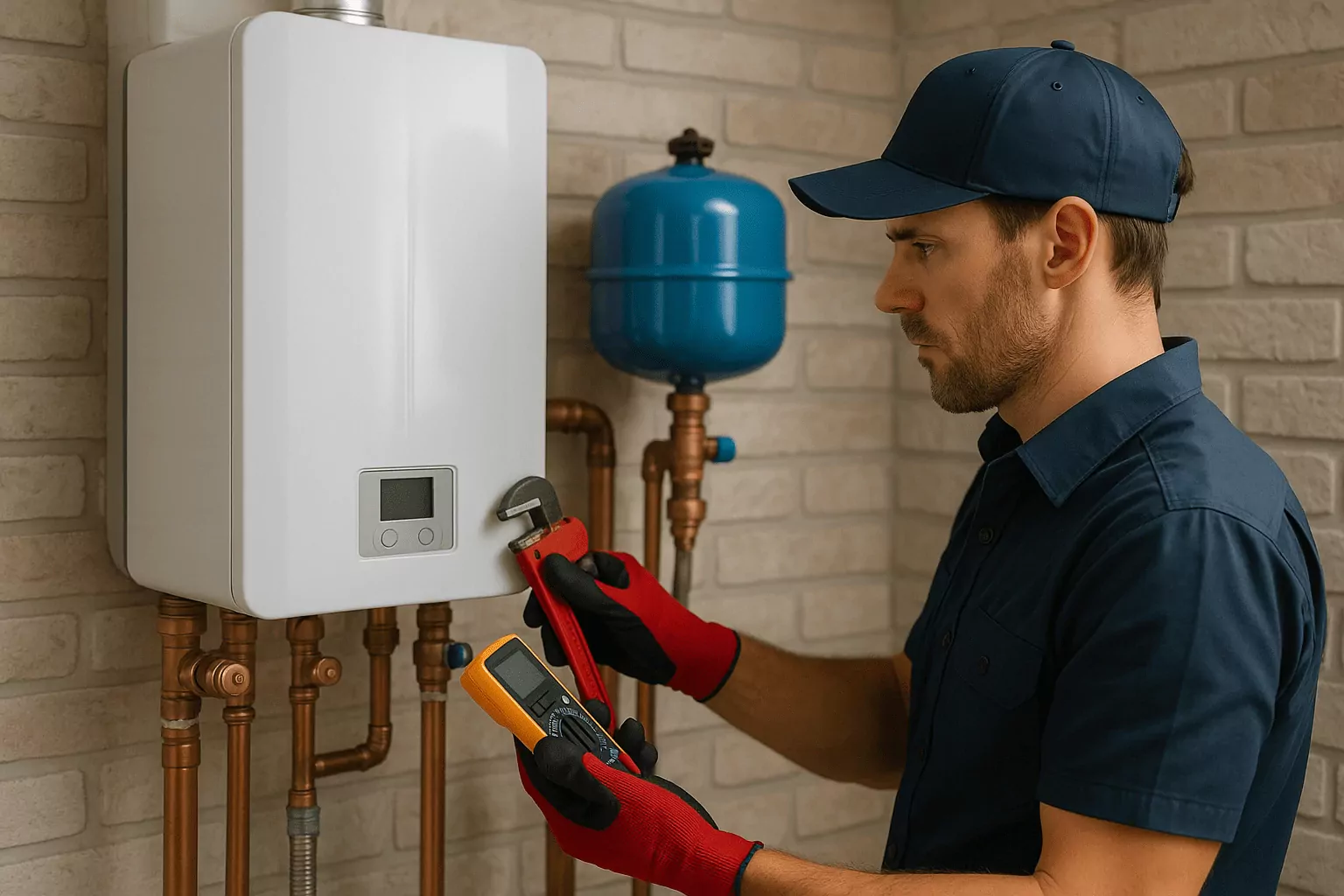
When your on-demand system starts acting up, knowing the early signs can save you money and stress. Homeowners often miss subtle clues that point to necessary tankless water heater service in Beaumont TX, leading to bigger repairs later. From fluctuating temperatures to odd error codes, many symptoms are easy to spot if you know what to look for. Local water conditions in Southeast Texas, including hard water and sediment, make regular maintenance even more important. In this guide, we break down the most common issues, why they happen, and what to do about them. You will also learn when DIY checks are safe and when it is time to call a licensed professional for fast, reliable help.
Temperature Swings, Lukewarm Water, and Inconsistent Performance: When to schedule tankless water heater service in Beaumont TX
If you notice showers alternating between hot and cold without touching the controls, your unit may be short-cycling or suffering from scale buildup on the heat exchanger. Scale forms faster in areas with hard water, which includes many neighborhoods around Beaumont, Orange, and Bridge City. A partially blocked heat exchanger forces the system to work harder, often causing temperature instability and reduced efficiency. Homeowners sometimes blame the fixture, but inconsistent temperatures across multiple faucets point to the heater. Scheduling professional descaling and a combustion tune-up restores steady output and can prevent premature wear.
Lukewarm water is another red flag that indicates your tankless system is underperforming. This can occur when the set point is correct, but mineral buildup limits heat transfer or a failing thermistor is misreading water temperature. In some cases, the gas supply is insufficient under peak demand, especially in older homes where gas lines were not sized for modern on-demand units. Licensed plumbers can run diagnostic tests to verify burner performance, check inlet gas pressure, and confirm that venting is clear. Correcting these issues quickly improves comfort and lowers energy use.
Real-world example: A Beaumont family reported shower temperatures that swung wildly during morning routines. Our team found extensive scale on the heat exchanger and a partially clogged cold-water inlet filter. After a thorough flush, filter cleaning, and recalibration, their temperature stabilized, and hot water recovery improved immediately. The family also opted for annual service to keep buildup under control given local water hardness. Proactive maintenance prevented repeated disruptions during busy weekdays.
Low Flow, Slow Starts, and Hot Water Lag: Signs you need tankless water heater service Beaumont TX
If your tankless unit takes longer than usual to deliver hot water, you may be dealing with a restricted inlet screen, scaled aerators, or a failing flow sensor. Because tankless heaters activate at a minimum flow rate, a partially blocked aerator or showerhead can keep the unit from turning on promptly. The result is a frustrating delay and extra wasted water. Regularly cleaning faucet aerators and showerheads helps, but persistent lag often points to problems inside the heater. A trained technician can clean or replace the flow sensor and confirm proper activation thresholds.
Reduced water pressure at hot taps, but normal pressure at cold taps, is a classic sign of internal restriction. In Southeast Texas, sediment from municipal line work or private wells can accumulate in inlet filters and internal passages. Once restrictions build, your unit may cycle off or fail to maintain consistent output under multiple fixtures. Professional maintenance includes cleaning filters, flushing the heat exchanger, and verifying that check valves and mixing valves move freely. These steps restore performance and extend system life.
Case study from Orange, TX: A homeowner experienced weak hot water flow in the kitchen and primary bath, but cold water flow was fine. Inspection revealed a clogged inlet screen and scale on the recirculation check valve. After a complete flush, screen cleaning, and valve service, hot flow returned to normal across the home. The homeowner added a whole-home sediment prefilter to reduce future buildup and protect the heater between service visits.
Error Codes, Ignition Failures, and Safety Alerts: Critical cues for tankless water heater service Beaumont TX
Modern tankless heaters display error codes that can pinpoint problems like ignition failure, flame loss, overheating, or vent blockage. Frequent ignition failures may be caused by dirty flame sensors, insufficient gas pressure, or a failing igniter. If you smell gas, hear repeated clicking without sustained ignition, or see soot near the vent, shut the unit down and call a professional immediately. Safety checks by a licensed plumber include gas leak testing, combustion analysis, and verification that venting follows manufacturer clearance and slope requirements.
Electrical issues can also trigger fault codes and intermittent shutdowns. Loose wiring, corroded connectors, or fluctuating line voltage can cause nuisance trips and service interruptions. In coastal and high-humidity areas around Beaumont and Bridge City, corrosion at terminals and boards is more common. A trained technician will inspect the control board, verify ground and polarity, and test safety switches and sensors. Addressing small electrical issues early helps prevent costly board replacements later.
Remember that error codes vary by brand. Consult your owner manual and avoid clearing codes repeatedly without diagnosis. Repeated resets can mask underlying hazards like blocked venting or overheating. For reference on how tankless systems operate and common safety considerations, review authoritative guidance from the U.S. Department of Energy. See the DOE overview of demand-type water heaters for general best practices: DOE Energy Saver: Tankless Water Heaters. When in doubt, schedule a professional inspection to translate codes into clear action.
Unusual Noises, Higher Utility Bills, and Water Quality Problems: Practical reasons to book tankless water heater service in Beaumont TX
Lime-scale popping, whistling, or rumbling noises suggest turbulent water moving across mineral deposits inside the heat exchanger. These sounds often grow louder right before performance drops or energy bills rise. Because scale acts like an insulator, your burner must run longer to achieve the same outlet temperature. That extra runtime increases fuel use and wear on key components. A descaling flush and a system tune-up quiet the unit and restore efficiency.
Rising gas or electric bills without lifestyle changes can be a hidden sign of declining efficiency. In one Bridge City case, a homeowner saw a 15 percent increase in energy use quarter over quarter. Our diagnostics found a partially fouled heat exchanger and a miscalibrated outlet thermistor. After cleaning and recalibration, the homeowner's energy consumption returned to normal and hot water delivery improved. Monitoring bills over time is a simple way to catch trends that warrant service.
Water quality is critical for tankless longevity in Southeast Texas. Hard water accelerates mineral accumulation, while sediment can clog screens and valves. Consider these preventative options to protect your investment:
Inconsistent temperature, lower flow, rising utility bills, and error codes are all signals that it is time to book professional tankless water heater service in Beaumont TX. Addressing these issues early prevents surprise breakdowns and keeps your on-demand system running efficiently year-round. Whether you live in Beaumont, Orange, or Bridge City, local water conditions make annual service and smart filtration essential. For trustworthy help, call 409 Plumbing at 409-444-0066. Explore our plumbing services, request an estimate through our contact form, and learn more tips on our blog. When you are ready, schedule tankless water heater service Beaumont TX and get fast, professional results you can count on.
Frequently Asked Questions About When to Install a Tankless Water Heater
How often should I schedule tankless water heater service in Beaumont TX?
In our region, most homes benefit from annual service to counter hard water and sediment. If your household has heavy hot water use, or if you notice error codes or temperature swings, consider biannual checks. An annual visit typically includes a full descaling flush, inlet screen cleaning, combustion inspection, and performance calibration. This routine keeps efficiency high, supports safer operation, and can help maintain manufacturer warranty requirements. Ask your plumber to document readings, such as gas inlet pressure, temperature rise, and CO levels, for trend tracking year over year. Preventative care is almost always more cost-effective than emergency repairs.
Can I flush and descale my tankless water heater myself?
Some homeowners handle basic flushing with a pump, hoses, and a descaling solution, especially if the isolation valves are installed. However, professional service goes beyond flushing by checking combustion, sensors, venting, and gas pressure, which most DIY setups cannot measure accurately. If your unit displays error codes, fails to ignite, or shows soot at the vent, skip DIY and call a licensed plumber. Incorrect procedures can damage gaskets, sensors, or the heat exchanger, and may void warranties. For brand-specific guidance, consult your manufacturer's support resources, such as Rinnai Support. When in doubt, schedule a pro to ensure safe, complete maintenance.
What are the most common signs that I need immediate tankless water heater service Beaumont TX?
Urgent signs include the smell of gas, visible soot or scorch marks, frequent ignition failures, and error codes related to overheating or vent blockage. Sudden loss of hot water across the home, especially combined with clicking or cycling, also points to a serious issue. If you experience these symptoms, turn off the heater and contact a licensed professional right away. Quick action helps prevent damage to the unit and reduces safety risks for your household. Keep the model number and any displayed error codes handy to speed diagnosis. A prompt, expert response often turns an emergency into a same-day repair.
How does local water quality in Southeast Texas affect my tankless heater?
Many communities around Beaumont, Orange, and Bridge City have moderately hard to hard water, which accelerates scale buildup on heat exchangers. Sediment from main line work or private wells can also clog inlet screens and flow sensors. These factors reduce efficiency, cause temperature swings, and increase the likelihood of error codes and shutdowns. Installing a prefilter and, when appropriate, a softening solution dramatically lowers maintenance frequency and costs. Pair water treatment with annual professional service to maintain stable temperatures and reliable activation. This local approach protects your heater and keeps operating costs in check.

Registered Master Plumber Texas State Board of Plumbing Examiners
RMP #44702
Licensed and Bonded
Cities Serviced
409 Plumbing
Follow Us On
© 2026 409 Plumbing. All Rights Reserved.
Website Design and Hosting Provided by LocalBizBuzz,co