
24 Hour Service
Call 409-444-0066
Preventing Water Heater Leaking from Bottom: Tips for Orange Homeowners
Protect your home from damage with practical tips to stop water heaters from leaking at the bottom in Orange.
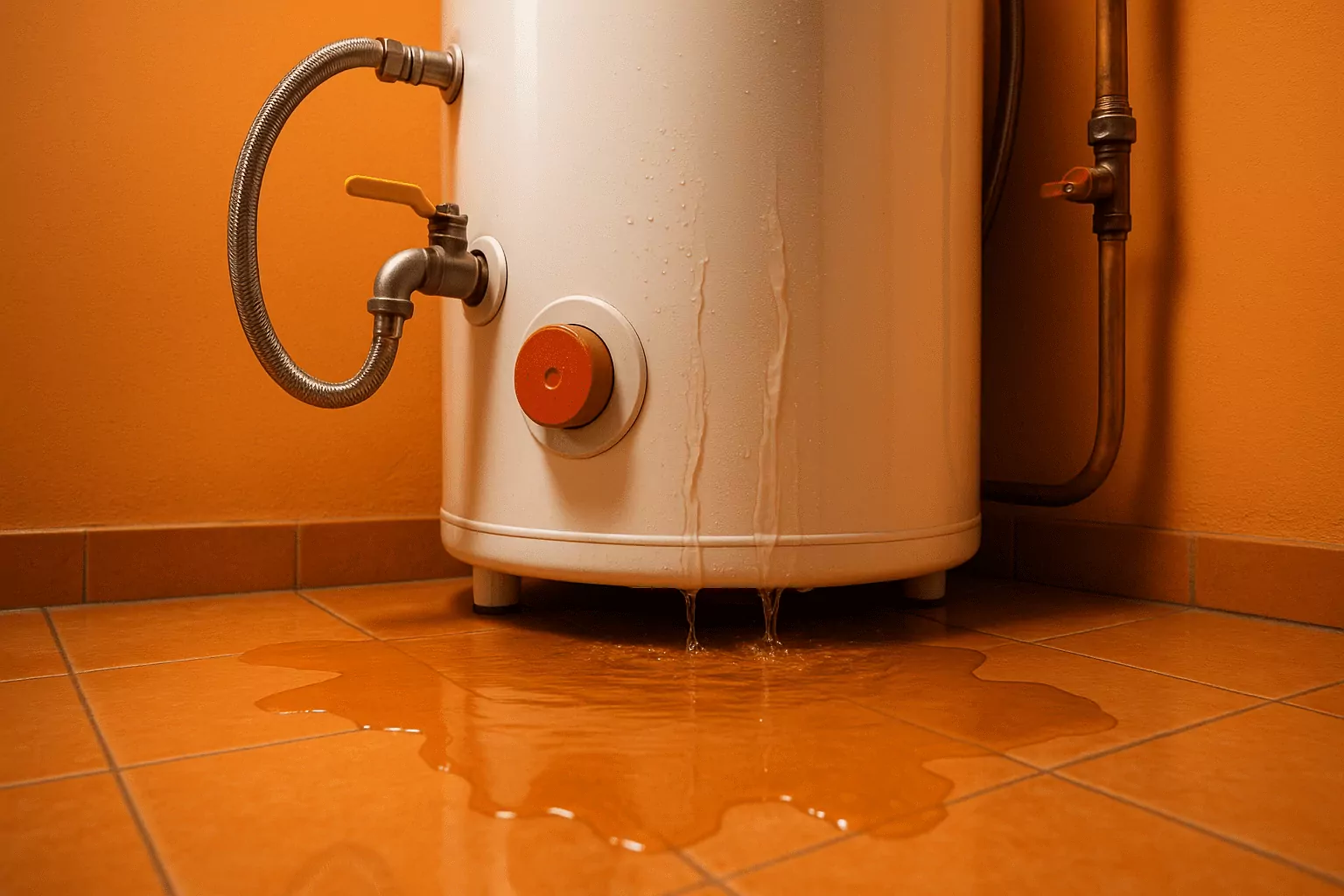
If you have noticed moisture around your water heater base, you are right to act fast. A water heater leaking from bottom Orange homes can signal anything from a loose drain valve to internal tank corrosion. In our humid Gulf Coast climate, small drips can turn into costly water damage and mold. This guide explains causes, prevention, and repair steps tailored to Orange, Beaumont, and Bridge City homeowners. You will learn how to spot early warning signs, perform smart maintenance, and know when to call a licensed pro. For quick reference, we also link to proven manufacturer tips and safety codes. If you need immediate help, bookmark this page and consider this resource on water heater leaking from bottom Orange your local playbook.
Early warning signs and why water heater leaking from bottom Orange homes face them
Puddles near the water heater base are only one sign of trouble. You might first see a damp pan, rust tracks along the bottom seam, or a faint hiss from the drain valve. In Orange, elevated humidity and frequent barometric swings can make harmless condensation look like a leak. Distinguishing condensation from an actual leak matters, because a true bottom leak often means internal damage. Use a dry paper towel around the drain valve, cold-water inlet, and seams to locate moisture points. If the towel dampens at the bottom seam or pan outlet, plan for immediate troubleshooting.
Local water quality also plays a role in bottom leaks. Sediment from municipal supply can settle in the tank, causing hot spots that crack the glass lining over time. As the anode rod depletes, corrosion accelerates and seepage may appear near the base. In homes around Old Orange neighborhoods, older heaters without pan drains are more likely to spread water across the floor. That unmanaged moisture can wick into baseboards and framing. The longer it stands, the higher the risk of mold and musty odors.
Consider a real example from a Bridge City homeowner who found a quarter-sized spot under a 50-gallon electric water heater. The initial suspicion was condensation after a cool front, but a quick tissue test revealed a slow drip from the plastic drain valve. Replacing that valve and flushing out heavy sediment stopped the leak within an hour. Another Orange client had a similar puddle but from a failed tank seam, which required full replacement. The takeaway is simple: diagnose quickly and match the fix to the cause to avoid escalation.
Step-by-step maintenance to prevent water heater leaking from bottom Orange properties
Start with a controlled flush to remove sediment that can overheat the tank bottom. Turn off power or set the gas control to pilot, shut water supply, attach a hose to the drain valve, and drain a few gallons until it runs clear. Refill slightly, repeat, and close the valve snugly without overtightening. Testing the T&P relief valve annually ensures safe pressure release, which helps protect the tank shell. Finally, inspect the pan and drain line to confirm they are clear and sloped to a safe discharge point.
Proactive anode rod replacement is one of the best protections for Orange homeowners. Check the rod every two to three years, or sooner if your water is mineral-heavy. A depleted rod accelerates corrosion, which often shows first as seepage near the bottom seam. Combine this with a yearly thermostat check to prevent overheating and thermal stress. If you lack shutoff valves, consider installing high-quality quarter-turn valves for safer maintenance.
Consider adding an expansion tank if your home has a closed plumbing system or if pressure spikes are common. Thermal expansion can stress the tank and fittings, leading to weeping at the base. An inexpensive leak sensor with a loud alarm in the pan adds early-warning protection. For complete peace of mind, have a licensed plumber evaluate your heater age, brand support, and warranty. If you prefer professional maintenance, explore our local service options at water heater repair and schedule help via our contact form.
Troubleshooting water heater leaking from bottom Orange: valves, tank, and pan
Begin at the drain valve, a frequent culprit for bottom-area puddles. Plastic valves can warp and seep; brass replacements often provide a durable fix. If tightening the cap and applying fresh Teflon tape slows but does not stop the drip, replace the valve. Next, inspect the cold-water inlet and hot outlet above the tank to rule out upper leaks that travel down the jacket. A mirror or dry cloth helps confirm whether water is originating up top or truly from the base.
Move to the T&P relief valve and discharge line, which should drain to a visible location. If the T&P line is warm or shows steady dripping, your system may have excessive pressure or temperature, not a bottom seam failure. Address high pressure with a pressure-reducing valve and, if needed, an expansion tank. If water appears directly from the tank seam or under the insulation at the bottom, the glass lining is likely compromised. At that point, replacement is usually more economical and safer than repair.
Do not overlook the pan and drain routing, especially in slab-on-grade Orange homes. A pan without a proper drain can overflow and hide the true source, making diagnosis harder. Verify that the pan has a dedicated line to daylight or an approved receptor, not tied into a sewer-vent path. When in doubt, call a licensed pro before making changes that could affect safety.
Local code, safety, and upgrade options to stop water heater leaking from bottom Orange homes
Orange-area installations typically follow International Plumbing Code standards adopted locally. Most require a corrosion-resistant pan with proper drainage for water heaters located in or above spaces where leakage could cause damage. Pan drains should slope to an approved location and never rely on pumps that can fail without alarms. Seismic strapping is less common in our region but secure bracing is still good practice to relieve stress on connections. A properly sized shutoff upstream of the heater is essential for safe service.
Safety components protect both people and property. A functioning T&P relief valve is non-negotiable, and testing it requires care to avoid scalding. Thermostats should be set to the recommended range for efficiency and safety, often around 120 F. For energy guidance that also reduces system stress, consult the U.S. Department of Energy overview at Energy Saver: Water Heating. Pairing energy best practices with routine checks can extend tank life and prevent bottom leaks.
When planning upgrades, choose parts and methods backed by manufacturers. If your heater is 8-12 years old, compare repair costs to a high-efficiency replacement with a warranty. During replacement, add a brass drain valve, deeper pan, and leak alarm as standard. For personalized recommendations and estimates in Orange, Beaumont, and Bridge City, check our local insights on the water heater maintenance blog or call us directly.
Stopping a water heater leaking from bottom Orange homes starts with fast detection and smart maintenance. By flushing sediment, checking the anode rod, and upgrading valves and pans, you reduce the risk of sudden failures. When leaks appear, isolate the source, protect your space, and call a licensed plumber if the tank seam is compromised. For expert help, contact 409 Plumbing at 409-444-0066. We proudly serve Orange, Beaumont, and Bridge City with repair, replacement, and preventive maintenance. Schedule service now at our contact form or learn more at water heater repair and our local blog.
Frequently Asked Questions About Water Heater Leaking From Bottom
Why is my water heater leaking from the bottom in Orange, TX?
The most common reasons are a weeping drain valve, internal tank corrosion, a warm T&P discharge, or a blocked pan drain. Sediment buildup at the tank floor can create hot spots that damage the lining, leading to seepage at the base. Our Gulf Coast humidity can also cause condensation that mimics leakage, especially after temperature swings. Use a dry tissue test to confirm the source and check whether the water is warm. Warm water near the base often signals an internal issue. If the leak is steady or growing, shut off water and power and call a licensed pro.
Can I keep using hot water if the tank is leaking from the bottom?
It is not recommended to keep running a heater with a suspected bottom leak. Internal corrosion can rapidly worsen, and the tank could fail suddenly, releasing significant water. Continued operation also risks scalding, electrical hazards for electric models, and gas control damage for gas units. Turn off power or set gas to pilot, close the cold-water supply, and drain to reduce damage. If the leak is from the drain valve and minor, a quick repair may restore safe use. When in doubt, call 409 Plumbing for guidance before resuming operation.
How often should I flush my water heater in Orange to prevent bottom leaks?
Most homes benefit from an annual flush, and some with higher mineral content may need a partial flush every six months. Flushing helps remove sediment that overheats the tank bottom and shortens life expectancy. Pair flushing with an anode rod inspection every two to three years for balanced protection. Keep thermostat settings reasonable to reduce thermal stress on the shell. For additional efficiency and care tips, review the Department of Energy resource at Energy Saver: Water Heating. Regular maintenance is far cheaper than repairing water damage from bottom leaks.
What emergency help does 409 Plumbing provide for a bottom leak?
We respond with rapid shutoff, safety checks, and targeted diagnosis to stop active leakage. Our team carries common parts like brass drain valves, anode rods, and pan drains to make same-day fixes when feasible. If replacement is required, we help size and install a code-compliant unit with proper pan and drain routing. We also set up leak alarms and discuss expansion control for long-term protection. Call 409 Plumbing at 409-444-0066 for urgent service in Orange, Beaumont, and Bridge City. You can also request help online at our contact page anytime.

Registered Master Plumber Texas State Board of Plumbing Examiners
RMP #44702
Licensed and Bonded
Cities Serviced
409 Plumbing
Follow Us On
© 2026 409 Plumbing. All Rights Reserved.
Website Design and Hosting Provided by LocalBizBuzz,co