
24 Hour Service
Call 409-444-0066
Preventing Root Intrusion: Tips for Maintaining Your Sewer Line in Bridge City
Protect your sewer line in Bridge City from costly root intrusion with practical maintenance tips for homeowners.
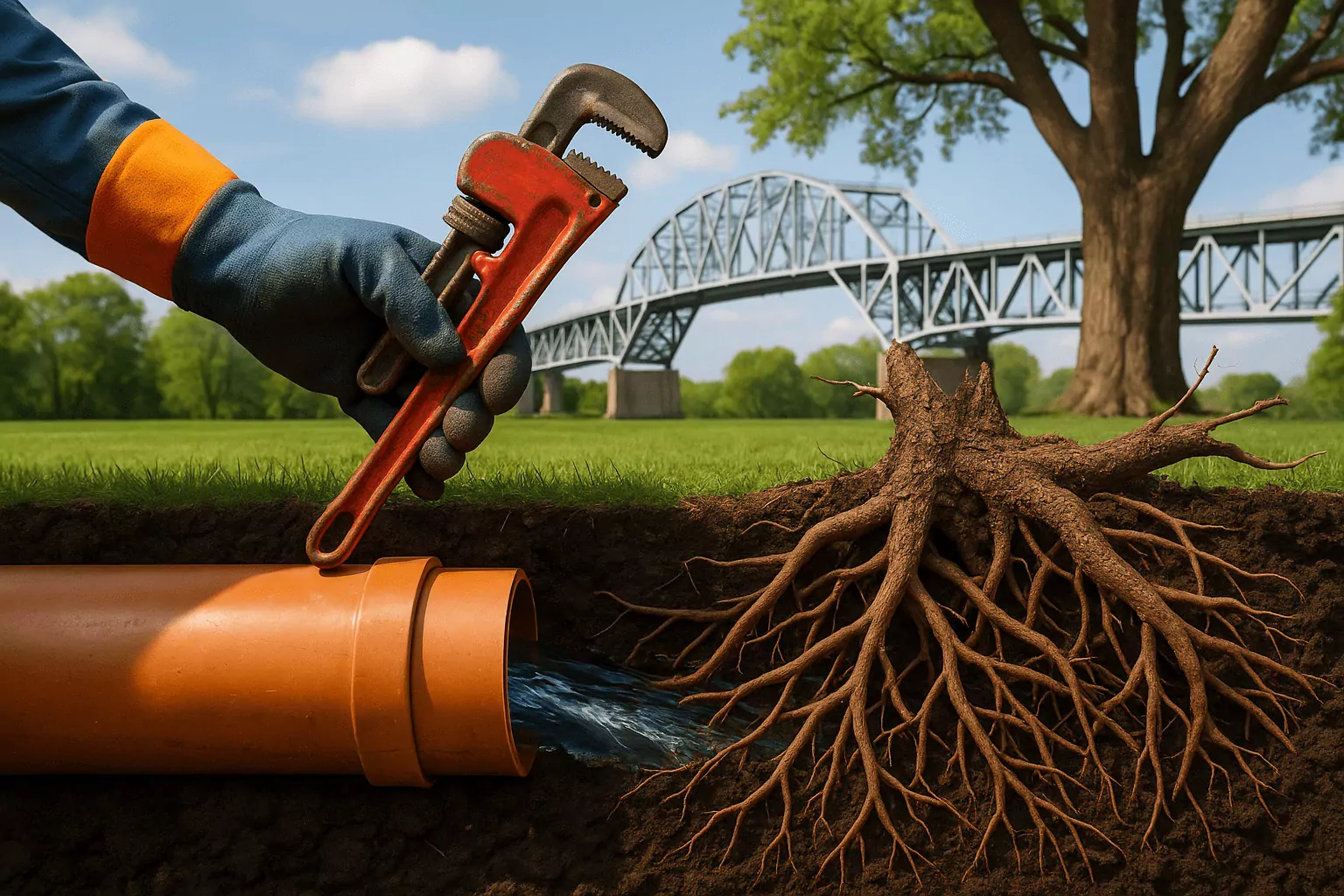
Bridge City homeowners know that our Gulf Coast climate is great for trees and lawns, but that same lush growth can create a serious plumbing threat: root intrusion in your sewer line. If you have wondered how to stop root intrusion sewer line Bridge City problems before they start, this guide delivers practical steps that work. Roots naturally seek moisture and oxygen, and small cracks or joints in older clay or cast iron laterals are easy entry points that lead to clogs, slow drains, and costly backups. Proactive maintenance, smart landscaping, and timely inspections are the keys to keeping wastewater flowing and protecting your property. Backed by local expertise from 409 Plumbing in Orange, we will walk you through prevention, detection, and repair options that suit Bridge City, Orange, and Beaumont homes.
Understanding root intrusion sewer line Bridge City: How and why it happens
Tree roots follow water vapor and nutrient gradients in soil, and sewer laterals often offer exactly what roots want: consistent moisture and air exchange. In Bridge City, many older homes still use vitrified clay or cast iron laterals with joints or corrosion pitting that allow hairlike root fibers to slip inside. Once in the pipe, those tiny fibers expand into dense mats that trap toilet paper, wipes, and grease, which quickly form a stubborn blockage. Our clay-rich soils and high water table can push and shift pipes, widening vulnerable joints and accelerating infiltration. Over time, root intrusion not only causes frequent clogs but can also deform or crack pipes, creating leaks that worsen the problem and raise the risk of yard sinkholes or foundation issues.
Consider a typical Bridge City bungalow with mature oaks shading the front yard and a lateral installed decades ago. The homeowners notice a slow main drain every few months, call for a quick snake, and things improve temporarily. Inside the pipe, however, roots are finding oxygen at imperfect joints and feeding on the constant trickle of wastewater, which is described in arboriculture guidance as a classic root-foraging behavior. Authoritative resources like the International Society of Arboriculture explain that roots grow opportunistically toward moisture and available space, which is why compromised laterals are so attractive to them; see the ISA's overview at treesaregood.org. Without a targeted plan, these temporary fixes repeat, allowing root masses to thicken, joints to spread, and infiltration to increase.
The longer roots remain, the more expensive solutions tend to become, particularly when structural damage occurs. Small intrusions can often be managed with mechanical cutting and hydro jetting, it. Newer PVC laterals, particularly Schedule 40 or SDR-rated pipe with solvent-welded joints, offer far better long-term resistance to root ingress. Still, even PVC systems benefit from cleanouts and regular inspection to catch early signs of intrusion at transitions or fittings. Understanding these mechanics helps Bridge City homeowners take informed steps to reduce risk and plan maintenance on a sensible schedule.
Early warning signs and inspections for root intrusion sewer line Bridge City
Early recognition is the difference between a quick cleaning and an emergency backup. Watch for slow-draining tubs and showers, gurgling toilets, repeated mainline clogs, and sewage odors near the yard or cleanout. Another red flag is a persistent wet spot or unusually green stripe along your sewer route, which may signal a leak feeding roots. If these symptoms appear more than once or twice a year, schedule a camera inspection to confirm what is happening inside the pipe. 409 Plumbing provides video inspections that document the pipe condition, pinpoint root intrusions, and identify structural defects before they escalate.
During a video inspection, a high-definition camera travels from the cleanout through the lateral to the city tap, recording every joint, offset, and obstruction. Locating equipment maps the line's path and depth, which helps plan targeted cleaning or without guessing. You will see exactly where intrusion is happening, how severe it is, and whether the pipe has cracks, bellies, or corrosion that requires more than routine cutting. Establishing a baseline video also supports smart asset management of your home's plumbing, a best practice echoed in wastewater infrastructure guidance like the ASCE report card at infrastructurereportcard.org. With clarity on the pipe's condition, you can choose the right remedy with confidence.
We often recommend installing or exposing an accessible two-way cleanout if one is missing, which simplifies future maintenance and reduces service time. For homeowners in Beaumont and Orange who experience seasonal slowdowns after heavy rains, inspections just before hurricane season can be especially helpful. Roots grow more aggressively in warm, wet conditions, so catching intrusion early prevents a summer growth spurt from becoming a fall emergency. After your inspection, request a written report and video file; these records are valuable for future resale or warranty discussions. Having a clear picture of your lateral's health makes budgeting and scheduling routine maintenance straightforward.
Prevention strategies for root intrusion sewer line Bridge City
Prevention starts above ground with thoughtful planting and root management around your lateral. Map your sewer route, then select species and planting distances that minimize intrusion risk; thirsty, aggressive-root trees should be kept farther from the line. Mechanical root barriers installed between trees and the lateral can redirect growth downward and away from pipes when properly designed and installed. Avoid overwatering along the lateral's path because consistent surface moisture encourages root proliferation toward the pipe. Before any digging or barrier installation, always contact Texas 811 to locate utilities; see texas811.org to schedule a free locate.
Inside the pipe, scheduled maintenance is your best defense in Bridge City's fast-growing environment. A routine plan might include annual or semiannual hydro jetting and periodic mechanical cutting, based on inspection findings and nearby tree density. Many homeowners aim to jet just before peak growth or storm seasons to clear nascent root hairs that have not formed dense mats. If your inspection uncovers minor defects, consider proactive spot repairs to seal joints before roots take hold. To build a prevention plan or book maintenance, you can contact 409 Plumbing or explore our sewer line repair services for details.
Treatment and repair options for root intrusion sewer line Bridge City
When roots have already invaded, the first step is usually mechanical cutting paired with hydro jetting to remove organic blockages and flush debris. Mechanical cutters shear roots at the intrusion point, while high-pressure water scours pipe walls and clears trapped solids that cause recurring clogs. This combination is effective for many Bridge City homes with moderate root growth and intact pipe walls. However, repeated snaking without inspection can scar older materials and does not address cracks or gaps that invite new root growth. Always follow cleaning with a camera inspection to verify results and decide whether sealing or structural repair is warranted.
Point repairs can target short sections, while full-length liners address widespread defects, and both are common in Orange County neighborhoods with mature trees. Many of these methods follow industry standards from organizations such as NASSCO; learn more at nassco.org to understand quality practices and inspections.
For some properties, conventional excavation still makes sense, especially when only a short segment has failed or when grades and utilities complicate work. In those cases, upgrading to solvent-welded PVC with proper bedding, slope, and cleanouts significantly reduces future intrusion risk. 409 Plumbing can evaluate soil conditions, nearby utilities, and your landscaping plan to choose the right strategy and protect your yard. We routinely serve Bridge City, Orange, and Beaumont, tailoring solutions to Gulf Coast soils and seasonal rain patterns. To discuss options, request a site visit through our contact page or review traditional solutions on our sewer repair services page.
Root intrusion is common in Bridge City, but you can stay ahead of it with smart planting, routine inspections, and timely maintenance. By understanding how roots enter lines and responding to early warning signs, you will prevent backups, protect your yard, and extend the life of your lateral. If you are ready for an inspection or want a customized prevention plan, 409 Plumbing is here to help with local expertise across Bridge City, Orange, and Beaumont. Call 409 Plumbing at 409-444-0066 or visit our contact form to schedule service, and explore our sewer line repair services for detailed options. We are proud to protect our neighbors' homes from costly root-related sewer issues.
Frequently Asked Questions About Sewer Root Intrusion
What causes tree roots to invade my sewer line in Bridge City?
Roots are naturally drawn to moisture and oxygen, and sewer lines with small gaps, cracks, or older joints often provide both. In Bridge City's wet, warm climate, roots grow rapidly and exploit even hairline openings at pipe joints, wyes, and transitions. Saturated soils and seasonal storms can shift older clay or cast-iron laterals, making joints more vulnerable to intrusion. Once inside, roots expand and trap debris, creating a cycle of slow drains and recurring clogs. Without inspection and sealing of the entry points, roots simply regrow after each basic cleaning.
How do I know if I have root intrusion or just a normal clog?
Frequent mainline clogs, sewer odors in the yard, gurgling toilets, and a greener stripe over the lateral are strong clues of root activity. A standard clog might resolve for a long time after a single cleaning, but root intrusions usually recur within months as fibers regrow. The gold standard is a camera inspection that shows root mats, joint separations, or cracks and documents where they are located. If you suspect intrusion, schedule an inspection before repeated snaking, which can mask underlying defects and cost more over time. 409 Plumbing provides video verification so you can see the issue, choose the right fix, and avoid guesswork.
Are foaming root killers safe for my pipes and yard?
Foaming root control products can suppress small intrusions when used correctly, but they are not permanent solutions for structural defects. Always follow product labels and local regulations, and be mindful of runoff, pets, and nearby waterways when considering any chemical treatment. Most products work best as part of a broader plan that includes mechanical cutting, hydro jetting, and sealing the actual entry points. In PVC systems with sealed joints, chemical control is seldom necessary, while older materials may benefit from supplemental use. Consult a licensed plumber to determine whether chemical treatments are appropriate for your pipe material and local conditions.
How much does it cost to fix root intrusion in Bridge City?
Costs vary widely based on severity, pipe material, access, and whether structural repairs are needed. Simple mechanical cutting and jetting are typically the most affordable, while digging trenches are larger investments with long-term benefits. Video inspections are modest compared to repair costs and help you avoid unnecessary work by clarifying the exact problem. Homes with mature trees and older laterals may plan for periodic maintenance rather than one-time fixes to control lifetime costs. The best way to budget is to start with an inspection and a written estimate from a local pro like 409 Plumbing.

Registered Master Plumber Texas State Board of Plumbing Examiners
RMP #44702
Licensed and Bonded
Cities Serviced
409 Plumbing
Follow Us On
© 2026 409 Plumbing. All Rights Reserved.
Website Design and Hosting Provided by LocalBizBuzz,co