
24 Hour Service
Call 409-444-0066
How to Resolve Tankless Water Heater Error Codes:
A Beaumont Homeowners Guide
Master the art of troubleshooting tankless water heater error codes to keep your Beaumont home running smoothly.
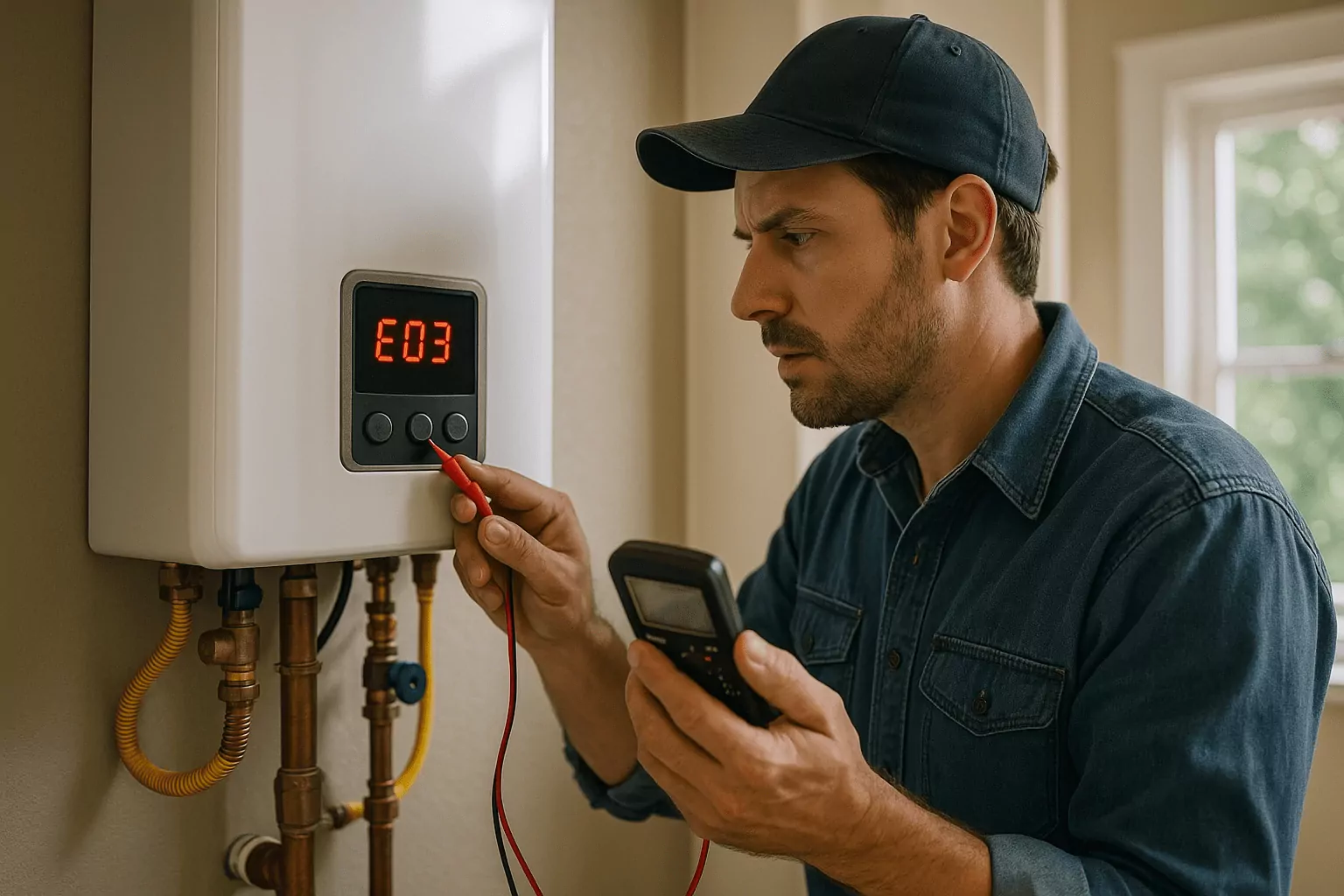
If your hot water suddenly turns cold and a cryptic code flashes on your display, you are not alone. For many Southeast Texas households, tankless water heater error code troubleshooting Beaumont starts with understanding what the unit is trying to tell you. Error codes are designed to protect the system and guide quick fixes, from simple filter cleanings to gas supply checks. In this guide, we break down common codes, practical steps, and when to call a pro so you can restore reliable hot water fast. Along the way, we will share local insights from Beaumont, Orange, and Bridge City homes, where water quality, humidity, and seasonal temperature swings can influence performance. For a quick reference or service help, bookmark this page and consider our local support through tankless water heater error code troubleshooting Beaumont.
Understanding error codes and brand differences for tankless water heater error code troubleshooting Beaumont
Error codes vary by manufacturer, but they generally point to fuel, air, water flow, ignition, or temperature issues. For example, many Rinnai units use Code 10 for improper air supply and Code 11 for ignition failure, while Navien models may show E003 or E012 for similar faults. These differences matter when you are diagnosing quickly in a Beaumont home, because a windy day, a clogged intake screen, or low gas pressure can trigger brand-specific messages. Start by confirming your brand and model, then match the code to the official list to avoid trial-and-error. Keep a photo of your unit's data plate and manual, and save the error code pages in your phone for faster action during outages.
Homeowners often see the same patterns across brands even if the code labels differ. Low flow or scale buildup can cause overheating and temperature sensor trips, while blocked venting or condensate backups can trigger flame loss. In older neighborhoods in Beaumont and Orange, small-diameter gas piping sometimes starves larger demand units, which shows up as intermittent ignition errors at peak usage. Conversely, households with hard water or well systems may face frequent scale-related shutdowns that resemble temperature sensor or heat exchanger codes. Recognizing these patterns helps you pick the right first step rather than replacing parts blindly.
Helpful manufacturer references for code lookups include Rinnai error codes. Use these in tandem with your manual to verify any DIY steps before proceeding. When a code repeats after a reset or reappears within 24 hours, escalate to a licensed technician to prevent compounding issues. Quick verification saves time, reduces unnecessary part swaps, and helps with warranty documentation if your unit is still covered. A little preparation turns a stressful code into a manageable checklist.
Gas supply, airflow, and venting checks for tankless water heater error code troubleshooting Beaumont
Many ignition and flame loss codes trace back to fuel or air delivery problems. Begin by verifying that your gas shutoff valve is fully open and any flexible connectors are not kinked. In older Beaumont and Bridge City homes, undersized gas lines or long runs can cause pressure drops when multiple appliances run, which shows up as sporadic lockouts. If your code appears chiefly during high-demand times, that pattern hints at a supply limitation rather than a component failure. Keep the area around the heater clear of storage bins or laundry that can restrict combustion air.
Next, inspect intake and exhaust vents for blockages, especially after storms or during pollen-heavy months in Southeast Texas. Birds, insects, and wind-blown debris can partially clog terminations, causing poor combustion and sensor trips. Ensure vent joints are secure, properly sloped, and free of corrosion or water intrusion, as condensate misrouting can disrupt flame stability. Listen for unusual whistling or rumbling during startup, which can indicate airflow restriction or backdrafting. If you are unsure how your venting is configured, snap photos from the unit to the termination and share them with a pro for a quick assessment.
If problems persist after these checks, document the error code, the time it occurs, and any weather or usage patterns, then call a licensed plumber. This information helps isolate whether the issue is seasonal, demand-related, or purely mechanical. When venting is involved, professional testing with manometers and combustion analysis prevents unsafe conditions. In our field work around Orange and Beaumont, targeted vent corrections have resolved chronic ignition codes without major part replacements. Proper fuel and air balance is the backbone of stable, efficient tankless performance.
Water flow, filtration, and descaling steps for tankless water heater error code troubleshooting Beaumont
Many temperature and overheat codes originate from restricted water flow or scale buildup inside the heat exchanger. Start at the cold inlet filter or strainer and clean any debris that could starve the unit, especially after city water work or well maintenance. Verify that fixture aerators and showerheads are not overly restrictive, because ultra-low flow can drop below the heater's minimum activation threshold. If your unit is noisy or cycles rapidly, that can indicate partial blockage or thermal stress from scale. Southeast Texas water can be moderately hard, making annual or semiannual descaling a smart preventative routine.
Descaling typically involves isolating the heater, connecting hoses to the service valves, and circulating a descaling solution like food-grade vinegar or a manufacturer-approved cleaner. Follow your brand's instructions for duration and flow direction, because reversing flow can help dislodge stubborn deposits. After flushing, rinse thoroughly, re-open valves in the correct sequence, and clear any residual codes with a reset. A case study from a Beaumont homeowner showed recurring temperature errors every two weeks that vanished after a proper flush and a new inlet screen, restoring steady hot water at normal flow rates. If codes persist, a professional can evaluate the flow sensor, thermistors, and control board to rule out sensor drift or electrical faults.
In many Beaumont and Bridge City homes, pairing routine descaling with simple household filter changes cuts nuisance codes by more than half. These steps also improve efficiency and lower energy use by reducing burner time per gallon. If you are uncertain about the valve positions or flush direction, stop and consult your manual or a licensed technician to avoid leaks. Proper maintenance not only clears current codes but also protects the heat exchanger, which is the heart of your tankless system. Consistency pays off in quieter operation and fewer surprise shutdowns.
Electrical, sensors, and smart diagnostics in tankless water heater error code troubleshooting Beaumont
When fuel, air, and water checks do not resolve a code, look to sensors, wiring, and control boards. Loose connectors, corroded terminals, or a failing flame rod can cause intermittent faults that appear and vanish with vibration or humidity. Carefully inspect accessible harnesses for secure seating and signs of moisture, but power down first and follow safety guidelines. Some newer models offer onboard diagnostics or app connectivity, letting you log real-time data for a technician to review remotely. In one Orange, TX case, a persistently returning flame error turned out to be a marginal flame sensor that tested fine when cool but faulted during extended burns.
Thermistors and flow sensors can drift over time, creating mismatches that trigger errors even when actual temperature and flow are normal. Professionals can test component values against manufacturer specs and decide whether cleaning or replacement is warranted. Do not overlook the importance of proper grounding and surge protection, as power fluctuations common during Gulf Coast storms can corrupt controls. If a code started after a lightning event or outage, mention this to your service provider to speed diagnosis. For broader guidance on efficient water heating, the U.S. Department of Energy provides helpful context at energy.gov/energysaver/water-heating, which pairs well with your brand's service manual for targeted fixes.
Tankless water heater error code troubleshooting Beaumont is easier when you follow a clear sequence: confirm brand-specific codes, check gas and air delivery, verify water flow and scale, then assess sensors and controls. Many issues resolve with simple steps like cleaning filters, clearing vents, or performing a proper flush, especially in Beaumont, Orange, and Bridge City. When patterns persist or safety is in question, do not hesitate to call a licensed pro to protect your investment and health. For reliable local help, contact 409 Plumbing at 409-444-0066. Explore our tankless water heater repair services, request an estimate on our contact form, and read more expert tips on our blog.
Frequently Asked Questions About Resolving Tankless Water Heater Codes
What is the first step I should take when a tankless water heater shows an error code?
Start by noting the exact code and any accompanying symptoms, such as no ignition, lukewarm water, or short cycling. Power the unit off, wait a minute, and power back on to see if the code clears, then observe the startup sequence. Check basics: gas valve open, vent and intake clear, inlet water filter clean, and adequate water flow from a nearby faucet. If the code persists, consult your manual or your brand's official list, such as Rinnai error codes, to confirm the likely cause. Document what you checked and when the fault appears, which helps a Beaumont technician pinpoint the issue efficiently.
How often should I flush or descale my tankless water heater in Southeast Texas?
Frequency depends on water hardness and usage, but many Beaumont and Orange households benefit from an annual flush. If you notice reduced flow, fluctuating temperatures, or frequent overheat codes, increase the frequency to every six months. Homes with whole-home filtration or softening may stretch intervals, while well systems or heavy usage often require more frequent maintenance. Consistent descaling protects the heat exchanger, reduces energy waste, and dramatically cuts nuisance shutdowns. Keep a simple log of flush dates, filter changes, and any error codes to track trends over time.
Do error codes mean the same thing across brands like Rinnai, Navien, and Noritz?
No, the numbers and letters can differ even when the underlying issue is similar. One brand might use a number for ignition failure, while another labels it with a letter and number combination. Always confirm using your specific brand and model, and rely on manufacturer resources like Navien error codes for accuracy. That said, the core categories repeat: gas and air delivery, water flow, ignition and flame sensing, and temperature control. Once you identify the category, you can apply the right checks before calling a technician.
Can low water pressure or flow cause my tankless heater to show an error code?
Yes, low flow can prevent the heater from activating or maintaining a stable burn, which can trigger temperature or overheat codes. Clogged inlet filters, restrictive aerators, or partially closed valves are common culprits after plumbing work. If your home uses water-saving fixtures, ensure flow still meets the unit's minimum activation rate. In parts of Beaumont with older piping, pressure fluctuations can appear during peak neighborhood demand, compounding the issue. Restoring proper flow through cleaning, fixture adjustments, and periodic descaling often resolves these codes quickly.
Registered Master Plumber Texas State Board of Plumbing Examiners
RMP #44702
Licensed and Bonded
Cities Serviced
409 Plumbing
Follow Us On
© 2026 409 Plumbing. All Rights Reserved.
Website Design and Hosting Provided by LocalBizBuzz,co