
24 Hour Service
Call 409-444-0066
How to Properly Perform a Water Heater Flush in Vidor
Step-by-step instructions for homeowners in Vidor to ensure a clean and efficient water heater.
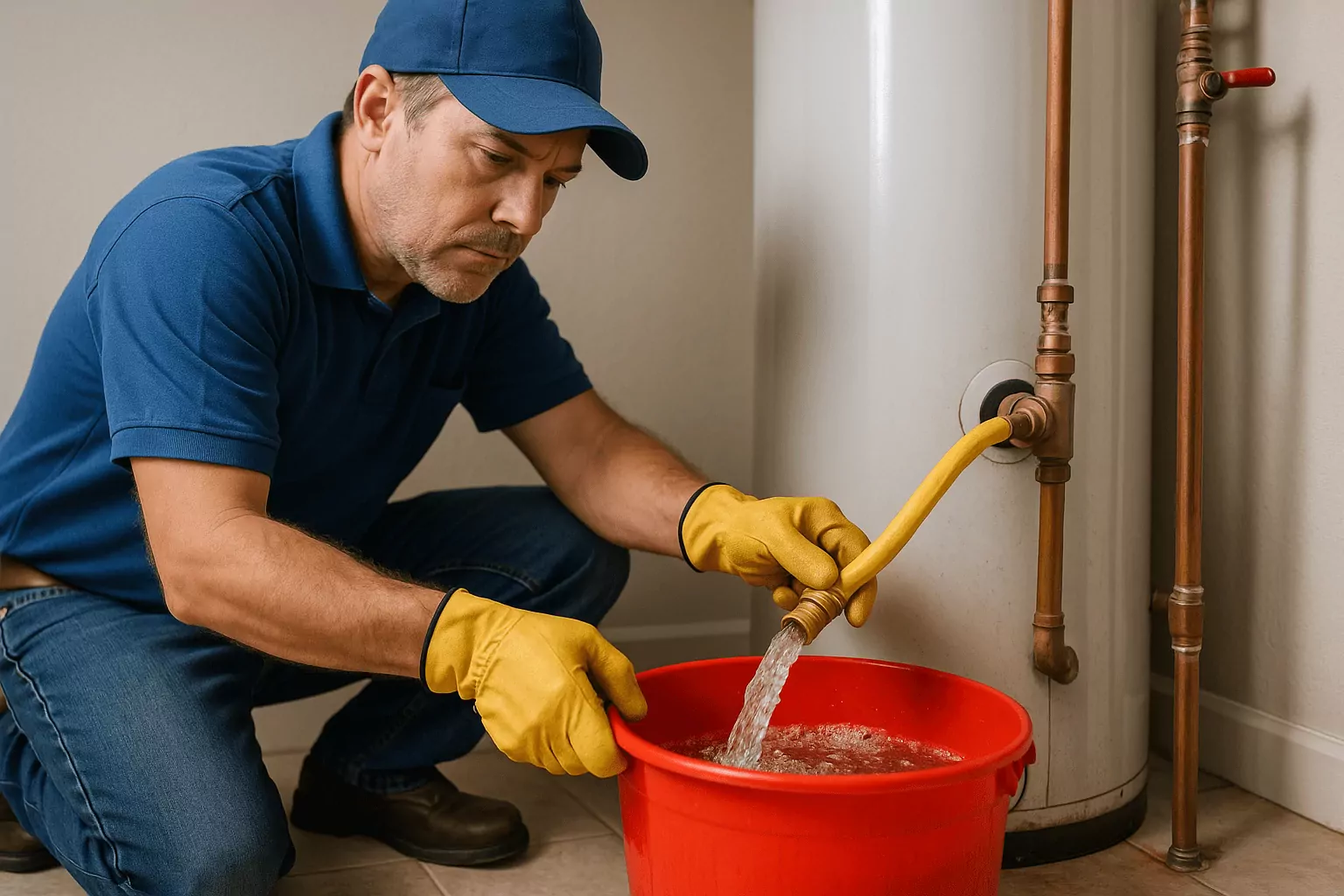
Staying on top of routine maintenance keeps your hot water reliable and your energy bills under control, which is why a water heater flush Vidor homeowners can trust is so valuable. Sediment from local water supplies gradually settles at the bottom of your tank, reducing efficiency and causing popping or rumbling noises. When you flush the tank, you remove this buildup and help your heater recover faster between showers and laundry loads. A careful flush can also extend the life of heating elements and protect your tank lining from overheating. Whether you own gas or electric, the process is straightforward with the right steps and safety checks. In this guide, you will learn how to perform a professional-style flush and when it is smarter to call a licensed technician in Vidor or nearby Orange, Beaumont, and Bridge City.
Why a water heater flush Vidor matters for local homes
In Vidor and across Orange County, minerals like calcium and magnesium can accumulate inside water heaters over time. This sediment creates an insulating layer that forces the burner or elements to work harder, which means wasted energy and uneven water temperatures. A regular water heater flush Vidor schedule reduces these problems and supports a quieter, more consistent system. Homeowners often notice the first warning signs as metallic-tasting water, cloudy hot water, or delayed hot water delivery. Left unchecked, sediment also accelerates wear on the tank lining and shortens the appliance lifespan.
Consider a recent case where a Vidor family noticed loud popping sounds during evening showers. After a thorough flush and a quick check of the anode rod, their heater returned to normal operation and the noise disappeared. The utility bill dropped slightly the next month due to restored heat transfer and shorter recoveries. Preventive maintenance like this often costs less than reacting to emergency breakdowns or premature replacements. For busy households running multiple loads and frequent showers, a consistent maintenance routine pays for itself quickly.
Beyond efficiency, flushing helps maintain better water quality for cooking, bathing, and laundry. Sediment may carry rust flakes that leave stains on fixtures and clothing. By purging the tank annually, you reduce discoloration and the chance of particulate clogging aerators and showerheads. This is especially important if you have older galvanized plumbing where debris can dislodge. Keeping a regular flush cadence is a simple habit that protects your whole hot water system from the tank to the taps.
Step-by-step water heater flush Vidor: prep and safety
Start by cutting power to the unit: switch off the breaker for electric heaters, or turn the gas control to pilot or off for gas models. Close the cold-water supply valve at the top of the tank to prevent refill while you drain. Connect a garden hose to the drain valve near the bottom of the tank and run the hose to a floor drain or outside where hot water will not damage landscaping. To avoid vacuum lock, open a nearby hot water faucet or lift the T&P (temperature and pressure) valve lever briefly to admit air. Let the tank cool for 30 to 60 minutes if it is very hot to reduce scald risk before fully opening the drain.
Gather the right tools before you begin to keep the process smooth and safe. Common items include the following essentials:
After gear is ready, crack the drain valve slowly and watch for initial flow. If water trickles out or stops quickly, sediment may be clogging the valve and you will need to carefully start and stop the flow to break it up. Maintain an open hot faucet indoors to help the tank drain faster by allowing air in. Note the color and clarity of the water as it exits; this gives insight into how severe the buildup has become. If water is very dark or gritty, plan on an extended flush and consider following up with a professional inspection.
Flushing procedure and refilling best practices in Vidor
Once the initial flow is established, fully open the drain valve and let the tank empty until water runs cooler and the flow slows. Close the drain, reopen the cold supply for 10 to 15 seconds to stir remaining sediment, and drain again; repeat this purge cycle until the water runs clear. If your heater is severely scaled, you can perform a gentle rinse by adding a few gallons of water at a time and draining again to sweep the bottom. Avoid harsh chemicals; many manufacturers advise only water flushing unless a vinegar descaling is specifically recommended for your model. Check your owner's manual or consult trusted resources like the U.S. Department of Energy for guidance.
While the tank is empty, take a moment to inspect key safety components. Test the T&P valve by lifting the lever briefly and ensuring a strong discharge through the discharge tube, then reseat it firmly. Look for signs of leaks around fittings, the drain valve, and the cold and hot connections. If you can access it, evaluate the anode rod condition; a heavily corroded rod should be replaced to help prevent internal rust. For more detailed manufacturer guidance, review resources like Rheem's water heater maintenance pages and Energy Saver best practices from Energy.gov.
Refill by closing the drain valve, ensuring the hose is removed, and opening the cold-water supply fully. Keep a hot faucet open indoors until a steady stream of water with no spurting confirms the tank is full and air is purged. Restore power at the breaker for electric units only after the tank is full to protect heating elements from dry firing. For gas units, relight according to the manufacturer's instructions and verify a stable flame or status light. Finally, check for leaks at the drain and fittings, and take note of quieter operation and faster hot water recovery.
How often to schedule a water heater flush Vidor and when to call a pro
Most Vidor households benefit from a full flush once per year, though homes with harder water or heavy usage may need a semiannual schedule. If you hear persistent rumbling, notice cloudy or discolored hot water, or experience sluggish hot water delivery, do not wait for the annual date. A quick midyear flush can head off bigger problems and keep utility costs steady. For tankless units, follow the manufacturer's descaling interval, which often involves a circulation pump and vinegar solution. Consistency is the secret to preserving warranty coverage and long-term performance.
DIY is practical for many homeowners, but certain scenarios call for professional help. If your drain valve is clogged solid, seized, or leaking badly, a licensed plumber has the tools to clear blockages or safely replace valves. Signs of advanced corrosion, recurrent leaks, or a failing T&P valve warrant expert diagnostics. Local pros also test water hardness and can recommend upgrades like sediment traps or whole-home filtration to reduce future scale. When you need a quick, reliable water heater flush Vidor service, scheduling with a trusted local provider saves time and risk.
For homeowners in Orange, Beaumont, and Bridge City, bundling a flush with an annual plumbing check is a smart way to prevent surprises. A combined visit can include anode rod inspection, T&P valve testing, and a review of expansion tank performance. You will also receive targeted advice for your brand and model, whether Bradford White, AO Smith, or Rheem. If your unit is nearing the average lifespan, a pro can quote replacement options and energy-efficient upgrades. Consider booking through our water heater services page or calling directly for fast local support.
With a careful plan, basic tools, and a safety-first mindset, you can perform a thorough water heater flush Vidor homeowners will appreciate for the savings and comfort it brings. Regular flushing restores efficient heat transfer, reduces noise, and helps extend the life of your tank. When in doubt, call a licensed pro to handle stuck valves, severe scale, or upgrades like anode rod replacement. For trusted local help, contact 409 Plumbing at 409-444-0066. We proudly serve Orange, Beaumont, Bridge City, and surrounding communities with prompt, friendly service that keeps hot water dependable year-round.
Ready to schedule or learn more? Explore our water heater services, connect through our contact form, or read more home maintenance tips on our plumbing tips blog. For authoritative maintenance guidance, see the U.S. Department of Energy's Energy Saver on Water Heating and manufacturer resources like Rheem residential water heaters.
Frequently Asked Questions About Water Heater Flushing
How long does a water heater flush take in Vidor?
Plan on 45 to 90 minutes for a standard tank in typical Vidor homes. The exact time depends on tank size, sediment level, and how easily the drain valve flows. Severely scaled tanks may require multiple purge cycles, adding 20 to 30 minutes to the process. Allow extra time for cooling if the water is extremely hot before you begin. Professionals often complete the job faster because they carry specialty hoses and valve tools.
Can I flush a tankless water heater in Vidor myself?
Yes, but the procedure is different and usually called descaling rather than flushing. You will need isolation valves, a small utility pump, hoses, and a vinegar or manufacturer-approved solution. The pump circulates solution through the heat exchanger for 30 to 60 minutes to dissolve scale. If your tankless does not have isolation valves, a professional installation is recommended before attempting DIY. Always follow the manufacturer's manual to protect warranty coverage and confirm safe operation.
What if my drain valve is clogged or leaking during the flush?
A slow or blocked valve is common when sediment is heavy, so start and stop the flow a few times to dislodge debris. Tapping the hose gently or using a wet/dry vacuum on the hose end (carefully, and only when cool) can help restore flow. If the valve drips after closing, try reseating it and inspect the washer for wear. Persistent leaks or a frozen valve call for a plumber to replace the valve safely without damaging the tank. Do not force a stuck valve, as that can crack fittings and lead to bigger repairs.
Will a flush improve water pressure and water quality?
Flushing mainly improves heater efficiency and reduces noises, but it can also help stabilize perceived pressure at hot taps. By clearing sediment, you reduce particulate that might clog aerators and showerheads, which can feel like low pressure. Many homeowners also notice less discoloration and metallic taste after a thorough flush. If pressure issues remain after flushing, check for clogged cartridges, failing pressure regulators, or whole-home supply problems. A professional inspection can pinpoint restrictions beyond the water heater itself.

Registered Master Plumber Texas State Board of Plumbing Examiners
RMP #44702
Licensed and Bonded
Cities Serviced
409 Plumbing
Follow Us On
© 2026 409 Plumbing. All Rights Reserved.
Website Design and Hosting Provided by LocalBizBuzz,co