
24 Hour Service
Call 409-444-0066
How to Prevent Root Intrusion in Your Sewer Line
in Port Arthur
Effective strategies for homeowners in Port Arthur to protect sewer lines from damaging root intrusion.
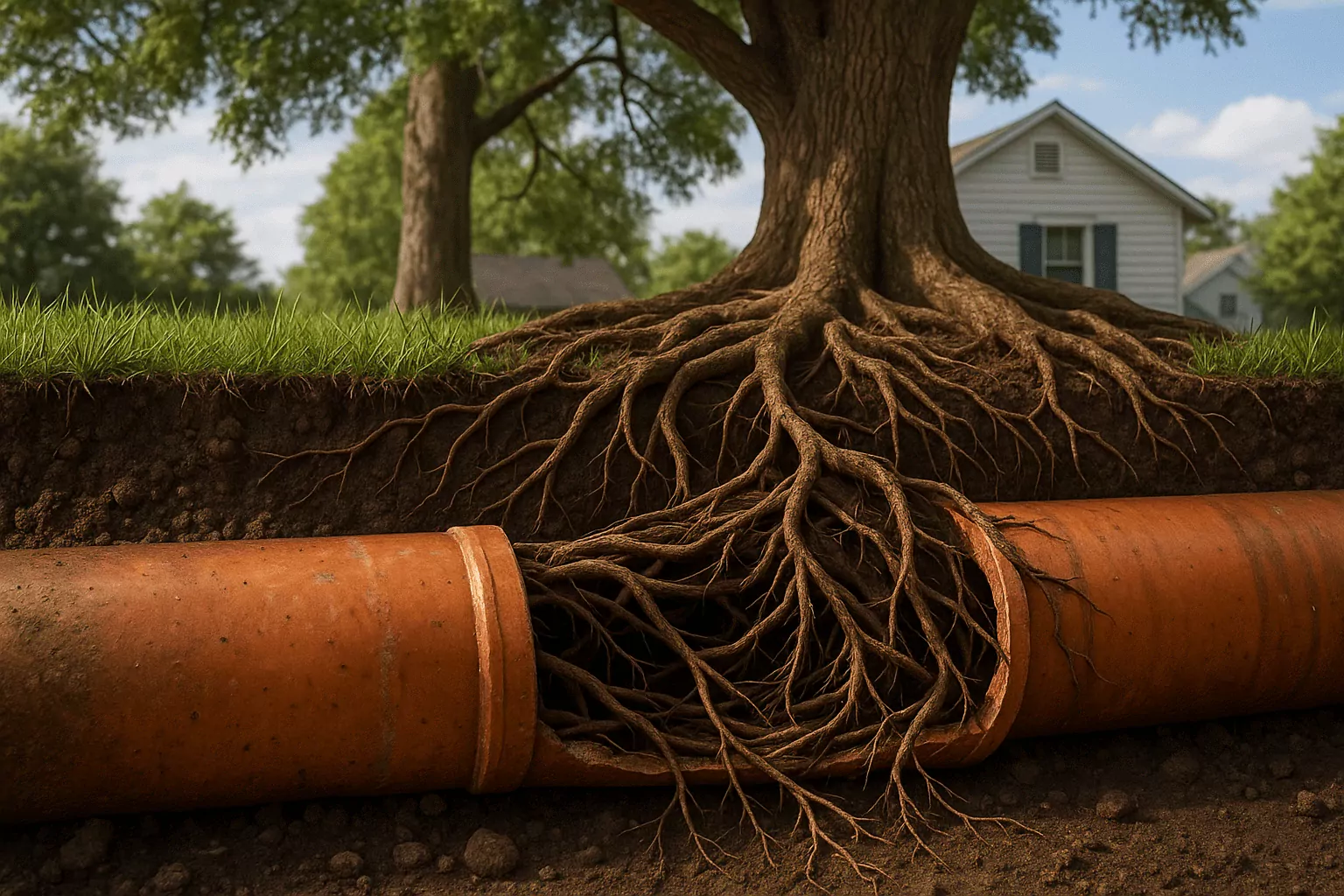
Tree roots are relentless in Southeast Texas, and Port Arthur homeowners know how quickly they can invade underground plumbing. If you are worried about backflow, slow drains, or foul odors, the culprit may be root intrusion damaging your sewer lateral. Learning how to prevent and resolve root intrusion sewer line Port Arthur problems can save you thousands in emergency repairs and property damage. In this guide, we cover practical prevention steps, smart planting choices, inspection schedules, and modern repair options that work in the coastal clay soils around Sabine Lake. You will see how early diagnostics and targeted maintenance reduce risk while extending the life of your line. By the end, you will be ready to protect your home's plumbing and avoid surprise backups after heavy rains.
Early signs and diagnostics for root intrusion sewer line Port Arthur homeowners
Roots usually start small, slipping into tiny cracks at joints and then expanding until wastewater can no longer move freely. Early warning signs include recurring slow drains on the lowest level, gurgling toilets after showers, and damp or greener-than-usual patches in the yard near the line. In Port Arthur's older neighborhoods with legacy clay tile or cast iron laterals, these symptoms often appear seasonally after big storms or drought-to-rain cycles. A smart first step is a sewer camera inspection that visually confirms the presence, location, and severity of root mats. Technicians can also note pipe material, offsets at joints, and evidence of infiltration that guides the best repair or prevention approach.
We recently reviewed a line in the Port Acres area where the homeowner's kitchen drain slowed every few weeks, and a faint odor lingered near the cleanout. The camera showed multiple root intrusions at outdated hub joints, along with a minor belly that collected debris. Instead of guessing, we mapped the exact intrusion points and recommended targeted hydro jetting. The result was a smoother internal surface that resists new root entry and restores full flow. This diagnostic-first model saves money because you pay for solutions proven to fix your specific line, not one-size-fits-all treatments.
Planting and landscaping strategies to prevent root intrusion sewer line Port Arthur
Landscaping choices can either protect or endanger your sewer line, especially when trees are placed over shallow, moisture-rich trenches. The rule of thumb is simple: choose the right tree for the right place, and keep aggressive species far from underground utilities. Species known for seeking water aggressively, like willow, poplar, and certain ficus varieties, should be avoided near laterals. Before planting, identify your sewer alignment by locating cleanouts and reviewing site plans, or request a locate to mark utilities. Then, design planting beds so thirsty roots are drawn away from the line using drip irrigation zones and deep, occasional watering away from the trench corridor.
Physical root barriers can help when space is tight, but they are only effective when installed correctly and combined with smart species selection. Barriers should be placed between trees and the sewer, extending 18-24 inches deeper than the pipe invert and angled outward to guide roots down and away. Mulch rings and consistent soil moisture away from the line reduce the incentive for roots to chase tiny leaks.
Sewer materials and repairs to stop root intrusion sewer line Port Arthur
While full replacements solve severe defects, targeted joint sealing and spot lining can also be effective when intrusion is isolated. The key is precision: use the video footage to locate defects, then select the least invasive fix that delivers a watertight seal. After structural repairs, consider ongoing maintenance to prevent new intrusions through nearby joints not yet affected. A consult helps you weigh cost, yard impact, lifespan, and warranty so you make a confident, long-term choice.
Maintenance schedules and safe treatments for root intrusion sewer line Port Arthur
Even with the best materials and landscaping, periodic maintenance keeps roots at bay and flow rates high. Hydro jetting at planned intervals scours the line and removes beginning root hairs before they form dense mats. Mechanical root cutting can clear heavier growth but should be paired with inspection to ensure blades do not exacerbate fragile joints. Foaming herbicide treatments that target roots inside the pipe can slow regrowth, but they should be used carefully and in accordance with labels to protect your yard. Whenever chemicals are considered, consult a licensed professional to avoid runoff issues near drainage ditches and the Sabine-Neches waterways.
A simple schedule keeps everything predictable and less expensive over time. Use the list below as a starting point, then adjust based on your line's age, material, and tree density:
For safe, tree-friendly practices, the International Society of Arboriculture offers insights into root growth and utility conflicts: ISA - Trees and Utilities. Combining arborist guidance with plumbing best practices gives you a complete prevention plan that protects both your landscape and your home.
Protecting your home from sewer backups starts with early detection, smart planting, and condition-based maintenance. With a clear plan for inspection, cleaning, and, when needed, upgrades, you can prevent root intrusion and keep wastewater moving safely to the main. If you are ready for expert help, contact 409 Plumbing for a tailored strategy that fits your property and budget. We proudly serve Orange, Beaumont, and Bridge City, and we are happy to discuss availability for nearby communities. Book a visit now through our contact form to schedule your inspection.
Keep your sewer line protected with the right mix of diagnostics, materials, and maintenance. Call 409 Plumbing at 409-444-0066 to get started today.
Frequently Asked Questions About Preventing Sewer Line Root Intrusion
What causes tree roots to target sewer lines in Port Arthur?
Roots follow moisture and nutrients, and even hairline leaks at joints release both into surrounding soil. In older Port Arthur neighborhoods, legacy clay tile or cast iron laterals develop tiny cracks and offsets that act like invitations to roots. During droughts, trees intensify their search for water, and the soil above a sewer line often stays cooler and more humid than surrounding ground. Once a root tip enters, it thickens and sends out branches, gradually forming a mat that traps grease, paper, and debris. Over time, this combination narrows your line's diameter and causes slow drains, gurgling, and intermittent backups.
Are chemical root treatments safe for my yard and the environment?
When applied correctly inside the pipe, professional-grade foaming treatments can be part of a safe, effective maintenance plan. The foam coats the inside of the pipe, targeting intruding roots while limiting exposure to surrounding soil and plants. Always follow label directions and consider professional application to avoid runoff and protect nearby drainage channels that lead to Sabine Lake. Avoid over-the-counter copper sulfate in areas with sensitive waterways, and never use treatments that conflict with municipal guidelines. For most homes, the safest approach is a blend of mechanical clearing, periodic inspections, and careful, limited use of approved foaming products.
Registered Master Plumber Texas State Board of Plumbing Examiners
RMP #44702
Licensed and Bonded
Cities Serviced
409 Plumbing
Follow Us On
© 2026 409 Plumbing. All Rights Reserved.
Website Design and Hosting Provided by LocalBizBuzz,co