
24 Hour Service
Call 409-444-0066
How to Prepare for Your Tankless Water Heater Installation Beaumont
Step-by-step tips for homeowners in Beaumont to ensure a smooth tankless water heater installation process.
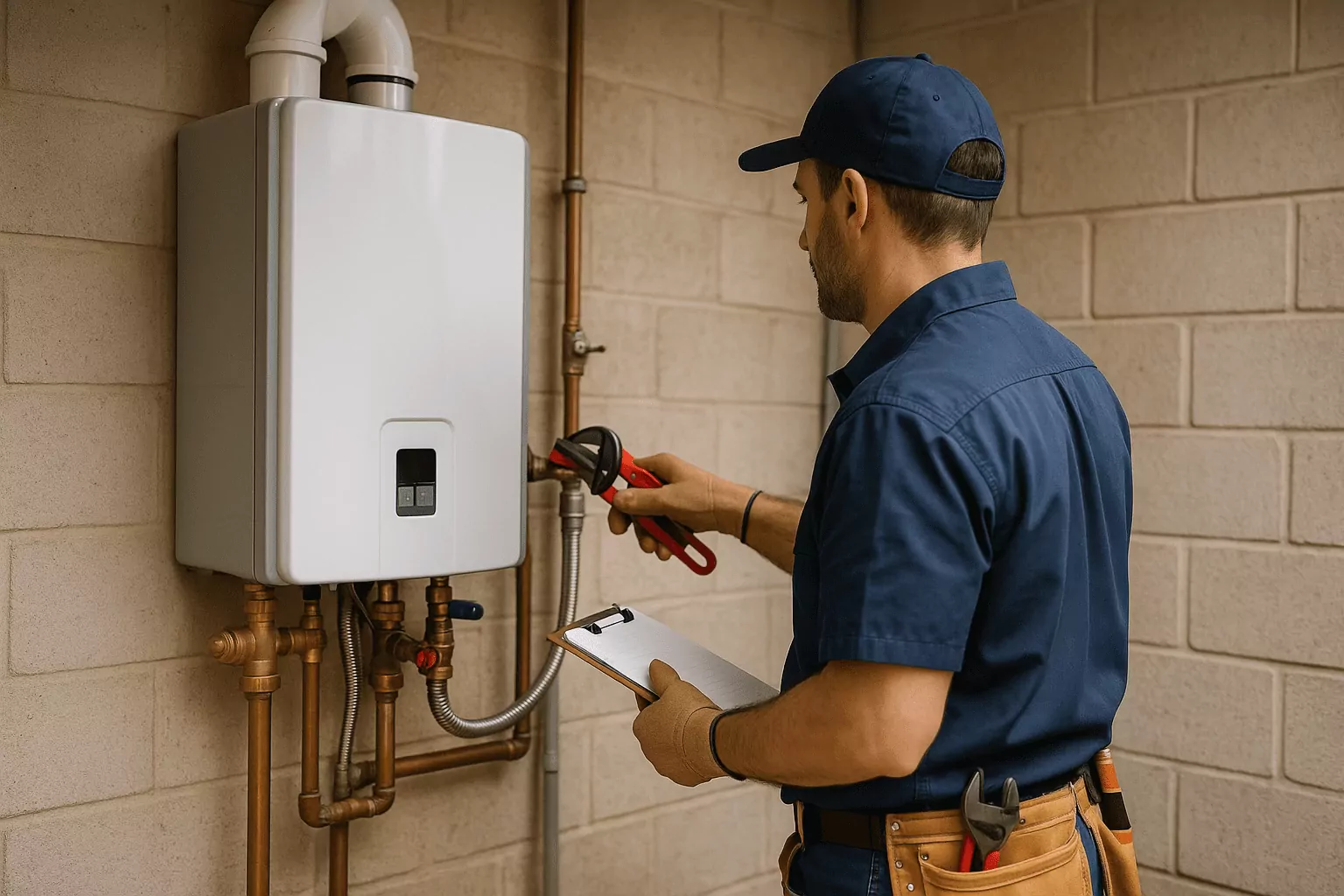
Switching to an on-demand system can be a smart upgrade, but success starts with preparation tailored to your home and local codes in Beaumont. In this guide, we will show you how to get site-ready, choose the right size and fuel, and line up the right materials long before installation day. From venting paths and gas line sizing to water quality and recirculation options, we cover the essentials that make the install smooth and the system efficient. If you are searching for tankless water heater installation Beaumont, you will find actionable steps and expert insights here. We also share local tips from real Southeast Texas homes in Orange, Beaumont, and Bridge City to help you avoid surprises.
Site and code readiness for tankless water heater installation Beaumont
Start by choosing the install location and confirming it meets clearance, combustion air, and service-access requirements from the manufacturer and local code. In Beaumont, that often means a utility closet, garage wall, or exterior wall with adequate ventilation and safe flue routing. If the unit is condensing, plan for a condensate drain and neutralizer near a floor drain or approved condensate route. Before installation, check whether permits and inspections are required through the City of Beaumont, and schedule them so they do not delay hot water restoration. You can verify permit steps and inspection timelines via the city's official Permits and Inspections resources at City of Beaumont Permits and Inspections.
Next, verify utility access and routing for gas, power, and venting so your installer does not face last-minute obstacles. Most gas tankless models need a 120V outlet and a dedicated circuit nearby, plus a code-approved pathway for Category III/IV stainless vent or PVC (for condensing units) to the outdoors. The gas supply must be sized for the full BTU demand of the heater and other appliances, which can require upsizing to 3/4 inch or 1 inch with proper regulator and CSST or black iron. Plan vent runs to keep lengths and elbows within the manufacturer's limits, and confirm an exterior termination location that avoids windows and soffit intakes. If the unit will be outdoors, consider freeze protection clearances and a weather-safe mounting surface that drains away from the structure.
A real-world example: a Beaumont homeowner relocating a water heater from an attic to a garage wall reduced vent length and improved service access. By pre-clearing the garage bay, installing a nearby GFCI outlet, and approving a condensate run to a floor drain, the crew completed the swap in one day. Their inspector signed off in the afternoon because the permit, vent labels, and gas test were ready. That planning saved a return trip, cut labor cost, and ensured the unit hit its rated efficiency. These are the kinds of details that separate a hassle-free install from a drawn-out project.
Sizing, fuel, and recirculation decisions for tankless water heater installation Beaumont
Right-sizing begins with two variables: peak gallons per minute (GPM) demand and required temperature rise. In Beaumont, incoming water typically ranges from about 60 to 70 F seasonally, so a 55 F rise to reach 120-125 F setpoints is common for winter design. Add up simultaneous fixtures such as a 2.0 GPM shower and a 1.5 GPM sink, and you might want an 8 to 9 GPM unit for two showers plus a sink without throttling. For families who rarely run more than two fixtures at once, a 6 to 7 GPM model can be efficient and budget-friendly. Document your household pattern for morning routines and laundry to guide the selection and avoid over- or under-sizing.
Fuel choice and infrastructure are equally important for performance and operating cost. Gas tankless units usually range from 150,000 to 199,000 BTU and deliver higher flow at lower cost per gallon heated than most whole-home electric units in our region. Electric models may require significant panel capacity (often 100-150A just for the heater) and multiple double-pole breakers, which can prompt an electrical service upgrade. Review energy usage and rebates before deciding; the U.S. Department of Energy has an overview at DOE EnergySaver: Tankless Water Heaters, and you can explore product guidance at ENERGY STAR Water Heaters. Your installer can run load calcs for gas and electric to confirm your home's capacity.
Now consider hot-water wait times and whether a recirculation strategy makes sense. In long-pipe homes or single-story ranch layouts common in Bridge City and Orange, a built-in recirc pump with timer or demand control can deliver near-instant hot water to remote baths. Dedicated return lines are ideal, but crossover-valve systems at the furthest sink can work if a return is not present, with minor comfort trade-offs. Demand-activated recirculation minimizes heat loss and keeps utility bills in check versus constant-circulation setups. Discuss controls, check-valve placement, and insulation so your recirculation system improves comfort without sacrificing efficiency.
Water quality, materials, and pre-install tools for tankless water heater installation Beaumont
Water quality affects both performance and warranty, so test for hardness and plan for maintenance. Scale builds on heat exchangers in hard water, reducing flow and efficiency if not managed with annual flushing. Many Beaumont and Gulf Coast homes benefit from isolation valves and flush ports to make descaling with vinegar or solution a simple, one-hour task. Consider a whole-home softener or conditioner if your hardness is above moderate levels to protect fixtures and appliances. For background on hardness impacts, review the USGS resource at USGS: Hardness of Water.
Material choices and accessories can make or break a clean inspection. For condensing units, plan for properly sloped PVC venting (where approved by the manufacturer), a labeled condensate neutralizer, and insulated hot-water lines. Non-condensing models often require Category III stainless venting and careful clearances from combustibles. Gas piping must be sized to the heater's max input with an accessible shutoff, sediment trap, and a pressure test for inspection. Add a drip pan and drain where needed, seismic or restraint hardware if required, and freeze protection for outdoor units in cold snaps.
Homeowner staging makes installation day faster and safer. Clear a wide path from the driveway to the install area and protect floors if needed, then remove wall hooks or shelves that obstruct mounting. Provide access to the electrical panel and gas meter so the crew can coordinate power and gas off/on steps efficiently. Keep pets and kids out of the work zone, and plan for a brief water and gas shutdown of a few hours. An Orange homeowner who staged a 3-foot work zone and pre-cleared storage shaved nearly an hour off total labor and had hot water by mid-afternoon.
Budget, scheduling, and choosing the right pro for tankless water heater installation Beaumont
Budgeting accurately helps you compare bids with confidence and avoid scope creep. Core costs include the unit itself, venting kit, isolation valves, gas or electrical upgrades, condensate neutralizer, and permit/inspection fees. Add optional items such as recirculation pumps, crossover valves, and water treatment if needed for your home. In typical Southeast Texas projects, all-in professional installs often range within a predictable band depending on upgrades and unit size; ask for line-item clarity so you can see where money goes. Also check for utility or manufacturer rebates through ENERGY STAR's resources and local providers.
Scheduling usually starts with a site visit to confirm sizing, vent paths, and code items, followed by permit submission. On installation day, crews remove the old tank, set the new wall bracket, run venting, connect gas and water, add the condensate route, then commission the unit. Expect water and gas to be off for several hours, with final testing and temperature tuning near the end. Most Beaumont homeowners have hot water the same day, with inspections occurring shortly after if required. To keep momentum, have an adult available for approvals and be ready to review operating instructions and maintenance steps.
Choose a licensed, insured installer with strong local references and brand training for your specific unit. Verify licensing and ask about warranty registration, first-year maintenance, and descaling procedures, then compare multiple proposals for scope completeness. If you are in Orange, Beaumont, or Bridge City, 409 Plumbing can handle end-to-end planning, permitting, and installation to code. Explore our full range of services at plumbing services, or request a quote via contact 409 Plumbing.
With a thoughtful plan for location, code compliance, sizing, and water quality, your tankless upgrade will deliver the efficiency and endless hot water you expect. Prepare the site, verify utilities and venting, and choose accessories like recirculation and isolation valves to fit your home's layout. Budget with line-item clarity, schedule permits early, and stage a clean work zone to keep installation day on track. If you are ready to move forward in Orange, Beaumont, or Bridge City, call 409 Plumbing at 409-444-0066. Our licensed team will handle design, permitting, and installation to code so you can enjoy reliable hot water from day one.
Frequently Asked Questions About Tankless Water Heater Installation
How long does a tankless water heater installation take in Beaumont homes?
Most standard replacements are completed in one working day, assuming the location, vent path, and utilities are straightforward. If the job involves relocating the heater, upsizing a gas line, or adding a dedicated recirculation return, plan for additional time. Permits and inspections can extend the overall timeline, but advanced scheduling usually keeps the process smooth. A prepared site with clear access and an available 120V outlet helps crews move quickly. In many cases, you will have hot water restored by late afternoon, with inspection sign-off soon after.
Do I need to upgrade my gas line or electrical panel for a new unit?
It depends on the model and your existing infrastructure. High-BTU gas tankless units often require a larger gas line and proper regulators to meet full-fire demand across all appliances. Electric whole-home tankless units may need significant panel capacity and multiple dedicated breakers, which can trigger an electrical service upgrade. A load calculation or gas sizing assessment during the site visit will clarify the need before installation day. Your installer should provide written recommendations and options so you can budget accurately.
How do I maintain a tankless system after installation for long-term efficiency?
Plan on annual maintenance that includes descaling the heat exchanger through isolation valves, cleaning the inlet screen, and verifying combustion and venting. In hard-water areas, a softener or conditioner reduces scale and helps your heater maintain rated flow. Keep the area around the unit clear for ventilation and service, and monitor error codes or performance changes. Many manufacturers require documented maintenance to keep warranty coverage valid. Ask your installer for a maintenance checklist and a first-year reminder so you stay on schedule.

Registered Master Plumber Texas State Board of Plumbing Examiners
RMP #44702
Licensed and Bonded
Cities Serviced
409 Plumbing
Follow Us On
© 2026 409 Plumbing. All Rights Reserved.
Website Design and Hosting Provided by LocalBizBuzz,co