
24 Hour Service
Call 409-444-0066
How to Identify Signs of a Gas Leak and the Need for Repair in Orange
Recognize the warning signs of a gas leak and get expert repair tips to keep your Orange home safe.
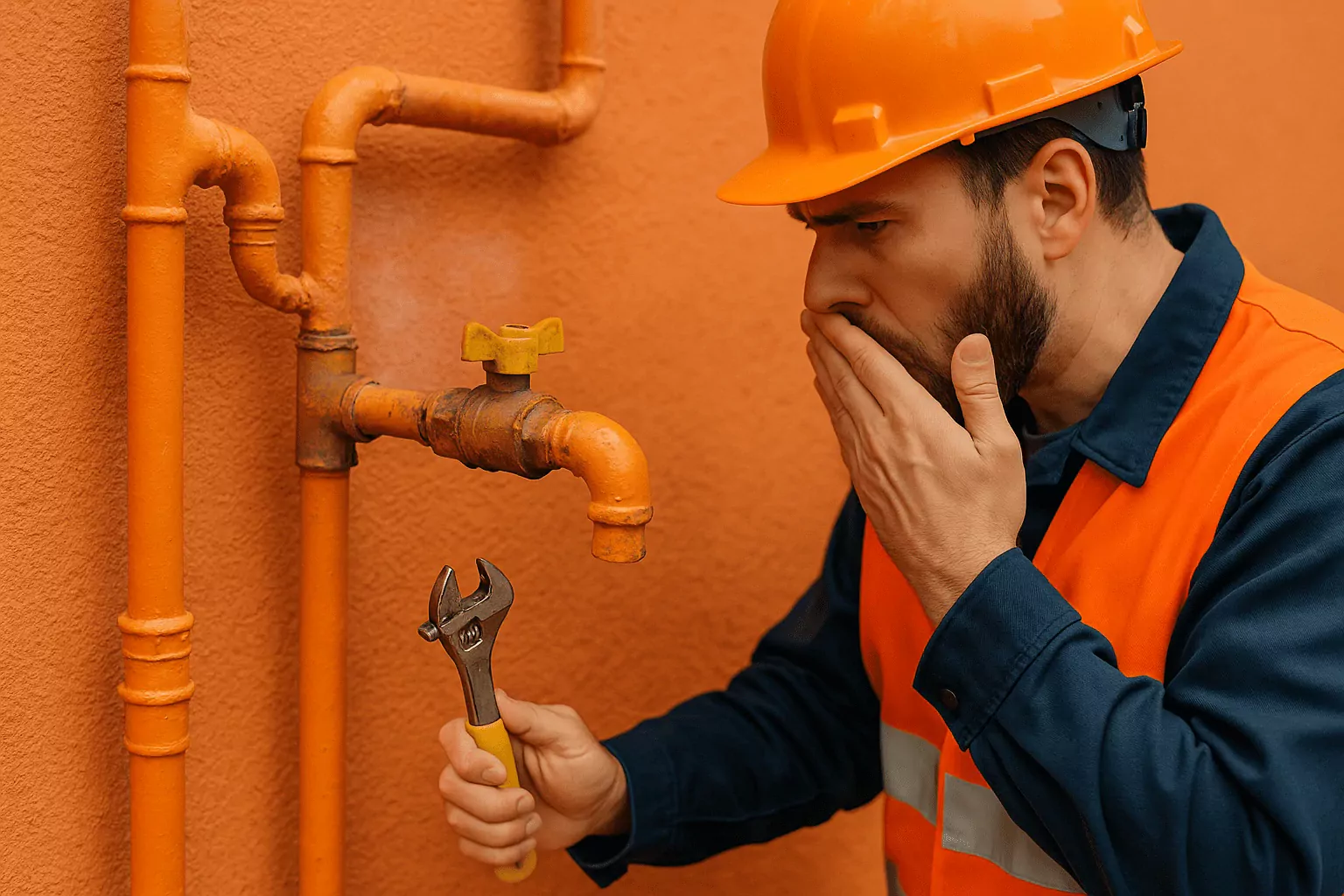
Natural gas powers many homes in Orange, TX, but even a minor leak can escalate quickly into a serious safety risk. Knowing the signs of a gas leak and when to call for gas leak repair Orange can protect your family, pets, and property. In this guide, you will learn how to spot early warning indicators, what immediate steps to take, and what to expect from professional technicians. We will also reference trusted safety organizations so you can verify best practices and stay informed. Whether you live in Orange, Beaumont, or Bridge City, the same fundamentals apply and can make all the difference in an emergency. If you suspect a leak, treat it as urgent and act fast to minimize exposure and potential ignition risks.
Recognizing Early Warning Signs and When To Call for gas leak repair Orange
The most widely known sign of a gas leak is a rotten egg smell, which comes from an additive called mercaptan placed in natural gas to help with detection. You might also hear hissing or whistling near appliances, the gas meter, or along a gas line, which can indicate escaping gas under pressure. Outdoors, dead or discolored vegetation above a buried gas line, even when surrounding plants look healthy, can be a telltale clue of an underground leak. If you notice dirt blowing or bubbling water in puddles near your yard's utility corridor, that can also point to a subsurface leak. Inside, symptoms such as headaches, dizziness, or nausea that improve when you step outside warrant immediate caution and a call for professional help.
It is common for homeowners to confuse appliance issues with true leak symptoms, so taking a moment to observe patterns helps. For instance, a pilot light that repeatedly goes out, a burner flame that is yellow or orange instead of steady blue, or soot buildup around an appliance can signal incomplete combustion and a potential hazard. If several appliances act irregularly at once or you smell gas near the meter, that raises the urgency to contact a licensed technician. In Orange and neighboring communities, older homes with legacy piping may be more prone to corrosion or loose fittings. Do not try to tighten connectors yourself; a small overtightening can crack fittings and worsen the leak.
Common signs that call for immediate action include:
If any of these appear, move to fresh air and contact a professional for gas leak repair as soon as possible.
Immediate Safety Steps Before a gas leak repair Orange Technician Arrives
If you suspect a leak, your priority is to reduce ignition risks and get everyone to safety. Avoid using switches, lighters, candles, or anything that could spark; even a phone call made indoors can be risky if gas is concentrated. If it is safe and you know how, turn off the gas at the main shutoff valve, but only if doing so does not delay evacuation. Leave doors open as you exit to help ventilate the space naturally and guide pets outside with you. Once at a safe distance, call 409 Plumbing or your gas utility from your mobile phone to report the issue and request urgent assistance.
Many homeowners wonder whether to open windows or to wait outside immediately, and the answer depends on proximity and safety. If fumes are strong or you hear a loud hiss, do not stay inside to open windows; exit promptly. For mild odors and no noise, quickly opening a few windows on your way out can help disperse gas, but do not linger. If a leak is suspected outdoors, avoid the area and do not start vehicles or equipment nearby; engines and power tools can ignite gas. Alert neighbors only after you have reached a safe distance and connected with a professional who can advise next steps.
Professional Diagnosis, Repair Methods, and Ongoing Prevention for gas leak repair Orange
When a licensed technician arrives, they will start with a safety assessment and leak confirmation using detectors that measure parts per million of gas in the air. Technicians in Orange typically follow a systematic approach: visual inspection, electronic leak detection, and where necessary, a pressure test to isolate problem areas. If a minor leak is traced to a loose fitting, the tech may shut off the gas, repair or replace the connector, and apply approved sealants or fittings before restoring service. In other cases, corroded steel or aging flexible connectors may require partial line replacement to meet code and reduce future risk. Throughout the process, you should receive clear communication on findings, repair options, and costs.
Consider a recent homeowner scenario in Bridge City where faint odors appeared only when the HVAC kicked on. The technician used a combustible gas detector to trace the source to a small crack in a concealed line behind the range, aggravated by vibration. After carefully isolating and replacing the damaged section, the tech pressure-tested the line and verified appliance ventilation before relighting pilots. The homeowner also upgraded to new appliance connectors with excess flow protection to further reduce risk. Within a couple of hours, service was restored safely and the family received a written report for their records and insurance.
Prevention is just as important as the repair itself. Annual inspections help catch early issues like corrosion, degraded seals, and improper appliance ventilation. Consider installing CO detectors on every floor and near sleeping areas, and verify that appliance flames are blue and steady during routine checks. Keep the area around gas appliances clear, ensure dryer vents and range hoods exhaust properly, and schedule service if you notice soot or unusual odors. For new outdoor projects, always map utilities through Texas 811 and consider protective sleeves for exposed sections of gas lines to minimize damage risks.
Identifying a gas leak early and acting decisively can prevent injuries, property damage, and costly downtime. Remember the essentials: trust your senses, move to fresh air, avoid sparks, and call for professional assistance right away. For trusted local service in Orange, Beaumont, and Bridge City, contact 409 Plumbing at 409-444-0066. Explore our services and schedule at gas leak repair services, reach our team via our contact form, and read more safety insights on our blog. If you notice odors, unusual appliance behavior, or outdoor signs like dead vegetation over buried lines, do not wait. Call 409 Plumbing for fast, code-compliant gas leak repair Orange homeowners can rely on.
Frequently Asked Questions About Gas Leak Repair
What should I do first if I smell gas in my home?
Leave the building immediately and get everyone, including pets, to fresh air. Avoid turning lights on or off, using matches, or plugging in or unplugging devices, since any spark can ignite gas. If you can safely reach the main shutoff valve without delaying evacuation, turn it off, but do not take risks if the odor is strong. Call a licensed professional for gas leak repair once you are a safe distance away, and alert your gas utility. Keep doors open as you exit to allow natural ventilation, and do not reenter until a professional gives the all-clear. These steps align with guidance from PHMSA and are designed to reduce ignition risks while help is on the way.
How do professionals find and fix gas leaks?
Technicians use specialized tools such as combustible gas detectors and manometers to confirm and locate leaks with precision. After isolating the affected section, they may repair loose fittings, replace damaged connectors, or swap out corroded sections of pipe to meet current safety codes. They typically perform a pressure test after repairs to verify the line is sealed and safe before restoring service. The process also includes checking appliance ventilation, confirming proper flame characteristics, and relighting pilots as needed. A thorough pro will discuss findings, provide a written summary, and recommend preventive steps like regular inspections and installing CO detectors. This comprehensive approach ensures both immediate safety and long-term reliability.
Can I use soapy water to check for a leak before scheduling gas leak repair?
While a soapy water test can reveal bubbles at a suspected fitting, it should never replace a professional assessment. If you smell gas or suspect a leak, prioritize evacuation and call a licensed technician rather than spending time testing inside the building. For outdoor fittings that you can observe from a safe distance, a soap test may help confirm a minor issue, but it is not definitive. Professionals use calibrated instruments that detect very low concentrations and can evaluate the entire system safely. Relying solely on DIY methods can miss hidden or multiple leaks, prolong exposure, and increase risk. A prompt professional inspection is the safest and most reliable route.

Registered Master Plumber Texas State Board of Plumbing Examiners
RMP #44702
Licensed and Bonded
Cities Serviced
409 Plumbing
Follow Us On
© 2026 409 Plumbing. All Rights Reserved.
Website Design and Hosting Provided by LocalBizBuzz,co