
24 Hour Service
Call 409-444-0066
How to Handle Emergency Water Heater Leak Repair
in Orange Effectively
Quick and practical steps for homeowners in Orange to fix water heater leaks and prevent further damage.
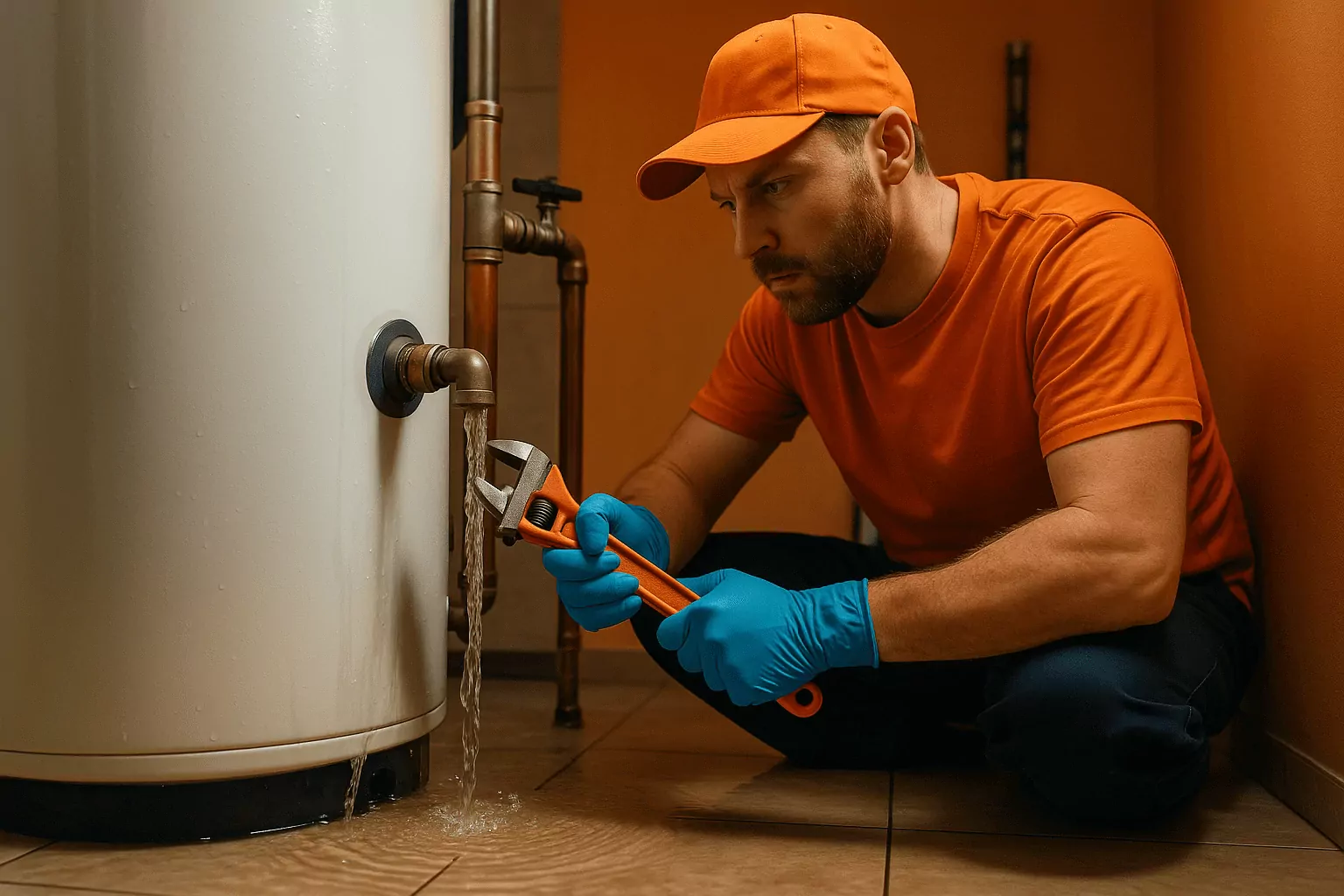
When a water heater starts leaking, every minute matters for safety, property protection, and cost control. This guide explains how to approach emergency water heater leak repair Orange homeowners can rely on, from first-aid steps to long-term prevention. You will learn how to shut things down safely, pinpoint the source, decide on temporary fixes, and know when to call a licensed pro. We also share local insights for Orange, Beaumont, and Bridge City, where humidity, mineral content, and seasonal storms can compound water damage risks. If you need fast help right now, visit emergency water heater leak repair Orange to get started. Keep this resource handy so you can act quickly, reduce damage, and protect your family and home.
Immediate Safety Steps for Emergency Water Heater Leak Repair in Orange
Your first priority is safety, especially around electricity and gas. If you have an electric water heater, switch off the breaker labeled water heater at the main electrical panel before touching anything wet. For gas units, rotate the gas control knob to Off and close the gas shutoff valve if you can access it safely and do not smell gas. Next, turn off the cold-water supply valve on top of the heater to stop the leak from worsening, and carefully open a nearby hot-water faucet to relieve system pressure. Finally, clear the area of valuables, place towels or a pan under the leak, and document everything with photos in case you need an insurance claim.
Once immediate hazards are controlled, take simple mitigation steps that buy time and limit water damage. Use a wet/dry vacuum to remove standing water and set up fans for airflow to help prevent mold, especially in humid Southeast Texas. If the leak is from a drain valve, you can attach a garden hose to route water into a floor drain or outside if needed. Keep kids and pets away from the heater area until a professional confirms it is safe to occupy. If you feel unsure at any point, call a licensed plumber for guidance rather than risking injury or additional property damage.
Diagnosing the Source: Where Water Heater Leaks Start in Orange Homes
Not all water on or near a tank means a serious failure, so a quick diagnosis can save money and stress. Condensation can form on tanks and pipes during humid Gulf Coast days, so wipe surfaces dry and watch for new drips to confirm an active leak. Top-of-tank leaks often come from loose or corroded hot and cold supply connections, nipples, or the anode rod port. Side leaks may involve the temperature and pressure relief (T&P) valve discharging due to overheating or overpressure, which is a safety issue that requires immediate attention. Bottom-of-tank leaks frequently indicate internal corrosion and tank failure, which typically means replacement is the safest and most economical choice.
Understanding common leak points helps you communicate clearly with your plumber and decide next steps. The T&P valve should never be capped or plugged, and persistent discharge suggests a control, expansion, or temperature problem that needs professional service. A seeping drain valve can sometimes be improved by gently tightening or replacing the washer, while cracked flex lines or worn dielectric nipples usually require component replacement. In areas with moderately hard water like parts of Southeast Texas, sediment can accelerate wear, elevate temperatures at the tank base, and hasten failure.
Temporary Fixes vs Professional Emergency Water Heater Leak Repair in Orange
Temporary fixes can stabilize minor issues while you arrange professional service, but they must be used cautiously. For small drips at threaded joints, shut the water, depressurize the system, then re-seat fittings with fresh thread tape or a proper connector, taking care not to over-tighten. A leaky drain valve may improve by turning the handle clockwise gently or by threading on a hose cap as a short-term measure. Corroded flex lines or weak supply hoses should be replaced promptly, as they can fail without warning. If you suspect a failing T&P valve, overheating, or a bottom-of-tank leak, stop DIY efforts and call a licensed plumber immediately.
In many cases, professional repair or replacement is the safer and more cost-effective route. A Beaumont homeowner recently noticed intermittent T&P discharge and warm water at the floor; diagnostics revealed excessive thermal expansion and a worn anode. Our licensed techs replaced the T&P valve, installed a code-compliant expansion tank, and extended system life with an anode replacement and full flush. When tanks leak from the bottom or show extensive rust, we advise replacement to avoid sudden rupture, water damage, and higher utility costs. Learn how our team handles it end to end at our water heater repair service page, or request urgent help at Contact 409 Plumbing.
Prevention, Maintenance, and Insurance Tips for Orange Homeowners
Preventing leaks starts with routine maintenance tailored to Southeast Texas conditions. Flush the tank annually to remove sediment that can overheat the bottom and weaken the liner, and check the anode rod every 2-3 years to slow corrosion. Install a drain pan with a piped drain if your water heater is in or above a living space, and consider a smart leak detector with automatic shutoff for extra protection. Verify that your T&P discharge line terminates safely and is not obstructed or reduced in size. Keep records of service dates and the unit's serial number so you know the true age and warranty status.
If a leak occurs, knowing basic insurance steps can speed recovery and reimbursement. Mitigate further damage right away, document the scene thoroughly, and save receipts for cleanup supplies or emergency services. Contact your carrier and review your policy's water damage coverage, which may treat sudden leaks differently from long-term seepage. If you want a pro evaluation to support your claim, 409 Plumbing can provide written findings and photos to help document the cause and scope of damage.
Fast, safe action is the key to limiting damage and restoring hot water when leaks strike. By shutting off power and water, diagnosing likely leak points, and choosing the right balance of temporary fixes and professional care, you can protect your home and budget. Regular maintenance like annual flushing, checking the anode rod, and installing leak detection can dramatically reduce the chance and impact of future leaks. If you need immediate support for emergency water heater leak repair Orange homeowners trust, we are ready to help. Call 409 Plumbing at 409-444-0066 for rapid response across Orange, Beaumont, and Bridge City. For service details or to schedule now, see Water Heater Repair or request help via our contact form. Your comfort and safety are our first priority, and we stand behind every repair and replacement we complete.
Frequently Asked Questions About Emergency Water Heater Leak Repair
What should I do first when my water heater starts leaking?
Start by shutting off the power supply to the unit for safety: turn off the breaker for electric or set the gas control to Off for gas models. Then close the cold-water supply valve on top of the heater to stop additional water from feeding the leak. Open a nearby hot-water faucet briefly to relieve pressure and reduce active dripping. Mop up standing water and take photos or videos of the affected area for your records and insurance. If you are uncertain or see signs of electrical or gas hazards, step back and call a licensed plumber for emergency assistance.
Is it safe to attempt DIY fixes during emergency water heater leak repair in Orange?
DIY steps are limited to low-risk actions like shutting utilities, containing water, and tightening small, accessible fittings after depressurizing. Avoid opening electrical compartments, altering gas controls beyond shutting off, or capping the T&P valve, which is a critical safety device. If you smell gas, hear hissing, or see scorch marks or tripped breakers, leave the area and call professionals immediately. Many leaks, especially bottom-of-tank failures and T&P discharges, signal conditions that should be evaluated by a licensed technician. When in doubt, choose safety and request help from a qualified local team.
How do I know if I need a full water heater replacement instead of a repair?
Persistent leaks from the bottom of the tank, extensive rust, or a tank older than 10-12 years often point to replacement as the best solution. If repairs would approach half the cost of a new, more efficient unit, upgrading tends to make financial sense. Repeated component failures, rising utility bills, and discolored or sandy hot water are other replacement indicators. A professional inspection can test valves, assess sediment levels, and check anode condition to give you clear options. In many cases, replacement reduces risk, improves efficiency, and restores reliable hot water with a fresh warranty.
How quickly can 409 Plumbing respond to emergencies in Orange, Beaumont, and Bridge City?
We prioritize emergency calls and offer rapid dispatch across Orange, Beaumont, and Bridge City, often arriving the same day and frequently within hours. When you call, we will walk you through immediate safety steps while we route the nearest available technician. Our trucks carry common parts for popular brands so many leaks can be stabilized or repaired on the first visit. If replacement is needed, we provide clear estimates, handle permits, and schedule installation as quickly as possible. Call 409-444-0066 for urgent help, and we will work to resolve your issue fast and safely.
Will homeowners insurance cover damage from a leaking water heater?
Coverage varies by policy and the cause of the leak, with sudden accidental discharges more likely to be covered than long-term, preventable seepage. Act quickly to mitigate damage, document everything, and notify your insurer for claim instructions. Keep receipts for emergency services, cleanup, and dehumidification, as many policies reimburse reasonable mitigation costs. Your plumber's report can help clarify cause and timeline for the adjuster. Review your policy and consult Texas Department of Insurance resources for guidance on coverage and next steps.

Registered Master Plumber Texas State Board of Plumbing Examiners
RMP #44702
Licensed and Bonded
Cities Serviced
409 Plumbing
Follow Us On
© 2026 409 Plumbing. All Rights Reserved.
Website Design and Hosting Provided by LocalBizBuzz,co