
24 Hour Service
Call 409-444-0066
How to Fix a Water Heater Leaking and No Hot Water
in Port Arthur
Practical steps for Port Arthur homeowners to stop water heater leaks and restore hot water quickly.
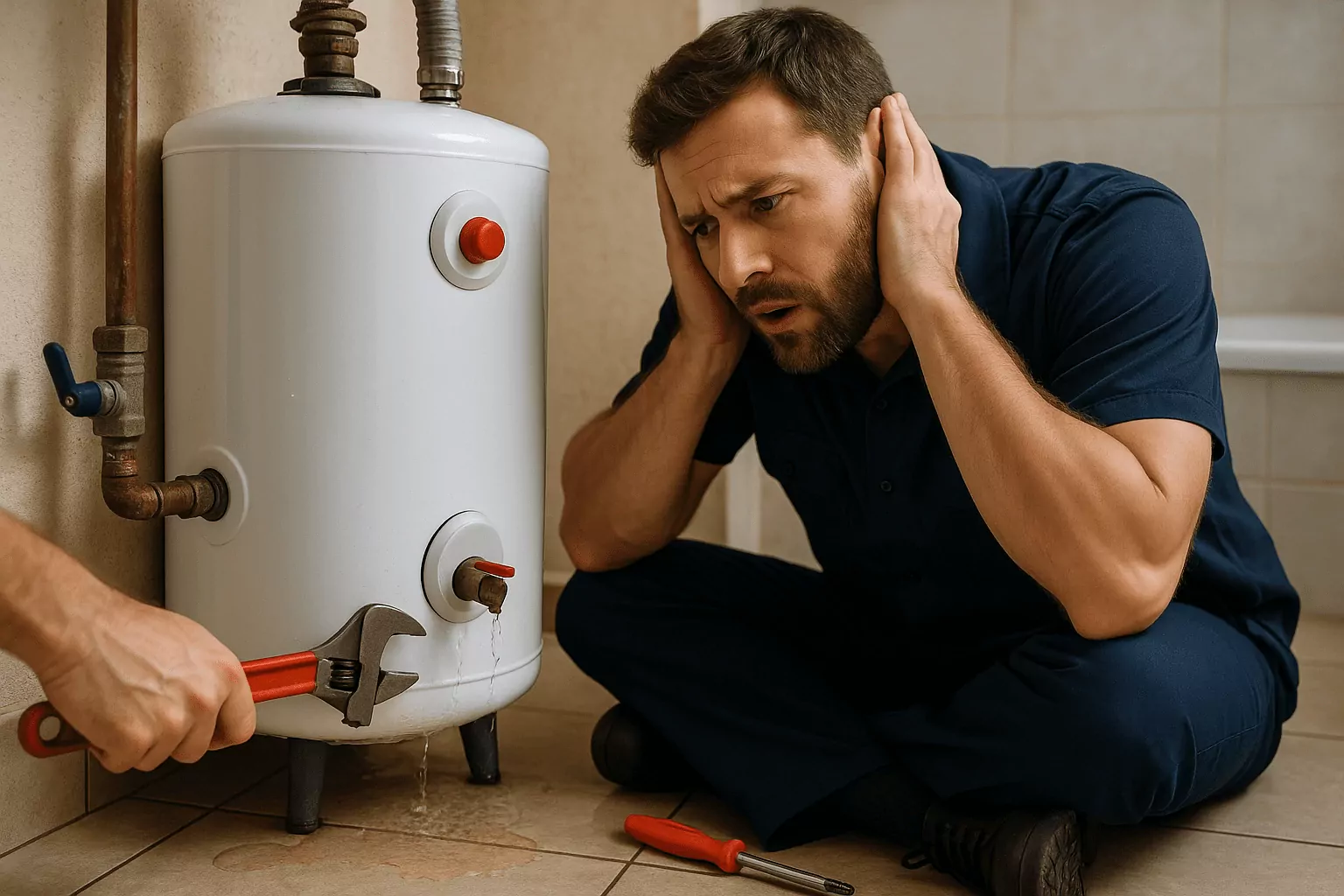
If you are dealing with a water heater leaking and no hot water Port Arthur homeowners face two urgent problems at once: potential water damage and a cold shower. The good news is that many causes are easy to diagnose with a few safe checks before calling a professional. Southeast Texas conditions like hard water and high humidity can accelerate corrosion, clog valves, and stress components, so local insight matters. In this guide, you will learn how to stay safe, pinpoint the leak source, and restore hot water quickly. We will also cover simple DIY steps that do not void warranties and when to bring in a licensed plumber for reliable repairs. By the end, you will know exactly what to do right now, what to try next, and how to prevent the issue from returning.
Immediate safety steps for water heater leaking and no hot water Port Arthur homeowners
Start by protecting your home and family, because a leaking tank or faulty valve can lead to electrical hazards or gas risks. If you have a gas water heater, turn the gas control knob to Off and close the gas shutoff valve if you smell gas or hear hissing. For electric units, go to your electrical panel and switch off the breaker labeled water heater to stop power before touching the appliance. Next, turn the cold-water supply valve on top of the heater to Off to limit leaking while you assess the source. Place towels or a pan under the tank to contain water, and keep children and pets away from the area.
Once safe, quickly look for where the water is coming from so you can decide your next move. Inspect the temperature and pressure relief valve on the side or top of the tank, the drain valve near the bottom, and all flex lines and fittings at the top. Check for water pooling at the base, which can suggest a rusted tank wall or a failed internal seam. If steam, sizzling, or scorch marks are present, stop and call a professional immediately because overheating or electrical faults may be involved. Document what you see with a photo and note recent changes like higher utility bills, popping sounds, or slow hot water that may point to sediment buildup.
Diagnose the source: leak points, no-hot-water causes, and local factors
Most leaks trace back to a few common points: the T&P relief valve, drain valve, top fittings, or the tank itself. A T&P valve that drips may be reacting to excessive pressure or temperature, often caused by a failed thermostat, lack of an expansion tank, or a malfunctioning mixing valve. A seeping drain valve can usually be tightened gently or capped with a hose cap as a temporary measure, while persistent leaks at flex lines often require new washers or braided connectors. If the leak appears under the tank shell, the glass lining may be compromised due to corrosion, and replacement is the typical long-term fix. Port Arthur and nearby areas often have mineral-rich water, so sediment can collect at the bottom, overheat, and stress the tank, which contributes to leaks and fluctuating temperatures.
No hot water can come from different issues depending on the fuel source and age. On electric units, burned-out heating elements, tripped high-limit switches, or faulty thermostats are leading culprits, especially if you notice lukewarm water rather than none at all. On gas models, a blown-out pilot light, dirty flame sensor, or bad thermocouple can stop heating, while a closed gas valve or gas supply issue will mimic the same symptoms. If you recently had utility work or a power surge, check breakers and ensure the gas valve and control are in the correct On settings. A real-world example from a home near Bridge City showed both a slow top-fitting leak and no hot water traced to a tripped high-limit switch after sediment caused overheating, which a full flush and new anode rod helped prevent in the future.
DIY fixes that are safe to try and when to call a pro in Port Arthur
Several simple steps can resolve minor leaks and restore hot water without risking safety or voiding a warranty. Tighten a dripping drain valve a quarter turn clockwise, and if it still seeps, add a hose cap as a temporary stop until serviced. For electric units, after shutting power, press the red reset button on the upper thermostat, then restore power and test after 30 minutes. On gas models, relight the pilot per your manufacturer instructions and clean a dirty sensor with a soft cloth if accessible, or consult a trusted brand guide such as A. O. Smith troubleshooting. If your T&P valve is discharging regularly, do not plug it; schedule service to evaluate pressure, temperature control, and whether you need an expansion tank.
When simple steps do not work or you see signs of a failing tank, professional help protects your home and saves time. Call a licensed Texas plumber if water is coming from the tank body, if the breaker keeps tripping, if there is scorch marking or rust streaking, or if the pilot will not stay lit. A pro can test thermostats, elements, gas valves, and anode condition, and can flush the tank to remove sediment that drives up costs and stress. If replacement is needed, upgrading to a high-efficiency or hybrid heat pump water heater can cut energy use and improve recovery time. Homeowners in Orange, Beaumont, and Bridge City who want a fast diagnosis can explore our local water heater repair services and get same-day options.
When you face a leak and no hot water, safety comes first, followed by smart troubleshooting to pinpoint the culprit and restore comfort quickly. Start by shutting off power or gas and the cold-water inlet, then check common points like the T&P valve, drain valve, fittings, and pilot or breakers. Try safe DIY steps such as a reset, pilot relight, or tightening a seeping drain valve, and call a professional if heat does not return or the tank itself is leaking. For fast local help in Orange, Beaumont, Bridge City, and nearby, contact 409 Plumbing at 409-444-0066 for same-day service. Explore our emergency plumbing options, request an estimate on our contact form, or read more homeowner guides on our blog. If you need immediate assistance with water heater leaking and no hot water Port Arthur, our licensed team is ready to help with transparent pricing and lasting solutions.
Frequently Asked Questions About Water Heater Leaking
Why is my water heater leaking but I have no hot water?
This combination usually points to two overlapping issues that may or may not be related. A leak at the T&P valve or drain valve could be coincidental while a thermostat, heating element, pilot light, or thermocouple issue is stopping heat. Sediment buildup can cause overheating that trips safety limits and also stresses valves, producing both symptoms at once. It is smart to isolate power or gas, turn off the cold-water supply, and check for obvious valve leaks before resetting anything. If a reset or pilot relight does not restore hot water within 30 to 60 minutes, schedule a professional diagnosis to prevent further damage.
Is it safe to keep using my water heater if it is leaking?
Generally, no, because even a slow leak can escalate into a burst seam, electrical hazard, or floor damage. Continued heating with low water can overheat components and trip safety devices, and an active gas flame near a leak area may be dangerous. Shut off power or gas and the cold-water supply, then assess where the water is coming from. A minor drip at the drain valve may be stabilized temporarily with a hose cap, but a tank-body leak calls for replacement. When in doubt, stop using the unit and call a licensed plumber to avoid costlier repairs and safety risks.
How much does it cost to fix a leaking water heater in Port Arthur?
Costs vary based on the fault and whether parts or full replacement are needed. Simple fixes like tightening fittings, replacing a drain valve, or installing a new T&P valve typically cost far less than replacing a tank. If elements, thermostats, or pilot assemblies fail, parts and labor are still often economical compared to a new unit. A corroded tank with water seeping from the shell almost always points to replacement, which can be planned with options that match your budget and efficiency goals. Get a written estimate after an inspection so you can compare repair versus replacement over the remaining life of your unit.
How can I prevent leaks and no-hot-water problems in the future?
Annual maintenance is the best defense for Southeast Texas conditions. Flushing the tank to remove sediment reduces overheating, noise, and stress on components, while testing the T&P valve ensures it operates correctly. Inspecting and possibly replacing the anode rod every 2 to 5 years helps limit corrosion and extend tank life. Verify water pressure is within range and add or service an expansion tank if your system is closed to prevent relief valve discharge. For more background on energy and maintenance best practices, review the U.S. Department of Energy guidance on water heating at energy.gov.

Registered Master Plumber Texas State Board of Plumbing Examiners
RMP #44702
Licensed and Bonded
Cities Serviced
409 Plumbing
Follow Us On
© 2026 409 Plumbing. All Rights Reserved.
Website Design and Hosting Provided by LocalBizBuzz,co