
24 Hour Service
Call 409-444-0066
How to Ensure Safety with Residential Gas Line Services in Port Arthur
Protect your home and family by understanding essential residential gas line services in Port Arthur for safety and peace of mind.
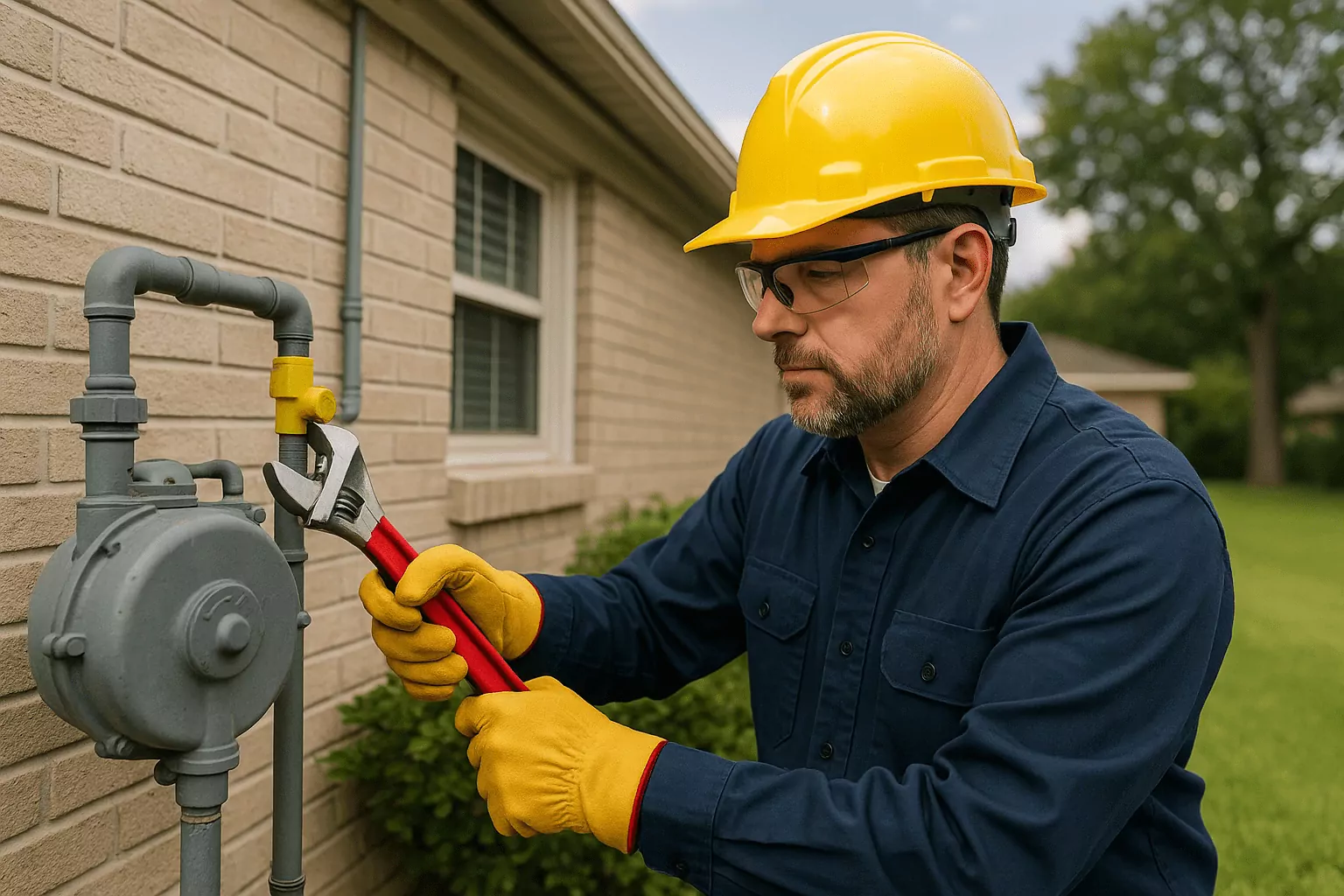
Homeowners searching for residential gas line services Port Arthur are often balancing urgency, safety, and code compliance in one decision. Natural gas can be safe and efficient when installed and maintained correctly, but even small oversights can lead to serious hazards. That is why partnering with a licensed, local specialist who understands Southeast Texas codes, coastal soil conditions, and permitting is essential. In this guide, we break down how to evaluate providers, what best-practice installation and testing look like, and how to plan for emergencies. You will also learn when to repair or replace lines, how to spot warning signs, and what documentation you should expect after any job. For quick access to trusted help, bookmark this page and consider residential gas line services Port Arthur from a vetted, code-focused team.
Licensed expertise and permits for residential gas line services Port Arthur
Any contractor you hire for residential gas line services Port Arthur should hold current licensing, insurance, and a track record of passing city or county inspections. In Texas, reputable providers follow the International Fuel Gas Code and NFPA 54 while coordinating with local building officials for permits and inspections. Ask whether your contractor pulls the permit, schedules the pressure test, and provides a signed inspection record upon completion. In one Griffing Park case, a homeowner upgraded from propane to natural gas and avoided costly delays because the plumber submitted a detailed gas riser diagram and coordinated a same-day inspector walk-through.
A professional process usually starts with a site visit to map appliance loads, verify meter capacity, and choose pipe materials suited to the environment. Your estimator should explain whether black steel, polyethylene, or CSST is best and why, along with how lines will be routed to minimize joints and protect against corrosion. Before work begins, you should receive a written scope, permit details, and a timeline that includes inspections and pressure testing. For a sense of what a full-service approach includes, explore our gas line services page. If you have questions about permitting in your jurisdiction, contact 409 Plumbing for help. Clarity on credentials and approvals upfront is a strong indicator that you will get a safe, code-compliant installation with fewer surprises.
Proactive leak detection, testing, and materials for residential gas line services Port Arthur
Quality providers do not rely on smell alone to confirm safety; they perform systematic leak detection and pressure testing before restoring service. A thorough approach includes capping outlets, isolating sections, and conducting a multi-hour static test with a calibrated manometer to verify zero pressure drop. Technicians may also use electronic gas detectors, ultrasonic sensors, and bubble solution to pinpoint microleaks at fittings and unions. In a Port Acres example, a faint odor at a water heater closet turned out to be a small union leak revealed during a manometer test after the system held but faintly dropped under load.
Material choice matters just as much as testing, especially in humid, salt-influenced coastal air and shifting Gulf Coast soils. Black steel is common indoors, while polyethylene is used underground with proper tracer wire for future locating, and CSST requires bonding per NFPA 54 to reduce lightning-related risks. A reputable contractor will recommend protective sleeves through slabs, dielectric unions where needed, and anti-corrosion coatings for buried risers. Homeowners can learn more about code-backed best practices in NFPA 54 at nfpa.org, and review local guidance before starting a project. For homeowner-friendly advice on staying vigilant between professional checkups, see our practical gas leak detection tips.
Safe installation practices and upgrades in residential gas line services Port Arthur
Safe installations start with accurate load calculations to size pipe correctly for generators, ranges, dryers, fireplaces, or outdoor kitchens. Indoors, lines should be supported at code intervals, protected through studs with nail plates, and routed to minimize concealed fittings. Outdoors and underground, depth requirements, protective sleeves at transitions, and corrosion-resistant risers are critical for longevity. When trenching or boring, responsible contractors call 811 before digging and maintain safe clearance from other utilities; you can learn more at texas811.org. In a recent Southeast Texas project, trenchless boring avoided tearing up a homeowner's new driveway while still meeting burial depth and tracer wire requirements for a future locate.
Upgrades can significantly improve safety and convenience without a full system overhaul when planned with a certified pro. Appliance quick-disconnects and shutoff valves make maintenance and emergency isolation faster, and sediment traps protect sensitive burners from debris in the gas stream. Where codes or insurers recommend them, consider excess flow valves or seismic shutoff valves for added protection, and ensure carbon monoxide detectors are installed on each floor with gas appliances. If you are evaluating upgrades for a remodel or a generator addition, reach out to contact 409 Plumbing for a plan that balances performance, safety, and budget.
Emergency response and maintenance planning for residential gas line services Port Arthur
Even with careful installation, every household should know exactly what to do if they suspect a leak. If you smell rotten eggs or hear hissing, avoid switches, open flames, and phones inside the home, and go outside immediately to a safe distance. From a safe location, call your gas utility or 911, then schedule professional service to locate and repair the issue before restoring gas. After any emergency, insist on a documented pressure test and inspection, and keep a copy with your home records. When you are ready to restore safe service, choose a provider experienced in residential gas line services Port Arthur who can coordinate with inspectors and the utility efficiently.
Preventive maintenance reduces the odds of emergencies and helps you catch small issues before they escalate. A sensible plan includes annual visual inspections, checking appliance connectors, verifying shutoff valve operation, and confirming CSST bonding connections. For homes with added loads like standby generators or pool heaters, a capacity review ensures you have adequate meter and regulator sizing. Between visits, keep pathways to meters and risers clear, and log any appliance changes to update your as-built diagram. When you need prompt help or a preventive check, explore our services or call for proven residential gas line services Port Arthur support tailored to Southeast Texas homes.
Choosing a qualified, code-focused partner for residential gas line services Port Arthur is the single best way to protect your home and family. From permits and pressure testing to material selection and emergency planning, every detail matters and should be documented. Look for licensing, clear scopes, and strong communication throughout the job, and keep copies of permits and inspection sign-offs. Build a maintenance routine with annual inspections to keep systems running safely as seasons and household demands change. For fast, expert help, call 409 Plumbing at 409-444-0066, proudly serving Orange, Beaumont, Bridge City, and nearby communities.
Frequently Asked Questions About Residential Gas Line Services
How do I know if I need residential gas line services in Port Arthur?
Common signals include the odor of rotten eggs, a hissing sound near piping, or visible corrosion on exposed lines and fittings. You may also notice appliances with weak flames, frequent pilot outages, or soot accumulation, which can indicate pressure or combustion issues. Outdoors, dead or discolored vegetation in a narrow strip can suggest a buried leak, especially along a known gas route. If you recently added a high-demand appliance like a generator, undersized piping may cause performance problems that require an upgrade. When in doubt, schedule a licensed inspection and pressure test to identify issues before they become hazards.
Are permits and inspections required for gas line work in Port Arthur and Southeast Texas?
Most jurisdictions require a permit and inspection for new gas lines, relocations, and significant repairs, and reputable contractors will handle this for you. Inspectors verify pipe sizing, support intervals, bonding of CSST, regulator placement, and that the system holds pressure for a specified duration. Permits and inspections protect homeowners by enforcing nationally recognized standards such as NFPA 54 and local amendments. You can review statewide safety context at the Texas Railroad Commission site, but your contractor should confirm your city or county's exact requirements. Ask for a copy of the closed permit and signed inspection card to keep with your home records.
Can I run my own gas line for an outdoor grill or generator?
DIY gas work is risky and often prohibited without a license and permit because errors can lead to leaks, fires, or carbon monoxide exposure. Even small additions require correct pipe sizing, approved materials, proper burial depth, tracer wire, shutoffs, sediment traps, and bonding for CSST. Manufacturers may void warranties if gas supply does not meet specifications or is installed by unqualified individuals. Insurance carriers and home inspectors also look for documentation and code-compliant workmanship that DIY jobs rarely provide. The safest route is to hire a licensed professional who will design, permit, install, and test the line to code so you can use your appliance confidently.
What does a typical gas line inspection and pressure test include?
Technicians isolate the system, cap outlets, and use a calibrated gauge or manometer to pressurize the line to a specified level for a set period. They verify zero pressure drop, then soap-test fittings and unions to rule out tiny leaks that might not show up during the static hold. If issues arise, they methodically divide the system into sections to locate the problem without unnecessary demolition. After passing, the contractor restores appliance connections, checks combustion, and verifies proper operation and venting where applicable. You should receive documentation of test pressure, duration, results, and any corrective actions taken.
Registered Master Plumber Texas State Board of Plumbing Examiners
RMP #44702
Licensed and Bonded
Cities Serviced
409 Plumbing
Follow Us On
© 2026 409 Plumbing. All Rights Reserved.
Website Design and Hosting Provided by LocalBizBuzz,co