
24 Hour Service
Call 409-444-0066
How to Diagnose and Fix a Running Toilet: A Guide for Vidor TX Homeowners
Quickly identify common issues and effective solutions for running toilet repair in Vidor, TX homes to save water and money.
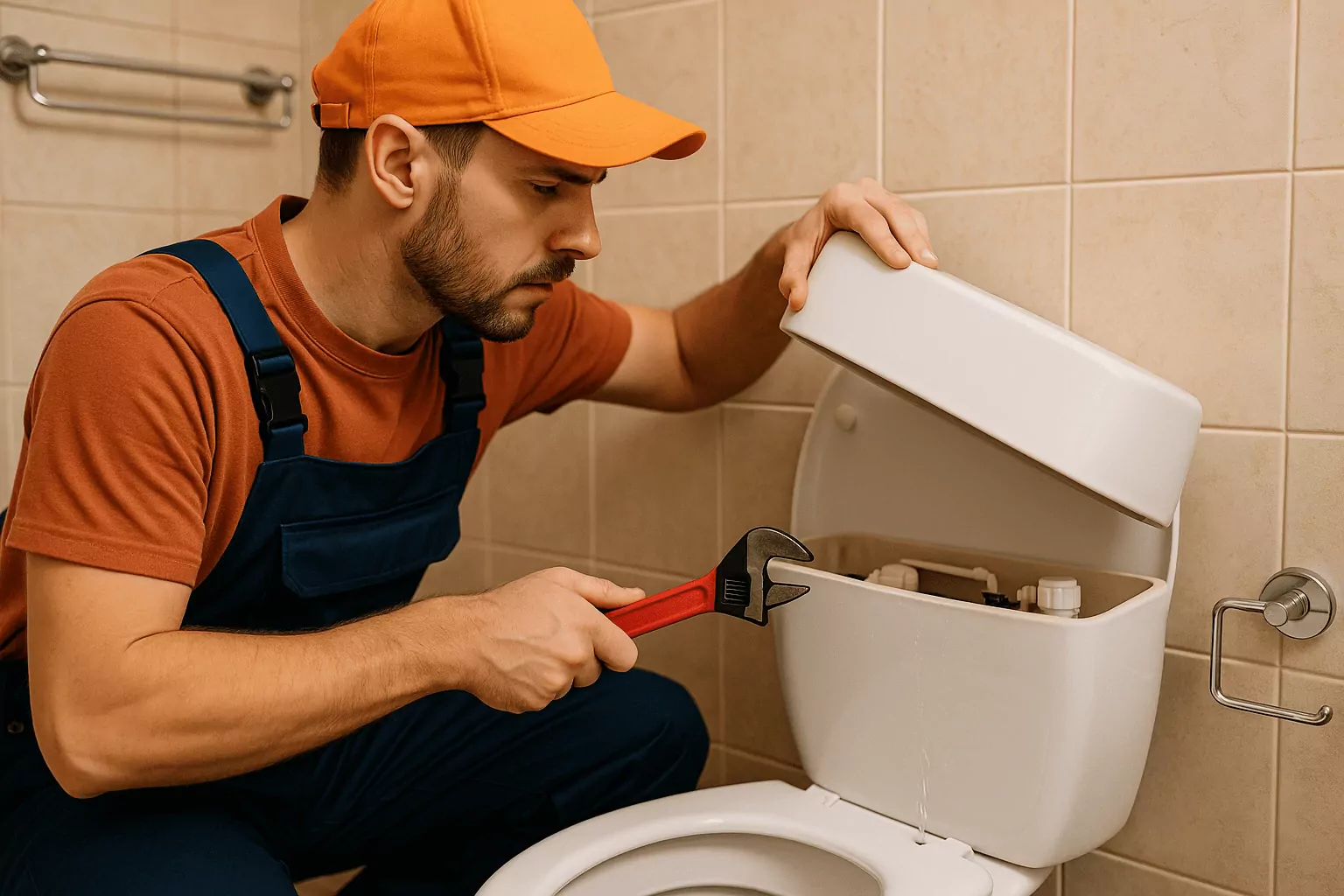
A running toilet is more than a nuisance for Vidor homeowners; it can waste hundreds of gallons of water a day and inflate monthly bills. In this guide, we walk through running toilet repair Vidor TX with practical diagnostics, DIY steps, and local insights. You will learn how to identify faulty components, make cost-effective part replacements, and decide when professional help is the smarter choice. We will also share simple maintenance habits that prevent repeat issues and keep your bathroom operating smoothly. Whether you live in Vidor, Orange, or nearby Beaumont, these steps will help you act quickly and confidently. For quick reference or pro service, bookmark this page and explore running toilet repair Vidor TX resources any time.
How to confirm the problem and why running toilets happen in running toilet repair Vidor TX
The first step in any repair is confirming the toilet is truly running and not just occasionally refilling. Listen for a steady hiss or periodic refill cycles that happen minutes after a flush, which often point to a slow leak from the tank to the bowl. A simple dye test works well: add food coloring to the tank, wait 10 to 15 minutes without flushing, and check the bowl for tinted water. If color appears in the bowl, the flapper is likely not sealing or the water level is creeping over the overflow tube. In Vidor and greater Orange County, minerals in the water can also build up on seals and valves, causing tiny gaps that lead to persistent leaks.
Understanding the anatomy of your toilet helps you fix issues faster and avoid unnecessary part swaps. The flapper acts as a rubber seal over the flush valve seat and is a frequent culprit when it becomes warped or covered in residue. The fill valve controls how the tank refills and can stick open or fail to shut off at the correct water level. The float, whether it is a cup or ball type, tells the fill valve when to stop filling, and misadjustment can cause overflows into the tank's overflow tube. Chains that are too tight or tangled can also prevent proper flapper closure, causing a slow but constant trickle into the bowl.
Running toilets cost more than you might expect, especially during hot Texas months when households already use more water. According to the EPA WaterSense program, household leaks can waste nearly 10,000 gallons a year, and running toilets are a top offender. Even a minor leak can add noticeable charges to your monthly bill in Vidor or Bridge City. Diagnosing quickly protects your budget and the environment by cutting needless consumption. It also reduces the risk of secondary issues like condensation on the tank, which can drip and damage floors or baseboards over time.
Step-by-step DIY fixes for running toilet repair Vidor TX
Start with a safe setup: turn off the water at the supply valve behind the toilet and flush to drain most of the tank. Inspect the flapper closely for warping, cracks, or mineral build-up around the sealing surface. Clean the flapper and the flush valve seat with a non-abrasive pad to remove residue that might break the seal. If the flapper feels brittle or misshapen, replace it with a new model that matches your flush valve style and diameter. After reinstalling, turn the water back on and run the dye test again to confirm a firm, leak-free seal.
If the flapper is fine but the tank water rises too high, adjust the float to lower the fill level about one inch below the overflow tube rim. For cup-style floats, slide the float down on the fill valve shaft; for older ball floats, shorten the arm slightly so it shuts off sooner. If the fill valve continues running or cycles intermittently, consider replacing it with a modern, anti-siphon unit that includes a quiet, efficient design. Most replacement kits provide simple instructions, and brands offer guides like this helpful fill valve guide. As you finish, ensure the refill tube is directed into the overflow tube without being submerged to prevent backflow or siphoning issues.
When reassembling, set the chain slack to about a quarter inch so the flapper can fully close but still lift freely when you flush. Verify the handle lever moves smoothly and does not catch on the tank lid or chain links. Replace the tank-to-bowl gasket and bolts if you see corrosion, as leaks here can mimic running-water sounds. Finally, let the toilet sit for 15 minutes without a flush and listen for any hissing or trickling that suggests residual leaks. If you are unsure about the parts to choose, call 409 Plumbing for guidance or schedule service through our plumbing services page.
Local case studies and cost-saving outcomes for running toilet repair Vidor TX
One Vidor homeowner noticed their guest bath refilling every few minutes, a classic sign of a slow tank-to-bowl leak. A dye test quickly pinpointed the flapper, which had hardened due to mineral deposits and was not sealing on one side. After replacing the flapper and wiping the flush valve seat, the noise stopped immediately, and the family reported a noticeable reduction in their next water bill. They also adjusted the float height to keep the water line safely below the overflow tube. The total project took under 30 minutes with a couple of basic tools.
In another case from Orange, a continuously hissing fill valve failed to shut off fully after every flush. The homeowner replaced the outdated valve with a new anti-siphon fill valve that includes quick height adjustments and a quieter refill. Because the previous float level was set too high, water had been riding the top of the overflow tube, creating a silent but steady waste. After resetting the water level and securing the refill tube in place, the tank stabilized with no further cycling. The household shared that they saved both water and the annoyance of middle-of-the-night hissing sounds.
For a Bridge City property manager, multiple units experienced running toilets after routine maintenance that stirred sediment in the lines. The solution involved flushing the supply briefly into a bucket before reconnecting the fill valve to clear grit from the valve seat. Several flappers were cleaned and a few replaced, followed by standardized float-height settings across the units. Establishing a simple checklist reduced repeat callbacks and stabilized water usage across the building. These local scenarios show how consistent methods and a few affordable parts can quickly solve the majority of running toilet issues.
When to call a professional and how 409 Plumbing helps with running toilet repair Vidor TX
DIY is effective for many running toilet problems, but there are times when expert help will save you time and protect your fixtures. Call a pro if the shutoff valve is stuck, the tank bolts are severely corroded, or repeated dye tests still show leaks after part replacements. Multiple bathrooms with the same problem may indicate supply pressure or whole-home issues that require professional diagnostics. If you have an older toilet or a specialty model, a licensed plumber can source exact-match components and ensure reliable, code-compliant repairs. Local techs also bring knowledge of common regional water-quality challenges that affect seals and valves over time.
409 Plumbing serves Vidor from our Orange, TX base with prompt scheduling, upfront pricing, and quality parts. We can handle quick flapper swaps, fill valve upgrades, stuck shutoffs, and leak evaluations during a single visit. If you are weighing repair vs replacement, we will explain options, expected lifespans, and water-saving benefits of modern fixtures. For fast scheduling, you can contact 409 Plumbing online or call 409-444-0066 for same-day assistance when available. Explore more home maintenance tips on our plumbing tips blog to keep small issues from turning into costly repairs.
With a clear diagnosis and a few simple parts, most running toilet problems can be solved quickly and affordably. Start with a dye test, check the flapper seal, set the correct water level, and replace a worn fill valve if needed. These steps stop hidden leaks, stabilize your utility bills, and restore a quieter bathroom experience in Vidor and throughout Orange County. If you prefer a hands-off solution or run into stuck valves and corrosion, professional help is a call away. For trusted, local support, reach out to 409 Plumbing at 409-444-0066.
409 Plumbing proudly serves Vidor, Orange, Beaumont, and Bridge City with fast, friendly service and durable, code-compliant repairs. Explore our plumbing services, book an appointment via our contact form, and learn from our blog to keep your home running smoothly year-round. From simple flapper fixes to full toilet replacements, our team will guide you through the best option for your needs and budget. Call today for same-day assistance when available and enjoy the peace of mind of a properly tuned bathroom. We look forward to helping you eliminate leaks and save on water the smart way.
Frequently Asked Questions About Fixing a Running Toilet
How do I know if I need running toilet repair Vidor TX or a full toilet replacement?
If the bowl and tank are in good condition with no cracks or wobbling, most running toilets can be fixed with a new flapper, fill valve, and simple adjustments. Replacement is considered when parts are obsolete, the porcelain is damaged, or the toilet consistently clogs despite proper usage. Also consider age and water efficiency; upgrading to a WaterSense-certified toilet can save water long-term. A licensed plumber can compare the cost of parts and labor to the price of a new, efficient toilet. In many Vidor homes, a targeted repair is the fastest, most budget-friendly path to stop leaks and restore quiet operation.
Which part usually fails first and causes a running toilet?
The flapper is the most common failure point because rubber can warp, crack, or gather mineral deposits that prevent a tight seal. However, the fill valve can also fail by not shutting off fully or by allowing the water level to ride too high. Misadjusted floats and tangled chains often create slow leaks that are easy to overlook. A careful inspection and a dye test will quickly isolate whether the issue is tank-to-bowl leakage or overfilling into the overflow tube. In practice, many homeowners replace both the flapper and fill valve for a comprehensive reset that solves persistent cycling.
Can I use universal parts for running toilet repair Vidor TX?
Universal parts often work, especially for standard two-piece toilets, but proper sizing and attachment style are critical. Flappers come in different diameters and hinge types, and some newer toilets require specialty designs. Fill valves are generally universal, but height and refill tube routing should match your tank for best performance. Take a photo of your tank internals and bring your old flapper to the store for a precise match. When in doubt, ask a pro at 409 Plumbing to recommend parts that suit your brand and model for a reliable fix.
How much water does a running toilet waste, and does it impact my Vidor utility bill?
Even a small, steady leak can waste dozens to hundreds of gallons per day, depending on the severity and how often the fill valve cycles. Over a month, that level of waste adds up to a noticeable spike on your water bill in Vidor or neighboring Orange. The EPA estimates household leaks can waste thousands of gallons annually, and toilets are a major source. Fixing a running toilet quickly not only helps the environment but also pays for itself in reduced utility costs. After a proper repair, many residents report calmer, quieter bathrooms and more predictable bills.
What preventive steps keep my toilet from running again?
Inspect the flapper every 6 to 12 months, wiping mineral build-up from the valve seat and replacing the flapper when it feels stiff or misshapen. Keep the float level set about one inch below the overflow tube rim to prevent overfilling. Ensure the refill tube is clipped above the overflow opening rather than shoved deep into it, which prevents siphoning issues. After any plumbing work that may stir sediment, briefly flush the supply line into a bucket before reconnecting the fill valve. Periodic checks take just a few minutes and dramatically reduce the chance of surprise nighttime refills.

Registered Master Plumber Texas State Board of Plumbing Examiners
RMP #44702
Licensed and Bonded
Cities Serviced
409 Plumbing
Follow Us On
© 2026 409 Plumbing. All Rights Reserved.
Website Design and Hosting Provided by LocalBizBuzz,co