
24 Hour Service
Call 409-444-0066
How to Choose the Right Water Heater Flushing Service in Port Arthur
Find reliable tips to select the best water heater flushing service in Port Arthur for your home's needs.
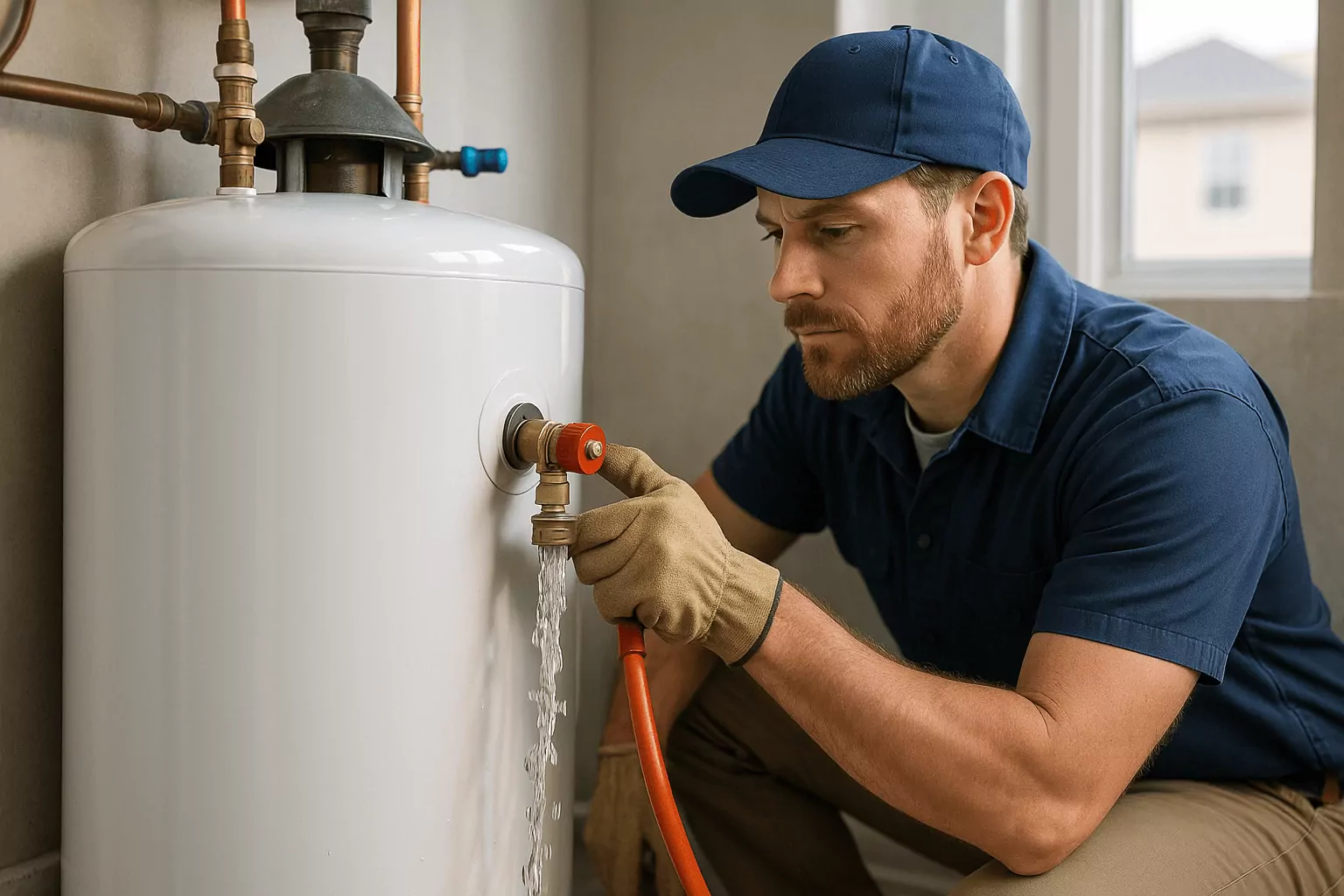
Choosing the best water heater flushing service Port Arthur homeowners can trust is about more than a quick drain and rinse. A thorough flush protects your tank or tankless unit from sediment buildup, restores efficiency, and helps extend equipment life. With Southeast Texas water quality and mineral content, the right pro uses proper descaling methods and safety checks. In this guide, you will learn how to evaluate credentials, pricing, service scope, and customer feedback. We will also cover red flags, warranty implications, and what to expect on the day of service. By the end, you will have a practical checklist to confidently compare providers and schedule your next maintenance with clarity.
Verify licensing, experience, and safety practices for any water heater flushing service Port Arthur
Start by confirming that the provider is licensed and insured in Texas and familiar with local codes in the Golden Triangle. Ask how many flushes they complete each month and whether they handle both tank and tankless systems from brands like Rheem, A. O. Smith, and Bradford White. An experienced technician will explain isolation, pressure relief valve testing, and scald prevention steps before opening the drain. They should also discuss water hardness in Port Arthur and how sediment or scale accumulation affects thermal efficiency and recovery time. For fast scheduling with our water heater flushing service Port Arthur team, you can also request proof of insurance and technician certifications upfront.
Look for a clear process outline, especially if you have a tankless unit that needs a pump-driven vinegar or citric acid flush. Reputable pros will shut off utilities, cool the unit, connect safe discharge lines, and manage sediment without making a mess. They will protect flooring, check for leaks at unions and valves, and capture rusty water responsibly. After flushing, a professional should relight the pilot if applicable, purge air, and verify thermostat settings for safe operation. For additional best practices, review guidance from the U.S. Department of Energy on water heating maintenance at energy.gov.
Understand the full scope of a professional water heater flushing service Port Arthur homeowners should expect
Not all flushes are equal, so ask exactly what is included before you book. A comprehensive visit typically covers sediment removal, anode rod inspection, TPR valve testing, burner or element check, and basic descaling for tankless systems. The technician should also inspect the expansion tank, evaluate venting or combustion air on gas models, and note any signs of corrosion. For electric units, a resistance check on heating elements can catch early failures and prevent sudden no-hot-water surprises. ENERGY STAR notes that properly maintained water heaters run more efficiently, which can trim utility costs over time - read more at energystar.gov.
Clarity around scope helps you compare apples to apples when you see different prices. If one quote only drains a few gallons while another power flushes to clear the bottom dome, results will differ dramatically. For tankless units, verify that the quote includes isolation valve kit use and a full recirculation flush for 45-60 minutes when needed. Ask whether the visit includes basic water quality testing or recommendations on softening if limescale is a recurring issue.
Compare transparent pricing, warranties, and reviews to find value - not just the lowest cost
Transparent pricing should define the flush type, labor time, and any materials such as hoses, descaler, and replacement washers. Request an itemized estimate that separates optional add-ons like anode rod replacement or drain valve upgrades from the base flush. Ask about workmanship warranties and how they handle callbacks if you notice slow hot water or discolored water after the visit. A reliable company will also outline manufacturer warranty considerations and avoid practices that could void coverage. Search for recent local reviews that mention water heater flushing specifically, then look for signals like punctuality, cleanliness, and clear communication.
Case study - a Port Arthur family noticed rumbling noises, sulfur smell, and lukewarm showers after back-to-back laundry days. Their 50-gallon gas tank had heavy sediment that covered the drain port and reduced burner efficiency. A proper power flush with a sediment agitation tool restored hot water volume, cut the rumbling, and trimmed their gas bill by an estimated 8 percent the next month. The tech also found a nearly depleted anode rod and replaced it to slow corrosion. Experiences like this highlight why value comes from thorough service and proactive parts checks, not just a quick drain.
Use a simple checklist to evaluate any water heater flushing service Port Arthur residents consider
Before you schedule, gather the make, model, and approximate age of your heater and note any symptoms like popping, rusty water, or temperature swings. Then use a consistent checklist when calling providers so your comparisons are fair and efficient. When you evaluate, capture answers in writing or via email so there is a clear record of what is promised. If a company sidesteps questions about licensing or refuses to specify what they will do on-site, treat that as a red flag. When you are ready to book, contact us at /contact so we can confirm availability and answer any final questions.
Finding the right partner for water heater care starts with verifying credentials, understanding scope, and insisting on transparent pricing. A professional water heater flushing service in Port Arthur should address sediment or scale, test safety components, and leave your system cleaner and more efficient. Use the checklist above to compare providers consistently, then choose the one that offers strong reviews and clear warranties. If you want a local, responsive team serving Orange, Beaumont, Bridge City, and nearby Port Arthur, 409 Plumbing is ready to help. Call 409 Plumbing at 409-444-0066 to schedule your service today. For more maintenance tips, check out our resources on our blog and get on a preventive plan that protects your home and budget.
Frequently Asked Questions About Water Heater Flushing Service
How often should I schedule a water heater flushing service in Port Arthur?
Most homes benefit from annual flushing, but local water hardness and usage can change the interval. If you run multiple showers, laundry, and dishwasher often, semiannual service may keep sediment from compacting. Homes with water softeners might stretch maintenance to every 12-18 months, but you should still monitor for noise or discoloration. Tankless units also need periodic descaling, which can be yearly in hard water areas to prevent heat exchanger fouling. Ask your technician to tailor a maintenance plan based on your model, water quality, and household demand.
What exactly happens during a professional water heater flush?
The technician will shut off power or gas, cool the unit, and isolate water before connecting a drain hose to a safe discharge point. For tank models, they open the drain and agitate sediment, repeating until the water runs clear and the bottom dome is free of debris. They test the TPR safety valve, inspect the anode rod, and check for leaks at valves and unions. On tankless units, they connect a pump and circulate a mild descaling solution through the heat exchanger, then flush with clean water. A final restart includes leak checks, thermostat verification, and relighting or power restoration with safe temperature settings.
Will flushing really improve performance and energy efficiency?
Yes, removing sediment or scale improves heat transfer and can speed recovery time, especially on gas tanks and tankless heat exchangers. Many homeowners notice quieter operation and more consistent water temperatures after a thorough flush. Efficiency gains vary, but reducing insulating sediment means burners and elements do not work as hard to reach set temperatures. Regular maintenance also reduces stress on parts, which can extend the life of the tank, elements, or burner assembly. Combined with correct thermostat settings and periodic anode checks, flushing is one of the highest-impact maintenance steps you can take.
Registered Master Plumber Texas State Board of Plumbing Examiners
RMP #44702
Licensed and Bonded
Cities Serviced
409 Plumbing
Follow Us On
© 2026 409 Plumbing. All Rights Reserved.
Website Design and Hosting Provided by LocalBizBuzz,co