
24 Hour Service
Call 409-444-0066
How to Choose the Right Water Heater Flushing Service in Orange
Essential tips for homeowners in Orange to select a reliable and effective water heater flushing service.
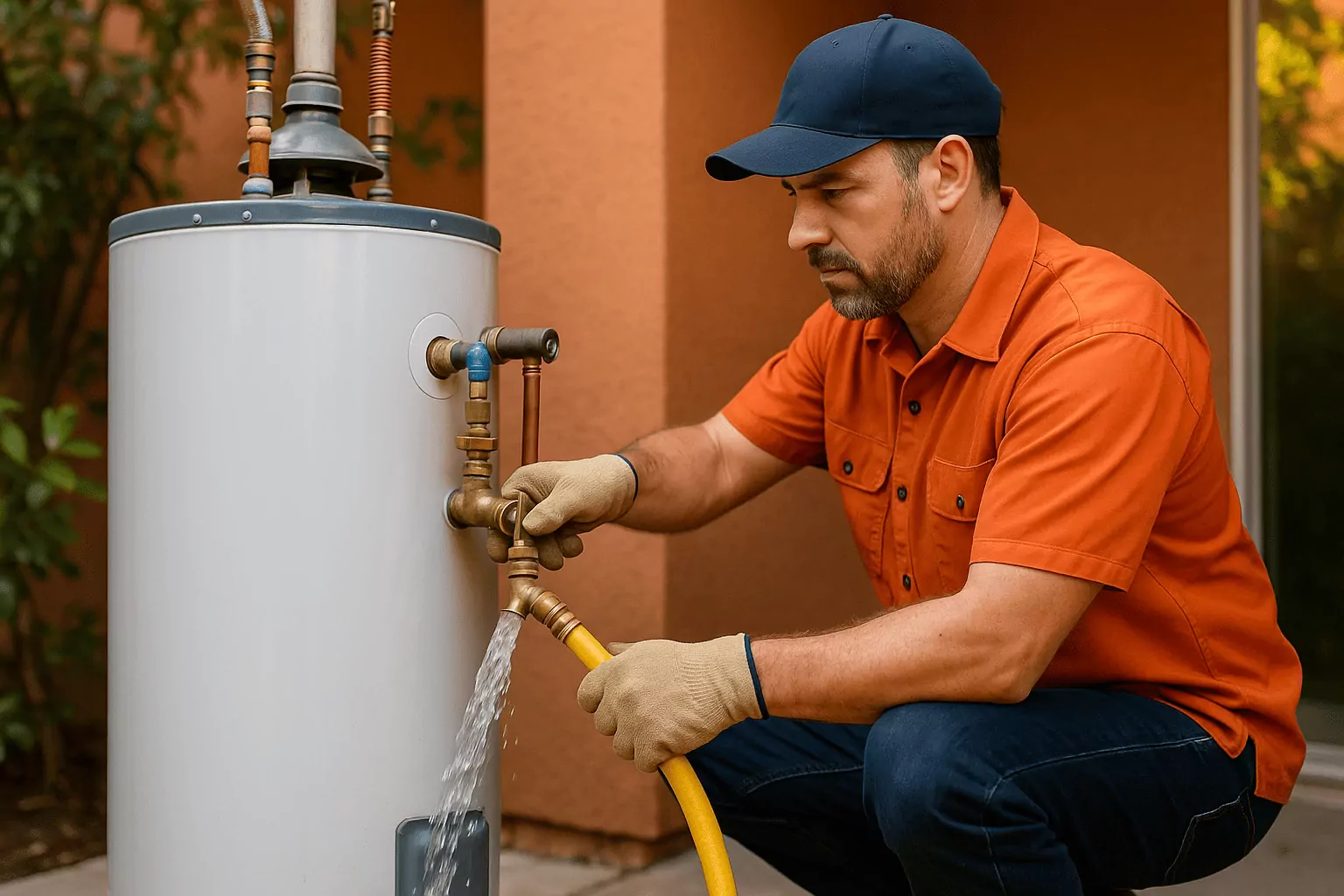
Choosing the best water heater flushing service Orange homeowners can rely on is essential for safe, efficient, and long-lasting hot water. Sediment buildup from hard water in Southeast Texas can lower efficiency, create rumbling noises, and shorten your heater's life if not addressed regularly. With so many local providers in Orange, Beaumont, and Bridge City, it helps to know exactly what to look for before you book. In this guide, you will learn how to assess credentials, compare service processes, and evaluate pricing with confidence. We will also share practical examples from local homes and highlight what a professional, safety-first visit should include. By the end, you will be ready to hire a trusted pro and enjoy better performance, hot water recovery, and peace of mind.
Licensing, insurance, and experience - choosing a water heater flushing service Orange you can trust
Start by verifying the provider's plumbing license and insurance, which protect you from liability and ensure code-compliant work. In Texas, you can confirm credentials with the Texas State Board of Plumbing Examiners, and you should never hesitate to ask for a current license number before booking. Proper insurance, including general liability and workers comp, safeguards your home in the rare event of an accident or leak during the flush. Reputable companies will also be familiar with Orange County codes and manufacturer specifications for gas, electric, and tankless units. This foundation matters because a thorough flush may involve high temperatures, pressurized water, and handling of safety devices like the T&P valve.
Experience with local water conditions is equally important, because Southeast Texas hard water accelerates scale formation and sediment accumulation. A seasoned technician will tailor the flush frequency and descaling approach based on your unit type, water hardness, and usage patterns. For example, a family in Orange with a 50-gallon gas tank that showed slow recovery and popping noises saw a dramatic improvement after a proper flush and anode inspection. The plumber documented heavy sediment, a partially clogged drain valve, and early anode depletion, then set the home on a 12-month maintenance schedule. Look for providers who can explain what they found, show photos of sediment, and advise on anode rod intervals for your exact model.
Process, tools, and scope of work for a quality water heater flush
A professional flush should be methodical and transparent, with the technician explaining each step before starting. The visit typically includes shutting off power or gas, isolating the heater, attaching a hose to the drain valve, and purging sediment until water runs clean. A top-tier service will also test the T&P valve, check the drain valve for leaks, and assess the anode rod where practical, since corrosion protection is vital. For tankless units, the process often involves circulating a descaling solution through the heat exchanger with a pump and hoses to remove limescale. Be sure to ask for the complete scope so you know whether safety checks and light cleanup are included, not just a quick drain-and-go.
You should also confirm the technician's tools and materials, which signal their commitment to doing the job right the first time. Look for descaling pumps for tankless units, sediment-catching hoses, new washers for drain valves, and basic parts on hand for minor fixes. A good provider will take inlet and outlet temperature readings, test for combustion safety on gas units, and document recovery improvements. They may also advise on optional upgrades like a water softener or whole-home filter if sediment and scale are chronic issues. For more on why maintenance matters for energy use and performance, consult the U.S. Department of Energy guidance on water heating best practices at energy.gov.
Transparent pricing, warranties, and scheduling in Orange, Beaumont, and Bridge City
Transparent, written pricing is your best protection against surprise add-ons and rushed workmanship. Ask for a detailed estimate that specifies what is included: the flush, safety checks, basic parts like washers, and any extra charges for heavily scaled tanks or tankless descaling. Clarify warranties on workmanship and whether the provider stands behind a no-leak guarantee after the flush and valve tests. Membership or maintenance plans can add value if they include priority scheduling, discounted future flushes, and annual safety inspections. When you compare quotes, focus on scope, protections, and reputation rather than the cheapest number alone.
Reliable scheduling also sets excellent providers apart, especially when you need same-day or next-day service. Confirm arrival windows, technician tracking or alerts, and how no-heat situations are prioritized in colder months. A strong local company will communicate delays quickly, carry common parts, and finish most standard tank flushes within 60-90 minutes. If you need help now, you can request a quote or schedule service through our contact form. Clear expectations around time and scope create a smoother visit and a better long-term maintenance relationship.
Reputation, reviews, and local support - picking the right partner
Local reputation is one of the strongest predictors of quality, so read recent reviews and look for consistent patterns. High-performing providers will have feedback that mentions clear communication, on-time arrivals, careful cleanup, and noticeable improvements in hot water performance. Pay attention to how companies respond to issues in public reviews, since professional, solution-focused replies often mirror how they handle service calls. Ask neighbors in Orange, Beaumont, and Bridge City for referrals and note which plumbers they would hire again. A trustworthy company will gladly share references and provide before-and-after details from similar homes and heater types.
Finally, choose a partner that makes it easy to get help after the job, not just during the initial visit. You want a team that answers the phone, explains maintenance intervals, and offers reminders so sediment does not creep back and reduce efficiency. Many homeowners bookmark a provider's maintenance resources, like our practical blog on seasonal water heater care at Water Heater Maintenance Tips. For quick navigation, you can also use this link to our home page: water heater flushing service Orange. With the right partner, you get more than a one-time flush - you get proactive guidance that keeps your system running safely and efficiently all year.
Picking the right water heater flushing service in Orange comes down to credentials, a transparent process, clear pricing, and strong local reviews. Verify licensing and insurance, ask for a documented scope of work, and compare warranties so you know your system is protected. Insist on a thorough flush that includes safety checks and tailored recommendations for your home and water quality. With the right partner, you will see faster recovery, steadier temperatures, and better energy efficiency, often right after the visit. Keep maintenance consistent, and your water heater will reward you with reliable, safe hot water for years to come.
Frequently Asked Questions About Water Heater Flushing
How often should I schedule a water heater flush in Orange, TX?
Most tank-style water heaters in Orange, TX benefit from an annual flush due to our region's higher mineral content. Homes with very hard water, large families, or frequent hot water use may see better results with a 6-9 month interval. Tankless units typically need descaling every 12 months, or more often if scale forms quickly, to preserve efficiency and prevent error codes. Your exact schedule should reflect your heater type, manufacturer guidance, and any signs of sediment like rumbling or slow recovery. A professional can test water hardness, inspect sediment levels, and set a personalized maintenance plan that prevents performance loss.
What are the signs my water heater needs flushing?
Common warning signs include popping or rumbling noises during heating cycles, reduced hot water volume, and slower recovery times between showers. You might also notice cloudy water, fluctuating water temperatures, or a drain valve that clogs or drips when opened. On tankless models, scale buildup can trigger error codes, lower flow rates, or cause inconsistent temperature output. If your energy bills have climbed without a change in usage, sediment could be forcing longer burner or element run times. A timely flush and inspection of the anode rod and T&P valve can restore performance and catch issues before they become costly repairs.
Can I flush my water heater myself, or should I hire a pro?
Handy homeowners can perform basic draining, but a full, safe flush involves high-temperature water, pressurized components, and safety devices that deserve expert attention. DIY attempts sometimes leave sediment behind, damage a fragile drain valve, or miss critical checks like T&P valve testing and anode assessment. Pros also bring descaling pumps for tankless units, new washers, and techniques to reduce mess, leaks, and downtime. If your heater is older, has a sticky drain valve, or shows signs of corrosion, professional handling is the safer choice. In many cases, the cost of a professional flush is offset by improved efficiency, lower bills, and extended equipment life.
How long does a professional water heater flush take, and will I be without hot water?
Most standard tank flushes take 60-90 minutes, including safety checks and cleanup, while tankless descaling can take about 60-120 minutes depending on scaling. Your hot water will be off during the process and will need a brief reheat period afterward, typically 20-45 minutes for tanks. Gas units may relight quickly, and electric elements will cycle back on once power is restored and the tank refills. Technicians often coordinate the visit during lower-usage times to minimize disruption. Clear communication about start time, duration, and reheat expectations helps you plan around the temporary downtime.

Registered Master Plumber Texas State Board of Plumbing Examiners
RMP #44702
Licensed and Bonded
Cities Serviced
409 Plumbing
Follow Us On
© 2026 409 Plumbing. All Rights Reserved.
Website Design and Hosting Provided by LocalBizBuzz,co