
24 Hour Service
Call 409-444-0066
How to Choose the Right Tankless Water Heater Installation in Bridge City
Make informed decisions on tankless water heater installation in Bridge City to enhance energy efficiency and save on utility bills.
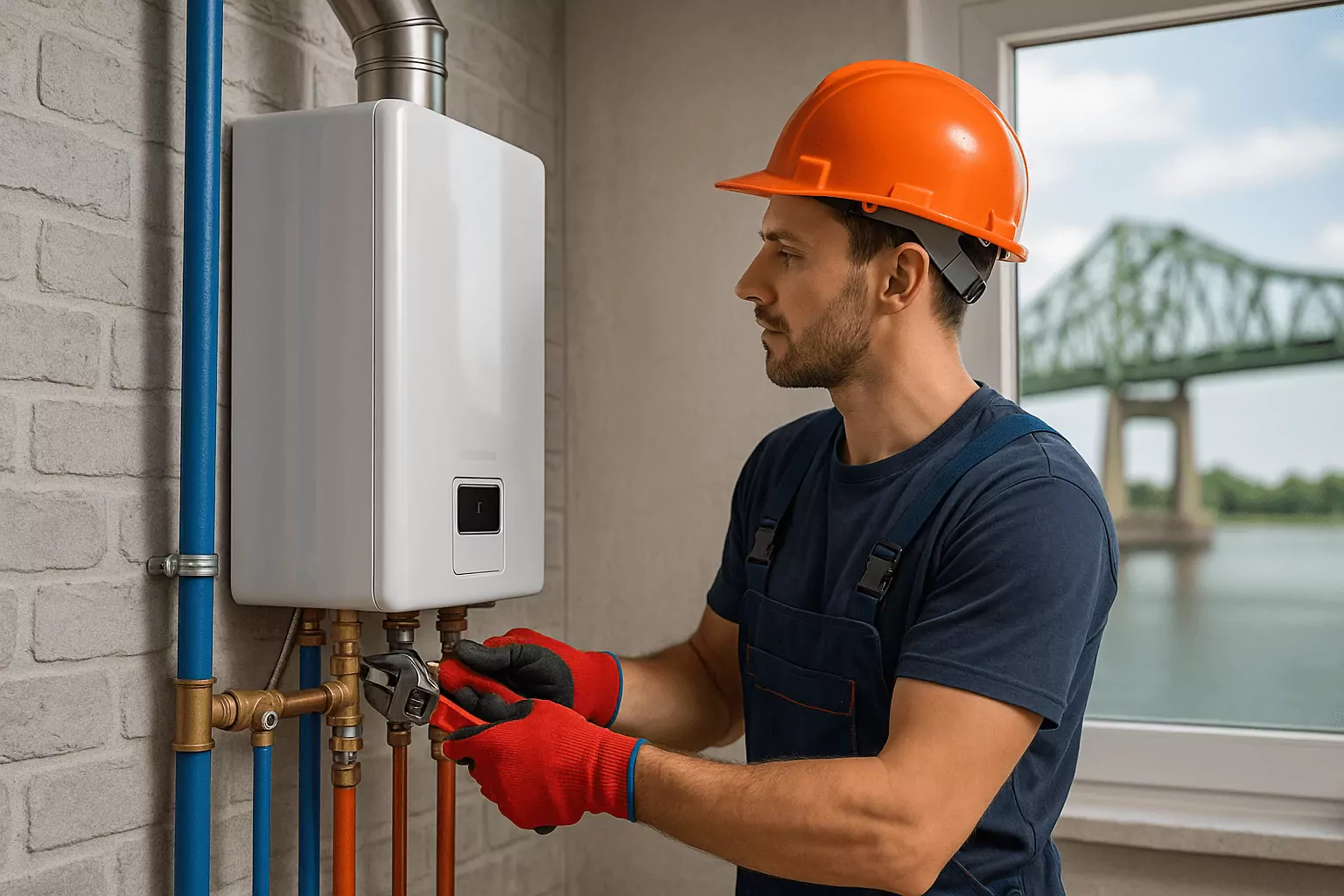
Homeowners comparing options for tankless systems often discover that performance and long-term value depend as much on the plan as the product. If you are researching tankless water heater installation Bridge City, you are already ahead of the curve on energy efficiency and space savings. The key is matching your hot water demand, local climate, and fuel availability with the right model and a code-compliant setup. In Bridge City and greater Orange County, groundwater and ambient temperatures help tankless units shine, but sizing, venting, and gas line capacity still matter. This guide breaks down how to choose, what to expect from costs and rebates, and how to vet an installer for dependable results. Along the way, you will find local insights, mini case studies, and practical checklists tailored to Bridge City homes. By the end, you will be ready to make a confident, cost-smart decision for year-round, on-demand comfort.
Right-sizing for your home and climate in Bridge City
The first step to a successful plan is accurate sizing, which means calculating your peak gallons-per-minute (GPM) need and the required temperature rise. In Bridge City, incoming water temperatures are typically moderate for Texas, which lowers the temperature rise a tankless unit must deliver and can improve flow capacity. Start by listing simultaneous uses, such as one shower and a dishwasher, then add up the GPM for each fixture using manufacturer specs or typical values. Most homes fall in the 5 to 8 GPM peak range, but larger households, spa tubs, or multi-head showers can push requirements higher. A properly sized unit avoids lukewarm showers and short-cycling while maximizing efficiency and lifespan for your tankless water heater installation Bridge City.
Beyond GPM and temperature rise, consider performance features that align with your habits and plumbing layout. Condensing tankless models extract more heat from exhaust, boosting efficiency and reducing venting constraints, which can be useful in tight mechanical spaces. Look for high Uniform Energy Factor (UEF) ratings, strong cold-climate performance curves, and advanced modulation that matches burner output to demand. If your home is spread out, a recirculation feature can minimize wait times at distant faucets while conserving water. For homes with accessory buildings or workshops, a point-of-use tankless in tandem with a primary whole-home unit can deliver targeted comfort without oversizing the main system.
Fuel type, venting, and code compliance for tankless water heater installation Bridge City
Your choice of gas (natural gas or propane) or electric significantly influences installation scope, operating costs, and code requirements. Natural gas and propane tankless units often deliver higher GPM for whole-home applications, but they may require gas line upsizing to support 150,000 to 199,000 BTU inputs. Electric tankless can be attractive where gas is unavailable, yet they frequently need multiple high-amperage breakers and upgraded service to handle peak loads. Venting is another critical element: condensing gas models typically use PVC or polypropylene venting, while non-condensing units may require stainless steel and stricter clearances. A licensed installer will evaluate combustion air, condensate drainage, seismic strapping (where applicable), and local code updates to ensure a safe, inspection-ready result.
Bridge City and surrounding Orange County jurisdictions emphasize proper permitting, manufacturer-recommended clearances, and adherence to gas and electrical codes. That means pressure testing gas lines, confirming shutoff valve placement, and verifying bonding and grounding where electric is involved. Outdoors-rated units can be a smart solution in our climate, bypassing some venting complexities while still meeting code for freeze protection and clearances. For indoor installations, proper vent routing, termination location, and wall penetrations protect your home's envelope and indoor air quality. A site visit to assess vent paths, panel capacity, gas meter sizing, and condensate routing is the simplest way to avoid change orders and delays on your tankless project.
Cost, rebates, and ROI of tankless water heater installation Bridge City
Total cost of ownership is where tankless systems often win, especially for households with steady or high hot-water usage. While equipment and installation can cost more than a standard tank, efficiency gains and longer service life (often 15 to 20 years) help offset the difference. According to the U.S. Department of Energy, tankless water heaters can be more efficient than storage tanks for many homes, particularly when right-sized and properly installed. Explore potential incentives like federal tax credits for qualifying gas tankless models with 0.95+ UEF, as outlined by ENERGY STAR, to reduce upfront costs. Pairing a water softener or installing isolation valves for easy descaling can also protect heat exchangers and preserve the energy savings you expect.
Consider a Bridge City case in point: a family on Maple Street replaced a 50-gallon tank with a 199,000 BTU condensing unit to support two showers, laundry, and a kitchen sink without bottlenecks. The project required a modest gas line upgrade and PVC venting through an exterior wall, and included a recirculation feature tied to a smart timer. Post-install, the homeowners reported unlimited showers on busy mornings, a smaller utility closet footprint, and utility bills trending downward after the first month. With annual maintenance and homeowner flushing every 6 to 12 months, depending on hardness, the system is projected to pay back the delta in under five years. For reliable research on performance and savings, see the U.S. DOE guidance and ENERGY STAR tax credit resources below.
Choosing a qualified installer in Bridge City and Southeast Texas
Tankless technology rewards expertise, so vet your installer with a targeted checklist tailored to our local housing stock. Look for licensed, insured pros who can show recent, local tankless projects and who size using GPM and temperature rise calculations rather than simple rules of thumb. Ask about gas line sizing, vent material and routes, condensate management, and whether a permit and inspection are included in the quote. A strong proposal should itemize model numbers, labor, parts, and potential upgrades, plus outline your maintenance plan, warranty coverage, and recommended flush intervals. Local familiarity also matters, from navigating Orange County permits to understanding how our water quality and climate affect descaling schedules and freeze protection.
409 Plumbing serves Bridge City, Orange, and Beaumont with end-to-end tankless solutions, from load calculations and product selection to permit-ready plans and post-install support. Explore our water heater services to compare options, schedule a site visit, and secure accurate pricing without surprises. If you are planning sooner rather than later, contact our team for a same-week assessment and a clear, code-compliant install roadmap tailored to your home. For more learning, browse related topics on our blog, including maintenance tips, recirculation best practices, and how to decide between gas and electric models. When you want local accountability and neat, efficient workmanship, choosing a specialist can make all the difference in long-term comfort and savings.
Choosing the right tankless water heater installation in Bridge City is a balance of sizing, fuel and venting decisions, and trustworthy craftsmanship. Start with your household's true peak demand, factor in our local temperature rise, then compare condensing models and features that fit your plumbing layout. Evaluate lifecycle costs alongside available incentives to understand payback, and prioritize installers who permit the job and stand behind their work. When you are ready for dependable hot water and lower utility waste, 409 Plumbing is here to help with clear pricing, neat installations, and attentive follow-through. Call 409 Plumbing at 409-444-0066, proudly serving Orange, Beaumont, and Bridge City.
Frequently Asked Questions About Tankless Water Heater Installation
How do I know what size tankless water heater I need for my Bridge City home?
Sizing starts with your peak simultaneous demand and local temperature rise. Add up the GPM requirements for fixtures you commonly use at the same time, like a shower and laundry, then compare that total to the output curves of candidate models. In Bridge City, moderate incoming water temperatures can help a given unit deliver more GPM than it would in colder climates. A good installer will confirm the math with on-site fixture counts, distance to taps, and recirculation needs. The goal is a model that handles peak loads without oversizing, which preserves efficiency, reduces cycling, and extends equipment life.
Is gas or electric better for tankless water heater installation Bridge City?
Natural gas or propane units typically provide higher flow rates for whole-home use and are popular where gas service is available. Electric tankless can work for smaller homes or point-of-use applications, but they often require significant electrical panel capacity and multiple dedicated breakers. Your choice ultimately hinges on utility availability, installation upgrade costs, and your hot water profile. A professional will compare lifecycle costs, including fuel rates, to help you choose the most economical option. If your home lacks gas and panel upgrades would be extensive, pairing a high-efficiency tank with strategic recirculation may also be discussed as an alternative.
What should I expect during installation and how long does it take?
Most standard replacements take one day, while projects involving gas line upsizing, electrical work, or complex venting can extend to two days or more. Your installer will turn off utilities, remove the old tank, hang and connect the new tankless unit, and route venting and condensate if applicable. They will pressure test gas lines, verify combustion air, and commission the unit by checking temperature settings, flow, and safety features. Permit and inspection timelines vary, but reputable contractors coordinate these steps to keep your project on schedule. Before leaving, they should walk you through maintenance steps, recirculation controls if installed, and warranty registration.
How do I maintain a tankless water heater for long-term efficiency?
Routine descaling is essential, especially in Southeast Texas where mineral content can vary by neighborhood. Plan to flush the heat exchanger every 6 to 12 months depending on hardness, either as a DIY task with isolation valves or through a maintenance program. Clean inlet filters, check vent terminations, and verify condensate drains to prevent performance issues. Keep temperature settings reasonable, typically around 120 F, to balance comfort, safety, and efficiency. Proactive maintenance protects your warranty, sustains advertised UEF performance, and helps your system deliver reliable hot water for 15 to 20 years.
Registered Master Plumber Texas State Board of Plumbing Examiners
RMP #44702
Licensed and Bonded
Cities Serviced
409 Plumbing
Follow Us On
© 2026 409 Plumbing. All Rights Reserved.
Website Design and Hosting Provided by LocalBizBuzz,co