
24 Hour Service
Call 409-444-0066
How to Choose the Right Shower Valve Replacement
in Orange TX
Get practical tips and expert advice for selecting the best shower valve replacement in Orange, TX, to enhance your bathroom experience.
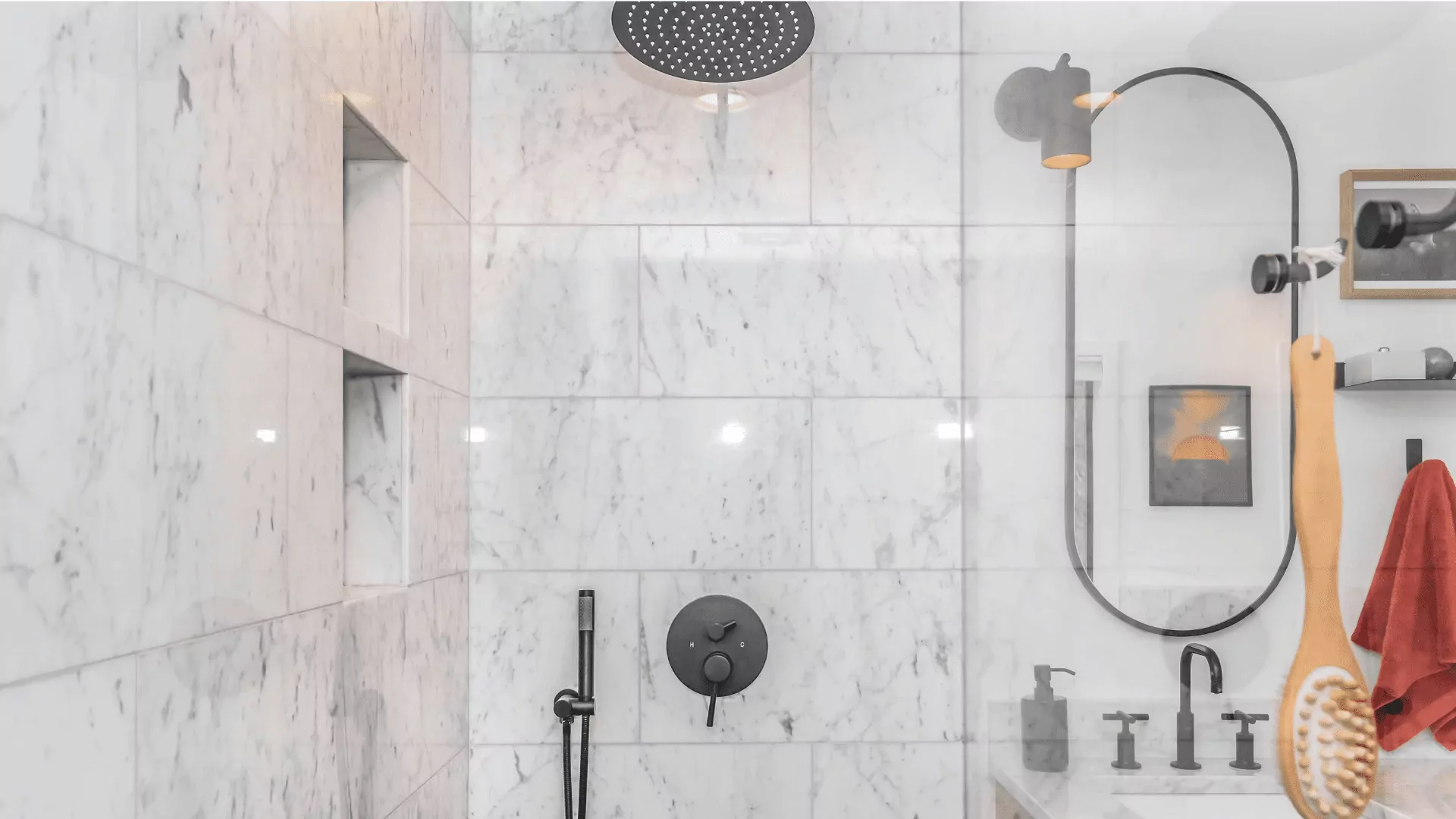
Picking the right shower valve can make the difference between daily comfort and constant frustration, especially in older Orange and Beaumont homes. If you are comparing brands, trim kits, and valve types, start by understanding how each option affects water temperature, pressure, and long-term reliability. Many local homeowners search for shower valve replacement Orange TX when leaks, temperature swings, or stuck handles become routine. The right fit depends on your plumbing layout, water quality, and whether you prefer a simple pressure-balancing valve or a precise thermostatic mixer. In this guide, we break down what to know, share real-world examples from Orange and Bridge City, and outline when to call a licensed pro. By the end, you will know how to choose a valve that is safe, durable, efficient, and easy to maintain.
Understand Your Existing Setup for shower valve replacement Orange TX
The first step is to identify the valve you already have behind the wall, since compatibility drives your choices and installation cost. Most homes in Orange and Bridge City use either pressure-balancing or thermostatic valves, each with different cartridges and trim. Pressure-balancing valves keep temperature steady by balancing hot and cold supply, while thermostatic valves hold a set temperature more precisely using a dedicated thermostat. Determine if your setup uses copper sweat connections, threaded fittings, or PEX, because that affects labor time and adapter needs. Also note whether the shower has a separate tub spout diverter, integrated diverter, or a two- or three-handle configuration that may require a full conversion.
Check your rough-in depth, brand, and series to avoid mismatches between the valve body and trim kit. Many brands like Delta, Moen, and Kohler offer universal or multi-choice valves that future-proof your bathroom by allowing later trim updates without opening the wall. Pay attention to anti-scald features and verify that any replacement meets modern safety standards to protect children and seniors. In Texas, licensed professionals are required for most plumbing tasks, so factor in code compliance and permitting for larger changes. When in doubt, have a pro identify the valve by removing the trim and comparing the cartridge and valve body to manufacturer specifications.
Local case study: A Bridge City homeowner with an aging two-handle setup experienced frequent leaks and temperature spikes. An inspection revealed corroded stems and a noncompliant valve with no scald protection, common in older bathrooms. We replaced it with a modern pressure-balancing valve with integral stops, allowing future service without shutting the main water. The new trim matched their brushed nickel fixtures, and the upgrade eliminated temperature swings from toilet flushes elsewhere in the house. The homeowner also appreciated the universal platform that can accept a different trim style later without tearing into tile.
Water Quality, Performance, and Efficiency in Orange TX Homes
Water quality impacts valve lifespan, temperature stability, and how often you replace cartridges. In parts of Southeast Texas, mineral content can lead to scale buildup inside cartridges and check valves, gradually stiffening handles and reducing flow. If your household sees chalky deposits on fixtures, choose valves with durable ceramic components and plan for periodic cartridge maintenance. Consider pairing a new valve with a WaterSense-labeled showerhead to balance comfort and conservation without sacrificing performance. For guidance on efficient fixtures, review the EPA WaterSense program recommendations at EPA WaterSense.
Performance is shaped by valve design, showerhead flow rate, and your home's pressure. Thermostatic valves are ideal if you want exact temperature control and minimal fluctuation during laundry or dishwasher cycles. Pressure-balancing valves remain a strong choice when budget matters, offering stable, safe showering for most families. If your pressure is low, choose a valve and showerhead combination rated for strong performance at lower psi, and verify any flow restrictors are appropriate for your supply. A licensed plumber can test static and dynamic pressure to ensure your selection will deliver the feel you want.
Local case study: A Beaumont homeowner reported poor hot water consistency and a lukewarm shower in the morning. Testing showed uneven pressure and a tired cartridge clogged with scale, so we recommended upgrading to a thermostatic mixing valve and a 2.0 gpm WaterSense showerhead. After installation and calibration, the family reported steady 102-104 degree showers even when appliances were running. The measured flow improved noticeably thanks to a properly sized supply and a clean, efficient valve body. Maintenance is now as simple as a periodic cartridge check and a gentle descaling routine.
Budget, Brands, and Long-Term Value for shower valve replacement Orange TX
Budgeting is not only about the sticker price of the valve and trim but also the hidden labor and access work. Pressure-balancing valves with matching trim can be very cost-effective, while thermostatic models typically cost more but deliver premium comfort. Compare warranty terms from top brands like Delta MultiChoice, Moen Posi-Temp, and Kohler Rite-Temp, and verify local parts availability. If you plan a future bathroom update, choose a universal valve platform now so you only swap trim later. This approach minimizes demolition, keeps tile intact, and reduces future labor significantly.
Total cost of ownership matters more than the initial price tag, especially in areas with hard water. Look for valves with service stops, which make future maintenance easier and faster by isolating water at the valve. Replaceable cartridges, widely stocked at local suppliers, save time when repairs are needed years down the road. Stick with trusted brands that publish clear installation manuals and support documentation. For licensing and consumer guidance in Texas, consult the Texas State Board of Plumbing Examiners at TSBPE when vetting contractors.
Installation Options, Timelines, and When to Call 409 Plumbing
Some experienced homeowners tackle simple swaps, but most shower valve projects benefit from a licensed professional for code compliance and leak-free results. Accessing the valve may require opening the back of the shower wall, and working with copper sweat joints or PEX expansions needs proper tools and technique. Professional installation often takes 2-4 hours if access is straightforward, but tile work or rerouting lines can extend that timeline. For clear scopes and options, review our services and schedule an estimate through our contact page. If you are weighing models or need a second opinion, our team can recommend the best fit for your water, pressure, and household use.
A typical pro workflow includes shutting off water, protecting finishes, removing trim, and inspecting the existing valve and connections. Next comes cutting or desoldering the old body, adapting lines as needed, and installing the new valve at the correct depth and plumb. After leak testing and flushing debris, your plumber will set maximum temperature limits to prevent scalds and fine-tune handle alignment. We finish with a final pressure and temperature test and walk you through maintenance steps to extend cartridge life. For more insights on bathroom upgrades, check our latest tips on the 409 Plumbing blog.
Choosing the right shower valve replacement in Orange TX comes down to understanding your current setup, local water conditions, and comfort goals. Prioritize safety with anti-scald features, compare pressure-balancing versus thermostatic performance, and select brands with strong warranties and local parts. When installation or code questions arise, 409 Plumbing is here to help homeowners in Orange, Beaumont, and Bridge City make confident, lasting choices. Call 409 Plumbing at 409-444-0066 to schedule your estimate. For quick scheduling and service details, head to our contact form and explore our full range of services to plan your project.
Frequently Asked Questions Shower Valve Replacement
How do I know if my shower valve needs replacement or just a new cartridge?
Common signs include temperature swings, grinding handles, and water leaking behind the trim plate. If the body is sound but the handle is stiff or the water is inconsistent, a new cartridge can often restore performance. However, chronic scalding risk, corrosion on the valve body, or an obsolete multi-handle setup suggests a full replacement. A professional can test for pressure balance, remove the trim, and inspect the cartridge, check valves, and seats. In older Orange homes, upgrading the entire valve may be the safer, more reliable option.
What is the difference between pressure-balancing and thermostatic valves?
Pressure-balancing valves keep the mixed temperature relatively stable by reacting to changes in hot or cold supply pressure. They are reliable, code-compliant, and budget friendly for most households. Thermostatic valves, by contrast, let you set an exact temperature and maintain it by adjusting hot and cold flow independently. They offer superior comfort during simultaneous water use, like laundry cycles or toilet flushes. If precision and consistent comfort are priorities, a thermostatic valve is typically the best choice.
How long does a professional shower valve replacement take in Orange TX?
Most straightforward replacements with good access take about 2-4 hours from shutoff to final testing. If walls must be opened or tile work is needed, plan for additional time to ensure a clean, watertight finish. Copper-to-PEX transitions, diverter changes, or converting from two- to single-handle setups can also extend the job. Your plumber will assess access, piping type, and code requirements before quoting a timeline. After installation, calibration and maximum temperature setting add a few extra minutes for safety and compliance.
Can I upgrade to a modern trim without opening the wall?
In many cases yes, if your current valve body is compatible with newer trim from the same brand family. Universal platforms like certain multi-choice valves allow you to refresh the look by swapping trim and cartridge only. If you have a very old or off-brand valve, trim-only upgrades may not fit or may not provide anti-scald protection. A quick inspection can confirm your valve series and whether a trim refresh will work safely and securely. When compatibility is unclear, a licensed pro can recommend either a trim update or a full valve replacement.
Registered Master Plumber Texas State Board of Plumbing Examiners
RMP #44702
Licensed and Bonded
Cities Serviced
409 Plumbing
Follow Us On
© 2026 409 Plumbing. All Rights Reserved.
Website Design and Hosting Provided by LocalBizBuzz,co