
24 Hour Service
Call 409-444-0066
How to Choose the Right Service for Sewer Stoppage Repair in Beaumont
Practical tips for homeowners in Beaumont to select the best sewer stoppage repair service and avoid costly mistakes.
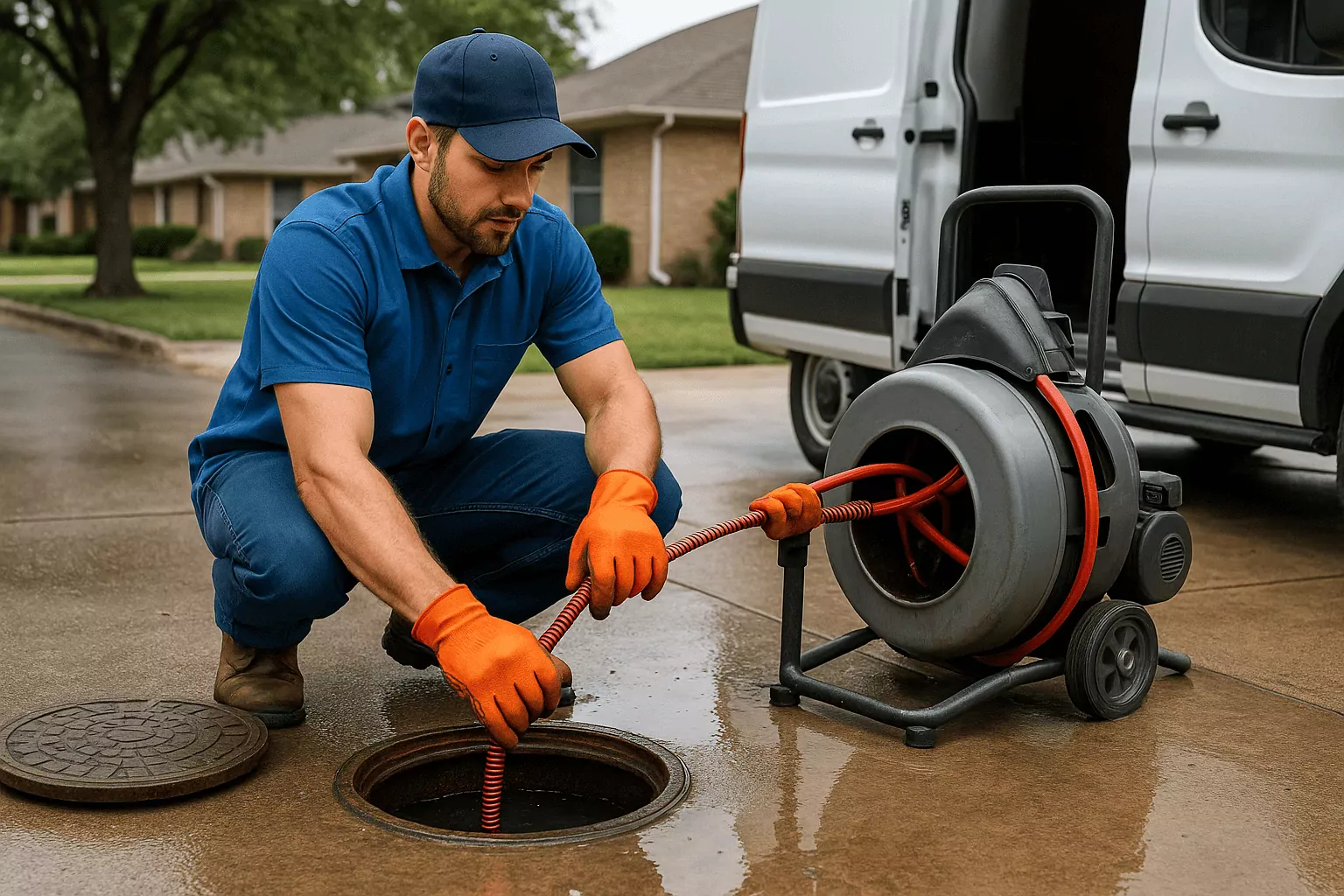
When wastewater backs up, quick and correct action can save your floors, walls, and wallet. If you are weighing options for sewer stoppage repair in Beaumont, the right provider will diagnose the root cause, fix it properly, and help prevent it from happening again. Start by understanding your options, the methods available, and how to compare local plumbers on credentials and value. For a quick primer and a trusted local resource, explore sewer stoppage repair Beaumont and learn what to ask before you hire. In this guide, we outline how to evaluate experience, equipment, warranties, and response times so you can make a confident choice. You will also find real examples from Southeast Texas homes and practical steps to reduce future backups.
Know the causes and signs before you hire for sewer stoppage repair Beaumont
Clogs in Beaumont often stem from a few repeat offenders: grease buildup from kitchens, wipes and hygiene products that do not break down, root intrusion in older clay or cast-iron lines, and scale or corrosion in aging pipes. Local soil movement from heavy rains and seasonal shifts can create bellies or offsets in the line, which trap solids and lead to chronic stoppages. A credible plumber will start with a sewer camera inspection to confirm the cause rather than guessing. This visual proof protects you from unnecessary digging and helps you compare apples to apples on recommended repairs. Ask for a recorded video or images with clear measurements so you understand where the blockage is and how severe it may be.
Homeowners should watch for early warning signs that a main line clog is forming. Slow drains across multiple fixtures, gurgling toilets, floor drain seepage, and a sewer smell near cleanouts or in the yard often precede a full backup. If water rises in a tub when the washer drains, that is a red flag the main line is restricted. Catching these signals early allows for lower-cost cleaning instead of emergency remediation. If you experience any wastewater overflow indoors, follow safe cleanup practices and be mindful of health risks noted by the CDC.
Understanding private versus public responsibility helps you plan next steps. In most cases, the homeowner is responsible for the private sewer lateral from the house to the property line, while the city maintains the public main beyond that point. If a camera shows the blockage at the tap or in the public main, your plumber may advise contacting the city for assistance. Clear documentation speeds coordination and can prevent duplicate work or charges.
How to evaluate providers for sewer stoppage repair Beaumont
Choose a company that is licensed, insured, and experienced with Beaumont's housing stock and soil conditions. Ask how many main line stoppages they resolve in a typical week and what percentage require hydro jetting or descaling. A reputable contractor will explain their diagnostic process, show the equipment they use, and provide a written estimate that separates cleaning from repairs. Look for rapid response options and after-hours availability because sewer backups rarely wait for business hours. Finally, check local reviews in Orange, Beaumont, and Bridge City to confirm consistent quality and timely communication.
Equipment matters more than slogans. Sewer machines with the right cable and cutter heads, high-pressure hydro jetting units, and modern camera locators mean faster, more accurate results. For example, a Beaumont homeowner near Delaware Street faced recurring backups every three months; a basic cable cleared the clog temporarily, but only a follow-up camera revealed root intrusion at a joint. A licensed crew returned with a jetter and root-cutting nozzle, restored full flow, and documented the joint defect for a spot repair plan. That combination of verification, cleaning, and targeted repair is what prevents repeat headaches.
Service transparency and guarantees are strong differentiators. Seek providers who offer upfront pricing and cleanup included, plus workmanship warranties that spell out what is covered and for how long. Confirm whether a warranty is voided by improper use, tree root regrowth, or lack of scheduled maintenance. Ask if they provide maintenance plans or reminders for homes with known root issues or older piping. Clear policies protect you and encourage better long-term outcomes.
Comparing methods and costs for sewer stoppage repair Beaumont
Not all stoppages require the same fix, and understanding methods helps you choose wisely. Basic cable clearing is a fast, budget-friendly solution for soft clogs or minor obstructions. Hydro jetting uses high-pressure water to scour the pipe walls and cut roots, which is ideal for grease-heavy lines and recurring blockages in restaurants or busy households. Mechanical descaling can restore inner diameter in cast-iron pipes where significant tuberculation exists. When structural defects are present, repairs may range from a small spot repair to trenchless lining or full replacement, depending on severity and pipe condition.
Always request a camera inspection and a written estimate that outlines line length, blockage location, and recommended method. Costs vary with access to a cleanout, pipe material, depth, and whether landscaping or concrete must be disturbed. A typical sequence might be initial clearing plus camera, followed by jetting if buildup remains, and then a targeted repair if a defect is confirmed. Evaluate total value, not just the first-visit price, since choosing the right method can stop a cycle of repeat service calls. The TCEQ provides statewide wastewater guidance that underscores the importance of proper repairs to protect public health and the environment.
Consider asking each contractor a consistent set of questions to compare options fairly. For instance, what is included in the cleaning price and what triggers additional charges? Can they show before-and-after footage from the actual line, not stock videos? Do they provide permitting assistance if a spot repair or replacement is needed? Clear answers will reveal who is prepared to solve the problem fully.
Prevention plans and warranties that keep your Beaumont sewer flowing
The best sewer stoppage repair includes a prevention strategy tailored to your home. A plumber may recommend installing or exposing a proper cleanout for faster, less invasive service. In homes prone to backflow during storms, a backwater valve can protect low-level fixtures. Regular maintenance jetting on grease-prone lines, root control schedules, and mindful home habits all lower risk. To explore proactive service options, review our sewer and drain services.
Finally, pair prevention with clear warranty terms. Ask whether the provider offers a no-return-stoppage window after cleaning and workmanship coverage on any repairs. Confirm what maintenance you must follow to keep coverage valid. Keep your camera footage and written scope on file, since that record speeds future diagnostics if anything changes. If you are ready to get help or set up maintenance, you can contact 409 Plumbing for a fast response in Beaumont, Orange, and Bridge City.
Choosing the right partner for sewer stoppage repair in Beaumont comes down to proof-driven diagnostics, the right method for the problem, and a clear plan to prevent repeats. Look for licensed pros who provide camera footage, explain options like jetting,, and back their work with transparent warranties. Compare written estimates that specify line length, blockage location, and what is included in the price. With the right provider, you will restore flow quickly and reduce the chance of future emergencies. For fast, local help, call 409 Plumbing at 409-444-0066. We proudly serve homeowners in Orange, Beaumont, and Bridge City and are ready to help you keep your drains clear year-round.
Frequently Asked Questions About Sewer Stoppage Repair
How fast should I act if I see signs of a main sewer backup?
Act immediately, because wastewater exposure can escalate damage and health risks within minutes. Stop running water, turn off affected fixtures, and keep people and pets away from contaminated areas. If you can access a cleanout, relieve pressure by removing the cap cautiously, but avoid DIY snaking without proper tools and PPE. Call a licensed local pro who can prioritize your job and perform a camera inspection after initial clearing. Swift action can often turn a major disaster into a manageable service call with cleanup.
Do I really need a camera inspection for sewer stoppage repair Beaumont?
Yes, a camera inspection is the most reliable way to confirm the cause, location, and extent of the blockage. It prevents unnecessary digging and helps you compare estimates on equal footing. Video evidence distinguishes between a soft clog, root intrusion, scale buildup, or a broken pipe, each of which requires a different fix. Most reputable providers will include or offer camera verification after restoring initial flow. Keeping a copy of the footage also supports future maintenance planning and warranty claims.
What is the difference between cable clearing and hydro jetting?
Cable clearing uses a rotating cable and cutter heads to punch through or break up obstructions for quick relief. It is effective for many blockages but may leave grease or soft buildup on pipe walls that can reaccumulate. Hydro jetting uses high-pressure water to scrub the pipe interior, remove grease, cut roots, and flush debris downstream. Jetting often delivers a longer-lasting result, especially in kitchens or lines with chronic grease issues. Your plumber should recommend the best method based on what the camera reveals.
Will my homeowners insurance cover sewer backups or pipe repairs?
Coverage varies by policy and whether you have added endorsements for water or sewer backup. Many standard policies exclude damage from backups unless an optional rider is in place. Even when damage cleanup is covered, the cost to repair or replace the pipe itself may not be. Document everything with photos, camera footage, and invoices to support a claim. Speak with your insurer and your plumber to understand what is covered before starting major repairs.

Registered Master Plumber Texas State Board of Plumbing Examiners
RMP #44702
Licensed and Bonded
Cities Serviced
409 Plumbing
Follow Us On
© 2026 409 Plumbing. All Rights Reserved.
Website Design and Hosting Provided by LocalBizBuzz,co