
24 Hour Service
Call 409-444-0066
How to Choose the Right Service for Generator Gas Line Installation in Bridge City
Simple steps to select the best service for generator gas line installation in Bridge City, ensuring safety and reliability.
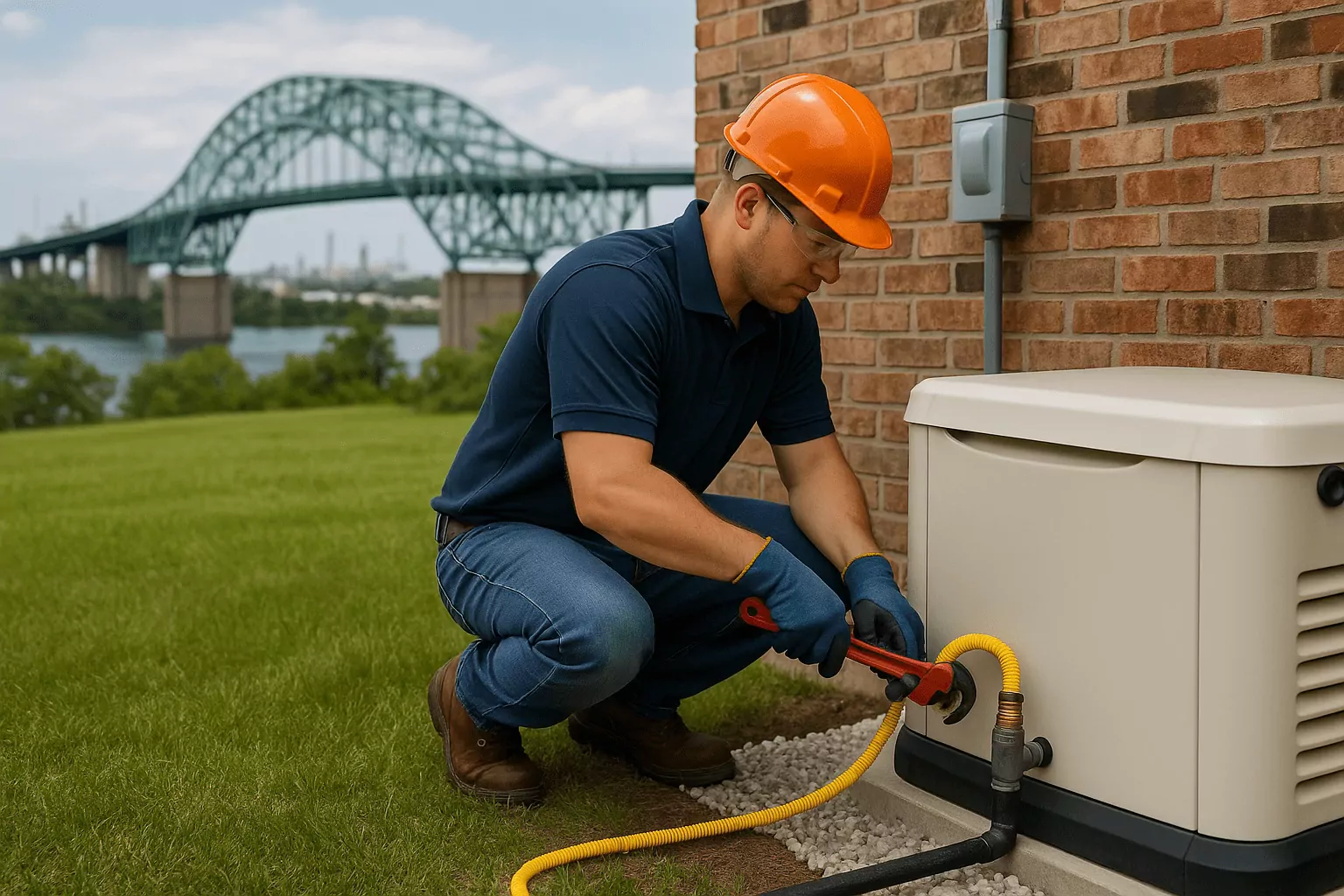
Choosing the best contractor for generator gas line installation Bridge City is essential to protect your home, business, and investment. A properly sized, permitted, and pressure-tested line ensures your standby generator runs safely and efficiently when outages strike. Bridge City and surrounding Orange County jurisdictions follow strict fuel gas codes, so it pays to work with licensed pros who understand local requirements. From pipe sizing and trenching to regulator placement and inspection, every step must be executed with precision. This guide explains how to evaluate providers, compare bids fairly, and confirm compliance before work begins. You will also find real local examples, safety best practices, and a clear path to scheduling your project with a trusted team. By the end, you will be ready to make a confident, informed decision.
Licensing, permits, and code compliance for generator gas line installation Bridge City
The foundation of a safe project is compliance with the National Fuel Gas Code (NFPA 54), local amendments, and utility requirements. In Bridge City and Orange County, legitimate contractors secure permits, coordinate inspections, and follow utility guidelines for meter sizing and lock-offs. Ask each bidder to explain how permits are handled and when the inspector will witness pressure testing. Reputable companies will also furnish a certificate of insurance and state plumbing license information up front. For reference, you can review NFPA 54 guidance from the National Fire Protection Association at NFPA 54. These standards help ensure your generator fuel system is built to code and ready to pass inspection.
When screening contractors, verify credentials and processes before any design or digging begins. Request the company's license number, proof of general liability and workers' compensation insurance, and confirmation that they will obtain permits in their name. Clarify who schedules the inspection and what documentation you receive upon completion, such as pressure test logs and as-built diagrams. If your project involves meter upsizing or adding a second-stage regulator, confirm how the team coordinates with the gas utility. Strong providers will walk you through each step so there are no surprises on timeline or cost. Use this quick checklist as you compare options:
Consider a recent Bridge City example where a homeowner added a 24 kW standby generator before hurricane season. The chosen contractor handled permitting and proposed a code-compliant trench to a PE (polyethylene) underground line with proper risers and tracer wire. During inspection, the system held the prescribed test pressure and passed on the first visit, which kept the project on schedule. Because the team coordinated meter upsizing early, fuel supply matched the generator's BTU demand under full load. The homeowner received an as-built diagram and warranty packet, giving them confidence for future maintenance and any future inspections. This is the standard you should expect when hiring in our area.
Technical expertise and sizing for generator gas line installation Bridge City
Accurate gas line sizing begins with the generator's BTU rating and the total developed length of the piping run. Experienced installers calculate pressure drop, choose the correct material, and ensure regulators and meters are appropriately matched to demand. If the generator is a popular brand such as Generac or Kohler, installers use manufacturer data to confirm minimum fuel flow at both start-up and steady-state load. With the right calculations, the system avoids nuisance shutdowns, sputtering during load step changes, or starving other gas appliances in the home or business. Done properly, your equipment starts reliably and delivers full rated power when you need it most.
Material selection and installation methods matter just as much as the math. Many Bridge City projects use black iron or CSST (corrugated stainless steel tubing) indoors, along with underground PE pipe in sleeved, code-compliant trenches outdoors. The line must include shutoff valves, sediment traps where required, and properly bonded CSST to mitigate lightning risk per current standards. Installers pressure test with calibrated gauges or manometers, document results, and repair any leaks before inspection. They also set correct regulator locations to avoid freeze issues and ensure stable delivery pressure to the generator's gas valve. Details like tracer wire on PE piping and proper riser transitions are small but critical indicators of craftsmanship.
A Bridge City boutique retail shop recently upgraded to a commercial-grade 27 kW standby unit to protect inventory and POS systems. The installer completed a load analysis, upsized the customer's meter in coordination with the utility, and ran a new 2 psi system with a step-down regulator near the generator. After a 15-minute pressure test at the specified test pressure held steady, the project passed inspection on the first attempt. The generator has run multiple test cycles and a real outage without any fuel starvation or low-pressure errors. Signs you are working with a knowledgeable pro include:
Safety, testing, and warranty for generator gas line installation Bridge City
Safety is non-negotiable for any fuel gas project around a generator. Proper clearances from windows, doors, and ignition sources must be maintained to reduce fire and fume hazards. Clear labeling of shutoff valves and emergency procedures help everyone respond quickly if there is a leak. Carbon monoxide is a serious risk during storms and outages, so install CO alarms and follow placement guidance from the CDC at CDC CO Safety. Your contractor should instruct you on safe operation, including periodic exercise cycles and what to do if you smell gas. These best practices protect occupants and the property while keeping your system ready for emergencies.
Thorough testing and transparent warranty coverage distinguish top-tier providers in Bridge City. Expect a documented pressure or leak test and a visual inspection of all joints, supports, and protective sleeves prior to backfill. After the inspector signs off, you should receive an as-built drawing and written warranty covering labor and materials for a defined period. Ask about corrosion-resistant fittings, UV-rated risers, and protective barriers if vehicles or mowers operate nearby. Clarify maintenance needs such as annual leak checks, regulator vent screening, and post-storm inspections to catch issues early. Reliable companies make these steps routine and explain them in plain language so you know exactly what you are getting.
Comprehensive projects also factor in long-term service and homeowner education. A quality installer will show you how to operate shutoff valves, locate the regulator vent, and recognize unusual generator behavior that may signal fuel issues. They may offer maintenance packages to recheck connections, inspect trench lines if accessible, and validate pressure during seasonal changes. In coastal and storm-prone areas like Orange and Beaumont, that proactive care helps prevent corrosion or settling that can affect underground lines. Documenting serial numbers, photos, and permits in a single packet makes warranty claims simpler and faster. Look for providers who build all of these commitments into their process from day one.
Pricing transparency, timelines, and customer experience for generator gas line installation Bridge City
Clear bids make it easier to compare contractors apples to apples. Ask each company to break out design, permits, trenching, materials, regulator(s), pressure testing, inspection, utility coordination, and backfill or restoration. Note whether meter upsizing fees, rock or concrete removal, and generator connection fittings are included or called out as allowances. Confirm what electrical scope, if any, is included versus handled by your electrician. Request a written schedule with target permit dates, inspection windows, and substantial completion so you can plan around outages. Transparent quotes with defined exclusions reduce change orders and protect your budget.
Timelines can vary with weather, utility response times, and inspection availability in Bridge City, Orange, and Beaumont. After major storms, demand spikes, so prioritize early planning to reserve your slot. Professional teams communicate clearly if the utility requires a meter change or if the inspector's schedule shifts, helping you avoid surprises. Ask how crews handle rain delays, trench safety, and property protection during excavation. A contractor who sets realistic expectations and keeps you updated is more likely to deliver a smooth experience. If you want to get oriented on the service menu first, see our services and explore related project types.
When you speak with providers, use targeted questions to gauge professionalism and fit. You can also review helpful planning content on our blog or reach out directly through our contact form. For a quick reference, compare each bid using this checklist, and consider starting with generator gas line installation Bridge City specialists who serve your neighborhood:
Selecting the right partner for generator gas line installation Bridge City comes down to licensing, code compliance, technical expertise, safety, and clear communication. Insist on permits, documented pressure testing, and thorough sizing to protect your investment and ensure dependable performance. Compare detailed, transparent bids and confirm warranty terms before signing. For local expertise across Orange, Beaumont, and Bridge City, contact 409 Plumbing at 409-444-0066. Our team designs, permits, installs, and tests fuel gas systems for standby generators with care and precision. Ready to begin? Reach out through our contact form to schedule your consultation today.
Frequently Asked Questions About Generator Gas Line Installation
Do I need a permit for generator gas line installation in Bridge City?
In most cases, yes, a permit is required for generator gas line installation in Bridge City and throughout Orange County. Permits ensure your project is inspected for compliance with NFPA 54 and any local amendments. Your contractor should pull the permit in their name, schedule inspections, and provide documentation upon completion. Unpermitted work can lead to fines, failed inspections when selling the property, or safety hazards. Always verify in writing that your installer will manage permits and inspections on your behalf. If you have questions about statewide safety requirements, the Texas Railroad Commission offers resources at RRC Safety.
How do professionals size the gas line for my standby generator?
Pros start with the generator's BTU rating and the total length of the piping route, then consult code-approved sizing tables to limit pressure drop. They consider existing appliances, meter capacity, and whether a higher service pressure or additional regulators are advisable. For common residential standby units, installers also reference manufacturer specifications to confirm minimum inlet pressure at start and full load. If the utility meter is undersized, they will coordinate an upgrade before commissioning the generator. A proper sizing analysis prevents failure-to-start, sputtering under load, and interference with other gas appliances. You can learn more about generator load considerations from manufacturer resources like Generac.
Is natural gas or propane better for my generator in Bridge City?
Both fuels can work well, and the right choice depends on availability, run-time goals, and your property layout. Natural gas offers convenience and long run-times without refueling, assuming your meter and service pressure are adequate. Propane can be ideal in areas without natural gas service or where you want on-site fuel storage and control. Your installer will evaluate regulator stages, tank size (for propane), and expected load duration to recommend a configuration. In either case, code-compliant regulators, piping, and safety devices are essential for reliable performance. Proper planning ensures you have the fuel you need during extended outages common to Gulf Coast storm seasons.
How long does generator gas line installation usually take?
Most residential projects span a few days from trenching to inspection once permits are approved, though timelines vary. Factors include line length, soil conditions, utility coordination for meter changes, and inspection schedules. Complex commercial projects or challenging site conditions can extend the schedule. A strong contractor will provide a written timeline with milestones and update you promptly if conditions change. Planning ahead before peak hurricane season helps avoid delays due to heavy demand. Quick, clear communication keeps your project on track and ready before the next storm system rolls through.
Registered Master Plumber Texas State Board of Plumbing Examiners
RMP #44702
Licensed and Bonded
Cities Serviced
409 Plumbing
Follow Us On
© 2026 409 Plumbing. All Rights Reserved.
Website Design and Hosting Provided by LocalBizBuzz,co