
24 Hour Service
Call 409-444-0066
How to Choose the Right Service for Gas Pipe Replacement in Port Arthur
Essential tips for homeowners in Port Arthur to select reliable services for safe and efficient gas pipe replacement.
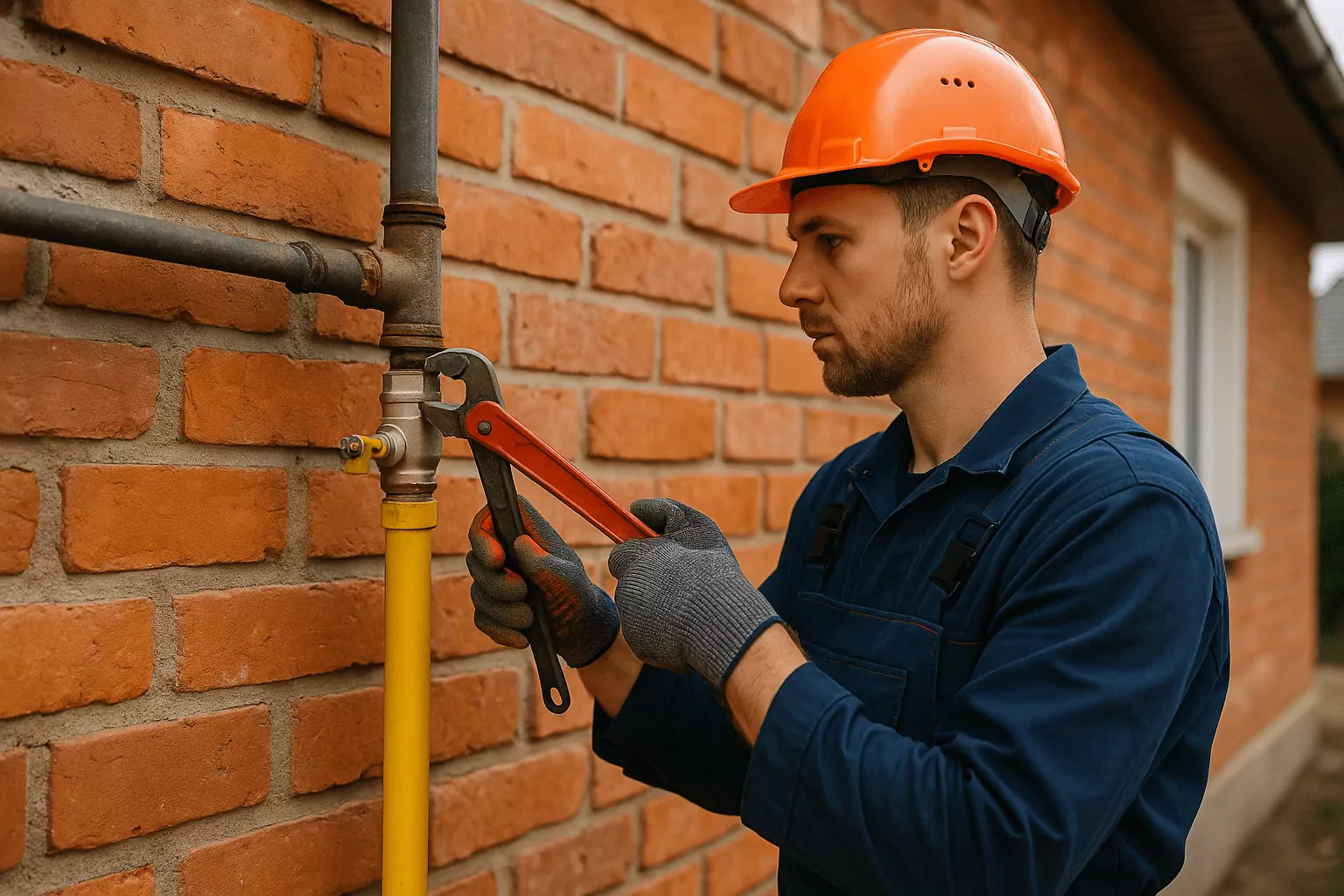
Choosing the best contractor for gas pipe replacement Port Arthur can feel overwhelming, especially when safety, code compliance, and budget are all on the line. The right specialist will protect your home, meet local permit requirements, and deliver a durable installation that stands up to Southeast Texas conditions. In this guide, you will learn how to evaluate licensing, training, materials, warranties, and customer service so you can hire with confidence. We will also share real examples from nearby communities to show what great outcomes look like and how to avoid common missteps. For quick reference, bookmark this page and use it as a checklist while you talk to potential providers. Start by shortlisting companies that have proven experience with gas pipe replacement Port Arthur and can clearly explain their process from inspection to final pressure testing.
Licensing, Permits, and Code Compliance for gas pipe replacement Port Arthur
Always confirm that your contractor holds the proper Texas licensing and is insured for gas work before discussing scope or price. A credible provider should proactively discuss permits with the City of Port Arthur and outline inspection steps in writing. Ask who will file the permit, how long approvals typically take, and whether the bid includes inspection fees. You should also hear clear references to NFPA 54 (National Fuel Gas Code) and local amendments when you ask about standards. If a company cannot explain how they comply with code or glosses over permits, treat that as a red flag and keep interviewing.
Code compliance is not just paperwork; it shapes the entire installation plan. For example, routing changes may be required to maintain clearances from electrical systems and to protect against physical damage in garages or attics. In corrosive or flood-prone areas near the coast, proper materials and protective measures are critical to longevity. An experienced contractor will discuss bonding and grounding requirements, venting of regulators if applicable, and proper support spacing for black iron or CSST. The more specific their answers, the more likely they are to deliver a safe, inspection-ready job.
During your consultation, ask how the contractor verifies gas-tightness and documents results for the inspector. A professional team will perform a calibrated pressure test, typically holding pressure for a specified duration per code, and provide a written test log or digital report. They should also schedule the final inspection and be present to address any questions from the city. To learn more about standards and regulatory roles in Texas, review guidance from the Texas Railroad Commission at https://www.rrc.texas.gov and NFPA 54 at https://www.nfpa.org. For permit details, consult the City of Port Arthur site at https://www.portarthurtx.gov or call your local building department.
Experience, Materials, and Methods: Getting Quality That Lasts in gas pipe replacement Port Arthur
Not all gas lines are the same, and your provider should recommend materials based on environment, building design, and appliance demand. In many Port Arthur homes, black iron remains a trusted choice for durability and resistance to physical damage in exposed areas. CSST (corrugated stainless steel tubing) may be appropriate for complex retrofits, provided it is bonded correctly and routed per manufacturer specifications. Your contractor should explain why a given material fits your project, show product data sheets, and discuss protective measures for corrosion and impact. If they cannot cite brand names, warranty terms, or bonding requirements, ask for more detail before proceeding.
Ask how the company sizes the new gas line to supply all current and future appliances safely. A seasoned pro will calculate total BTU load, allowable pressure drop, and pipe sizing using code tables for each run length. They should also plan for future additions, such as patio kitchens, standby generators, or upgraded tankless water heaters. Clear documentation, including a simple sketch or digital layout, helps you visualize the route and confirm valve locations and shutoffs. This upfront planning minimizes change orders and helps avoid performance issues after installation.
Real-world experience matters as much as theory when it comes to gas pipe replacement Port Arthur. Consider this example from a Beaumont-area remodel where a homeowner added a gas range and a larger water heater but kept the original undersized branch lines. The system starved for gas during peak use, causing frequent appliance lockouts and concern about safety. A licensed contractor corrected the issue by upsizing the trunk line, adding dedicated shutoff valves, and pressure testing the entire system to verify integrity. The homeowner saw immediate performance improvements and enjoyed lower nuisance calls afterward. Stories like this highlight why sizing, material selection, and testing all belong in the conversation before you sign a contract.
Safety, Testing, and Warranty Protections You Should Demand
Safety protocols are essential in every phase of gas pipe replacement, from leak detection to final start-up. Your contractor should begin with a thorough assessment, using calibrated leak detectors and soap solution to locate existing issues before work starts. During installation, expect procedures that include capping and isolating unused branches, protecting open pipe ends from debris, and maintaining a clean work area. When the new line is complete, a formal pressure or air test confirms tightness before utilities are fully restored. The company should document results and walk you through appliance relights, pilot verification, and carbon monoxide safety checks when applicable.
Ask about emergency response policies and how quickly the team can handle urgent leaks or shutoffs. In Southeast Texas, severe weather can stress utility systems, so having a partner who understands emergency protocols is vital. Clarify whether after-hours or weekend coverage is available and how dispatch works for priority calls. It is also helpful to confirm whether the contractor coordinates with utility providers and understands Texas 811 requirements for safe digging. For underground replacements, ensure they call Texas 811 at https://www.texas811.org to locate utilities before trenching or boring.
Strong warranties and proof of insurance protect your investment long after the job is complete. Ask for both a workmanship warranty and a copy of the manufacturer warranty for any components used, including valves, regulators, or CSST fittings. Verify that the contractor carries general liability and workers compensation coverage, and request a certificate of insurance with your name and address listed. For peace of mind, ask how warranty claims are handled, whether inspections are included if issues arise, and typical response times. A solid contractor will gladly explain coverage and include it in the written agreement before any work begins.
Transparent Pricing, Timelines, and Local References for gas pipe replacement Port Arthur
Clear, itemized proposals help you compare bids fairly and avoid unpleasant surprises. A thorough estimate will list materials, labor, permit fees, testing, cleanup, and any necessary drywall or landscape restoration. Ask for a projected timeline that shows start dates, inspection windows, and completion milestones so you can plan around your household schedule. If a bid is significantly lower than the others, ask why, and verify that it includes permits and pressure testing. Quality-focused contractors are comfortable explaining their pricing and the value of trained installers, premium materials, and proper inspections.
Local references show real-world performance in homes similar to yours across Orange, Beaumont, Bridge City, and the greater Port Arthur area. Ask for addresses or neighborhoods (without private details) and photos of previous replacements, including any outdoor risers or meter work. Online reviews can help, but balance them with direct conversations about punctuality, cleanliness, and how the team handled any surprises. If possible, choose a provider who has worked with your fuel utility and local inspector to streamline approvals and inspection scheduling. That local familiarity often shortens timelines and reduces back-and-forth on inspection day.
Before you make a final decision, run through a quick checklist to confirm you have the right partner for gas pipe replacement Port Arthur. Use the list below while reviewing proposals and talking to references. This helps you align expectations and reduce risk from the start. Keep these items handy in your email or notes as you compare bids. If any item is missing, ask the contractor to clarify in writing before work begins.
For additional resources and service details, explore these helpful pages: our gas line service overview, gas line safety tips, and quick scheduling on our contact form. Internal resources like these can guide your questions and help you prepare for a smooth project. Combining local knowledge with safety-first practices will give you long-term reliability and peace of mind. When you are ready, gather two or three bids and use the checklist above to compare fairly. The best choice is the contractor who balances safety, transparency, and value without cutting corners.
The right partner for gas pipe replacement Port Arthur will combine licensing, code knowledge, proven materials, and transparent pricing to deliver a safe, lasting installation. Use the guidance in this article to evaluate permits, testing methods, warranties, and local references before you sign. When you compare bids, focus on clarity and safety rather than the lowest number, and ensure pressure testing and inspection support are built into the scope. If you are ready to talk to a local pro, contact 409 Plumbing at 409-444-0066. We proudly serve Orange, Beaumont, and Bridge City, and we are happy to discuss Port Arthur projects and timelines. To get started or ask questions, visit our gas line replacement service overview or schedule a consultation on our contact.
Frequently Asked Questions About Gas Line Pipe Replacement
How much does gas pipe replacement in Port Arthur typically cost?
Costs vary based on length, materials, accessibility, and permit requirements, but many residential replacements fall into a predictable range once scope is defined. Expect higher costs for complex rerouting, attic work, or slab penetrations that require coring, tunneling, or restoration. Underground replacements may add expenses for locating utilities, trenching, boring, and corrosion protection. A trustworthy contractor will provide an itemized estimate that includes permits, testing, and cleanup. Always ask whether the bid includes appliance reconnection and any necessary venting or regulator work to avoid surprise add-ons later.
How long does a typical gas pipe replacement take from start to finish?
Most residential projects complete in one to three days once permits are issued, depending on length, complexity, and scheduling of inspections. The timeline includes preparation, material delivery, installation, pressure testing, and final inspection. Larger or multi-appliance upgrades may require phased work to minimize disruption and coordinate inspector availability. Your contractor should give you a tentative schedule and update it as permits and inspections are confirmed. If weather or access issues arise, a professional team will communicate promptly and reset expectations with new target dates.
What are the signs I might need gas pipe replacement instead of a simple repair?
Frequent leaks, corrosion on exposed piping, inadequate gas pressure, or repeated appliance lockouts can indicate systemic issues that go beyond a small repair. Older galvanized or undersized lines often struggle to support modern appliances like tankless water heaters and high-BTU ranges. If you smell gas, evacuate and call your utility or 911, then contact a licensed pro for inspection once it is safe. After emergency steps, a contractor can pressure test the system and recommend repair or replacement based on results. For older homes or remodels, full or partial replacement may offer better performance, safety, and long-term value than repeated patchwork.
Is CSST safe for gas pipe replacement Port Arthur homes?
CSST is safe when installed to manufacturer instructions, bonded correctly, and protected from physical damage and lightning-related surges. It can be a great choice for complex retrofits due to its flexibility and fewer joints, which can reduce leak points when sized and supported correctly. Proper bonding and routing are nonnegotiable, so ask your contractor to explain their method and show product data sheets. In exposed or high-traffic areas, black iron may still be preferred for impact resistance and code requirements. Your contractor should match the material to your home's needs and document bonding, supports, and protective measures in the scope of work.

Registered Master Plumber Texas State Board of Plumbing Examiners
RMP #44702
Licensed and Bonded
Cities Serviced
409 Plumbing
Follow Us On
© 2026 409 Plumbing. All Rights Reserved.
Website Design and Hosting Provided by LocalBizBuzz,co