
24 Hour Service
Call 409-444-0066
How to Choose the Right Residential Gas Line Services in Bridge City
Make informed decisions for safe and efficient gas line installation and repairs in Bridge City homes.
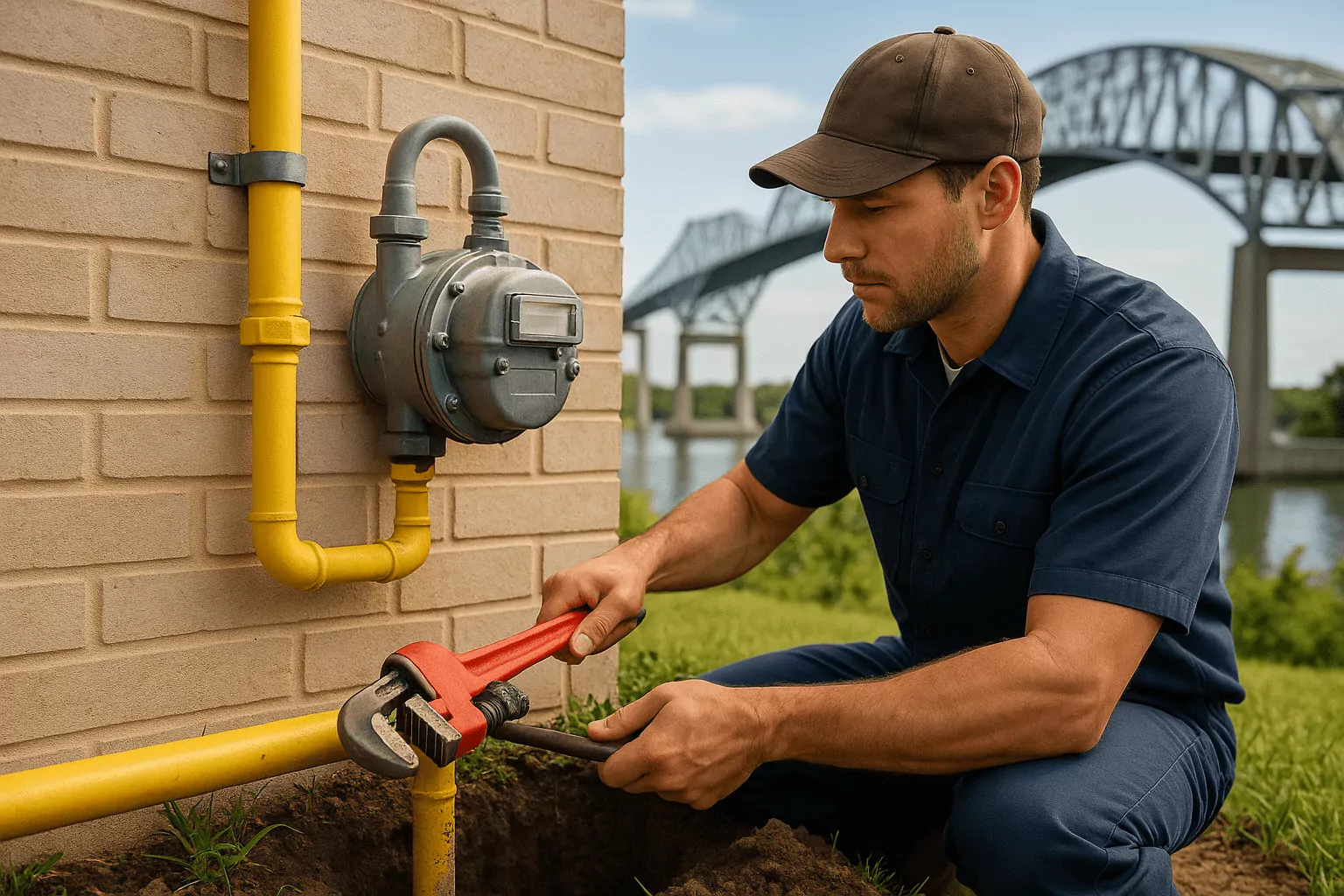
Choosing the best residential gas line services Bridge City homeowners can trust is about much more than price - it is about protecting your family and property. The right provider understands local codes, secures permits, and performs safe, precise installations that stand up to Southeast Texas soil conditions and humidity. Early in your search, look for companies with deep residential expertise, transparent estimates, and clear safety protocols for leak detection and pressure testing. To help you compare confidently, this guide outlines the exact criteria to evaluate, complete with examples from nearby homes and insights from industry standards. As you read, you will find links to essential resources and related service pages that make next steps simple. For convenience, you can begin your research with residential gas line services Bridge City and then dig deeper into qualifications, testing, and warranties.
Licensing, permits, and insurance for residential gas line services Bridge City
Start by verifying that your contractor holds an active Texas plumbing license, appropriate gas endorsements, and general liability and workers compensation insurance. Licensed plumbers are trained to size lines properly for stoves, water heaters, fireplaces, and standby generators, and to follow the National Fuel Gas Code. Ask for their license number and confirm it through the state, then request a certificate of insurance showing policy limits and effective dates. In Bridge City and Orange County, legitimate providers will also handle permits and schedule city or third-party inspections to close out the job. A quick credentials check today can prevent costly red tags or rework later.
Reputable companies will also reference the codes and agencies that govern safe work, giving you confidence they build to the latest standards. For example, the National Fuel Gas Code, found in NFPA 54, sets the baseline for material choices, venting, and testing. A qualified contractor will also call 811 before digging to mark underground utilities, following Call 811 guidelines. If a company minimizes or avoids discussion of codes and inspections, consider it a red flag and keep looking.
Experience, materials, and workmanship standards for residential gas line services Bridge City
Beyond credentials, prioritize residential experience with projects similar to yours - new appliance hookups, whole-home re-pipes, or yard line replacements. An experienced crew will know when to use black iron, copper (where permitted), or CSST, and how to protect lines from corrosion, movement, and flood-prone soils common along the Sabine area. During estimates, ask what materials they recommend and why, as well as how they support lines, route around obstacles, and isolate appliances with shutoff valves and drip legs. A Bridge City homeowner on Pine Ave, for example, avoided repeat leaks after switching to a contractor who rerouted a shallow yard line and added proper tracer wire and risers. Those small workmanship decisions create big gains in safety and reliability over time.
Quality also shows up in how a contractor documents and communicates the job. Detailed proposals should include line sizing calculations, material specifications, trench depth, support methods, and testing procedures. Transparent bids make it easier to compare apples to apples rather than guessing what is included. If you are exploring upgrades like a gas range or standby generator, a seasoned provider will evaluate total BTU loads and future expansion to prevent undersized lines. This planning avoids pressure drops when multiple appliances run at once, a common cause of performance issues.
Safety protocols, testing, and emergency response in residential gas line services Bridge City
The best residential gas line services Bridge City residents choose will emphasize documented safety steps on every job. Before opening a line, technicians should shut down appliances, ventilate as needed, and use calibrated combustible gas detectors. After installation or repair, the contractor must perform a pressure or leak-down test using a gauge, soap solution, and, when specified, a manometer test at appliance connections. Ask how they isolate sections during testing and how long they hold pressure relative to code requirements. A company that walks you through its testing checklist is far more likely to deliver safe, code-compliant results.
Emergency readiness is another must-have. Confirm your contractor offers fast dispatch for urgent leaks and can coordinate with the utility if a meter shutoff is required. They should show you how to operate your main shutoff valve, recognize the sulfur-like odor of mercaptan, and when to evacuate and call 911. A Beaumont client recently called for a faint odor near the water heater and, thanks to a same-day response, a failing connector was replaced before it escalated. After the fix, the crew completed a whole-home leak survey and documented the results, a best practice you can request too.
Transparent pricing, proposals, and warranties for residential gas line services Bridge City
Clear, line-by-line pricing helps you compare bids without surprises. Look for proposals that separate labor, materials, permits, trenching or concrete work, appliance hookups, and testing. Ask whether the quote includes restoring landscaping or hardscape, as these can add costs. A trustworthy contractor will also explain allowances for unforeseen conditions, such as rock excavation or replacing deteriorated fittings discovered after exposing a line. When you see transparency on paper, you will generally see it on the jobsite too.
Strong warranties and service follow-through close the loop on value. Seek a minimum one-year labor warranty plus manufacturer warranties on materials, and ask how warranty calls are handled. Many reputable firms also offer optional maintenance or annual leak checks, which can be helpful for older homes or properties with past issues. If you plan to add appliances later, confirm that any future tie-ins will not void coverage. To compare options or schedule an estimate, review our services, browse our latest safety tips on the blog, or reach out through our contact page for fast local support.
Selecting the right partner for residential gas line services Bridge City homeowners can rely on comes down to four essentials: verified credentials, proven residential experience, documented safety testing, and clear, warranty-backed pricing. With these criteria, you can separate true professionals from guesswork and protect your home for years to come. If you are ready to schedule an estimate or have an urgent concern, contact 409 Plumbing at 409-444-0066. We proudly serve Orange, Beaumont, and Bridge City with licensed, code-compliant installations, repairs, and upgrades. Explore our services, read homeowner guides on our blog, or request help now through our contact form. We look forward to keeping your gas system safe, efficient, and ready for everyday life.
Frequently Asked Questions About Residential Gas Line Installation
How do I know I need gas line repair or replacement?
Common signs include a rotten egg odor, higher-than-normal gas bills without usage changes, hissing sounds, or dead vegetation directly above a buried line. You might also notice intermittent appliance performance, such as burners that struggle to light or a water heater that suddenly goes out. If you detect any odor, evacuate immediately, call 911 or your utility, and then schedule a licensed plumber after the area is safe. For non-emergencies, a professional can perform a full leak survey and pressure test to pinpoint issues. In many Bridge City homes, small fixes like replacing a failing flexible connector or re-sealing a threaded joint resolve the problem quickly.
What permits and inspections are required for gas work in Bridge City?
Most gas line installations, replacements, and relocations require permits, followed by inspections to verify code compliance. Your contractor should handle submitting plans, securing the permit, and coordinating with the inspector for rough-in and final approvals. Inspectors typically verify materials, burial depth for yard lines, regulator placement, shutoff valves, and pressure testing documentation. If you receive a red tag from a utility or inspector, a licensed plumber must correct issues and arrange re-inspection. Choosing a provider experienced with local processes helps keep your project on schedule and avoids delays.
How long does gas line installation take, and what affects the cost?
Many single-appliance hookups can be completed in half a day to a day, while whole-home re-pipes or yard line replacements may take one to three days depending on length and site conditions. Cost drivers include line length, material type, trenching or concrete coring needs, appliance BTU loads, and permit or inspection fees. Homes with tight crawlspaces, extensive hardscape, or multiple tie-ins will require more labor. Quality providers will visit your property, measure runs, calculate loads, and produce a detailed, fixed-price or not-to-exceed estimate. Always compare inclusions like restoration, testing, and warranties to understand true value, not just the bottom line.
Registered Master Plumber Texas State Board of Plumbing Examiners
RMP #44702
Licensed and Bonded
Cities Serviced
409 Plumbing
Follow Us On
© 2026 409 Plumbing. All Rights Reserved.
Website Design and Hosting Provided by LocalBizBuzz,co