
24 Hour Service
Call 409-444-0066
How to Choose the Right Professionals for Underground Gas Line Repair in Bridge City
Essential tips for homeowners in Bridge City to select reliable experts for safe underground gas line repair.
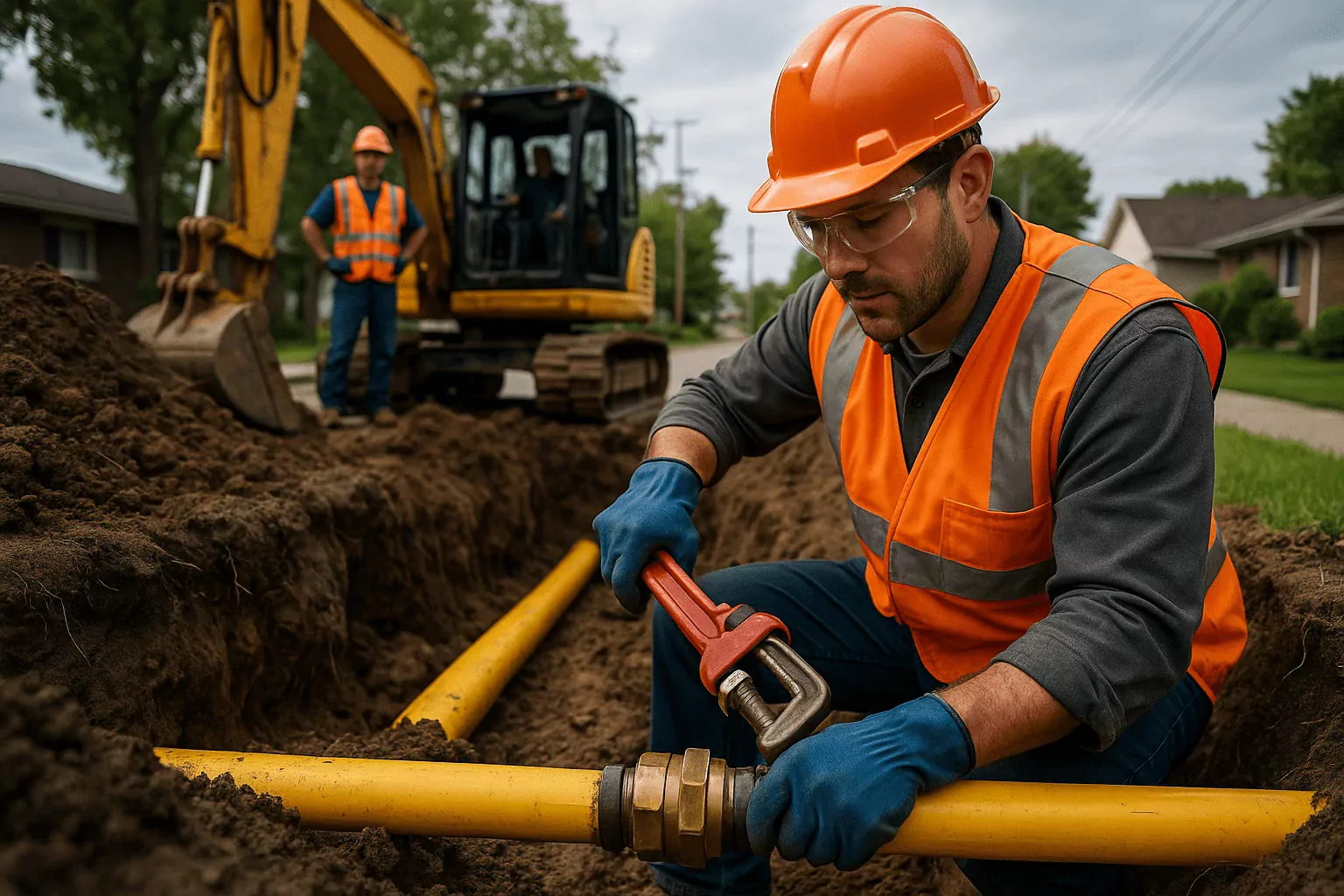
Choosing a qualified team for underground gas line repair Bridge City is about more than convenience; it is a safety and compliance decision that protects your home and family. The right contractor understands regional codes, permitting, and the soil and climate variables unique to Southeast Texas. For fast, safe, and code-compliant service, many homeowners look for specialists with verifiable licenses, insurance, and a proven local track record. If you are starting your search, begin by shortlisting pros who focus on gas leak detection, trenchless methods, and guaranteed pressure testing. You can also streamline the process by bookmarking trusted resources, checking reviews, and asking pointed questions about materials and methods. For quick access to reliable help, consider underground gas line repair Bridge City providers who offer end-to-end permitting, inspection coordination, and 24/7 emergency response.
Licensing, Permits, and Code Expertise for underground gas line repair Bridge City
Licensed professionals reduce risk by following nationally recognized standards such as NFPA 54 and Texas regulatory requirements. In Texas, gas work must be performed by properly licensed plumbers or gas fitters who are trained in pressure testing, bonding, and appliance tie-ins. Reputable contractors also manage permits with the local authority having jurisdiction, ensuring inspections occur at the right phases of the job. Look for teams that can explain how they comply with NFPA 54 and the Texas Railroad Commission guidance and can provide documentation on request. A contractor's willingness to put compliance in writing is a strong indicator of reliability and accountability.
The process should begin with utility locating and a plan to protect existing infrastructure, including water, sewer, and telecom lines. Pros will call Texas 811 before digging to mark other utilities and reduce the risk of cross-bores or strikes that can cause outages and hazards. Experienced crews use electromagnetic locators and tracer wire to find existing gas lines, then perform a pressure test to confirm whether repair or replacement is required. They will also discuss meter lock procedures, shutoff valve placement, and how they will restore landscaping and hardscapes after work is complete. A recent Bridge City case involved a failed pressure test at a 2 psi holding level, and the licensed team documented the steps, coordinated inspection, and passed the final same day.
Inspections typically occur after piping is installed and before backfilling, with a final inspection at project closeout. Qualified providers prepare submittals, schedule inspections to minimize downtime, and remain on-site for inspector questions. They also maintain a photographic record of the trench, bedding, and pipe transitions to show code compliance. If your contractor offers to skip permits or cut corners on inspections, that is a red flag you should not ignore. When in doubt, verify standards and permitting with the Texas Railroad Commission and NFPA resources for additional peace of mind.
Texas Railroad Commission Pipeline Safety and NFPA 54 are excellent references to understand minimum safety and code requirements.
Experience, Methods, and Materials: Choosing the Right Approach for underground gas line repair Bridge City
Experience matters when soils are sandy or saturated, as is common in the Orange and Bridge City area. A seasoned team can explain the pros and cons of open-cut excavation versus trenchless boring for minimal disruption. For example, a Bridge City homeowner avoided breaking a driveway when the contractor used a trenchless missile to install new PE pipe and an anodeless riser near the meter. The crew fused PE4710 pipe, added tracer wire, and pressure tested the system to 10 psi with a calibrated gauge before inspection. The result was a same-day restoration with a clean finish and lower total cost than full replacement of hardscape.
Material selection is another quality indicator you should evaluate carefully. Modern underground systems often use yellow MDPE or HDPE with properly rated fittings, tracer wire, and protective bedding to prevent point loads. For steel transitions, pros apply corrosion-resistant coatings or cathodic protection where required and ensure dielectric unions are used at risers and entries. If CSST is present indoors, they confirm bonding per code to reduce lightning-related risks. A contractor who can discuss these details fluently is far more likely to deliver a safe, long-lasting repair.
Advanced tools also separate top-tier pros from generalists doing occasional gas work. Crews may use electronic leak detectors, combustible gas indicators, and bar holing techniques to pinpoint subsurface leaks without guesswork. Electromagnetic locators and sondes help trace nonmetallic piping fitted with tracer wire, reducing unnecessary digging and utility conflicts. Thermal imaging and pressure decay charts document findings and provide evidence-driven repair plans. When evaluating bids, ask for a method statement that lists the equipment, materials, and testing standards to be used.
For background on safe excavation and pipeline practices, consult the PHMSA Pipeline Safety resource library, which outlines federal safety considerations complementary to local codes.
Insurance, Warranties, Pricing Transparency, and Local Response for underground gas line repair Bridge City
Beyond technical skill, confirm that your contractor carries current general liability and workers compensation insurance. Ask for a certificate of insurance that names you as an additional insured for the project duration. Reputable companies also provide workmanship warranties and clearly explain manufacturer warranties for piping, fittings, and risers. Clarify what is covered, for how long, and how claims are handled if issues arise after backfill. In Southeast Texas, choosing a local company with an established office and service radius can make warranty support faster and more reliable.
Transparent pricing helps you compare apples to apples when reviewing proposals. Look for written estimates that break out utility locating, excavation or trenchless work, materials, pressure testing, inspections, restoration, and haul-off. Ensure each bid specifies pipe type, diameter, length, fusion or fitting method, and test pressures so you can evaluate value instead of just the bottom line. Responsible pros will also note potential contingencies, like unknown subsurface obstructions, groundwater management, or asphalt repair allowances. If a quote seems too good to be true or skips critical line items, ask for clarifications before you commit.
Responsiveness is critical when gas is involved, especially if you need same-day service. Local firms that serve Orange, Beaumont, and Bridge City typically offer 24/7 dispatch and can mobilize rapidly for emergencies. They maintain communication throughout the job, provide photo updates, and coordinate with inspectors to minimize downtime. For added convenience, look for contractors who provide online scheduling and direct lines to project managers. You can explore services and schedule help via our gas line repair services page, learn safety tips on our gas leak detection blog, or request immediate help through our contact form.
Choosing the right experts for underground gas line repair Bridge City starts with verifying licensing, permits, and a commitment to NFPA 54 and Texas safety standards. Prioritize teams that explain their methods, specify materials, and document pressure tests so you can make decisions with confidence. Compare transparent, itemized estimates that outline excavation or trenchless methods, restoration, and warranty terms. When emergencies arise, local responsiveness matters as much as technical skill, making established area providers your safest bet. If you are ready for a trusted, code-compliant solution, contact 409 Plumbing at 409-444-0066. We proudly serve homeowners in Orange, Beaumont, and Bridge City with fast diagnostics, expert repairs, and clear communication from start to finish.
Frequently Asked Questions About Underground Gas Line Repair
How do I know I need underground gas line repair instead of full replacement?
Several warning signs can indicate the need for underground gas line repair, including the smell of mercaptan, hissing sounds, dead grass along a pipe path, and unexplained increases in your gas bill. A licensed professional will start with leak detection and a pressure test to determine whether a localized repair is feasible. If leaks are isolated or caused by a single fitting, a targeted repair may be the fastest, most economical fix. However, if the pipe is corroded over long runs, has multiple prior patches, or is undersized for demand, replacement is often safer and more durable. Your contractor should present pressure test data and photos to justify the recommendation, not rely on assumptions. The final decision should balance safety, lifespan, code compliance, and total cost of ownership.
What permits and inspections are required for underground gas line work in Bridge City?
Most underground gas line projects require a permit from the local authority having jurisdiction, with inspections at specific milestones. Contractors must also call Texas 811 before excavation to mark utilities and prevent strikes that endanger crews and neighbors. Expect at least one inspection while the line is under test and exposed, and a final inspection after tie-ins and restoration. Qualified pros will manage the paperwork, coordinate timing, and remain present for inspector questions. For clarity, homeowners can consult Texas 811 and the Texas Railroad Commission Pipeline Safety pages for statewide guidance. Local processes can vary slightly, but a licensed contractor should handle all requirements on your behalf.
How long does underground gas line repair usually take, and what affects the timeline?
Simple spot repairs may finish within a day, including testing and inspection, especially when access is clear and soil conditions are favorable. Timelines extend when trenchless boring is used to preserve driveways or patios, or when groundwater control and shoring are necessary for safety. Scheduling inspections can add hours or a day depending on the jurisdiction and workload. Material availability, depth of cover, and the need to relocate landscaping or hardscape also influence duration. A transparent contractor will provide a project schedule with contingencies and keep you updated if conditions change. Ask for daily start and finish times, communication protocols, and what to expect during restoration.
What should I do right now if I suspect a gas leak outdoors?
First, evacuate people and pets from the area and avoid using phones, electronics, or anything that could create a spark near the suspected leak. Do not attempt to locate the leak yourself or operate valves unless you are trained and it is safe to do so from a distance. From a safe location, call 911 and your gas utility's emergency number to report the situation for immediate response. Keep others away and do not reenter the area until emergency responders say it is safe. After the immediate hazard is addressed, contact a licensed contractor to perform diagnostics, repairs, and code-compliant testing. Document what you observed, including smells, sounds, and locations, to help the technician quickly identify root causes.
Registered Master Plumber Texas State Board of Plumbing Examiners
RMP #44702
Licensed and Bonded
Cities Serviced
409 Plumbing
Follow Us On
© 2026 409 Plumbing. All Rights Reserved.
Website Design and Hosting Provided by LocalBizBuzz,co