
24 Hour Service
Call 409-444-0066
How to Choose the Right Professionals for Gas Pipe Replacement in Orange
Make informed decisions on hiring top-notch professionals for safe and efficient gas pipe replacement in Orange.
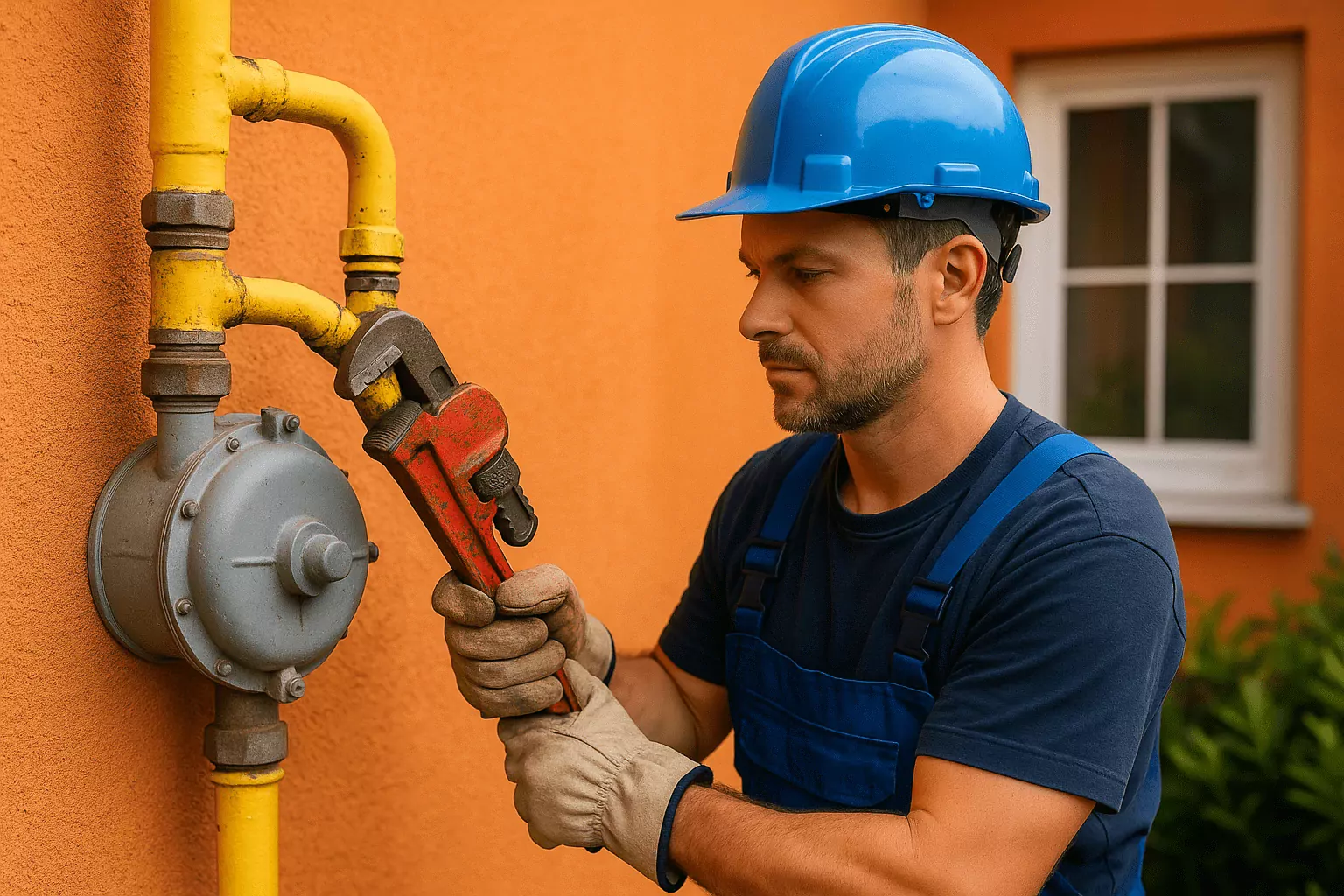
Choosing the right team for gas pipe replacement in Orange is not just about price - it is about safety, code compliance, and long-term reliability. A properly replaced gas line protects your family, prevents leaks, and preserves property value, especially in older Orange, TX homes and neighborhoods. If you are comparing providers, start by prioritizing licensure, insurance, and documented experience working with natural gas piping systems. The best contractors explain options, answer questions, and itemize costs so there are no surprises during or after the job. Homeowners in Orange, Beaumont, and Bridge City should also confirm permitting and inspection requirements before any work begins. For a quick start, review this guide, then consult a trusted local expert for gas pipe replacement Orange to ensure your project is handled correctly the first time.
Licensing, Insurance, and Permits for gas pipe replacement Orange
Begin by verifying that any professional you consider holds an active Texas plumbing license and the appropriate endorsements for gas piping. In Texas, licensure is regulated by the Texas State Board of Plumbing Examiners, and you can look up a contractor's status online to confirm standing and any disciplinary history. Request proof of general liability and workers' compensation insurance so you are protected if an accident occurs during the project. Ask whether the company pulls permits for gas pipe replacement in Orange and schedules the required city inspections to close the permit properly. Reputable providers will happily share documentation, explain the permit path, and coordinate inspection dates around your schedule.
Code compliance is non-negotiable for gas systems, and the best plumbers reference current standards and local amendments when planning your job. For example, professionals should be familiar with NFPA 54 (National Fuel Gas Code) and the International Fuel Gas Code, which govern materials, sizing, supports, ventilation, and testing. A code-driven approach reduces the risk of leaks, corrosion, pressure issues, and appliance performance problems after installation. If your home has unique conditions - such as older black iron runs, appliance upgrades, or a propane-to-natural gas conversion - ask how the plan will meet code while addressing your site's constraints. The right contractor will document each step and provide pressure test results for your records.
Gather key paperwork as you compare providers so you can make an informed decision and avoid delays. Consider asking for the following items and confirmations:
Helpful resources for verification and permitting include the Texas State Board of Plumbing Examiners at https://tsbpe.texas.gov and the City of Orange website at https://www.orangetexas.gov. To understand common code requirements, review NFPA 54 at NFPA 54 and the International Fuel Gas Code at International Fuel Gas Code.
Methods, Materials, and Testing Standards for gas pipe replacement Orange
Ask prospective contractors to explain the materials and installation methods they recommend for your specific project. In many Orange homes, traditional black iron or steel is still common for main trunk lines because of its durability and rigidity. Corrugated stainless steel tubing (CSST) may be preferred for certain branches or remodels where flexibility can reduce fittings, speed installation, and improve routing around obstacles. For outdoor or underground sections, coated steel or approved polyethylene (where permitted) may be used, with proper tracers and burial depths to meet code and simplify future locates. The right team will design a hybrid solution where needed to balance performance, longevity, and budget.
Replacement is only as good as the testing that follows, so clarify exactly how your contractor validates work before reintroducing gas service. A best-practice plan includes isolating the system, completing a pressure test with a calibrated gauge, and documenting a successful hold at the code-specified psi and duration. Leak detection should not rely on smell or guesswork - your pro should use approved methods such as manometers, bubble testing at fittings, and, where appropriate, electronic detectors. Bonding and grounding are also crucial when CSST is involved, because correct bonding mitigates lightning-related risks and aligns with manufacturer instructions. Finally, your pro should label shutoff valves and walk you through appliance relight and safety procedures after restoration.
As you weigh proposals, compare the craftsmanship details that drive safe, long-term performance. Look for information about hanger spacing and supports, protective sleeves through walls, corrosion protection at dissimilar metal joints, and drip legs at appliances. Ask how penetrations will be sealed, how existing lines will be capped or abandoned, and what patching or surface restoration is included. If trenchless or minimal-dig options are discussed, clarify entry/exit points and how landscaping or hardscapes will be protected. For underground work, confirm utility locates through Texas 811 at https://texas811.org and verify restoration terms in writing.
Estimates, Warranties, and Reputation for gas pipe replacement Orange
A clear, apples-to-apples estimate helps you choose value over guesswork. Request itemized quotes that list materials by type and length, labor hours, permit fees, testing procedures, appliance relight, and any restoration. Ask whether emergency service rates apply, how change orders are handled, and whether the price is fixed or time-and-materials. Clarify exclusions such as drywall/paint, landscaping repair, or appliance replacement so you can plan accordingly. When you compare multiple bids, a low number that omits testing, permits, or warranty coverage is rarely a bargain.
Warranties are a window into a contractor's confidence and commitment to aftercare. Look for labor warranties that cover a defined period and manufacturer-backed material warranties for piping and fittings. Ask how warranty claims are handled, average response times, and whether a post-replacement inspection is included after a set interval. While you evaluate warranties, also examine reputation signals like Google reviews, case studies, and references from recent projects in Orange, Beaumont, or Bridge City. Strong providers will share local examples and may point you to homeowner stories that mirror your situation.
Put communication and convenience to the test before you sign. Notice how quickly you receive your estimate, how clearly the scope is explained, and whether your questions are answered without pressure. Reliable teams outline next steps, provide a project timeline, and give you a dedicated point of contact from permitting through final inspection. For more guidance on preparing your home and understanding service options, explore our services and recent tips on our blog. When you are ready to move forward, reach out through our contact form to schedule a licensed site assessment and written estimate.
Selecting the right professionals for gas pipe replacement in Orange comes down to licensure, documented methods, clear estimates, and a proven reputation. Prioritize teams that pull permits, perform code-compliant pressure tests, and provide written warranties you can rely on. Compare materials and testing plans, confirm insurance, and ask for local references from Orange, Beaumont, or Bridge City homeowners. Strong communication before, during, and after the job is a reliable predictor of a safe, on-schedule outcome. When you are ready, contact 409 Plumbing at 409-444-0066 or visit our contact form to schedule a licensed assessment and written estimate at your home.
409 Plumbing proudly serves Orange, TX, Beaumont, TX, and Bridge City. Explore our full services, read homeowner tips on our blog, and get expert guidance tailored to your property and appliances. For reliable, code-compliant work that protects your home and investment, choose a licensed local team that stands behind every gas line it installs and tests.
Frequently Asked Questions About Gas Pipe Replacement
How long does gas pipe replacement usually take in Orange, TX?
Most single-family gas pipe replacement projects in Orange take one to three days, depending on the length and complexity of the system. If permits are required, plan extra time for city review and inspection scheduling, which your contractor should manage for you. Homes with multiple appliances, attic runs, tight crawlspaces, or underground segments may extend timelines due to access and safety considerations. Emergency replacements following a leak can sometimes be completed faster, but only if inspection windows align and materials are readily available. Your estimate should include a target start date, duration, and contingencies for weather, access, or unexpected issues behind walls.
Do I need a permit and inspection for gas pipe replacement in Orange?
In most cases, yes - gas pipe replacement requires a permit and final inspection to verify safety and code compliance. Reputable contractors will pull the permit on your behalf and coordinate both pressure testing and the city inspection at the appropriate project phase. The inspector confirms that materials, supports, bonding, and testing meet applicable standards before approving service restoration. Skipping permits can lead to failed future inspections, insurance issues, or complications during a home sale. For current guidance, consult the City of Orange at https://www.orangetexas.gov/ and ask your contractor to outline the full permitting process in your written scope.
Is CSST safe for my home, and when is it better than black iron?
CSST is safe when installed by a licensed professional who follows manufacturer instructions and bonds the system according to code. It is often advantageous in remodels or retrofits because its flexibility reduces fittings, speeds installation, and can minimize disturbance to finishes. Black iron or steel may still be preferred for main trunks or where extra rigidity and impact resistance are required. Many successful projects in Orange combine both: black iron for primary runs and CSST for branches around obstacles. Discuss your layout and goals with your contractor so they can design a hybrid solution that balances performance, safety, and budget while adhering to NFPA 54 and local amendments.

Registered Master Plumber Texas State Board of Plumbing Examiners
RMP #44702
Licensed and Bonded
Cities Serviced
409 Plumbing
Follow Us On
© 2026 409 Plumbing. All Rights Reserved.
Website Design and Hosting Provided by LocalBizBuzz,co