
24 Hour Service
Call 409-444-0066
How to Choose the Right Plumbing Solutions for Room Additions in Vidor TX
Get practical tips and expert advice for selecting the best plumbing solutions for your room addition project in Vidor, TX.
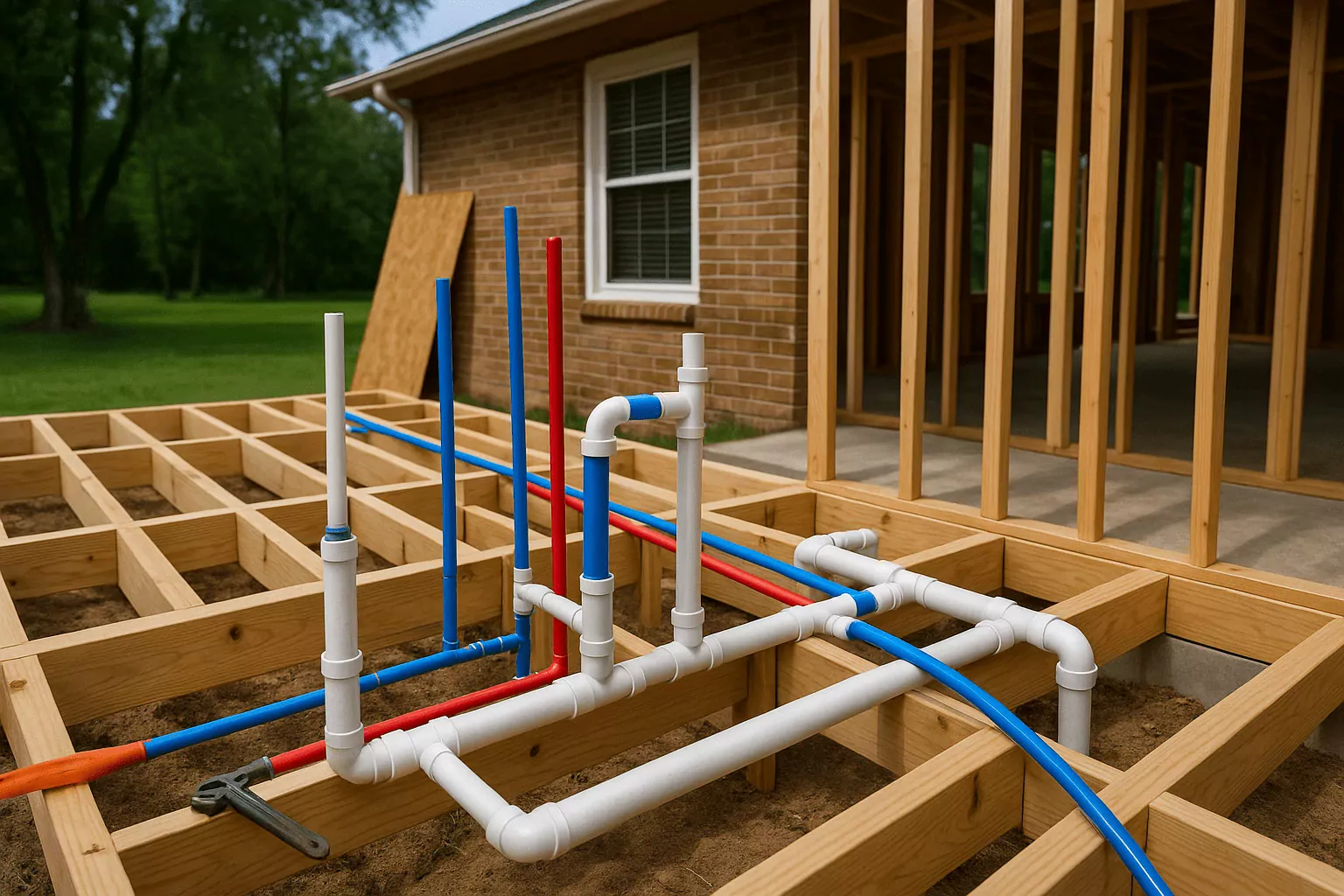
When planning a room addition in Vidor, TX, selecting the right plumbing solutions is essential for ensuring the functionality and comfort of your new space. Not only does proper plumbing layout support daily activities, but it also plays a crucial role in compliance with local building codes. Homeowners often face challenges when integrating plumbing into their expansion projects, from choosing the right materials to optimizing layouts. With the right knowledge and expert insights, you can streamline the renovation process and avoid common pitfalls. In this article, we will explore the key factors to consider when it comes to plumbing for room additions, helping you make informed decisions that enhance your living space.
1. Understanding Local Plumbing Codes
Before embarking on any room addition project, it's vital to understand the local plumbing codes in Vidor, TX. These regulations dictate the standards for installations, ensuring safety and functionality. Consulting with a local plumbing expert can provide clarity on the specific codes that affect your project. For instance, codes may specify the required materials for pipes, drainage systems, and water supply connections. Ignoring these regulations can lead to costly fines and rework, making it crucial to stay informed.
Consider contacting your local building department or a licensed plumber to obtain the latest code requirements. They can also assist you in securing the necessary permits for your renovation. For example, in a recent case, a homeowner in Vidor had to redo their plumbing installation due to non-compliance with local codes, resulting in substantial delays and extra costs. Hence, upfront research is essential.
2. Choosing the Right Plumbing Materials
Choosing appropriate materials for your plumbing system is another critical aspect of planning for room additions. Factors such as durability, cost, and compatibility with existing systems must be considered. Common materials include PVC, PEX, and copper, each with its own advantages and disadvantages. For example, PEX is flexible and easy to install, making it ideal for retrofitting in tight spaces, while copper provides excellent durability and resistance to corrosion.
Another homeowner in Vidor opted for PVC piping for their addition due to its affordability and lightweight nature. However, they later faced challenges with temperature changes affecting the material's integrity. Therefore, weighing the pros and cons is essential before making a decision. Ultimately, the right choice of plumbing materials contributes to the longevity and efficiency of your new space.
3. Optimizing Plumbing Layouts
A well-thought-out plumbing layout can significantly enhance a room addition's functionality. Efficient layouts minimize the length of pipes and the number of fittings needed, reducing the potential for leaks and maintenance issues. When planning your plumbing layout, consider the location of existing fixtures and appliances and how they will connect to the new addition. For instance, if adding a bathroom, it's wise to position it close to existing water lines to simplify installation.
In one case, a homeowner in Beaumont successfully expanded their kitchen by strategically placing the new sink near existing plumbing, which saved both time and money. It's crucial to involve a plumbing professional during this phase to ensure that your layout adheres to all safety standards and functions optimally.
4. Avoiding Common Pitfalls
When planning plumbing for room additions, avoiding common mistakes can save you time and money. One frequent pitfall is underestimating the need for adequate drainage and venting systems. Poor drainage can lead to water pooling and increased pressure on pipes, causing potential damage. Additionally, neglecting to provide sufficient venting can result in slow drainage and unpleasant odors.
Another mistake is overlooking the importance of maintenance access. Ensure that your plumbing layout allows for easy access to valves and fittings for future repairs. A homeowner in Bridge City learned this lesson the hard way when their newly constructed bathroom required extensive dismantling to access hidden plumbing. By being aware of these pitfalls, you can create a functional and long-lasting plumbing solution for your room addition.
Choosing the right plumbing solutions for room additions in Vidor, TX, involves understanding local codes, selecting appropriate materials, optimizing layouts, and avoiding common pitfalls. By taking the time to research and plan, homeowners can enhance the functionality and longevity of their new spaces. If you're ready to start your room addition project or need assistance with plumbing solutions, contact 409 Plumbing at 409-444-0066. Our experts are here to guide you through the process and ensure your renovation is a success. Check out our plumbing blog for more tips.
Frequently Asked Questions About Plumbing Solutions for Room Additions
What are the common plumbing materials used for room additions?
The most common plumbing materials used for room additions include PVC, PEX, and copper. PVC is popular for its affordability and ease of installation, while PEX offers flexibility and resistance to scale and chlorine. Copper, though more expensive, is known for its durability and reliability. Each material has its own set of advantages, so it is important to choose one that aligns with your project's specific requirements and budget.
How can I ensure my plumbing complies with local codes?
To ensure compliance with local plumbing codes, familiarize yourself with the regulations specific to Vidor, TX. You can start by consulting the local building department or hiring a licensed plumber who understands the current codes. Additionally, obtaining the necessary permits before starting any work is crucial, as this will help you avoid fines and ensure that inspections are conducted properly.
What are the costs associated with plumbing for room additions?
The costs for plumbing in room additions can vary significantly based on factors such as the size of the addition, the complexity of the plumbing layout, and the materials used. On average, homeowners can expect to spend anywhere from $1,000 to $5,000 for plumbing work alone. It's advisable to get quotes from multiple plumbers to ensure you receive a fair price and a clear understanding of what is included in the estimate.
How can I maintain my plumbing system after the addition is complete?
Maintaining your plumbing system after a room addition involves regular inspections and proactive care. Homeowners should check for leaks, monitor water pressure, and schedule routine maintenance with a professional plumber. Additionally, keeping drains clear of debris and being mindful of what goes down the drain can prevent clogs. If you notice any unusual sounds or smells, it's best to contact a plumber immediately to address potential issues before they escalate.

Registered Master Plumber Texas State Board of Plumbing Examiners
RMP #44702
Licensed and Bonded
Cities Serviced
409 Plumbing
Follow Us On
© 2026 409 Plumbing. All Rights Reserved.
Website Design and Hosting Provided by LocalBizBuzz,co