
24 Hour Service
Call 409-444-0066
How to Choose the Right Plumbing Rough-In for Bathroom in Orange TX
Master the essentials of selecting the perfect plumbing rough-in for your bathroom project in Orange, TX.
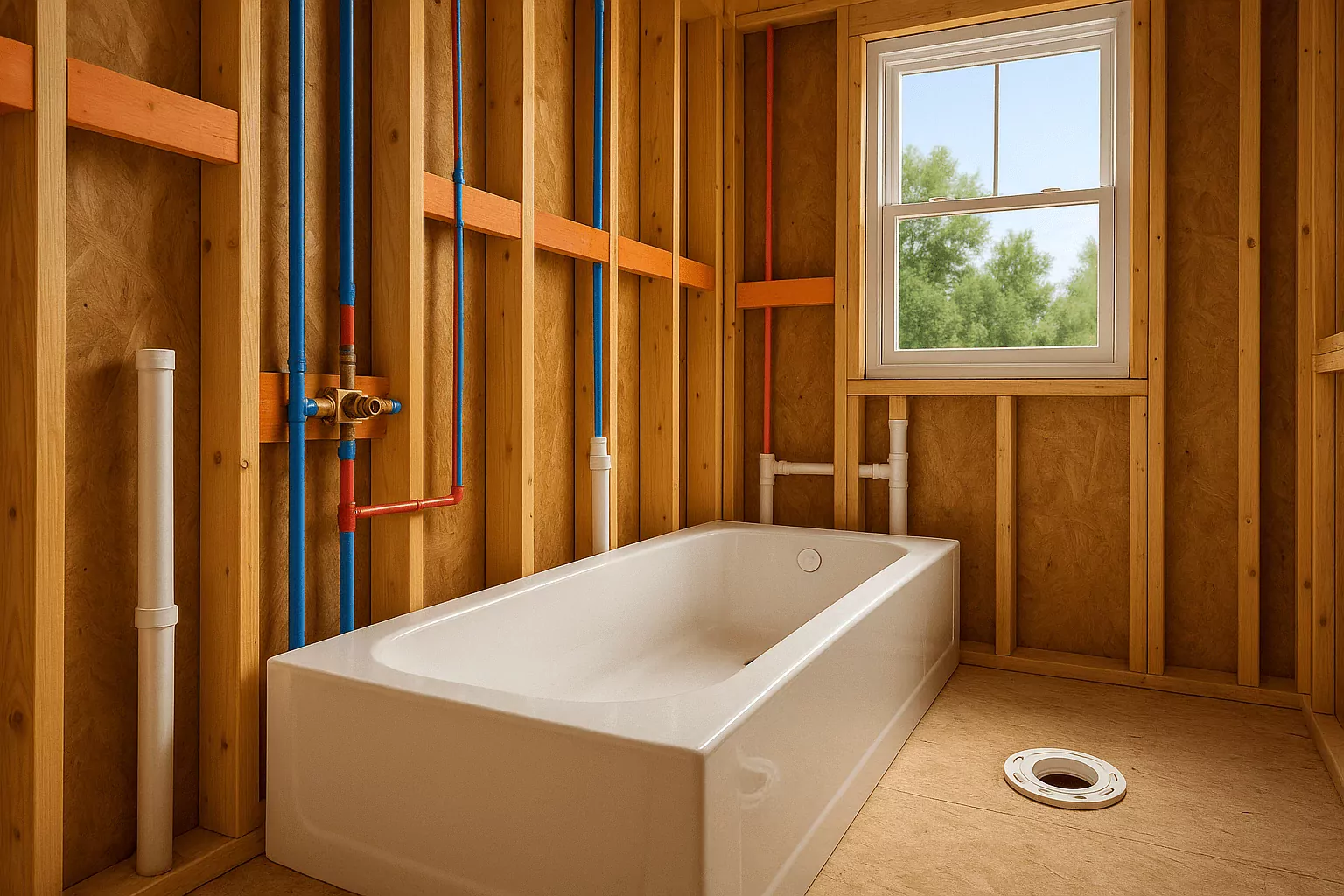
Choosing the right plumbing rough-in for bathroom Orange TX is an essential step in any bathroom renovation or new construction project. It sets the foundation for not only the functionality of your bathroom but also its overall design and compliance with local building codes. Understanding the requirements and options available can make a significant difference in the success of your project. This guide will help homeowners and contractors navigate through the complexities of plumbing rough-ins, ensuring efficient installation and long-term satisfaction. By the end of this article, you'll be equipped with vital insights to streamline your bathroom renovation project and avoid common pitfalls.
1. Understanding Plumbing Rough-Ins
Plumbing rough-ins refer to the stage in a construction project where the basic plumbing framework is installed before the walls are closed. This includes the placement of pipes, drains, and vents that will facilitate the water supply and waste removal in your bathroom. Proper planning at this stage is crucial, as it determines the overall layout and flow of your plumbing system. A well-executed rough-in can prevent costly modifications down the line and ensure compliance with municipal regulations.
In Orange TX, it's essential to familiarize yourself with local plumbing codes, which can dictate everything from pipe sizes to venting requirements. For instance, the Texas State Board of Plumbing Examiners provides guidelines that need to be adhered to during the rough-in phase. Understanding these regulations will save you time and frustration during your renovation process.
Moreover, a good rough-in allows for easier access to plumbing features, making maintenance and repairs simpler in the future. Ensuring that your rough-in is done correctly can enhance the longevity of your plumbing system and improve the overall efficiency of water usage in your bathroom.
2. Key Considerations for Plumbing Rough-Ins
When planning for your plumbing rough-in, there are several key factors to consider to ensure optimal functionality and compliance. First and foremost, you should evaluate the layout of your bathroom. Consider the position of fixtures such as the toilet, sink, and shower, as their placement will directly influence the routing of your plumbing. Careful planning can maximize space and enhance the overall aesthetics of your bathroom.
Another critical aspect is the choice of materials for your plumbing rough-in. Using high-quality materials can prevent leaks and corrosion, which are common issues that arise from subpar plumbing installations. For example, PVC pipes are often recommended for their durability and resistance to chemical damage, while copper pipes are favored for their longevity and reliability.
Additionally, think about future needs. If you plan to install additional fixtures or appliances down the line, it may be wise to incorporate extra capacity into your rough-in. This foresight can save you from the hassle and expense of future renovations.
3. Best Practices for Plumbing Rough-Ins
Implementing best practices during your plumbing rough-in can significantly impact the efficiency and effectiveness of your bathroom plumbing system. Start by sketching a detailed layout of your planned bathroom, indicating where each fixture will be located. This blueprint will serve as a valuable reference for ensuring that the rough-in aligns with your vision.
Additionally, ensure that all plumbing connections are accessible for maintenance. This can mean placing shut-off valves in strategic locations and avoiding unnecessary bends in pipes, which can lead to clogs and pressure loss. Keeping these connections accessible will save you time and money on repairs in the future.
Lastly, consider hiring a licensed plumber for the rough-in stage. While it might be tempting to attempt a DIY approach, experienced professionals can navigate the complexities of plumbing codes and ensure that your installation meets all necessary regulations. This investment can pay off in the long run by preventing costly mistakes.
4. Common Mistakes to Avoid
Even seasoned homeowners can make mistakes during the plumbing rough-in process, leading to complications down the line. One common error is underestimating the slope of drain pipes, which can cause backups and slow drainage. It's important to maintain a proper slope of ¼ inch per foot for waste pipes to ensure efficient drainage.
Another mistake is neglecting to plan for venting. Proper venting is essential for allowing sewer gases to escape and maintaining proper pressure in the plumbing system. Failing to include vents can lead to unpleasant odors and slow drainage.
Finally, always double-check local building codes before starting your rough-in. Many homeowners are unaware of specific requirements that may apply to their projects. Consulting resources such as the Texas State Board of Plumbing Examiners can provide peace of mind and ensure compliance.
Choosing the right plumbing rough-in for bathroom Orange TX is a vital step in ensuring the success of your renovation or construction project. By understanding the components involved, key considerations, best practices, and common pitfalls, you can make informed decisions that lead to a functional and efficient bathroom. If you're ready to take the plunge into your bathroom renovation, contact 409 Plumbing at 409-444-0066 for expert assistance in Orange, TX. Our knowledgeable team is here to help you achieve your dream bathroom while adhering to local codes and best practices.
For more information on plumbing services, check out our full list of remodeling plumbing services in Orange, TX or read our latest articles on our blog.
Frequently Asked Questions About Plumbing Rough-in for Bathrooms
What is a plumbing rough-in?
A plumbing rough-in is the initial phase of installing a plumbing system where the basic layout of pipes, drains, and vents is established before the walls are closed. This stage is critical for ensuring that water supply and waste removal systems will function correctly. It involves careful planning and adherence to local plumbing codes to avoid future issues.
How do I know if my plumbing rough-in is up to code?
To ensure that your plumbing rough-in meets local codes, consult with a licensed plumber who is familiar with the regulations in Orange TX. You can also refer to official resources like the Texas State Board of Plumbing Examiners for guidance on specific requirements that must be followed during installation.
Can I do my plumbing rough-in myself?
While DIY plumbing rough-in is possible, it is often recommended to hire a licensed plumber for this task. Professionals have the experience and knowledge to navigate local codes and avoid common pitfalls that can lead to costly mistakes. If you choose to do it yourself, ensure you thoroughly research plumbing guidelines and best practices.
What materials are best for plumbing rough-ins?
Common materials for plumbing rough-ins include PVC, PEX, and copper. PVC is popular for its durability and cost-effectiveness, while PEX offers flexibility and resistance to freezing. Copper, although more expensive, is known for its longevity and reliability. The choice of material may depend on your specific needs and local codes.
What should I consider when planning my bathroom layout?
When planning your bathroom layout, consider the position of each fixture, functionality, and flow. Ensure that all fixtures are placed for optimal use of space and convenience. Additionally, factor in future needs for additional fixtures or appliances and make sure plumbing connections are accessible for maintenance.
Registered Master Plumber Texas State Board of Plumbing Examiners
RMP #44702
Licensed and Bonded
Cities Serviced
409 Plumbing
Follow Us On
© 2026 409 Plumbing. All Rights Reserved.
Website Design and Hosting Provided by LocalBizBuzz,co