
24 Hour Service
Call 409-444-0066
How to Choose the Right Plumbing for Your Room Additions in Port Arthur TX
Select the best plumbing options for your room additions in Port Arthur, TX, ensuring efficiency and comfort for your home.
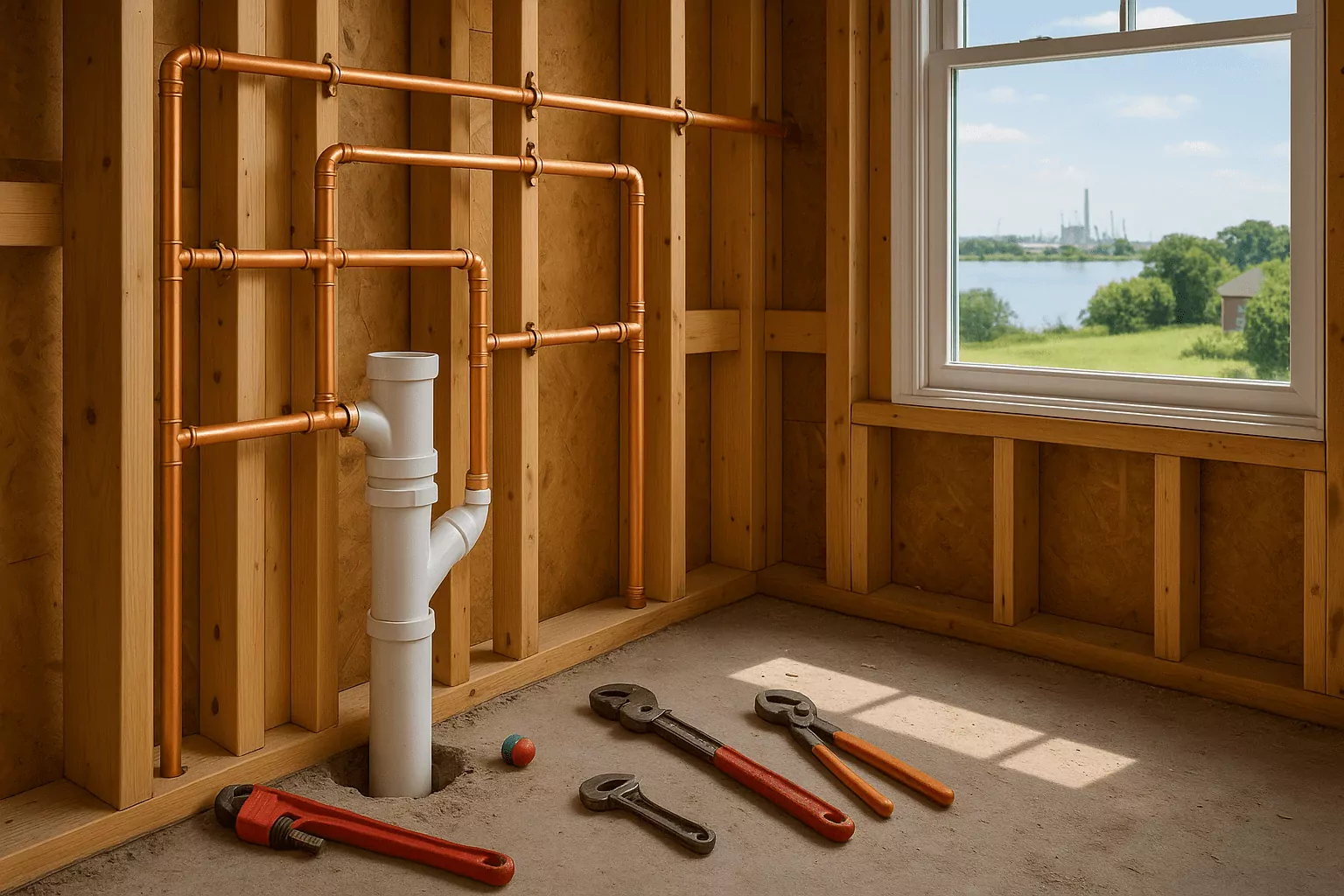
When planning room additions in Port Arthur, TX, one of the most critical aspects to consider is the plumbing for room additions Port Arthur TX. A well-designed plumbing system ensures that your new space is functional, efficient, and compliant with local regulations. Whether you're adding a bathroom, kitchen, or laundry room, the plumbing must be tailored to meet the demands of your household while also adhering to safety standards. In this guide, we will explore essential considerations for selecting the right plumbing system, including materials, design, and installation tips. Homeowners and builders alike will find valuable insights that can help streamline the planning process and avoid potential pitfalls.
1. Understanding Local Plumbing Codes
Every region has specific plumbing codes that dictate how plumbing systems must be installed. In Port Arthur, TX, it is vital to familiarize yourself with these codes to ensure compliance. Failing to adhere to these regulations can result in costly fines and necessary rework. Consulting with local authorities or professional plumbers can provide clarity on what is required for your room additions.
For example, the Texas State Board of Plumbing Examiners outlines regulations that affect the installation of plumbing systems. Understanding these codes can help you avoid issues during inspections and ensure that your plumbing system is safe and reliable.
Additionally, some codes may have specific requirements regarding the types of materials used, the layout of plumbing systems, and the installation of fixtures. By adhering to these codes, you can guarantee that your plumbing system will function as intended and remain durable over time.
2. Selecting the Right Materials
The materials you choose for your plumbing system significantly impact its durability, maintenance, and efficiency. Common materials include PVC, PEX, copper, and CPVC, each with its own benefits and drawbacks. For instance, PEX is popular for residential plumbing due to its flexibility, resistance to corrosion, and ease of installation.
Moreover, copper, while more expensive, is known for its longevity and resistance to bacteria. However, it may require more complex installation techniques. Consider the specific needs of your room addition when selecting materials, such as water pressure requirements and the potential for freezing temperatures.
Ultimately, the right materials for your plumbing system will depend on budget, local codes, and personal preferences. We recommend consulting with a plumbing expert to determine the best options for your specific project.
3. Designing an Efficient Plumbing Layout
An efficient plumbing layout is crucial for maximizing the functionality of your room addition. Consider the placement of fixtures, such as sinks, toilets, and showers, in relation to existing plumbing lines to minimize installation complexity. A well-thought-out layout can significantly reduce water wastage and ensure that all areas receive adequate water supply.
For example, grouping plumbing fixtures that share a wall can simplify the installation process, reducing both time and costs. Additionally, incorporating a dedicated drainage system for bathrooms and kitchens can prevent clogs and ensure smooth water flow.
Moreover, it's essential to consider the future needs of your household. If you plan to add more fixtures later, ensure that your plumbing system can accommodate these changes without requiring extensive renovations. A thorough design not only makes the installation process easier but also contributes to the long-term efficiency of your plumbing system.
4. Hiring Experienced Professionals
While DIY projects can be appealing, hiring experienced professionals for your plumbing installation can save you time, money, and headaches in the long run. Licensed plumbers have the knowledge and skills to ensure compliance with local codes and to install systems correctly. They can also offer insights into the best practices for plumbing design and materials tailored to your needs.
When selecting a plumbing contractor, it is crucial to check their credentials, experience, and reviews. Look for professionals who specialize in home remodeling plumbing services to ensure they are equipped to handle the complexities of room additions.
Additionally, consider obtaining multiple quotes to compare pricing and services offered. A reputable plumber will provide a detailed estimate and be transparent about potential challenges that may arise during the installation process. By investing in professional services, you can ensure a seamless experience and a plumbing system that meets your expectations.
Choosing the right plumbing for your room additions in Port Arthur, TX, is a crucial step that can significantly affect the functionality and longevity of your new space. By understanding local plumbing codes, selecting appropriate materials, designing an efficient layout, and hiring experienced professionals, you can ensure a successful installation. For more insights and assistance with your plumbing needs, reach out to 409 Plumbing at 409-444-0066 for expert services tailored to your home. Explore our blog for more informative articles and tips! If you need immediate assistance, request a quote today!
Frequently Asked Questions About Plumbing For Room Additions
What factors should I consider when planning plumbing for room additions?
When planning plumbing for room additions, consider the local plumbing codes, the materials you'll use, the layout of your plumbing system, and the experience of the professionals you hire. Assessing these factors helps ensure that your plumbing installation is efficient, compliant, and tailored to your needs. Additionally, think about future needs and how your plumbing system can adapt to accommodate them.
How can I ensure my plumbing complies with local codes?
To ensure your plumbing complies with local codes, begin by reviewing the regulations set by the Texas State Board of Plumbing Examiners. Consulting with licensed plumbing professionals can also help clarify requirements and ensure your installation meets all necessary guidelines. Regular inspections throughout the installation process can further confirm compliance.
What are the benefits of using PEX in plumbing installations?
PEX offers numerous benefits in plumbing installations, including flexibility, resistance to scale and chlorine, and ease of installation. Its lightweight nature allows for easier handling and installation, often resulting in lower labor costs. Additionally, PEX is less prone to freezing and bursting compared to traditional materials, making it an excellent choice for various climates.

Registered Master Plumber Texas State Board of Plumbing Examiners
RMP #44702
Licensed and Bonded
Cities Serviced
409 Plumbing
Follow Us On
© 2026 409 Plumbing. All Rights Reserved.
Website Design and Hosting Provided by LocalBizBuzz,co