
24 Hour Service
Call 409-444-0066
How to Choose the Right Gas Line Installation Service for Your Generator in Beaumont
Essential tips for homeowners in Beaumont to select the best gas line installation service for safe and efficient generator setup.
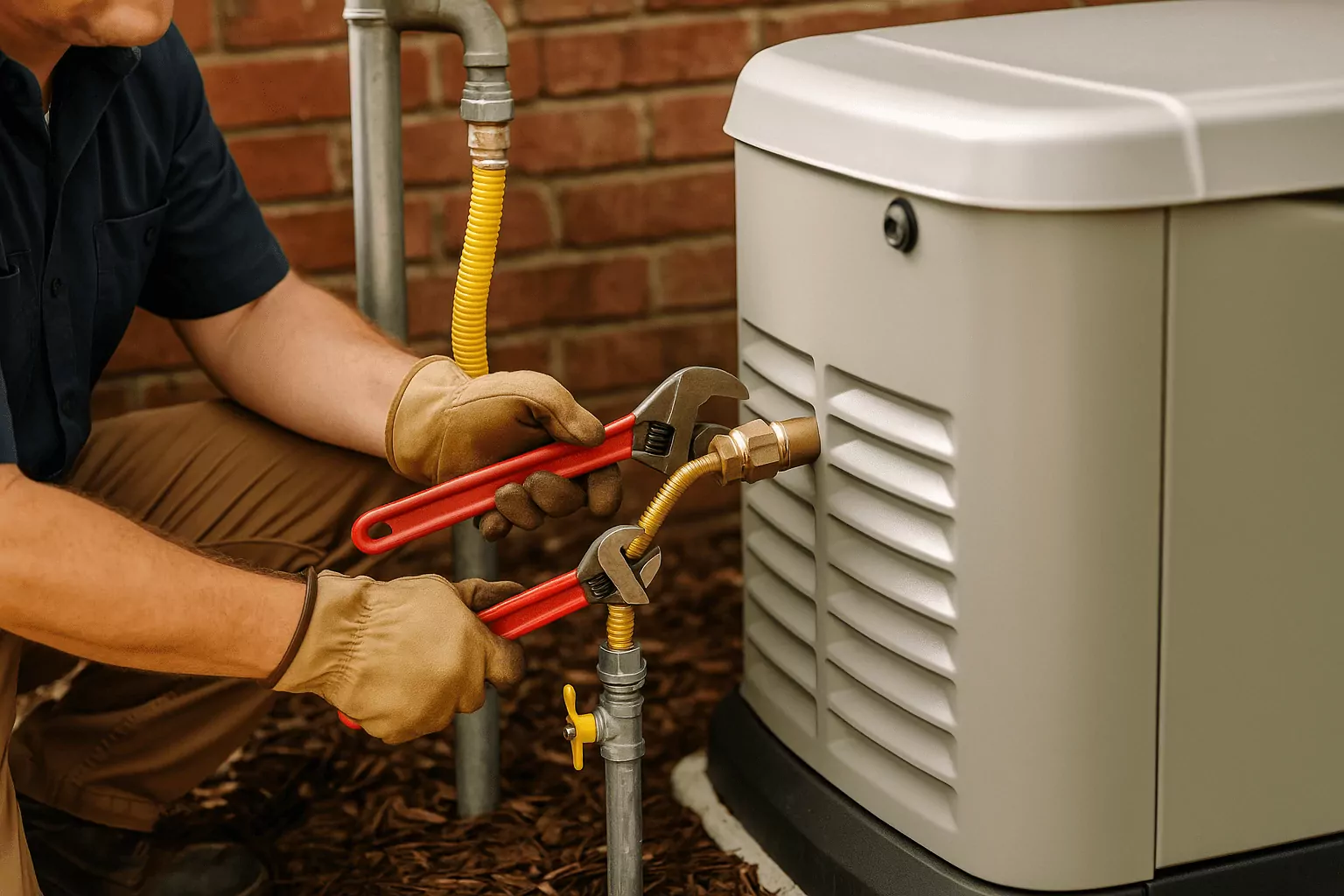
When storms roll across Southeast Texas, a reliable standby generator can be the difference between a brief inconvenience and days of disruption. Choosing the right contractor for generator gas line installation Beaumont is essential to ensure safety, code compliance, and dependable performance when you need it most. Whether you use natural gas or propane, the right pro will size the line correctly, handle permits, and coordinate with the utility and inspectors. If you are comparing options, start with a company that has specialized generator experience and strong local reviews. For quick navigation and best results, consider generator gas line installation Beaumont providers who document their processes and warranties clearly. The guidance below outlines what to verify, how to compare proposals, and what ongoing support to expect in Beaumont, Orange, and Bridge City.
Licensing, Permits, and Code Compliance for generator gas line installation Beaumont
The first checkpoint is verification of licensing and permitting, because gas work is regulated for your safety. Ask the contractor for their Texas plumbing license number and proof of insurance, then confirm they pull permits with the City of Beaumont when required. In Beaumont and nearby Orange and Bridge City, inspectors typically review trench depth, material type, meter capacity, regulator placement, and bonding before final approval. A reputable installer will work to the National Fuel Gas Code (NFPA 54), local amendments, and manufacturer specifications for your standby generator. If a candidate suggests skipping a permit or inspection to save time, consider it a red flag that may cost you later.
Compliance extends beyond paperwork to documented procedures such as pressure testing and leak checks. Best practice is a pressure test on new piping, holding pressure for a prescribed time with a calibrated gauge, and documenting results for the inspector. Pros also add properly located shutoff valves, sediment traps, and drip legs to protect your generator's fuel system. Quality contractors will coordinate with your gas utility to evaluate meter capacity and schedule any needed upgrades ahead of energization. You can review safety expectations at the National Fuel Gas Code overview from authoritative sources such as the NFPA
Technical Expertise: Sizing, Materials, and Testing That Protect Performance
Proper gas line sizing is critical to prevent nuisance shutdowns and engine damage under load. Your installer should calculate your generator's BTU or CFH demand, account for line length and fittings, then select a pipe diameter that delivers the required pressure at full output. For example, a 20 kW natural gas generator may require 250-300 CFH at 3.5-7 inches water column, which often necessitates upsizing the line or upgrading the meter. Material choices matter too: black iron is common above ground, while underground lines often use polyethylene (PE) with approved risers or properly bonded CSST where code allows. A capable contractor will explain these decisions, show the sizing tables used, and include them with your estimate.
Field testing separates a careful pro from a risky shortcut. Expect a documented pressure test before backfill, followed by soap-solution checks at all joints, regulators, and quick connects. If your property has challenging soil or shared utility corridors, your installer should use 811 utility locates and trenching methods that protect existing services. Case in point, a homeowner in Beaumont's West End avoided a costly re-dig when their installer pre-marked sprinkler lines and coordinated with the city for inspection on the same day as testing. The result was a clean, on-time install with stable gas pressure and a generator that started flawlessly under a full-home transfer test.
Transparent Proposals: Scope, Pricing, and Timelines You Can Trust
Clear proposals make apples-to-apples comparisons possible and help prevent budget creep. Ask each contractor to itemize trenching, piping materials, regulators, shutoff valves, bonding, pressure testing, permits, inspections, and meter upgrades if needed. A dependable bid will also specify restoration details like soil compaction, sod replacement, or concrete patching. Timelines should include permit lead time, trenching day, inspection window, and the final tie-in and start-up sequence with your electrician or generator installer. Look for companies that coordinate with your generator brand dealer to confirm fuel demands and start-up requirements ahead of time.
To streamline review, use a short checklist and ask every bidder to respond in writing. Items to verify include material type and pipe size, permit fees, test procedures, utility coordination, restoration, warranty terms, and payment milestones. In Southeast Texas, weather can affect trenching and inspection schedules, so confirm how the contractor handles rain delays and rescheduling with the city. If any exclusions apply (for example, rock excavation or unforeseen obstructions), they should be noted in the proposal with unit pricing. When you are ready to request a detailed quote or compare scopes, visit our gas line installation services page or reach out via our contact form to get started.
Safety, Warranty, and Long-Term Support After Installation
Safety does not end after the trench is backfilled and the meter is turned on. Your contractor should provide a startup walk-through that shows you the shutoff location, how to recognize fuel issues, and when to call for service. Ask about workmanship warranties on piping and regulators, as well as response times for warranty calls during severe weather. Responsible installers often schedule a follow-up pressure check after the first major load event or seasonal temperature change, which helps catch small issues early. For added peace of mind, review carbon monoxide safety and keep generators operated per manufacturer guidelines.
Real support shows in how quickly a contractor can help when you need them most. For example, an Orange, TX family experienced low gas pressure during a heatwave when multiple appliances were running; their installer promptly verified load calculations, adjusted the regulator, and coordinated a meter upgrade with the utility. Good teams also keep records of your line sizing and test results to simplify future service or generator upsizing. If you want an overview of how generator size affects fuel demand, see manufacturer guidance like this Generac sizing resource and discuss results with your installer.
Selecting a qualified contractor for generator gas line installation Beaumont comes down to proven licensing, code knowledge, precise sizing, and transparent proposals. When you compare bids, insist on itemized scopes, documented test procedures, and clear timelines that include permits and inspections. Look for safety-first practices, strong warranties, and prompt post-installation support that stand up to Southeast Texas weather. If you are ready to move forward, 409 Plumbing is here to help with expert planning, clean installs, and responsive service. Call 409 Plumbing at 409-444-0066, serving Orange, Beaumont, and Bridge City. Explore our gas line installation services and connect through our contact form to schedule your on-site assessment today.
Frequently Asked Questions About Generator Gas Line Installation
How do I know my home is ready for a gas line to a standby generator in Beaumont?
Start by identifying your generator's BTU or CFH requirement from the manufacturer's specs, then confirm your gas meter and service can deliver that capacity. A licensed installer will calculate pipe size based on distance and fittings, and advise if a meter upgrade is necessary for full-load performance. Next, review the proposed route for trenching or above-grade pipe, making sure it avoids utilities, irrigation, and tree roots. The contractor should handle permits and inspections with the City of Beaumont and coordinate with your gas utility for any service changes. A readiness checklist includes clear scope, test plan, restoration details, and a scheduled inspection date before work begins.
Is natural gas or propane better for my standby generator in Southeast Texas?
Both fuels can work well when the line is sized correctly, but local availability and usage patterns drive the choice. Natural gas is often preferred in Beaumont for convenience and continuous supply, removing the need for on-site tank refills during extended outages. Propane is a strong option for rural properties or homes without natural gas service, offering predictable BTU content and independent storage. Discuss with your installer the tank size, regulator configuration, and cold-weather performance if you choose propane. Either way, professional sizing, proper regulator staging, and code-compliant installation are what ensure reliable starts and smooth operation under load.
What permits and inspections are required for generator gas line installation Beaumont?
In most cases, a mechanical or plumbing permit is required before trenching or piping begins, followed by an inspection prior to backfill or final tie-in. Inspectors typically verify material type, burial depth, tracer wire on PE lines, bond/grounding, shutoff valve location, regulator vents, and test pressure. Your contractor should pull the permit, schedule inspections with the City of Beaumont, and provide pressure test documentation to the inspector. If a utility meter upgrade is needed, coordination with the gas utility should be arranged in parallel to avoid delays. For local guidance, review the City of Beaumont's permitting resources at the Building Codes and Permits page or contact your local building department directly.
How long does installation take, and what factors affect the timeline?
Most straightforward projects are completed in 1-3 days once permits are approved, with actual trenching and piping often done in a single day. Timelines can extend due to permit lead times, weather delays, complex routing, or utility scheduling for meter upgrades. A prepared contractor will sequence 811 locates, trenching, pressure testing, inspection, and final tie-in to minimize gaps. Clear communication, daily progress updates, and flexible rescheduling protocols help keep things on track during Southeast Texas storm seasons. Ask for a written schedule with contingency steps so you know exactly what to expect from start to finish.

Registered Master Plumber Texas State Board of Plumbing Examiners
RMP #44702
Licensed and Bonded
Cities Serviced
409 Plumbing
Follow Us On
© 2026 409 Plumbing. All Rights Reserved.
Website Design and Hosting Provided by LocalBizBuzz,co