
24 Hour Service
Call 409-444-0066
How to Choose the Right Emergency Toilet Repair Service in Port Arthur TX
Quick tips for homeowners in Port Arthur TX to select reliable emergency toilet repair services when plumbing issues strike.
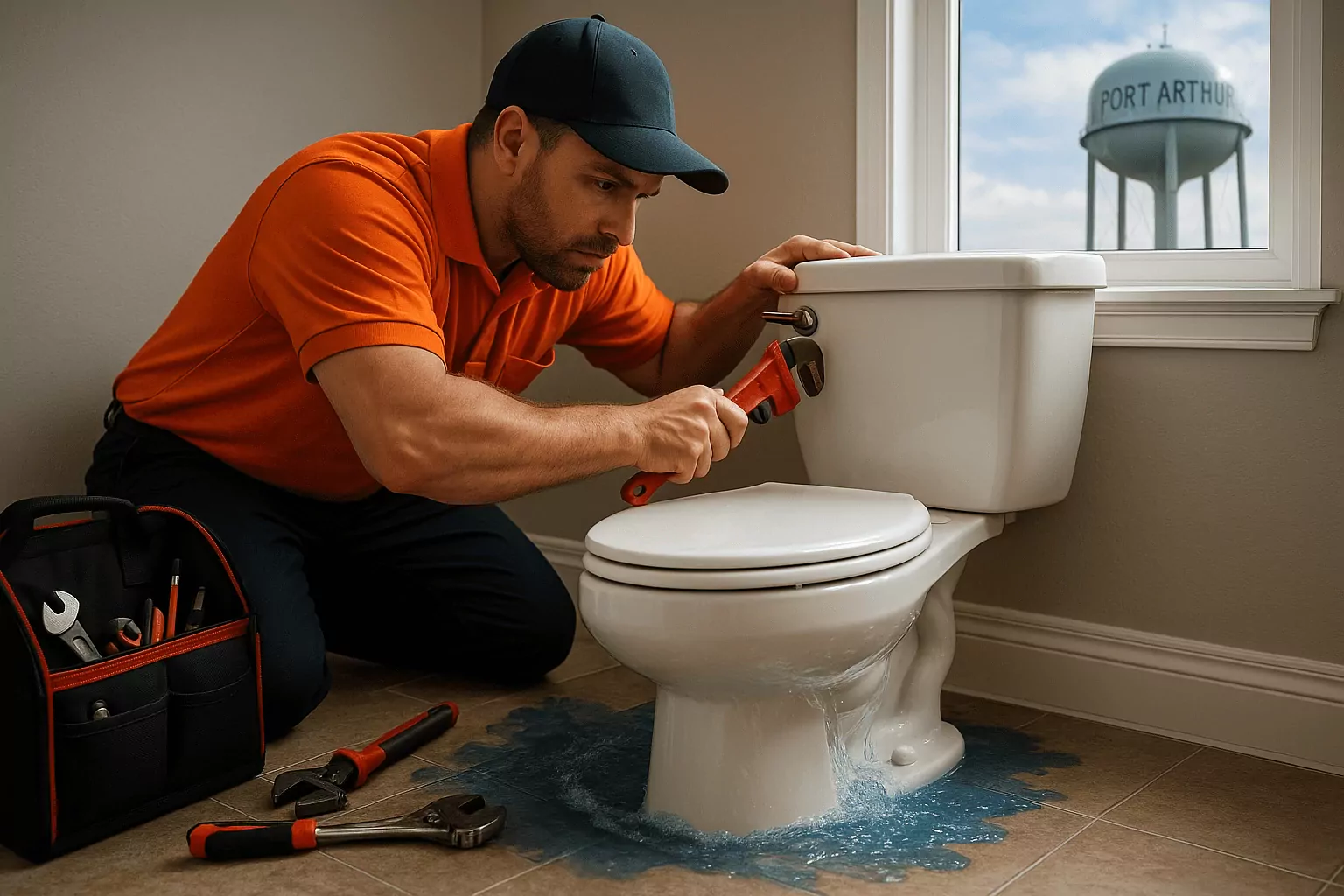
When a toilet overflows or refuses to flush, every minute counts, which is why choosing the right emergency toilet repair Port Arthur TX provider matters. In a true plumbing emergency, speed, know-how, and trustworthy service can prevent water damage and restore your home's comfort quickly. Homeowners in the Golden Triangle should evaluate local teams on licensing, response times, and transparent pricing before trouble strikes. Doing so ensures you are not scrambling to compare plumbers at 2 a.m. while water creeps across the floor. This guide explains how to vet providers, what questions to ask, and how to spot red flags so you can act with confidence. For quick access later, consider bookmarking a trusted provider and their number so help is only one call away. If you need a starting point, explore emergency toilet repair Port Arthur TX options and build your shortlist today.
Confirm 24/7 readiness, licensing, and local expertise for emergency toilet repair Port Arthur TX
Start by verifying that the company truly offers 24/7 dispatch and not just daytime service with after-hours voicemail. Ask how they staff nights, weekends, and holidays, and whether a live dispatcher answers calls around the clock. Experienced emergency teams will outline exact steps for triage, ETA windows, and what to do while you wait. Local knowledge is invaluable in Port Arthur's climate, where heavy rains and high water tables can influence drain behavior. A provider familiar with Jefferson County codes, common home layouts, and older cast-iron stacks can troubleshoot faster. This reduces misdiagnoses that delay repairs and increase costs.
Licensing and insurance are non-negotiable when hiring for emergency work in Texas. Verify that the company and the technician arriving at your home hold current state licenses, which you can confirm via the Texas State Board of Plumbing Examiners. For convenience, use the state's official license lookup and take a screenshot of results for your records. Also request proof of general liability and workers compensation coverage so you are protected if something goes wrong. A properly licensed and insured team will gladly provide documentation upon request. If they resist, consider that a serious warning sign.
Local credibility should extend beyond paperwork to real-world results and community reputation. Look for technicians who can discuss recent, nearby emergency toilet repair cases and how they resolved them. For example, a Port Arthur homeowner facing an overnight backup may need wax ring replacement plus a closet flange shim due to slab settling. Another case might involve a toddler's toy lodged beyond the trap, requiring augering or a camera inspection. These examples show whether the provider moves beyond quick plunges to fully diagnose root causes. A team fluent in both mechanical fixes and sewer line diagnostics will protect you from repeat failures.
Assess response times, stocked parts, and diagnostic tools for emergency toilet repair Port Arthur TX
When a toilet overflows, the first hour can determine whether the issue stays contained or spreads into walls and flooring. Ask the provider for average after-hours response times and whether they offer tiered urgency windows. A reliable team should give a realistic ETA and update you if traffic or weather shifts timing. Just as important is their van stock, because showing up without common parts can add hours. Confirm they carry flappers, fill valves, wax rings, supply lines, shut-off valves, and standard tank-to-bowl kits. The right inventory helps them complete most repairs in a single visit.
Advanced diagnostic tools also separate the best teams from the rest. A high-quality auger, wet vac, and safe drain chemicals are standard, but camera inspections are often the difference-maker. With a camera, technicians can quickly identify obstructions, root intrusion, or offsets further down the line. In rainy seasons, locating a partial sewer main blockage early prevents repeat backups. Ask whether they use dye tests to isolate tank leaks and whether they pressure-test supply lines if a refill anomaly appears. These procedures show a commitment to finding the real cause, not just clearing symptoms.
Parts quality and brand familiarity matter for lasting repairs, especially in homes with older fixtures. Technicians should explain the pros and cons of OEM components versus universal parts for your specific toilet model. They should also carry corrosion-resistant bolts and supply lines to better withstand humid Gulf Coast conditions. If your fixture is cracked or outdated, expect a clear recommendation for replacement with WaterSense-labeled units. The EPA's WaterSense program provides performance and efficiency standards you can review . Choosing parts and fixtures that meet these benchmarks can lower water bills and reduce emergency risks.
Compare reviews, warranties, and transparent pricing for emergency toilet repair Port Arthur TX
In emergencies, homeowners often approve work before fully understanding costs, which can lead to bill shock. Transparent providers explain their after-hours fee structure up front, including trip charges, diagnostic fees, and part costs. Ask for a written or texted estimate before work begins, even in urgent scenarios. Clear estimates demonstrate respect for your budget and help you compare providers fairly. Request a warranty in writing for both parts and labor, and note any exclusions related to sewer main issues or pre-existing damage. If a team cannot present these details quickly, it may indicate disorganization that slows repairs.
Online reviews offer useful patterns if you know what to look for. Focus on mentions of punctuality, cleanliness, clear communication, and success fixing the issue on the first visit. Verify the company's standing with the Better Business Bureau and check how complaints were resolved. If possible, read responses from the business to see how they handle tough situations. A company that takes responsibility and resolves issues professionally is more likely to treat your emergency with care. Prioritize recent reviews from the past 6 to 12 months to reflect current staff and policies.
One Port Arthur case illustrates why transparency and warranty matter. A homeowner approved an after-hours unclog service without a diagnostic, only to face another backup two days later. The second provider ran a camera, found a partial main-line obstruction, and applied a targeted solution. Because the second company offered a written warranty and credited the initial visit, the homeowner paid less overall. That experience underscores the value of choosing a provider who documents findings and stands behind the work. When emergencies strike, clarity and accountability reduce stress and total cost.
Know when to DIY, when to call, and how to prevent future emergency toilet repair Port Arthur TX
Some steps can stabilize the situation before the plumber arrives. First, turn off the toilet's shut-off valve behind the fixture by rotating it clockwise. Remove the tank lid and gently lift the flapper to stop water from entering the bowl if the valve is stiff or stuck. Use towels or a wet vac to manage overflow and reduce water migration into adjacent rooms. Avoid commercial drain openers in toilets because they can damage seals and pose a hazard to technicians. If you suspect a foreign object, do not plunge aggressively, which can push it further down the line.
Knowing when to call is just as important as short-term stabilization. Reach out immediately if water is rising, you hear gurgling in other drains, or multiple fixtures back up at once. Those signs may indicate a main-line issue that needs professional tools to resolve. Also call if you smell sewage, which can signal a compromised vent or line that requires prompt attention. If the toilet base leaks when flushed, a failed wax ring or uneven flange can allow water under the floor. Left unaddressed, that moisture can lead to subfloor damage and mold.
Prevention reduces emergencies and costs over the long term. Adopt a no-wipes, no-feminine-products, and no-objects policy for toilets, regardless of packaging claims. Schedule annual maintenance, including a quick dye test for tank leaks and a check of fill and flush valves. If you have frequent backups, ask about a camera inspection to document line condition and locate offsets or root intrusion. For more home care insights, review our local plumbing tips at our maintenance checklist and consider bookmarking our services page for quick access. Proactive care and trusted contacts help ensure the next hiccup is a minor fix instead of a midnight flood.
Selecting the right emergency toilet repair Port Arthur TX provider comes down to preparation, verification, and clear expectations. Confirm 24/7 readiness, licensing, and insurance, then compare response times and diagnostic capability. Choose teams that give written estimates and warranties, and that can share recent, relevant case studies. Stabilize issues safely while you wait and adopt preventive practices to reduce future emergencies. For nearby, reliable help in the Golden Triangle, contact 409 Plumbing at 409-444-0066 for fast assistance, or reach us through our contact form to confirm service availability for your address. We proudly serve Orange, Beaumont, and Bridge City, and can coordinate with Port Arthur neighbors to guide next steps and recommend timely solutions.
Frequently Asked Questions About Emergency Toilet Repair
How fast should a provider respond to after-hours toilet emergencies in Port Arthur?
For true emergencies, many providers target a 60 to 120-minute arrival window, depending on distance and call volume. During major storms or citywide outages, ETAs can extend, so confirm update protocols and triage priorities. A trustworthy team will share a realistic time frame and text or call with changes. Ask about dispatch zones and whether technicians are already staged near Port Arthur overnight. Also confirm that their vans are stocked to complete most repairs on the first visit. Fast arrival plus first-visit completion usually saves more than a slightly cheaper but slower option.
What should I do immediately if my toilet is overflowing before help arrives?
Turn off the shut-off valve behind the toilet by turning it clockwise to stop the flow. Remove the tank lid and lift the flapper to halt refilling if the valve is stuck or hard to turn. Place towels around the base and use a wet vac if available to contain and remove water. Avoid chemical drain openers in toilets to prevent damage to seals and to protect technicians from exposure. Do not flush again or plunge aggressively if a foreign object is suspected, as that can worsen the blockage. Call your chosen provider, describe the symptoms, and ask for stabilization tips while they are en route.
How can I verify a Texas plumber's license and what paperwork should I request?
Use the Texas State Board of Plumbing Examiners license lookup at https://tsbpe.texas.gov/verify-a-license/ to confirm active status and classifications. Request the technician's name and license number at booking so you can verify before they arrive. Ask the company to provide proof of general liability and workers compensation insurance via email or text. Keep copies of estimates, invoices, and warranty terms for your records in case follow-up is needed. You may also review their business profile on the Better Business Bureau for complaint resolution history at https://www.bbb.org/. Organized documentation is a strong sign of a professional, customer-first operation.
Registered Master Plumber Texas State Board of Plumbing Examiners
RMP #44702
Licensed and Bonded
Cities Serviced
409 Plumbing
Follow Us On
© 2026 409 Plumbing. All Rights Reserved.
Website Design and Hosting Provided by LocalBizBuzz,co