
24 Hour Service
Call 409-444-0066
How to Choose the Right Contractor for Underground Gas Line Installation in Bridge City
Make informed decisions by comparing contractor qualifications, pricing, and safety practices for underground gas line installation in Bridge City.
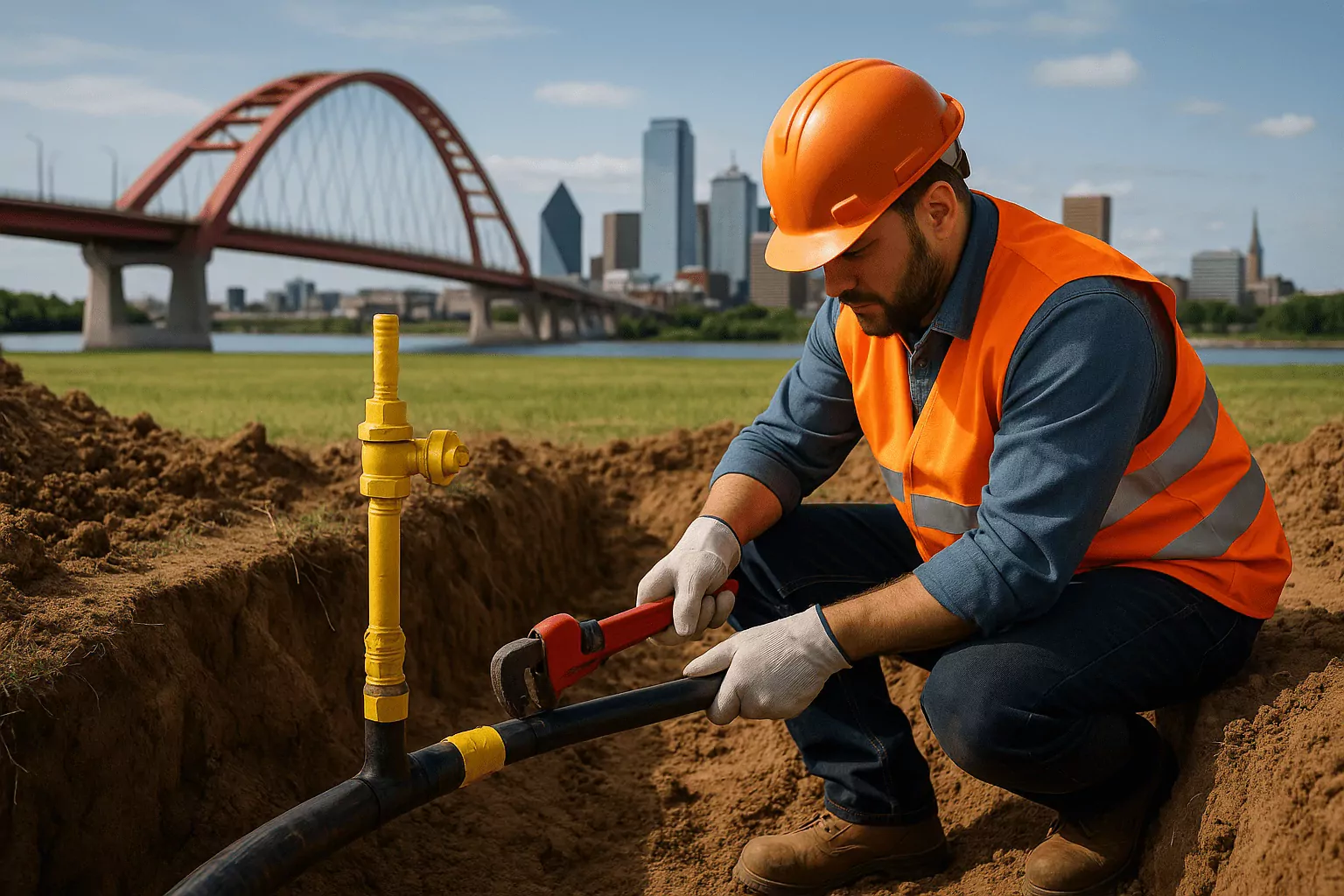
Choosing the right professional for underground gas line installation Bridge City is about more than price; it is about safety, code compliance, and long-term reliability. If you are planning a new appliance hookup, a backyard kitchen, or replacing an aging service line, the contractor you pick will determine how smoothly the project runs from permits to final inspection. For quick reference and local credibility, you can start your search by bookmarking underground gas line installation Bridge City and vetting companies that understand Southeast Texas soil, weather, and code requirements. Homeowners in Bridge City, Orange, and Beaumont face unique site conditions like clay-rich soils, high water tables, and utility-dense neighborhoods, all of which require a knowledgeable installer. The right partner will anticipate obstacles, coordinate with inspectors, and provide transparent communication at each step. In this guide, you will learn the critical criteria to evaluate contractors, what to expect in estimates, and how to compare bids fairly so you can make a confident, well-informed decision.
Licensing, Permits, and Code Compliance for Underground Gas Line Installation Bridge City
Start by confirming that your contractor holds the proper state license and local registration to perform gas piping work in Bridge City and Orange County. A qualified contractor should readily share license numbers, proof of general liability insurance, and workers compensation coverage to protect you and your property. Ask how they handle permitting and inspections, because underground gas line work in Texas must conform to the National Fuel Gas Code (NFPA 54) and local amendments. Reputable pros will coordinate with the City of Bridge City, obtain permits, schedule inspections, and provide you with copies of approved plans. They should also describe their pressure testing procedures, line locating, and documentation protocols that will be submitted to the inspector.
Reliable contractors will reference authoritative guidelines and agencies when explaining their process, which is a good sign they follow best practices. In Texas, the Railroad Commission provides pipeline safety resources, and installers should also encourage homeowners to contact Texas811 before any excavation. During your selection process, ask each contractor to explain how they verify existing utility depths, maintain clearances, and protect lines from corrosion and physical damage. Clear explanations indicate that the team is accustomed to working under scrutiny and understands the stakes of gas safety. This level of transparency helps you avoid change orders, rework, and inspection delays later.
Collect these documents and confirmations before you sign any contract so you can compare providers evenly. Request written verification of the license and insurance, the name of the permitting authority, and the testing standard that will be applied to your project. Also ask for a point of contact who will meet the city inspector on-site to answer questions and resolve any field adjustments. Finally, verify that the contractor will provide an as-built sketch or photo documentation showing the exact route and depth for your records. Keeping these materials organized will also help with future projects or when selling your home.
Experience, Methods, and Materials That Fit Southeast Texas Conditions
Beyond paperwork, you need a contractor with site-specific experience in Bridge City's soils and groundwater conditions. Skilled teams will evaluate whether open trenching or horizontal directional drilling (HDD) is better for your yard, driveway crossings, or tree-lined areas. They can articulate the pros and cons of polyethylene (PE) versus coated steel, discuss cathodic protection when appropriate, and explain when to sleeve a line for added durability. In addition, they should specify tracer wire requirements so future utility locates are accurate, which reduces the risk of accidental damage. Hearing these details up front signals a contractor who is planning for both immediate success and future maintenance.
Ask for case studies that demonstrate how the installer overcame common local challenges, such as shallow utilities, sprinkler systems, or flood-prone lawns. For example, a Bridge City homeowner may need a gas line routed beneath a concrete walkway and a driveway; an experienced crew might suggest HDD to minimize surface disruption while maintaining required depth and slope. If your property includes mature oaks or clay soils that hold water, the crew should describe erosion control, bedding materials, and backfill compaction to prevent settlement. They should also explain how they will protect against corrosion and mechanical damage at risers, meter connections, and transition fittings. Specific examples instill confidence that they can adapt in the field while meeting code.
Quality materials are the backbone of a safe, long-lasting system, so ask for brand names, ratings, and warranties on pipe, fittings, and risers. The contractor should specify pressure ratings, fusion techniques for PE, or welding and coating methods for steel where applicable. Insist on a clear description of tracer wire type and routing, as well as warning tape placement above the line to comply with best practices. If a branch line feeds multiple appliances, get details on regulators, shutoff valves, and excess flow valves designed for your layout. The more detail captured in writing, the fewer surprises during installation.
Transparent Estimates, Timelines, and Warranties for Underground Gas Line Installation Bridge City
A transparent, line-item estimate is one of the best tools for choosing the right contractor for underground gas line installation Bridge City. Request a written scope that outlines utility locating, trenching or drilling, bedding, pipe/fittings, testing, permit fees, restoration, and cleanup. Clarify what is included for landscaping, concrete, paver, or asphalt restoration so you understand the finish quality to expect. An experienced contractor will also outline contingencies, such as encountering rock, abandoned utilities, or hidden irrigation lines, and explain how change orders will be priced. This level of detail lets you compare apples to apples across competing bids and reduces cost disputes.
Set expectations for timelines as early as possible, including lead times for permits, scheduling inspections, and material procurement. In many cases, permit approvals and inspection availability in Bridge City can influence your start date more than crew capacity. Ask your contractor how they mitigate delays, such as preparing submittals early or pre-scheduling inspections based on the anticipated trench-open date. You should also receive a communication plan that covers pre-job meetings, daily progress updates, and immediate notification if site conditions change. Clear milestones and communication commitments help your project stay on schedule and keep stress low.
Warranties and service support differentiate average contractors from great ones, especially for a system you cannot see after it is buried. Ask for workmanship warranties in writing and learn how they handle post-installation support, including leak checks, settlement repairs, or appliance tie-ins. Top-tier providers will conduct a final walkthrough, label shutoffs, and leave you with testing records and permit sign-off copies. If you are comparing similar prices, prefer the contractor who commits to responsive service, not just installation. Those are the teams most likely to stand behind their work years down the road.
Local Reputation, Safety Culture, and Communication You Can Trust
In a safety-critical trade like gas piping, a contractor's reputation speaks louder than any brochure. Review recent local feedback from Bridge City, Orange, and Beaumont homeowners, and ask for at least three references with similar scope and site conditions. Verify that the company has a documented safety program, including crew training on trench safety, confined spaces, and gas leak response. A strong safety culture often correlates with fewer mistakes, better inspections, and durable installations. Also ask if the contractor performs background checks and drug screening, because professionalism on-site matters when crews are working around your family and property.
Assess communication quality from the first call, including how thoroughly they answer questions and whether they follow up with written details. The best contractors will encourage you to call Texas811 before any private digging and will coordinate utility locates as a standard practice. They should also offer convenient ways to get help or schedule service, such as a clear online request form and fast phone response. To explore related services or schedule a consultation, check out our services, browse helpful how-tos on our blog, or contact 409 Plumbing for a site visit. These touchpoints demonstrate the contractor's commitment to clarity and accountability, from planning through post-installation support.
Resources About Underground Gas Line Installation
Selecting the right contractor for underground gas line installation Bridge City comes down to credentials, local experience, transparent scopes, and a proven safety culture. Insist on licenses, insurance, and a clear permitting plan, and favor teams who explain materials, methods, and testing in plain language. Compare detailed, line-item bids and document warranties so you can make a confident, apples-to-apples choice. Check local references, review recent permits, and look for proactive communication that keeps your project on schedule and compliant. When you are ready to move forward, 409 Plumbing is here to help with expert design, permitting, and installation tailored to homes in Bridge City, Orange, and Beaumont.
Call 409 Plumbing at 409-444-0066 to schedule your on-site assessment today. For fast service or questions about your scope, you can contact us online, explore related services, or read more expert tips on our blog. Our team brings local knowledge, code-compliant workmanship, and responsive communication to every project.
Frequently Asked Questions About Underground Gas Line Installation
Do I need a permit for underground gas line installation in Bridge City?
Yes, most underground gas line installations require a permit and inspection in Bridge City to ensure compliance with local amendments to NFPA 54. Your contractor should obtain the permit, coordinate inspections, and provide you with documentation of the pressure test and final approval. If any portion of the line is in a public right-of-way or near other utilities, additional approvals may be required. Ask your installer to explain the exact permitting path for your property and how long each step typically takes. You can also consult the City of Bridge City website for general permitting information and contact details.
How long does underground gas line installation usually take?
Typical residential projects take 1 to 3 days of on-site work once permits are approved, depending on length, crossings, and restoration needs. Schedule can extend if horizontal directional drilling is required for driveways or mature tree protection, or if inspections are backlogged. The longest lead items are often permit approvals and inspection windows, so an organized contractor will pre-plan these dates. Weather and groundwater levels in Southeast Texas can also influence excavation and backfill timelines. A detailed schedule with milestones for locates, trenching, testing, and inspection helps set realistic expectations.
Which materials are best for underground gas lines in Southeast Texas?
High-density polyethylene (PE) is commonly used for underground residential gas lines because it resists corrosion and provides flexible routing. In some cases, coated steel may be used for specific segments, transitions, or where local code or utility requirements call for it. Your contractor should match materials to your site conditions, depth requirements, and appliance loads while following NFPA 54 and local standards. Expect to see tracer wire, warning tape, and protective sleeves in the design to support safe future locates and long-term durability. If your property is prone to flooding or settlement, ask about bedding materials and compaction standards to protect the line.
Who is responsible for utility locates and how do I avoid damage?
Your contractor should request public utility locates, but homeowners are also encouraged to call Texas811 before any digging begins. Locating utilities ensures minimum separations are maintained and reduces the chance of damaging gas, electric, water, or telecom lines. Your contractor should mark the proposed route, verify depths, and hand-dig near marked utilities to confirm positions before machine excavation. For private lines like irrigation or pool equipment, provide as-built plans if available and walk the route with your installer. Helpful resources from Texas811 and the Texas Railroad Commission provide additional safety and regulatory guidance.
Registered Master Plumber Texas State Board of Plumbing Examiners
RMP #44702
Licensed and Bonded
Cities Serviced
409 Plumbing
Follow Us On
© 2026 409 Plumbing. All Rights Reserved.
Website Design and Hosting Provided by LocalBizBuzz,co