
24 Hour Service
Call 409-444-0066
How to Choose the Right Company for Sewer Line Replacement in Beaumont
Make informed decisions with expert tips for homeowners in Beaumont on selecting the best sewer line replacement services.
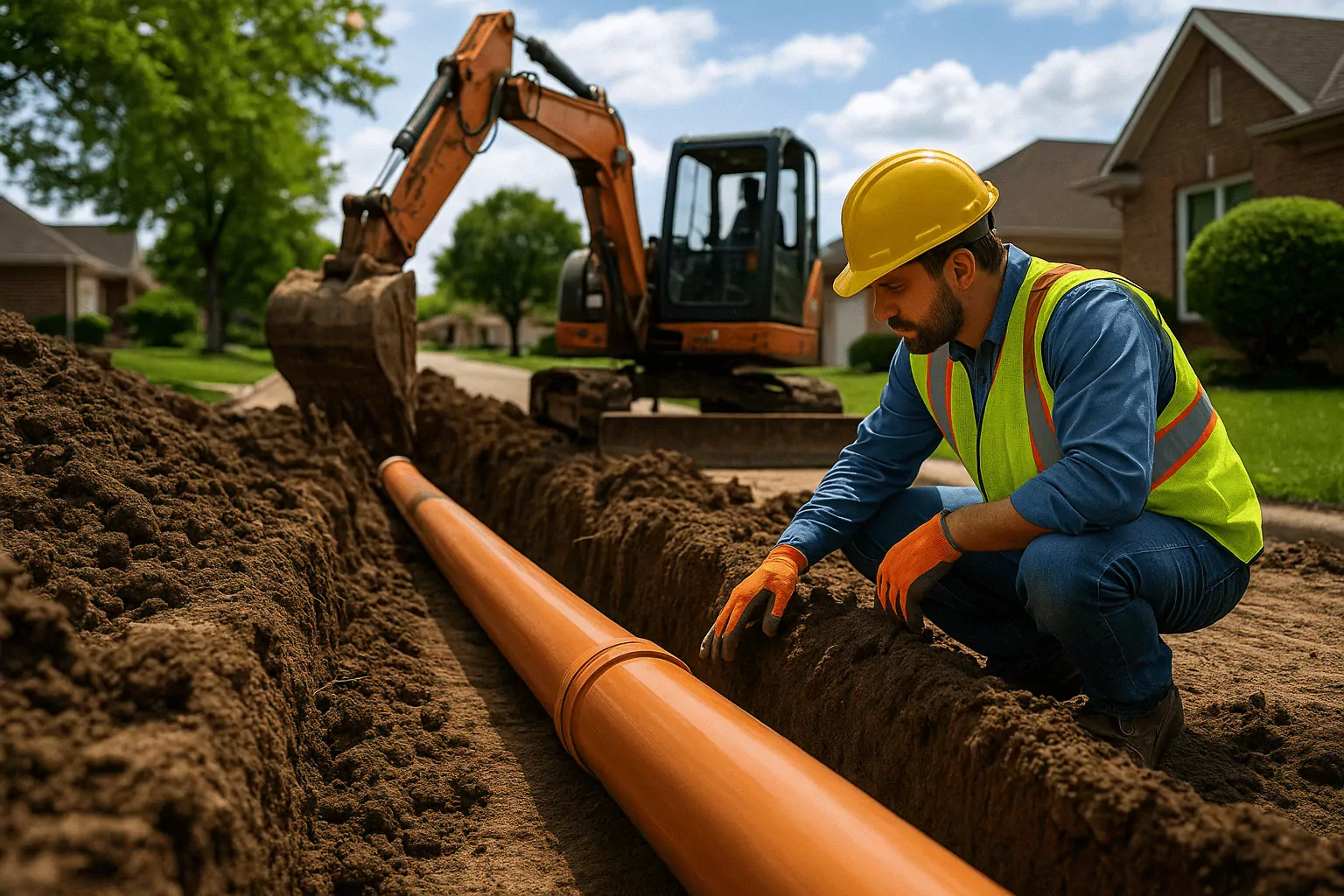
When your sewer main fails, choosing the right contractor can mean the difference between a smooth project and costly surprises. Homeowners comparing options for sewer line replacement Beaumont often struggle to validate experience, methods, and warranties. The best approach is to follow a clear set of criteria rooted in local code knowledge, proven technology, and transparent pricing. Early due diligence saves time and protects your property value, especially in neighborhoods with mature trees, clay soils, or high groundwater. If you are researching sewer line replacement Beaumont, focus on licensed teams that document their process and back it with strong guarantees. The guidance below distills practical steps, case examples, and expert tips tailored to Beaumont, Orange, and Bridge City homeowners.
Licensing, permits, and local code expertise for sewer line replacement Beaumont
Start by confirming that any company bidding on sewer line replacement in Beaumont holds current Texas plumbing licenses and active general liability and workers compensation insurance. A qualified contractor should manage permitting with the City of Beaumont and coordinate inspections, not leave you to wrestle with the paperwork. Ask how they handle Texas 811 utility locates and whether they follow trench safety best practices to protect your yard and your neighbors. Local familiarity matters because soil conditions and right-of-way rules vary across Beaumont, Orange, and Bridge City. Teams that consistently work in these cities know which alleys, setbacks, and easements require special attention to avoid delays and fines.
Verification is simple when a contractor is legitimate and prepared. Request copies of license numbers and insurance certificates and confirm that your written proposal lists permit fees and inspection timelines. Reputable providers will reference local standards set by the City of Beaumont Public Works and state guidance via the Texas Commission on Environmental Quality. They should also outline how they bring noncompliant systems up to code, such as improper cleanout placements or undersized laterals. If a bid avoids details about permitting, skip it, because a low number today can become an expensive stop-work order tomorrow.
Diagnostic technology and methods to ensure accurate sewer line replacement in Beaumont
Accurate diagnosis drives the right repair approach, so insist on a video camera inspection with a recorded file and a clear condition report. A strong contractor will mark problem points, measure depths, and map the route from the home to the city tap or septic connection. When roots, bellies, or collapsed clay pipelines are suspected, they should explain findings in plain language and show you timestamps on the video. Some projects benefit from smoke testing to pinpoint cross-connections or hydrostatic testing to verify leaks before and after replacement. The more transparent the diagnostics, the lower the chance of mid-project change orders.
Equipment and method capabilities are just as important as the diagnosis. Open-trench excavation remains the right choice for severely collapsed lines or when elevations must be corrected to restore proper slope. Ask to see photos or brief case studies of similar Beaumont properties, such as a West End home with mature oak roots or a mid-century slab property in Orange with shallow laterals.
Installation methods, warranties, timeline, and pricing transparency for sewer line replacement Beaumont
Clear scopes of work prevent confusion, so request a line-by-line estimate that lists mobilization, permits, excavation, pipe material and size, connection details, backfill, compaction, and restoration. Material quality matters: PVC SDR-26 or SDR-35 is commonly specified for durability and code compliance, and reputable installers will detail fittings and cleanout configurations. Your proposal should explain the planned method, such as an open trench to correct grade, and include contingencies for rock, groundwater, or unknown utilities. Timelines should reflect realistic crew availability and inspection windows, with communication checkpoints if weather or site conditions delay progress. Transparent bids reduce surprise costs and allow you to compare apples to apples across multiple contractors.
Warranties are a powerful quality signal and should cover both materials and workmanship for meaningful durations. Ask for a written warranty document explaining transferability, exclusions, and the process for service calls, especially if you plan to sell your home. Savvy companies will offer restoration plans that include sod, concrete, or landscaping repair to pre-project condition. Financing options can also help, so ask if monthly payment plans are available for larger projects. Above all, insist on progress photos and a final walkthrough to verify that slope, joints, and cleanouts meet code before final payment is released.
Local reputation, service area, and emergency response: choosing a trusted Beaumont partner
Strong local reputation is earned through consistent performance and responsive service. Read recent reviews that specifically mention sewer line projects, not just general plumbing, and request two addresses you can drive by to assess restoration quality. A trustworthy team serving Beaumont, Orange, and Bridge City should offer 24/7 backup response and be able to mobilize quickly when a line collapses. During your consultation, note how thoroughly they answer questions and whether they suggest preventive steps, such as adding a backwater valve. Local partners who know Beaumont neighborhoods, from Old Town to Dowlen, are better prepared for unique site constraints and utility corridors.
Ask for a project manager contact who will update you daily and coordinate with the city on inspections to minimize downtime. Good contractors provide homeowner checklists and explain how to prepare the site by clearing access, moving vehicles, or flagging sprinklers. They should also give you maintenance tips after the project, such as root control schedules and what to avoid flushing to protect a new line. For more insight, review service details on their sewer line replacement services page and browse related articles on the plumbing tips blog. When you are ready to move forward, schedule a visit through the contact page to lock in an inspection window and receive a written estimate.
Choosing a contractor for sewer line replacement Beaumont is easier when you verify licenses and insurance, demand transparent diagnostics, and compare clear, itemized scopes. Look for teams that offer both open-trench methods, provide strong warranties, and coordinate permits and inspections seamlessly. Ask for recent local references, review restoration photos, and insist on progress documentation from start to finish. With the right partner, you will protect property value, minimize disruption, and pass inspections the first time. Investing a little more time up front will save you stress, money, and future repairs.
For fast, expert help in Orange, Beaumont, and Bridge City, call 409 Plumbing at 409-444-0066. Explore detailed service options on our sewer line replacement services page, or contact 409 Plumbing now to schedule your camera inspection and written estimate. For additional research, see guidance from the Texas Commission on Environmental Quality and the City of Beaumont Public Works,
Frequently Asked Questions About Sewer Line Replacement
How long does sewer line replacement take in Beaumont?
Most residential projects in Beaumont take one to three days once permits and locates are complete. Trenchless methods can cut excavation time and often reduce total duration to a single day for straightforward runs. Open-trench jobs that require elevation corrections, rock removal, or driveway restoration can extend to several days. Weather, groundwater, and inspection schedules also influence timelines, so a range is normal in written proposals. A reliable contractor will present a start date, daily plan, and inspection milestones so you know exactly what to expect.
What permits are required for sewer line replacement in Beaumont?
Residential lateral replacements typically require a plumbing permit from the City of Beaumont, plus utility locates via Texas 811 before digging. If work extends into the right-of-way or connects to municipal infrastructure, additional approvals and inspections may apply. A licensed contractor should pull permits on your behalf and coordinate inspection scheduling to avoid delays. You can verify local guidelines with the City of Beaumont Public Works or consult state resources from the Texas Commission on Environmental Quality. Including permit fees in the written estimate ensures the total cost is accurate and compliant.
How much does a sewer line replacement cost in Beaumont?
Costs vary based on length, depth, method, soil conditions, and restoration needs, but most homeowners should expect a range in the low to mid five figures. Open-trench jobs can run higher if long sections of driveway or mature landscaping must be restored. The most accurate way to budget is to obtain an itemized quote that separates excavation, pipe materials, connection details, permits, and restoration. Always compare at least two bids and verify that warranties and inspection fees are included.
Will my yard and landscaping be restored after the project?
Yes, restoration should be part of the scope and explicitly itemized in the proposal. Quality contractors compact trench backfill properly, replace sod or seed disturbed areas, and repair concrete or pavers to a professional finish. Ask to see before-and-after photos of recent projects and clarify whether irrigation or fence repairs are included. A final walkthrough should confirm that grading, cleanouts, and surfaces meet expectations before final payment.

Registered Master Plumber Texas State Board of Plumbing Examiners
RMP #44702
Licensed and Bonded
Cities Serviced
409 Plumbing
Follow Us On
© 2026 409 Plumbing. All Rights Reserved.
Website Design and Hosting Provided by LocalBizBuzz,co