
24 Hour Service
Call 409-444-0066
How to Choose the Right Company for Gas Line Installation in Vidor
Tips for homeowners in Vidor to select a reliable company for safe gas line installation and avoid costly mistakes.
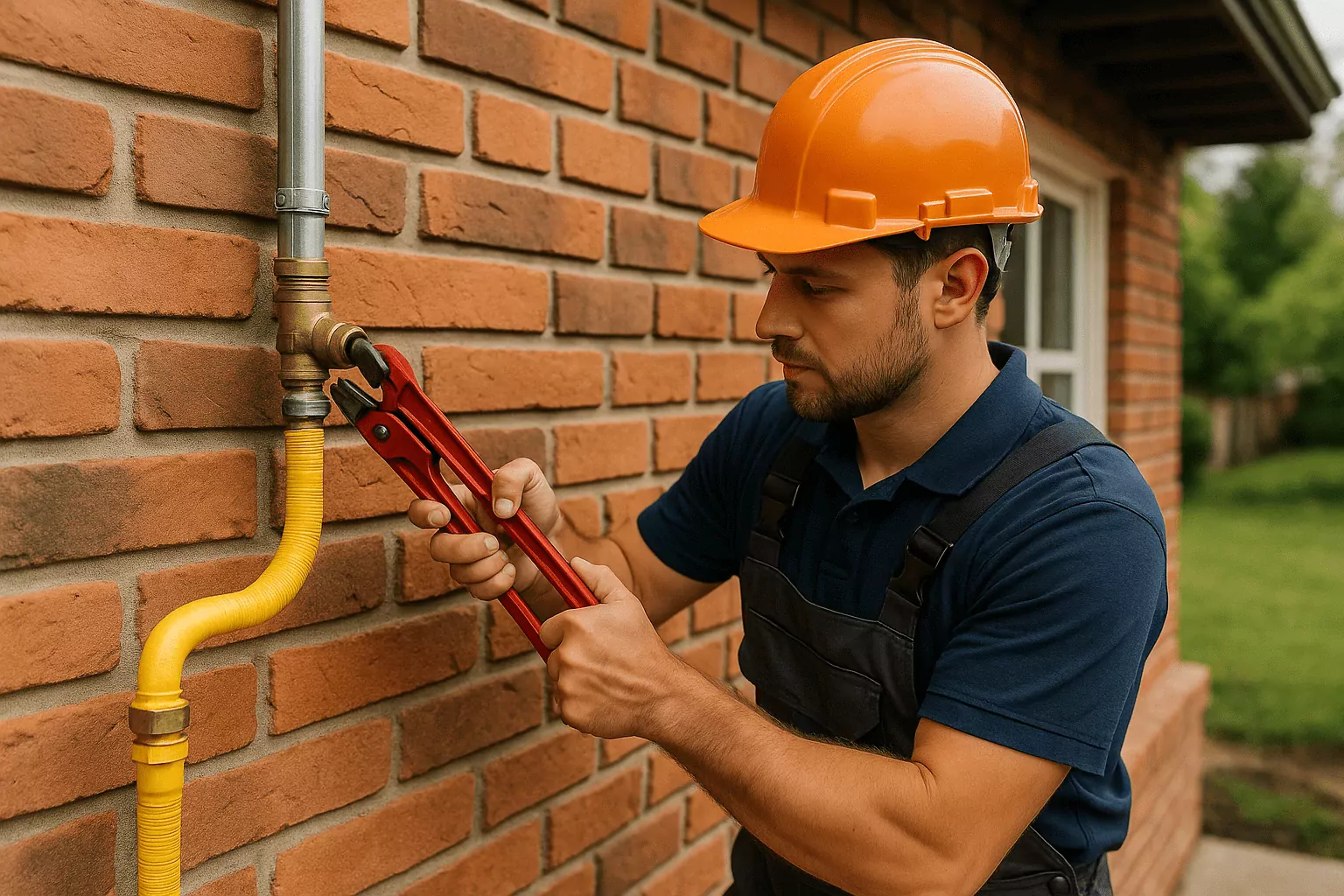
Choosing a contractor for gas line installation Vidor is about more than price; it is about safety, compliance, and long-term reliability. Whether you are adding a new gas range, running a line to an outdoor grill, or converting to natural gas, the right professional can prevent leaks and costly rework. Homeowners in Orange County face specific code requirements and permitting steps, so local expertise truly matters. As you compare providers, make sure one of your early checks includes proper licensing, insurance, and references. This guide explains the essential factors to weigh, with examples from real residential scenarios in and around Vidor. For a quick start, review this resource and bookmark it before contacting a pro for gas line installation Vidor.
Licensing, Permits, and Code Compliance for gas line installation Vidor
The first indicator of a trustworthy contractor is transparent, verifiable licensing and insurance. In Texas, natural gas oversight involves state and local layers, so professionals should be familiar with both the Texas Railroad Commission and city-level permitting. Ask the company to provide an active license number and certificate of insurance that includes general liability and workers compensation where applicable. Reputable firms will also handle the permit process with the City of Vidor or Orange County as required and schedule inspections. In one Vidor case, a homeowner adding a gas dryer saved time because the contractor pre-coordinated the permit and inspection, preventing project delays and ensuring code compliance.
Code familiarity is equally non-negotiable, especially with underground lines crossing tree roots or older clay soils in the area. Technicians should follow NFPA 54 (National Fuel Gas Code) and local amendments, size lines correctly, and use tracer wire on polyethylene (PE) underground lines. Before digging, they must contact Texas811 to locate utilities and reduce the chance of damaging existing lines. During rough-in and final, the installer should pressure-test the system with a calibrated gauge and document results for inspectors. A contractor that can speak to these steps in detail will be better equipped to protect your home and pass inspection on the first try.
Safety Practices, Materials, and Workmanship Guarantees
High-quality gas work blends skilled technique with the right materials for each environment. For exterior or underground routes in Vidor, installers commonly use PE piping with approved fittings, properly bedded trenches, and corrosion-resistant risers where the line emerges. Indoors, black iron or CSST (corrugated stainless steel tubing) may be chosen based on appliance loads, routing constraints, and bonding requirements. A careful contractor will evaluate gas pressure, total BTU load, and line length to size the system correctly and prevent underfeeding appliances. They will also place shutoff valves at each appliance, maintain clearances from electrical lines, and ensure secure supports along the run.
Ask specifically about safety protocols and warranties to gauge a company's confidence in its workmanship. Top-tier installers provide written guarantees on labor, honor manufacturer warranties on materials, and perform a post-installation leak check with both gauge and detector. In one example from a Beaumont-area project, the contractor identified a minor appliance connection issue during the final walkthrough, corrected it on the spot, and retested for peace of mind. A similar Vidor patio-kitchen installation used PE piping with tracer wire and documented a 24-hour pressure hold test before backfilling. These steps demonstrate diligence and give you a paper trail if you sell your home or add more gas appliances later.
Local Experience, Reviews, and Transparent Pricing for gas line installation Vidor
Local knowledge can shave days off a schedule and reduce surprises. Contractors who work regularly in Vidor, Orange, Bridge City, and Beaumont know how long permits take, what inspectors look for, and how to route lines around typical property layouts. Read reviews that mention gas line installation specifically and look for patterns in punctuality, cleanliness, and communication. Case studies should outline project scope, the materials used, and how issues were addressed, not just showcase pretty appliance photos. If a company is vague about past projects, consider it a red flag and ask for at least two recent, local references.
Transparent proposals are just as important as five-star ratings. A clear estimate will break out line length, material type (black iron, CSST, or PE), trenching or slab penetration needs, permit fees, and any appliance hookups. One Orange, TX homeowner avoided a surprise upcharge by choosing the contractor who itemized trenching costs and soil restoration upfront. Make sure the bid explains what is excluded, such as appliance conversion kits or masonry work, and clarifies who patches drywall or concrete if access is required. When comparing quotes, weigh scope clarity and warranty terms alongside price to arrive at the best overall value.
Scoping, Proposals, and Communication Before, During, and After the Job
A thorough scope visit lays the groundwork for a smooth installation day. Expect your contractor to map appliance locations, measure line paths, check the meter's capacity, and identify obstacles such as landscaping or concrete. They should also confirm venting needs for appliances like water heaters or furnaces and discuss future expansion, such as adding a standby generator later. Good communicators will present options if multiple routes are feasible, explain trade-offs, and document decisions in writing. In a recent Bridge City project, this process allowed the homeowner to pick a route that preserved a flower bed while maintaining proper burial depth and code compliance.
During the job, transparency about progress and inspection milestones builds trust and reduces stress. Ask how you will be updated, who is your onsite lead, and what to expect during pressure testing and inspector visits. After completion, you should receive a walkthrough covering shutoff locations, maintenance tips, and warning signs of leaks. Many reputable contractors also schedule a courtesy check-in after a week to confirm everything is functioning as expected. If your contractor offers a service plan, consider it for periodic inspections, especially if you plan to add more gas appliances in the future.
Selecting the right professional for gas line installation Vidor comes down to verified credentials, rigorous safety practices, strong local reviews, and clear communication from bid to final inspection. Demand a detailed scope, insist on permits and pressure testing, and choose a provider that stands behind its work with written warranties. If you are ready to move forward, contact 409 Plumbing at 409-444-0066 to schedule an on-site assessment. We proudly serve Orange, TX; Beaumont, TX; and Bridge City, TX with fast, code-compliant gas solutions tailored to local conditions. For service details, explore our services, send a request through our contact form, or learn more in our latest guides on the blog.
Resources About Gas Line Installation
Frequently Asked Questions About Gas Line Installation
Do I need a permit for gas line installation in Vidor?
In most cases, yes, a permit and inspection are required for new gas line installation Vidor to verify safety and code compliance. A qualified contractor will typically handle the application, coordinate Texas811 locates, and schedule inspections on your behalf. Permit requirements can vary based on whether the work is inside, outside, or under a public right-of-way. Check with the City of Vidor for current guidelines or rely on a local pro who pulls permits routinely. Always retain copies of permit documents and inspection approvals for your records and potential future home sales.
How long does a typical residential gas line installation take?
Many single-appliance projects, such as adding a line to a range or dryer, can be completed in one day once the permit is active. If trenching is required or the run is long, expect one to two days plus inspection time, which can add another day or two depending on schedules. Underground work may also include a pressure hold test over 24 hours before backfilling. Complex projects with meter upgrades, multiple appliances, or slab penetrations may span several days. A clear timeline in your proposal should outline permit lead time, installation day(s), testing, and final inspection.
What should I ask a contractor before hiring for gas work?
Start with licensing, insurance, and recent local references specific to gas line installation Vidor. Ask who pulls permits, how pressure testing is performed, and which standards guide their work, such as NFPA 54. Request a detailed, line-item estimate that breaks out materials, labor, trenching, restoration, and inspection scheduling. Clarify who handles drywall or concrete patching, and whether a workmanship warranty is included in writing. Finally, confirm how changes are documented during the job and how you will be updated from start to finish.
How can I reduce the risk of gas line damage during or after installation?
Choose a contractor who calls Texas811 before digging and documents the final route of any underground lines with photos or a sketch. Maintain clearance around exposed risers, avoid planting deep-rooted trees near buried lines, and do not stake large structures through likely routes. If you plan landscaping or fence work later, keep route documentation on file and share it with contractors. Learn where your shutoff valves are and consider a periodic inspection, especially after severe weather or significant yard work. If you ever smell gas or suspect a leak, leave the area, call your gas utility, and contact your installer for a professional assessment.

Registered Master Plumber Texas State Board of Plumbing Examiners
RMP #44702
Licensed and Bonded
Cities Serviced
409 Plumbing
Follow Us On
© 2026 409 Plumbing. All Rights Reserved.
Website Design and Hosting Provided by LocalBizBuzz,co