
24 Hour Service
Call 409-444-0066
How to Choose the Right Company for Gas Line Installation in Orange
Make informed decisions with tips for selecting the best gas line installation service in Orange for your home or business.
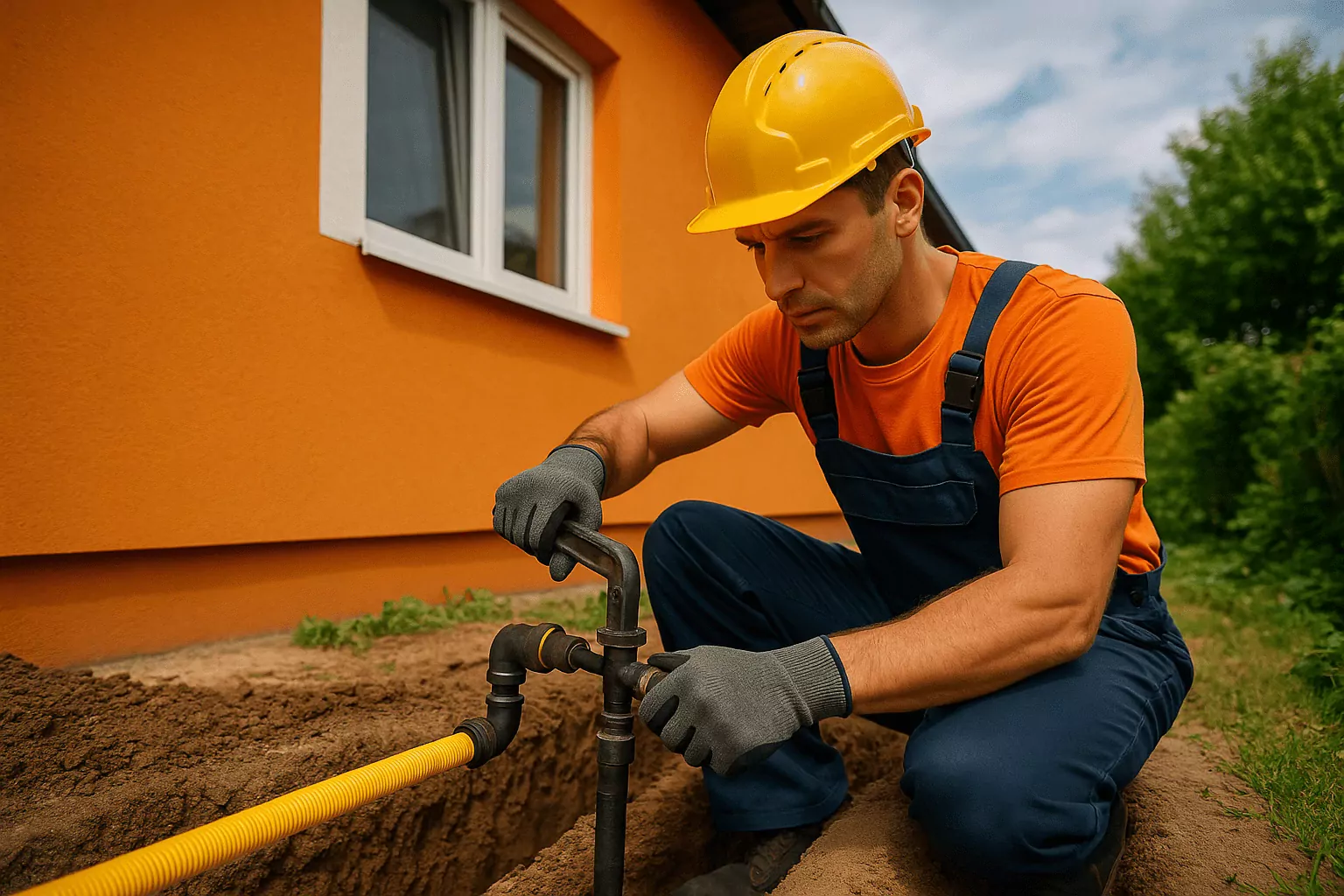
Choosing the right contractor for gas line installation in Orange is about more than price; it is about safety, code compliance, and long-term reliability. The best decision starts with understanding permits, licensing, and how local experts work with Texas regulations. This guide explains what to look for, what to avoid, and how to compare companies confidently. You will learn how training, materials, and testing protocols protect your home or business and why on-site evaluations matter. To help you take action, we include practical checklists, case examples, and links to trusted resources. For fast local help with gas line installation Orange, you can also connect with a licensed team that serves Orange, Beaumont, and Bridge City.
Licensing, Permits, and Code Compliance for gas line installation Orange
Before you hire, verify that your installer holds an active Texas plumbing license and the appropriate endorsements for gas work. In Texas, licensing is overseen by the Texas State Board of Plumbing Examiners, and reputable providers will readily share license numbers. Confirm that the company pulls the correct permits and schedules inspections with your local authority to keep your project compliant. Familiarity with the National Fuel Gas Code (see NFPA 54) is essential for proper pipe sizing, ventilation, and appliance connections. In Orange, TX, experienced pros also coordinate with utility providers and follow guidance from the Texas Railroad Commission to ensure safe service initiation.
Ask how the company handles documentation, from permit applications to inspection sign-offs and final pressure test reports. A transparent contractor will outline who files what, when inspections occur, and how results are delivered to you. Clear paperwork is more than a formality; it is your proof that work was performed to code and approved by authorities. For businesses, this documentation can streamline insurance audits and future remodel plans. Homeowners benefit too, especially during resale when buyers request evidence of compliant gas line installation.
Local knowledge matters because code interpretations and permit timelines can vary by jurisdiction. An Orange-based team will know which drawings, specs, or appliance details your city requires to issue permits without delays. When a provider can anticipate inspector preferences or seasonal scheduling backlogs, your project moves faster. The right company also communicates utility marking and locate requirements before excavation begins. This prevents unnecessary setbacks and reduces the risk of underground conflicts or fines.
Experience, Specialization, and Proven Results in gas line installation Orange
Not all plumbing companies specialize in gas; look for a track record with residential and light commercial gas systems. Ask about recent projects in Orange, Beaumont, or Bridge City and request references to validate performance and punctuality. Technicians should be trained to handle natural gas and propane applications, including line sizing for high-BTU appliances. A seasoned pro will calculate demand for ranges, water heaters, furnaces, standby generators, dryers, and pool heaters. This ensures your system delivers consistent pressure even when multiple fixtures operate simultaneously.
Case in point, consider a restaurant retrofit in Beaumont that added a high-output range and griddle to an existing line. An inexperienced installer might simply extend a small-diameter branch, causing pressure drops during peak hours. A qualified gas specialist would model combined demand, upsize the trunk, and adjust regulators to stabilize supply. By choosing an expert, the owner avoids performance complaints, equipment wear, and potential safety issues. Similar logic applies to homes that add a generator or convert to gas dryers, where proper planning prevents nuisance shutdowns.
Beyond capacity, materials and routing choices can make or break long-term reliability. Installers should explain when to use black steel, copper (where allowed), or CSST with bonding to reduce lightning-related risks. They should also design routes that minimize fittings, avoid sharp bends, and keep lines protected from damage. When a contractor can show photos or diagrams of past solutions for tight crawlspaces or slab penetrations, it signals problem-solving skill. Together, these practices add up to safer, cleaner installations with fewer leaks and lower maintenance over time.
Safety Protocols, Materials Quality, and Testing Standards for gas line installation Orange
Safety starts before the first cut with thorough site assessments and utility locates to protect buried infrastructure. Qualified teams isolate existing lines, cap unused branches, and ventilate work areas to reduce ignition hazards. They use approved thread sealants, proper torque, and corrosion protection to build joints that stay tight for years. Bonding and grounding for CSST are verified to meet manufacturer requirements and electrical codes. Finally, protective sleeves and clear labeling help future technicians identify lines quickly during repairs or remodels.
No gas job is complete without rigorous testing and inspection, and you should ask how your contractor validates their work. At minimum, expect a documented pressure test using calibrated gauges for the duration required by local code. Many pros add leak-detection solutions and electronic sniffers around all fittings, valves, and appliance connections. After passing inspection, a careful startup sequence confirms regulator settings and appliance operation under load. Getting all of this in writing protects you and demonstrates the company's commitment to safety-first operations.
Transparent Pricing, Warranties, and Service After the Install
Clear, itemized proposals help you compare bids and avoid surprises once work begins. A professional estimate should detail line length, pipe sizes, materials, trenching or cutting, permits, and inspection fees. Ask about potential change-order scenarios, such as hidden obstacles, appliance swaps, or route changes uncovered on site. Reputable contractors will explain their hourly rates, material markups, and how they manage unforeseen findings. Well-defined scope documents set expectations and strengthen accountability on both sides.
Post-install support is just as important as day-one workmanship, especially for critical appliances and generators. Look for installers who offer workmanship warranties and honor manufacturer warranties through proper installation and documentation. Ask whether they provide annual inspections, fuel pressure checks, or appliance tune-ups that keep warranty coverage intact. Reliable teams also provide emergency service options to address leaks or outages quickly and safely. These commitments show that your provider stands behind their work long after the final inspection.
When you prioritize licensing, code compliance, proven experience, and transparent pricing, choosing a company for gas line installation in Orange becomes straightforward. Start with verification of credentials and permits, then compare detailed scopes that explain materials, routes, and testing. Favor teams that demonstrate strong safety culture, reference NFPA 54, and provide clear warranties and aftercare. For trusted local service across Orange, Beaumont, and Bridge City, contact 409 Plumbing for a professional evaluation and quote. Visit our services page to explore solutions, read more tips on our blog, or contact us to schedule today. Call 409-444-0066 for fast, licensed help with your gas line needs.
Frequently Asked Questions About Gas Line Installation
How do I know my contractor is licensed for gas line installation in Texas?
Always ask for a current Texas plumbing license and any gas endorsements before work begins. You can verify licenses through the Texas State Board of Plumbing Examiners online portal. A qualified contractor will also carry general liability insurance and present it upon request. They should clearly explain which permits are required and who files them with your local authority. If a company hesitates to share credentials or cannot explain code requirements, consider it a red flag.
What should be included in a quote for gas line installation Orange?
A solid quote outlines the route, pipe type and size, total footage, fittings, and connection points. It should break out permit fees, inspection coordination, trenching or slab work, appliance hookups, and pressure testing. The proposal also needs assumptions and exclusions so you understand what is and is not covered. Ask for a timeline with key milestones, including inspection dates and anticipated utility coordination. Finally, confirm warranties on materials and workmanship and how service calls are handled after completion.
How long does a typical residential gas line install take?
Most straightforward residential gas line projects in Orange take one to three days from start to finish. The timeline depends on factors like line length, access, soil or slab conditions, and inspection scheduling. Permit approval and utility locates can add lead time, but experienced local contractors anticipate these steps. Complex projects with multiple appliances or long outdoor runs may take longer due to trenching and testing. A clear schedule in your written scope helps you plan and reduces the chance of delays.
Are there special codes or standards my installer should follow?
Yes, your installer should follow the National Fuel Gas Code, commonly referenced as NFPA 54, along with local amendments. In Texas, safety oversight and guidance also come from the Texas Railroad Commission. A licensed plumber will know how these standards apply to pipe sizing, ventilation, bonding, and testing. Your contractor should also follow manufacturer instructions for regulators, CSST, and appliances to preserve warranties. If you are unsure, ask them to cite the specific sections that govern your installation plan.

Registered Master Plumber Texas State Board of Plumbing Examiners
RMP #44702
Licensed and Bonded
Cities Serviced
409 Plumbing
Follow Us On
© 2026 409 Plumbing. All Rights Reserved.
Website Design and Hosting Provided by LocalBizBuzz,co