
24 Hour Service
Call 409-444-0066
How to Choose the Best Water Heater Replacement
in Orange for Your Home
Make informed decisions for your home by comparing types, costs, and features of water heater replacements in Orange.
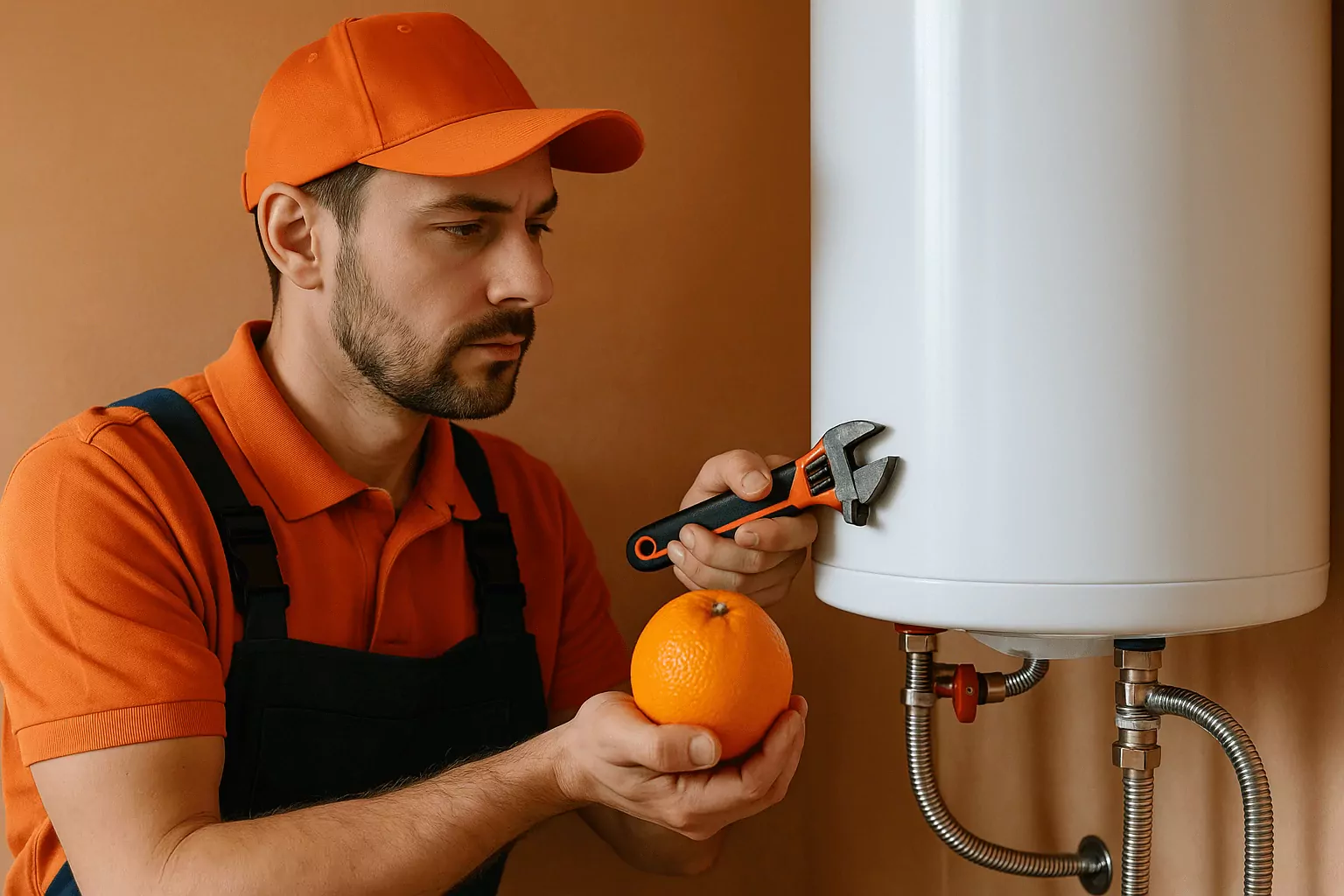
Replacing a water heater is a significant decision, and getting it right impacts comfort, energy costs, and safety for years to come. If you are researching water heater replacement Orange homeowners can trust, you are already a step ahead in protecting your investment. The best choice blends proper sizing, energy efficiency, and a professional installation that meets local codes in Orange, TX. From tank to tankless systems, today's options offer improved performance, rebates, and smart features worth considering. In this guide, we will break down the key factors to evaluate, share real examples from Southeast Texas homes, and outline a clear path to a smooth replacement. By the end, you will be equipped to choose confidently and schedule a stress-free install that fits your home and budget.
Assessing Your Home's Needs for Water Heater Replacement Orange
Before selecting a new unit, start with demand profiling, which simply means matching capacity to your household's peak hot water use. Consider the number of bathrooms, shower types, large tubs, and simultaneous activities like laundry and dishwashing. A common mistake is replacing a like-for-like tank without evaluating changes in family size, bathing habits, or new appliances. In Orange and Bridge City, we frequently see families upgrade from a 40-gallon to a 50-gallon tank to support back-to-back morning showers. For tankless systems, sizing is based on flow rate and temperature rise, so accurate estimates of gallons per minute at peak times are essential.
Beyond capacity, inspect the condition and placement of your existing heater to anticipate installation needs. Check for signs of tank corrosion, frequent pilot outages, or rust-colored water, which indicate end-of-life. Note where the unit sits, such as in a garage, closet, or attic, because ventilation, drain pan configuration, and condensate handling may change with a new model. In Southeast Texas, high humidity and potential storm exposure make proper drainage, seismic strapping, and T&P discharge routing especially important. A trusted local pro will confirm code requirements and recommend upgrades that protect your home while maximizing system lifespan.
As a quick reference, homeowners can use this simple sizing guide and then confirm specifics with a licensed plumber. If any single shower in your home uses a high-flow rain head or body sprays, plan for higher capacity or tankless with more GPM. If your family includes teens with overlapping shower times, consider a larger tank or recirculation for faster hot water delivery. If you often host guests, a hybrid heat pump or high-recovery gas unit can sustain heavier demand without frequent cold-water surprises. Finally, if energy efficiency is your top priority, pair the right size with a high Uniform Energy Factor to reduce long-term costs.
Fuel Type and Efficiency: Electric, Gas, Hybrid, and Tankless Options
Choosing fuel type and technology has the biggest impact on operating costs over the life of your heater. In Orange and Beaumont, many homes use natural gas where available, delivering quick recovery and a range of high-efficiency options. Electric units are common too, and modern hybrid heat pump water heaters can drastically cut electricity usage in garages or utility rooms with enough ambient air. Tankless systems offer on-demand hot water, compact footprints, and high efficiencies, but they must be sized and vented correctly to shine. The right pick depends on energy rates, installation conditions, and your comfort preferences.
Efficiency metrics help compare apples to apples, and the Uniform Energy Factor is the best shorthand to use. Higher UEF typically means lower annual energy costs, especially notable on ENERGY STAR certified models. As you compare, consider any available utility or manufacturer rebates that lower upfront cost. Resources like the U.S. Department of Energy and ENERGY STAR provide guidance on selecting high-performance models and estimating savings. For deeper research, see the Department of Energy's water heating overview and ENERGY STAR's water heater product criteria.
To illustrate, a family in Bridge City switched from a 40-gallon standard electric to a 50-gallon hybrid heat pump model in their attached garage. Their summer electric usage dropped by roughly 30 percent for water heating, while noise remained minimal with proper placement. Another Orange homeowner replaced an aging 50-gallon gas tank with a condensing tankless and enjoyed endless hot showers plus reclaimed closet space. In both cases, careful load calculations and attention to venting and condensate management made the upgrades successful. These examples show how matching technology to the home environment delivers tangible performance and comfort gains.
Installation Quality, Code Compliance, and Total Cost of Ownership in Orange, TX
A smooth replacement hinges on professional installation that follows Texas plumbing code and manufacturer specifications. Details like correct flue sizing, combustion air, dielectric unions, and expansion tank setup protect system health and ensure safety. In Southeast Texas, installers should also evaluate drain pan sizing, proper T&P discharge to code-compliant termination, and flood-aware placement when possible. If you are upgrading to condensing tankless or a high-efficiency gas tank, expect new venting and condensate routing that must be done right. A thorough site assessment avoids surprises and keeps your project on schedule and on budget.
Looking beyond day-one price, calculate total cost of ownership by combining purchase, installation, energy, and maintenance over 10-15 years. A standard electric tank may cost less upfront but more to run, while a hybrid or condensing unit can reverse that math. Factor in maintenance like annual flushing, anode rod inspections for tank models, and descaling for tankless systems based on water hardness. Southeast Texas homes on hard water benefit from sediment control to preserve efficiency and extend lifespan. When you weigh TCO, that slightly higher initial investment often pays back through lower monthly bills and longer service life.
Here is a real-world example from an older Beaumont home where a 14-year-old gas tank showed rust at fittings and intermittent hot water. After a load assessment, the family moved to a 50-gallon high-recovery gas model with improved UEF and added a thermostatic mixing valve for safer, more consistent delivery. The project included updating venting to current standards, installing a larger drain pan with proper drain, and replacing corroded flex connectors. Over the first year, gas costs dropped modestly while comfort improved significantly thanks to faster recovery. The owners appreciated that most of the budget went to quality components and code-compliant work that will pay dividends for years.
Choosing the Right Contractor, Timelines, and Warranties
Selecting a local, licensed plumber who understands Orange-area code and water conditions is as important as the heater you buy. Ask about permit handling, brand certifications, and whether the company offers same-day or next-day emergency replacements. A trustworthy pro will provide clear, line-item estimates, explain venting or electrical upgrades, and review warranty terms before work begins. Typical timelines range from half a day for like-for-like tank swaps to a full day or more for tankless conversions. For added peace of mind, confirm both manufacturer and workmanship warranties, and ask for maintenance tips to keep coverage intact.
409 Plumbing serves Orange, Beaumont, and Bridge City with expert guidance, transparent pricing, and code-compliant installs tailored to your home. Start by browsing our water heater services to compare options, then reach out through our contact page to schedule an on-site assessment. For ongoing care, read our latest tips on the 409 Plumbing blog to extend lifespan and maintain efficiency. If you are searching for water heater replacement Orange, our team is ready with fast scheduling and friendly service. From consultation to cleanup, we make the process simple, safe, and aligned with your budget and comfort goals.
Choosing the best water heater replacement comes down to matching capacity, efficiency, and installation quality to your home's unique needs. Start with an honest assessment of peak demand, then compare technologies using UEF, fuel availability, and long-term operating costs. Make sure your installer addresses code requirements in Orange, TX and includes upgrades like correct venting, drain pans, and safe discharge routing. By planning ahead and partnering with a trusted local pro, you will enjoy reliable hot water, lower bills, and greater peace of mind. When you are ready, 409 Plumbing is here to help you select, install, and maintain the perfect system.
Call 409 Plumbing at 409-444-0066 to schedule your in-home estimate. We proudly serve Orange, Beaumont, and Bridge City with same-day service in many cases and transparent, upfront pricing. Explore our services, reach out via our contact form, and read expert tips on our blog to stay informed. For authoritative guidance on efficiency, review the U.S. DOE Water Heating page and ENERGY STAR Water Heaters. Let our licensed team deliver a safe, efficient installation that keeps your household comfortable year-round.
Frequently Asked Questions About Water Heater Replacement
How do I know it is time to replace my water heater?
Common signs include age beyond 10 years for tanks, frequent pilot outages, rusty water, and rumbling noises from heavy sediment. If you notice water pooling around the base or a leaking T&P valve, replacement may be safer than repair. Insufficient hot water, especially during back-to-back showers, can also indicate a failing dip tube or reduced capacity from scale. For electric units, rising energy bills without increased usage can point to failing elements or insulation. A licensed technician can evaluate your unit and recommend repair or replacement based on safety, performance, and cost.
What size water heater is best for a family of four?
Most families of four do well with a 50- to 60-gallon gas or electric tank, depending on shower habits and fixture flow rates. If you have high-flow showers or a soaking tub, you may benefit from a larger tank or higher recovery rate. For tankless, aim for 8 to 10 GPM at your expected temperature rise to support two simultaneous showers plus a sink. Local water temperature in Orange typically requires a moderate rise, which a properly sized tankless can handle comfortably. A professional load calculation will fine-tune sizing to your fixtures and peak usage patterns.
How long does a water heater replacement take in Orange, TX?
Like-for-like replacements of tank units usually take 3 to 6 hours, including drain, removal, install, and testing. If venting, gas lines, or electrical circuits require updates, expect the project to extend into the afternoon. Converting to tankless or a hybrid heat pump may take a full day or more due to venting, condensate, and mounting needs. Permitting and inspection timelines vary but are typically coordinated by your contractor to avoid delays. With proper planning and parts on hand, most homeowners enjoy reliable hot water again the same day.
Is a tankless water heater worth it for Southeast Texas homes?
Tankless systems excel at delivering endless hot water, saving space, and reducing standby losses, which can lower energy costs. In humid climates like ours, proper condensate handling and corrosion-resistant venting are essential to long-term reliability. If your home often runs multiple fixtures at once, ensure the unit's GPM meets that peak demand. Water hardness management, such as scale filters, protects heat exchangers and maintains efficiency over time. For many Orange-area households, the comfort and efficiency gains make tankless a smart long-term upgrade when sized and installed correctly.

Registered Master Plumber Texas State Board of Plumbing Examiners
RMP #44702
Licensed and Bonded
Cities Serviced
409 Plumbing
Follow Us On
© 2026 409 Plumbing. All Rights Reserved.
Website Design and Hosting Provided by LocalBizBuzz,co