
24 Hour Service
Call 409-444-0066
How to Achieve Optimal Water Pressure Improvements in Vidor TX
Simple tips and practical solutions for homeowners in Vidor, TX to enhance their water pressure effectively.
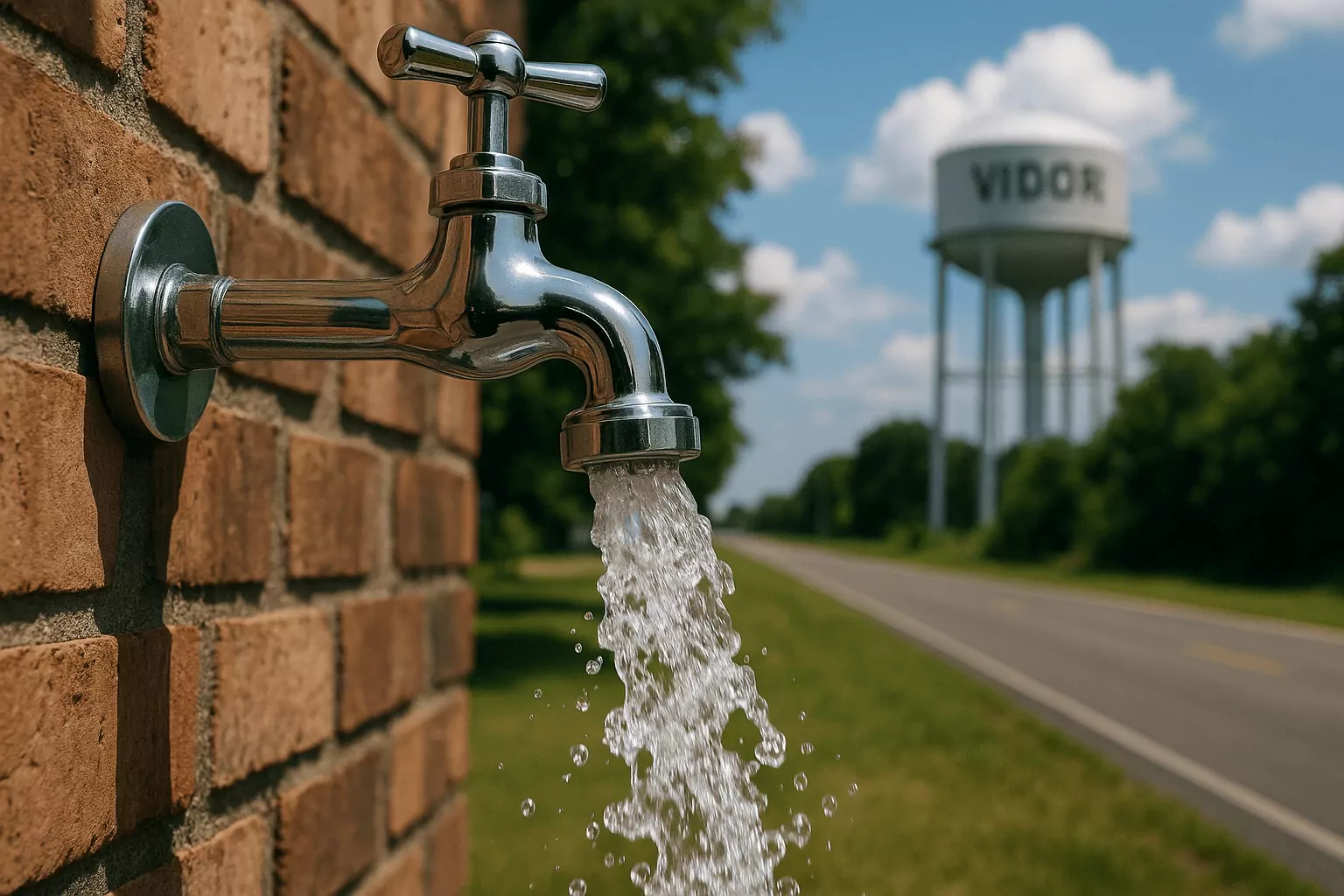
Are you struggling with low water pressure in your home? If you reside in Vidor, TX, you're not alone. Many homeowners face similar challenges when it comes to maintaining adequate water pressure for their plumbing systems. The importance of water pressure improvements Vidor TX cannot be overstated, as it directly affects the efficiency of your plumbing fixtures and appliances. In this blog, we will explore effective strategies to enhance your water flow and pressure, ensuring a better experience in your home. From identifying common issues to implementing practical solutions, our goal is to provide you with actionable insights that can lead to significant improvements.
1. Understanding Water Pressure Basics
Water pressure is measured in pounds per square inch (psi) and is essential for the proper functioning of your plumbing system. Low water pressure can lead to unsatisfactory experiences when showering, washing dishes, or doing laundry. Understanding the causes of low water pressure is the first step towards effective water pressure improvements Vidor TX.
Several factors can contribute to low water pressure, including the diameter of pipes, the elevation of your home, and potential leaks in your system. For instance, older homes may have galvanized steel pipes that can corrode and restrict water flow. Additionally, if your home is located at a higher elevation, it may naturally experience lower pressure.
To accurately measure your water pressure, you can use a hose bib gauge, which attaches to an outdoor faucet. Ideally, your water pressure should fall between 40-60 psi. If it's significantly lower, it may be time to consider some improvements.
2. Identifying Common Issues
Once you've established that your water pressure is below the desired level, the next step is to identify common issues that could be causing the problem. One prevalent factor is the buildup of sediment and mineral deposits in your pipes, which can significantly impede water flow.
Another common issue is the presence of leaks in your plumbing system. Leaks can waste water and lead to lower pressure in your faucets and fixtures. To detect leaks, look for damp spots in your home or listen for the sound of running water when all fixtures are turned off.
Additionally, check your fixtures for any clogs or blockages. Aerators in faucets and showerheads can accumulate debris over time, reducing water flow. Regular maintenance, including cleaning these components, can help maintain optimal pressure.
3. Practical Solutions for Improvement
There are several practical solutions you can implement to achieve water pressure improvements Vidor TX. One effective method is to install a pressure regulator. These devices help manage and maintain consistent water pressure throughout your home, preventing fluctuations that can lead to discomfort.
Another solution is to replace old, worn-out pipes with newer materials such as PVC or PEX. These materials are less prone to corrosion and can significantly improve water flow. If you're considering extensive renovations, you may want to consult with a professional to assess your plumbing system and recommend upgrades.
4. Consulting with Professionals
Sometimes, the best course of action is to consult with a professional plumbing service. Experts can provide valuable insights and perform thorough inspections to identify underlying issues with your water pressure.
At 409 Plumbing, we specialize in water pressure improvements Vidor TX and can help you determine the best solutions for your home. Our experienced technicians can assess your plumbing system, recommend appropriate upgrades, and ensure everything is functioning optimally. You can also check our full list of remodeling plumbing services in Orange, TX for more information.
Additionally, regular plumbing maintenance is crucial for sustaining good water pressure. Scheduling routine inspections can help catch minor issues before they escalate into major problems, ultimately saving you time and money. See the Texas Commission on Environmental Quality for additional guidance.
Achieving optimal water pressure improvements Vidor TX is essential for any homeowner looking to enhance their plumbing experience. By understanding the basics of water pressure, identifying common issues, and implementing practical solutions, you can significantly improve the functionality of your plumbing system. Don't hesitate to reach out to professionals like 409 Plumbing for assistance with these improvements. Remember, regular maintenance is key to sustaining good water pressure and preventing future issues. If you're ready to take action, contact us at 409-444-0066 for a consultation or to request a quote today!
Frequently Asked Questions About Water Pressure Improvements
What is considered low water pressure?
Low water pressure is generally defined as anything below 40 psi. If you're experiencing weak water flow in faucets or showerheads, it's a sign that your water pressure may be insufficient. You can easily measure this using a hose bib gauge attached to an outdoor faucet. If your readings fall below this threshold, it may be time to take steps for improvements.
How can I improve my water pressure?
Improving your water pressure can be achieved through several methods, including installing a pressure regulator, replacing aged pipes, or removing clogs from fixtures. Regular maintenance is also essential, as it can help prevent sediment buildup and leaks that often lead to pressure drops. If you're unsure where to start, consulting with a plumbing professional can provide tailored solutions for your specific situation. You can read more about this in our blog post on outdoor kitchen plumbing.
Why is my water pressure inconsistent?
Inconsistent water pressure can be due to various factors, including leaks, fluctuations in municipal supply, or issues with your plumbing fixtures. If your pressure varies significantly throughout the day, it may indicate a problem with the municipal system. However, if the issue is isolated to your home, it could be due to internal plumbing issues that need addressing.
Can sediment buildup affect water pressure?
Yes, sediment buildup can significantly impact water pressure. Over time, minerals and debris can accumulate in your pipes and fixtures, restricting water flow. Regular maintenance, such as flushing your water heater and cleaning aerators, can help mitigate this issue and sustain optimal pressure. For more information on this topic, you can visit the U.S. Environmental Protection Agency's page on water research.
Registered Master Plumber Texas State Board of Plumbing Examiners
RMP #44702
Licensed and Bonded
Cities Serviced
409 Plumbing
Follow Us On
© 2026 409 Plumbing. All Rights Reserved.
Website Design and Hosting Provided by LocalBizBuzz,co