
24 Hour Service
Call 409-444-0066
How Sewer Camera Inspection in Port Arthur
Can Save You Money
Sewer camera inspections in Port Arthur help homeowners spot issues early, preventing costly repairs and ensuring smooth plumbing.
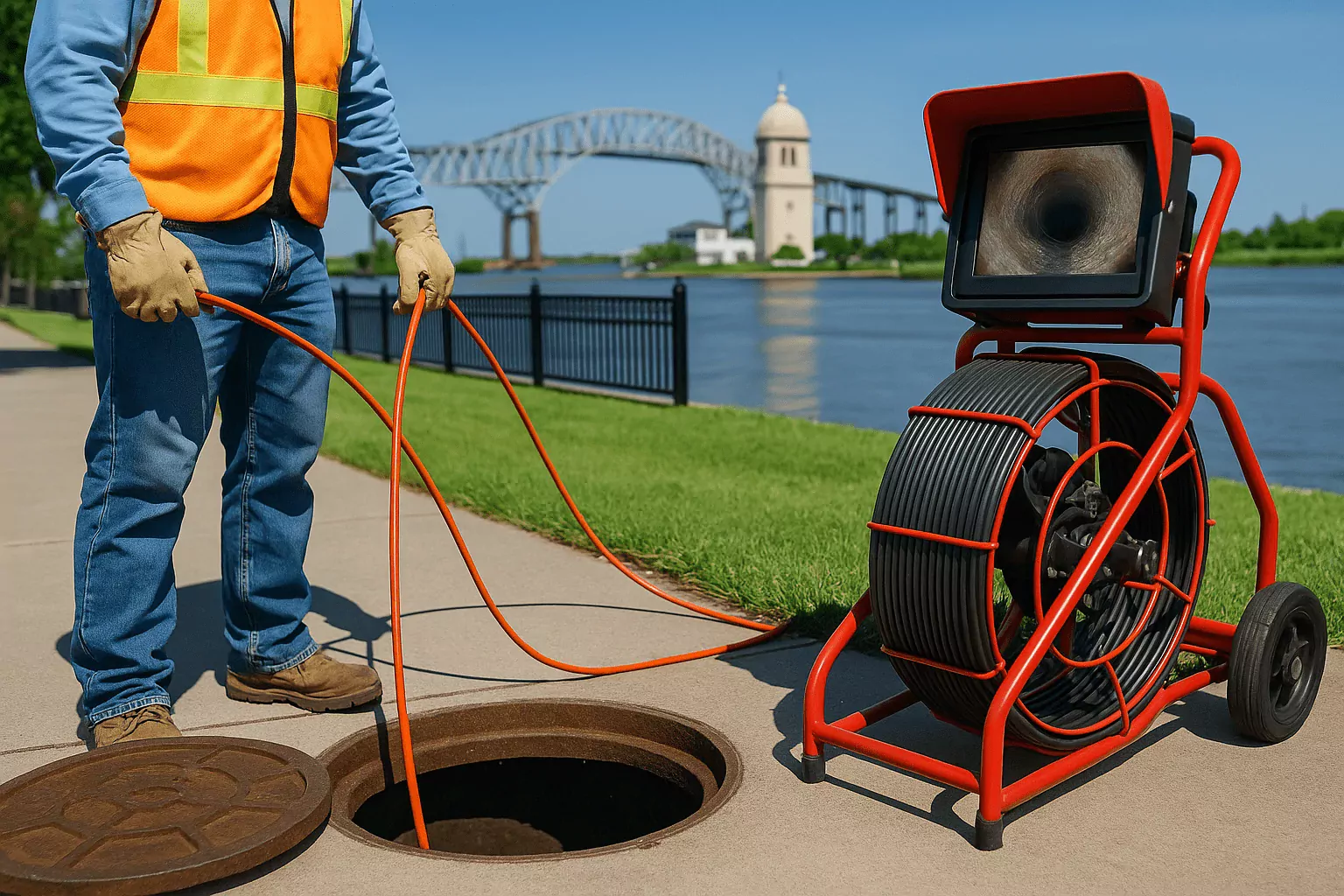
Unexpected sewer problems can drain your budget faster than almost any home repair, especially in coastal communities like Port Arthur where heavy rains and shifting soils stress underground lines. A targeted solution like sewer camera inspection Port Arthur helps you spot issues early, plan smart repairs, and avoid unnecessary digging. Using a high-definition, waterproof camera to navigate your sewer line, technicians can pinpoint root intrusion, corrosion, bellies, and blockages without guesswork. That means fewer service hours, fewer excavations, and fewer surprises when you open the bill. For buyers, sellers, and property managers, a sewer scope is also a data-driven way to negotiate repairs or confirm system health. If you want a safer, more cost-effective path to a reliable plumbing system, a camera inspection is one of the best investments you can make.
How sewer camera inspection Port Arthur homeowners choose prevents expensive emergencies
Port Arthur's climate brings intense downpours and seasonal storms that can overload aging sewer lines, especially in neighborhoods with mature trees and older infrastructure. Camera inspections identify cracks, offsets, and blockages caused by shifting soils and root intrusion before they become emergencies. By seeing the exact location and nature of a problem, technicians avoid exploratory digging and reduce labor hours substantially. This targeted approach helps keep landscaping, driveways, and slabs intact, which is where many repair budgets spiral out of control. Early detection also enables budget planning, allowing you to schedule non-urgent fixes during off-peak times and avoid after-hours rates.
Consider a local case: a homeowner suspected a slow drain during heavy rain and booked an inspection before the holidays. The camera revealed a partial obstruction from grease and mineral scale where the line slightly bellied near the curb. Instead of replacing a long run of pipe, the technician recommended hydro jetting and spot repair, saving the homeowner thousands. This scenario demonstrates how a focused diagnosis transforms panic-prone plumbing into predictable maintenance.
Where the real savings come from with sewer camera inspection Port Arthur properties need
Most plumbing costs escalate when technicians must guess and dig to find the source of a problem. A camera scope eliminates guesswork by delivering exact measurements, line depth, material type, and the precise spot to repair. That clarity often reduces the job to a single excavation point.
Beyond repairs, inspections guide smarter maintenance and product choices that reduce future risk. If buildup is a recurring theme, you can move to enzyme-based treatments and scheduled drain cleaning instead of emergency clears. If corrosion is widespread in cast iron, a timeline for phased replacement can be set and financed. For real estate deals, a sewer scope can give buyers leverage to negotiate seller credits or repairs before closing. For insurance claims, recorded video evidence supports accurate estimates and faster approvals, which shortens downtime for tenants and businesses.
Common issues uncovered by sewer camera inspection Port Arthur residents should watch for
Coastal conditions and mature landscaping in Port Arthur and the Golden Triangle mean root intrusion is a top offender. Roots seek moisture, enter through tiny cracks or joints, and eventually create significant blockages that trap grease and paper. Camera footage shows exactly where roots penetrate and whether the intrusion is isolated or systemic. Another frequent finding is pipe bellies, where sections of the line sag and collect debris, often revealed after heavy rainfall. Older homes with cast iron pipes may also show scaling and corrosion that narrows the pipe and accelerates clogs.
Newer PVC systems are not immune; poor slope, construction debris, or joint offsets can create persistent slow drains. Camera inspections also reveal foreign objects, lost jewelry, and children's toys that cause mystery blockages. In some neighborhoods, aging clay or Orangeburg sections still exist and are vulnerable to collapse under traffic or tree pressure. With video clarity, you see whether a simple cleaning, targeted repair, or full replacement is needed. This evidence-based approach protects your budget and ensures every dollar addresses the real issue.
Planning next steps after a sewer camera inspection Port Arthur property managers rely on
After the inspection, your technician should provide a clear report with timestamps, footage, and a prioritized action plan. High-value next steps might include hydro jetting to clear settled debris, localized excavation for an offset joint, or lining a cracked section. If the system is largely healthy, a preventive maintenance schedule is often the best money-saving move. Property managers benefit from standardizing scopes across portfolios, creating video baselines to compare year over year. This turns reactive plumbing into predictable line items that are easier to budget and justify.
Compliance and best practices also matter for long-term savings and safety. Research from the American Society of Civil Engineers highlights the nationwide strain on wastewater systems and the high cost of deferred maintenance, making proactive inspections a smart choice. For background reading, see ASCE's wastewater report card at ASCE Wastewater Report Card. Local building and utility departments also provide guidance on permits and standards; start with Port Arthur Public Works at City of Port Arthur Public Works. Aligning your plan with codes and best practices prevents costly do-overs and accelerates approvals.
For homeowners, buyers, and property managers in and around Port Arthur, a sewer camera inspection is one of the most cost-effective ways to control plumbing costs. By diagnosing problems with video precision, you avoid guesswork, unnecessary excavation, and rushed emergency decisions. The result is a clear, prioritized plan that fits your budget and protects your property over the long term. If you are ready to take the guesswork out of plumbing, schedule a professional scope today. Call 409 Plumbing at 409-444-0066. We proudly serve the Golden Triangle, including Orange, Beaumont, and Bridge City, and can assist nearby Port Arthur property owners seeking expert guidance. For service details or to book now, explore our sewer camera inspection services and contact our team for fast scheduling.
Frequently Asked Questions About Sewer Camera Inspection
How much does a sewer camera inspection cost and what is included?
Pricing varies with access, line length, and system complexity, but most inspections are a fraction of what emergency digs cost. A standard service typically includes a visual scope from a cleanout, live video review, and a digital copy of the footage. You should also receive a written summary outlining line materials, depth estimates, and recommended next steps. Some providers include locating services to mark exact repair points above ground. When comparing quotes, ask whether the price includes video files, written reports, and any return visits if access is initially blocked.
How often should I schedule a sewer camera inspection?
For most single-family homes with no ongoing issues, an inspection every 2 to 3 years is a good baseline. If your property has large trees, older cast iron lines, or a history of backups, annual scopes are advisable. Property managers overseeing multi-unit buildings often schedule inspections semi-annually or before the rainy season. It is also wise to book a scope before buying or selling a property to avoid last-minute surprises. Proactive scheduling helps you catch small problems before they turn into emergency calls at premium rates.
Will a sewer camera inspection find every problem in my plumbing system?
A camera inspection excels at assessing the main sewer lateral and larger branch lines but does not see inside every small internal drain. It will reveal cracks, offsets, bellies, roots, and debris within the scoped sections and identify precise repair locations. In some cases, heavy buildup may require a cleaning first to get a complete view. For comprehensive diagnostics, inspections are often paired with smoke testing or pressure tests for venting and leaks. Together, these methods provide a high-confidence picture of system health and the smartest next steps.

Registered Master Plumber Texas State Board of Plumbing Examiners
RMP #44702
Licensed and Bonded
Cities Serviced
409 Plumbing
Follow Us On
© 2026 409 Plumbing. All Rights Reserved.
Website Design and Hosting Provided by LocalBizBuzz,co